Quick Verdict
The claim that every washi tape is paper‑based and safe for food contact cannot be confirmed with the available data. Without specific material certifications, assume the myth is unproven and treat washi tape as decorative, not culinary, material.
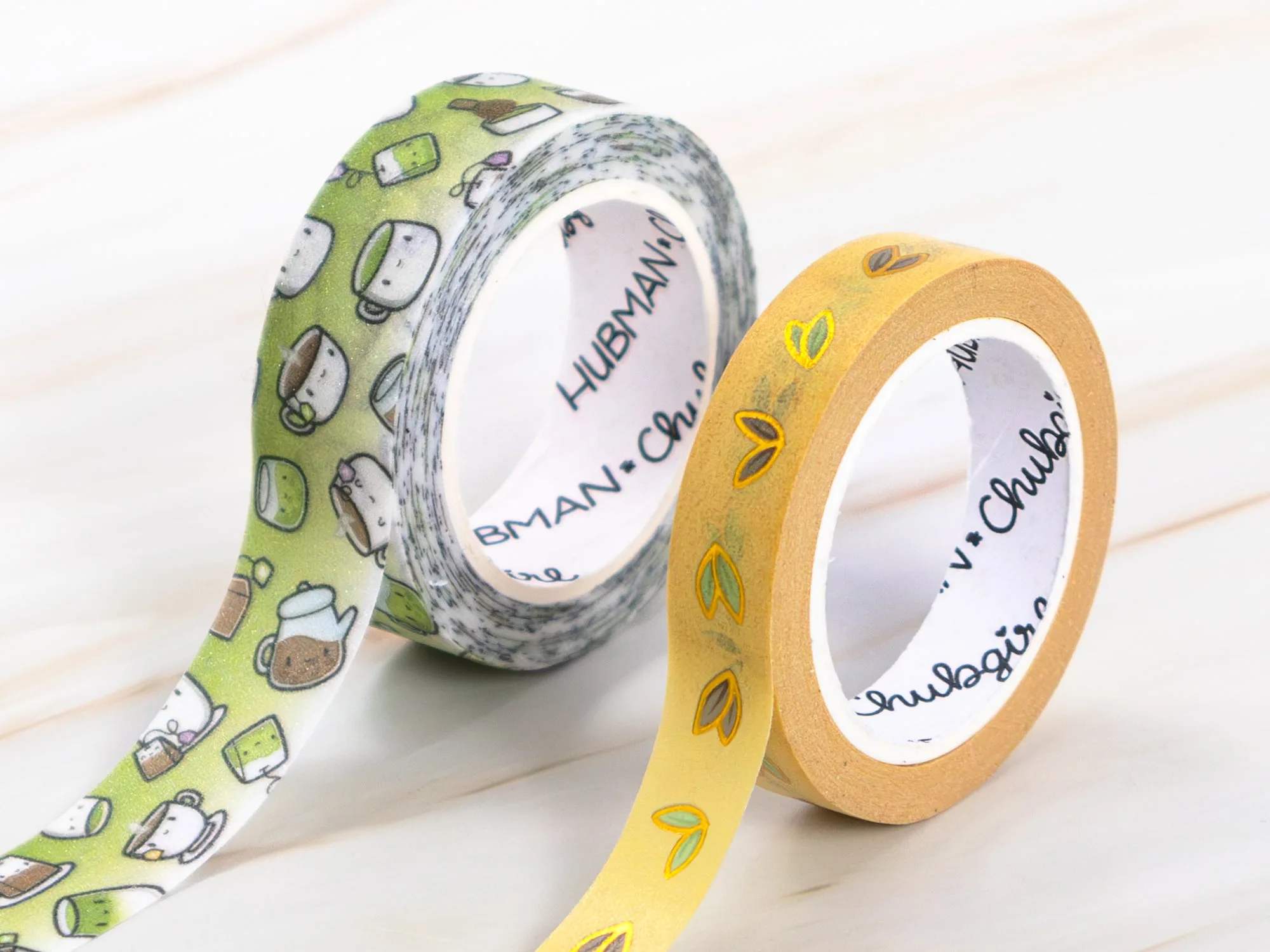
Washi tape is beloved for its bright patterns and easy‑to‑tear edge, but a common belief circulates that all washi tapes are made of paper and therefore safe to touch food. This myth can lead crafters to use the tape on snack wrappers, cake decorations, or even as a makeshift food‑grade seal.
Because the official product specifications for washi tape are not part of our catalog, we must rely on what we actually know: the material composition is not universally disclosed, and safety for food contact requires explicit certification.
What is Washi Tape?
Traditional Japanese washi is a handmade paper created from long‑fiber plant sources like mulberry. Modern commercial washi tape, however, often blends that paper base with synthetic adhesives, backing films, or even plastic laminates to achieve durability and stretch. The visual cue—thin, matte, and easily torn—does not guarantee a pure‑paper construction.
When a tape includes any plastic film or synthetic adhesive, its interaction with food can differ dramatically from pure paper. Without a clear label stating “food‑grade” or “FDA‑approved,” the safety claim remains uncertain.
- Check the product description for material details; if none are listed, assume the tape may contain non‑paper components.
Paper vs Plastic Tape
Paper‑based tapes are breathable and generally safe for handling, but they can absorb moisture and lose adhesion when in contact with wet foods. Plastic‑based tapes, such as those with a thin polyethylene backing, resist moisture but may contain chemicals not approved for ingestion.
Because the manufacturing process varies widely, a blanket statement that "all washi tapes are paper" overlooks these hybrid designs. The distinction matters for crafters who intend to place tape near edible items.
Safe Crafting Supplies
When food safety is a priority, select supplies that explicitly state they are food‑grade or approved for direct contact. For decorative purposes that stay away from the actual food (e.g., wrapping a cake box), most washi tapes are fine, but they should not be used as a seal on the food itself.
If you’re unsure, opt for alternatives like parchment paper, silicone mats, or food‑grade stickers that come with clear certification.
- Always read the fine print or contact the seller for material certifications before using tape on anything edible.
Verdict Summary
- Material Claim: No universal evidence confirms all washi tapes are pure paper. Treat the claim as unverified.
- Food Contact Verdict: Without explicit food‑grade certification, washi tape should not be applied directly to food. Use tape only for decorative, non‑edible purposes.
- Crafting Guidance: Choose supplies labeled food‑safe for any direct contact with edibles. Check product specs or contact the maker for confirmation.
Related Product Insights
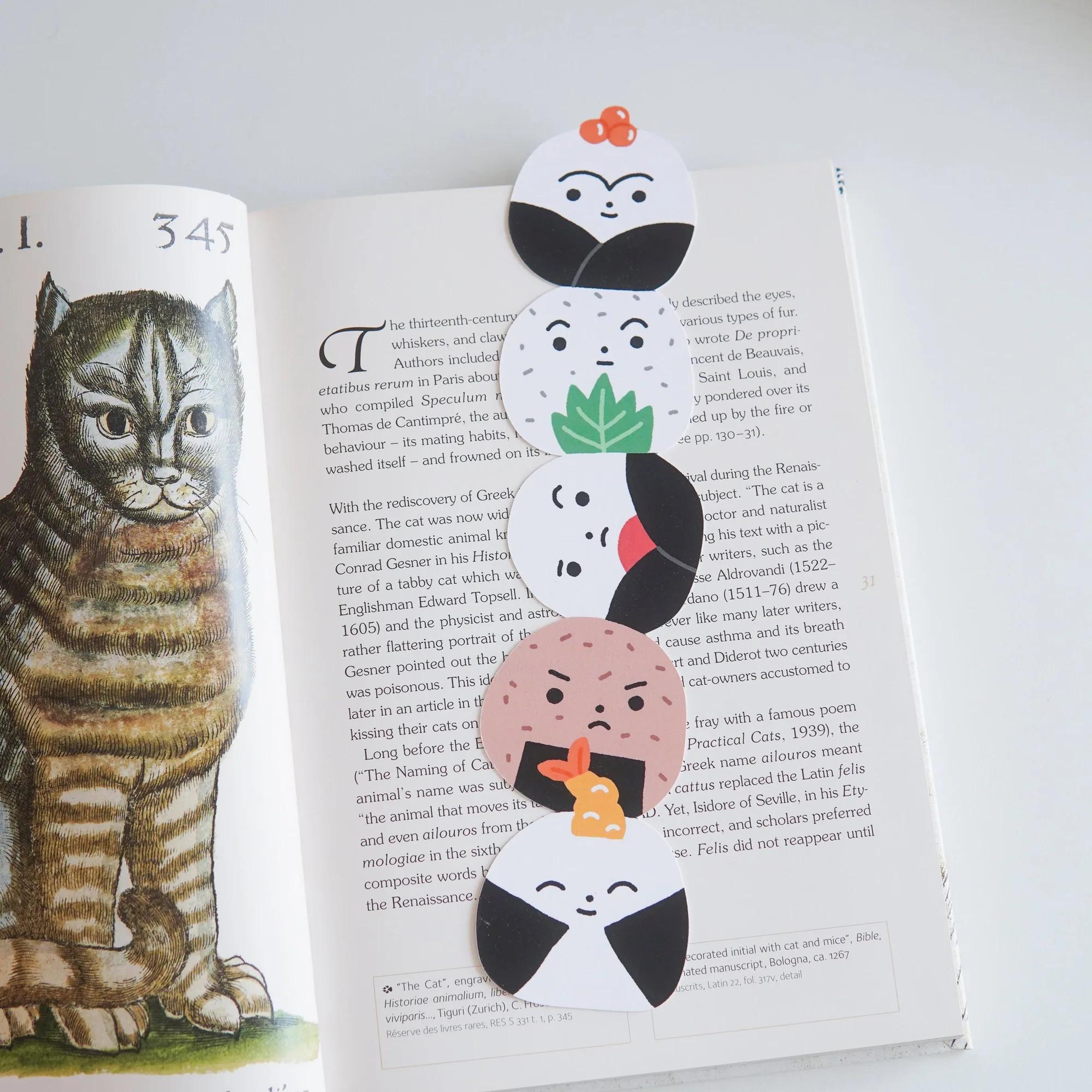
- Onigiri Stack Bookmark: Matte bookmark measuring roughly 2 × 10 inches; a bit longer than standard bookmarks, suited for larger books. Its larger size and matte finish show how paper products can be functional without needing food‑contact safety.
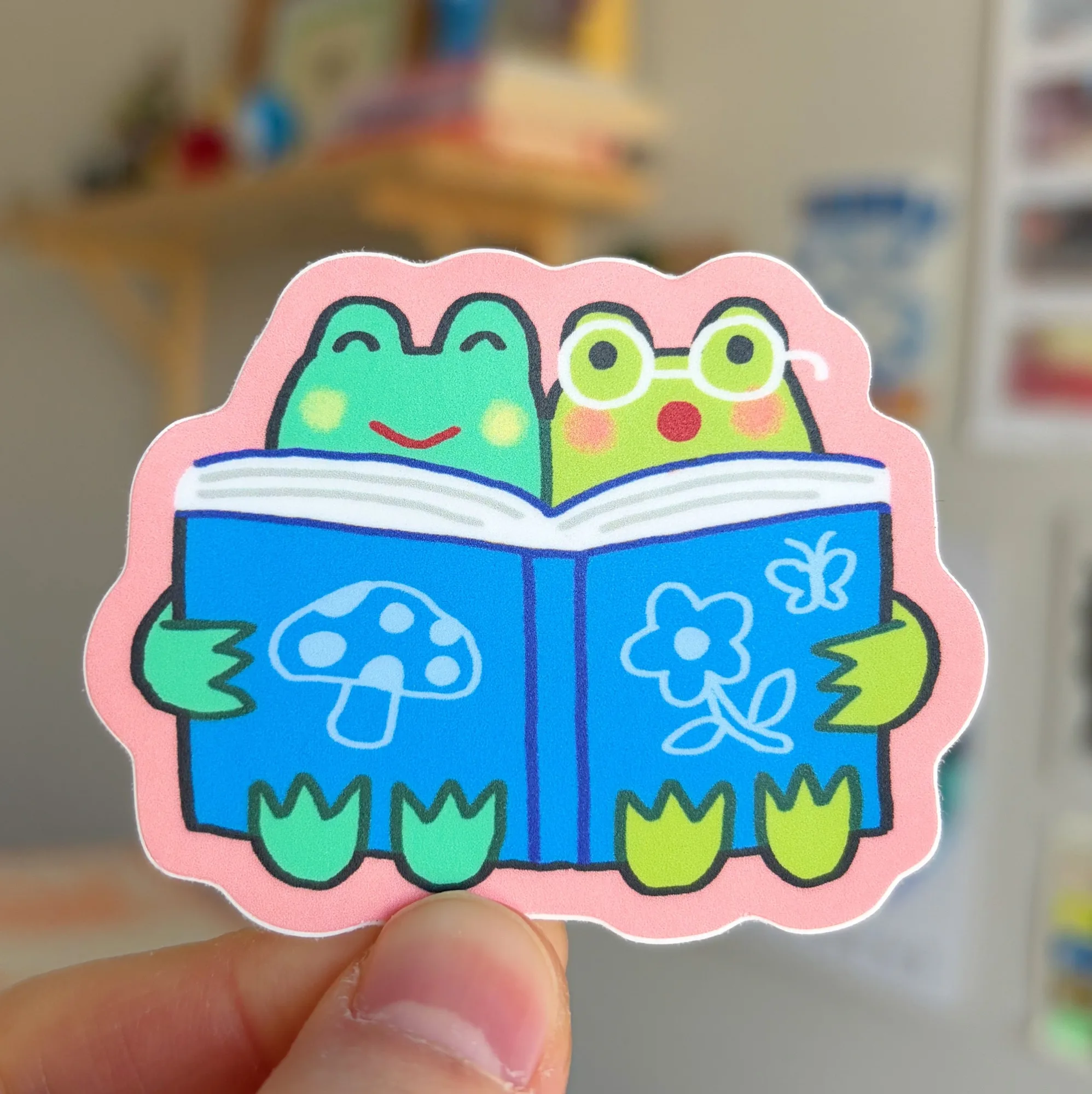
- Frog Reading Sticker: Matte vinyl sticker measures approximately 2 × 2.5 inches; easy peel‑and‑stick application for smooth surfaces. Even a simple vinyl sticker highlights that not all paper‑like items are safe for food; the vinyl backing is a synthetic material.
While washi tape adds charm to projects, the myth that every roll is paper‑based and food‑safe doesn’t hold up without clear material data. Play it safe: verify certifications or stick to decorative uses away from food.