Quick answer
Choose a holder that matches both your bottle and your bag. A clip-on holder suits a crossbody or backpack strap, a belt-loop keyring suits short walks, and a sleeve or pouch suits tote and weekender users. If you regularly carry a bottle plus a bag, a hands free bottle carrier with a secure attachment point is the most practical pick.
A water bottle holder is one of those small travel accessories that quietly fixes a daily annoyance: juggling a bottle, a phone, and a bag strap at the same time. The right holder keeps hydration within reach without occupying a hand.
This guide covers the main holder styles, how to check fit before you buy, and which setups work best for airports, commutes, and day trips. It also explains when a holder is unnecessary and a simple keyring or bag loop is enough.
The three holder styles worth considering
Most travel water bottle holders fall into three groups: clip-on loops, strap-mounted sleeves, and pouch or pocket styles. Clip-on loops attach to a belt loop, keyring, or bag hardware and let the bottle hang. Strap-mounted sleeves wrap around a backpack or crossbody strap and hold the bottle upright against your body. Pouch styles sit inside or on the outside of a tote or weekender and keep the bottle from rolling around.
Each style changes how the weight feels. A hanging bottle swings and can bump your leg on a long walk. A strap-mounted sleeve keeps the bottle close and stable but adds bulk to the strap. A pouch keeps your silhouette clean but usually requires a bag with a suitable pocket or attachment point. The Discovery Keyring in Cedar Red is a good example of a simple clip-on option: it keeps keys and essentials secure and within reach, and its extra keyring loop lets you attach additional belongings or charms.
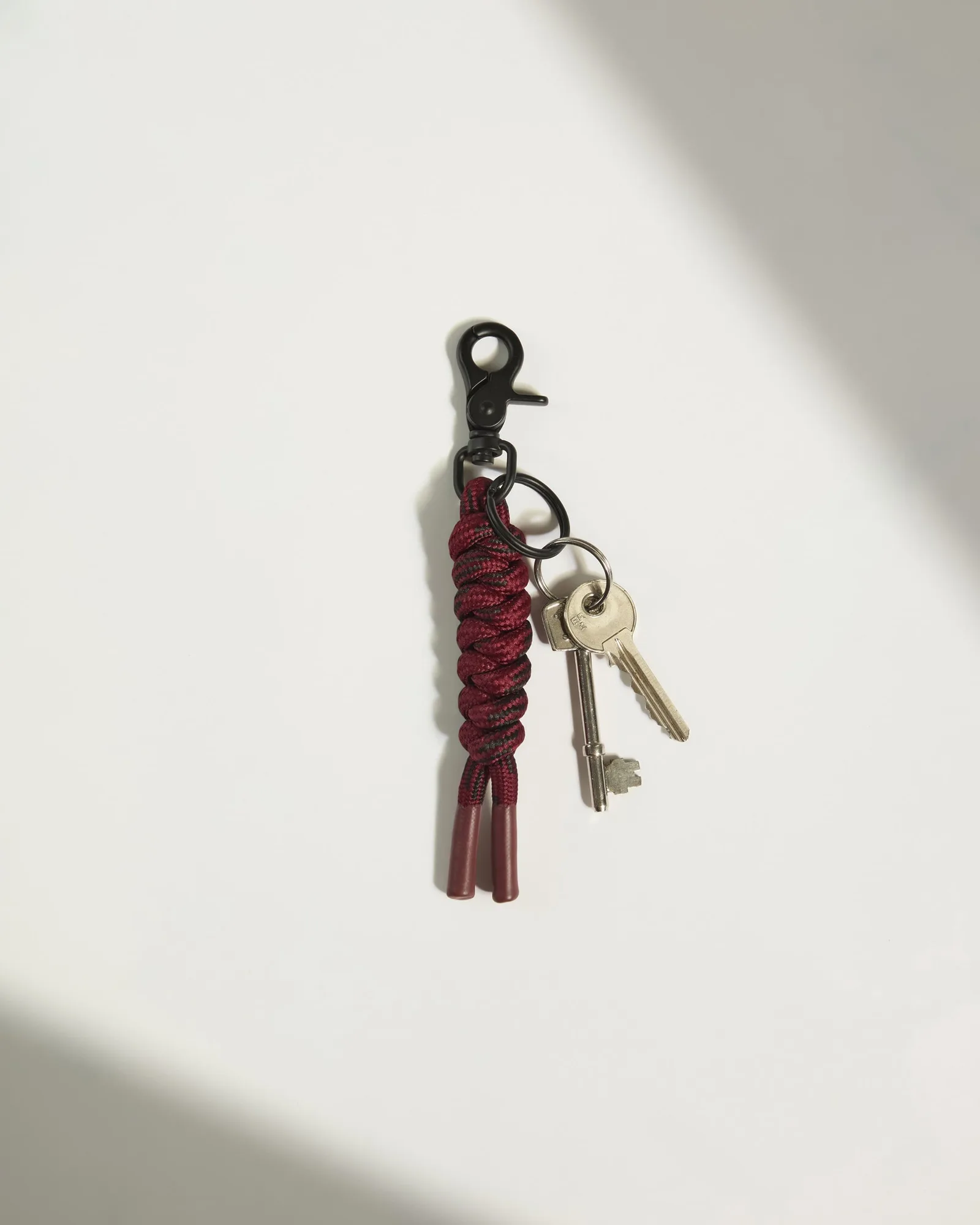
Discovery Keyring in Cedar Red
- Clip-on: fastest to attach, best for short trips and switching between bags.
- Strap-mounted: most stable for walking and transit, but check strap width first.
- Pouch: neatest look, but depends on your bag having a loop or pocket.
How to check fit before you buy
Fit is the most common reason a holder ends up unused. Measure your bottle's diameter at its widest point, not just the base, because many bottles bulge in the middle. Then check the holder's stated capacity or opening size. If the listing does not give a diameter range, treat that as a limitation and choose a holder with an adjustable or elastic opening instead.
Also check your bag's attachment points. A backpack strap is usually too wide for a small clip, while a crossbody cord strap may be too thin for a wide sleeve. The Essential Crossbody Bag in Stone uses an adjustable cord strap, which is comfortable but not ideal for heavy strap-mounted holders. In that case, a clip-on loop attached to the bag's hardware or a pouch inside the main pocket is a better match.
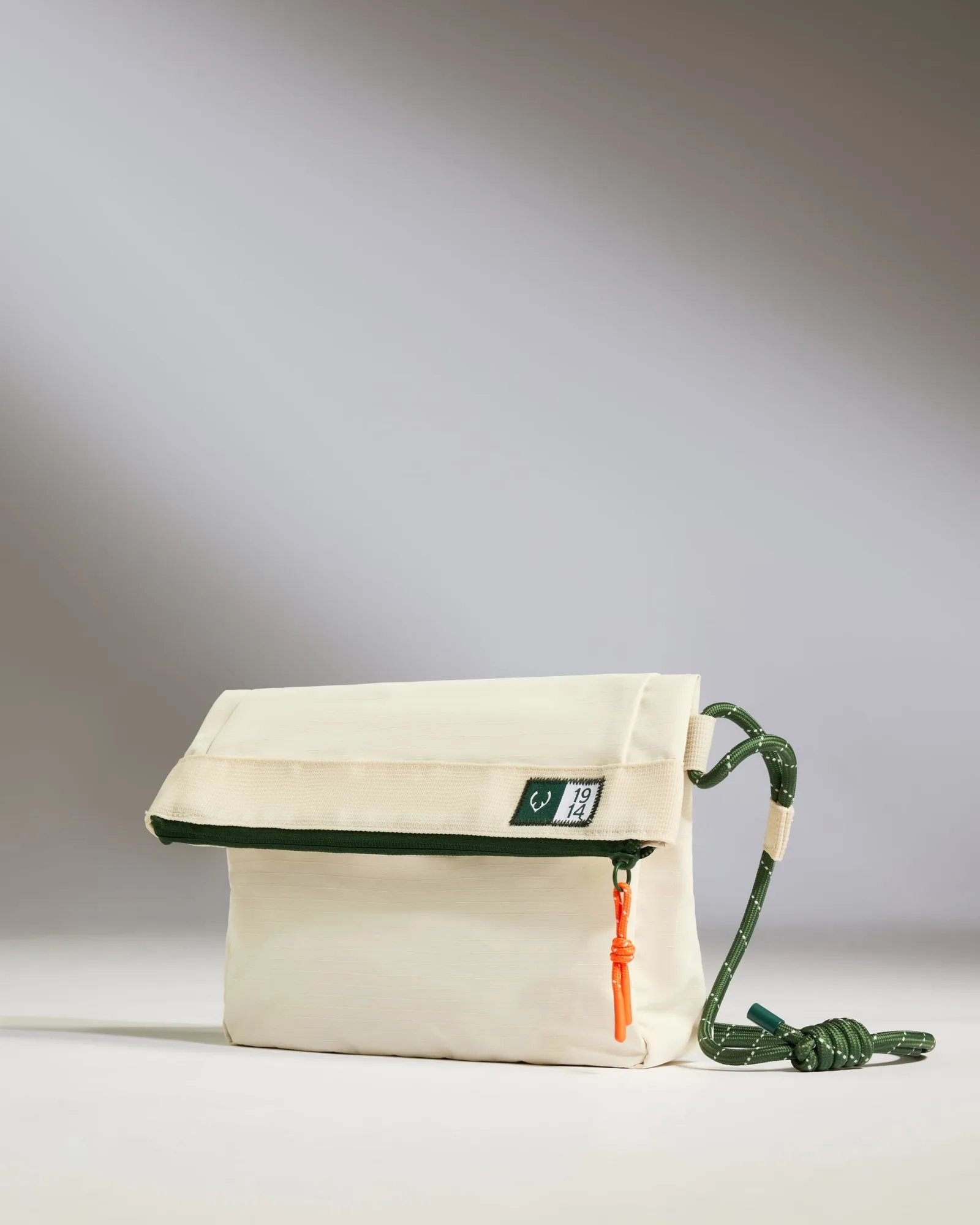
Essential Crossbody Bag in Stone
- Measure bottle diameter at the widest point, then add a little room for easy in-and-out.
- Check strap width and hardware thickness on your bag before choosing a mount.
- Prefer adjustable openings if the product page does not list a size range.
Attachment points: where a holder actually works
The best attachment point depends on how you move. For airport travel, a holder clipped to a backpack shoulder strap keeps the bottle accessible while your hands are full with a suitcase handle or boarding pass. For city walking, a belt-loop or crossbody attachment keeps the bottle from swinging. For office commutes, a pouch inside a tote keeps everything quiet and contained.
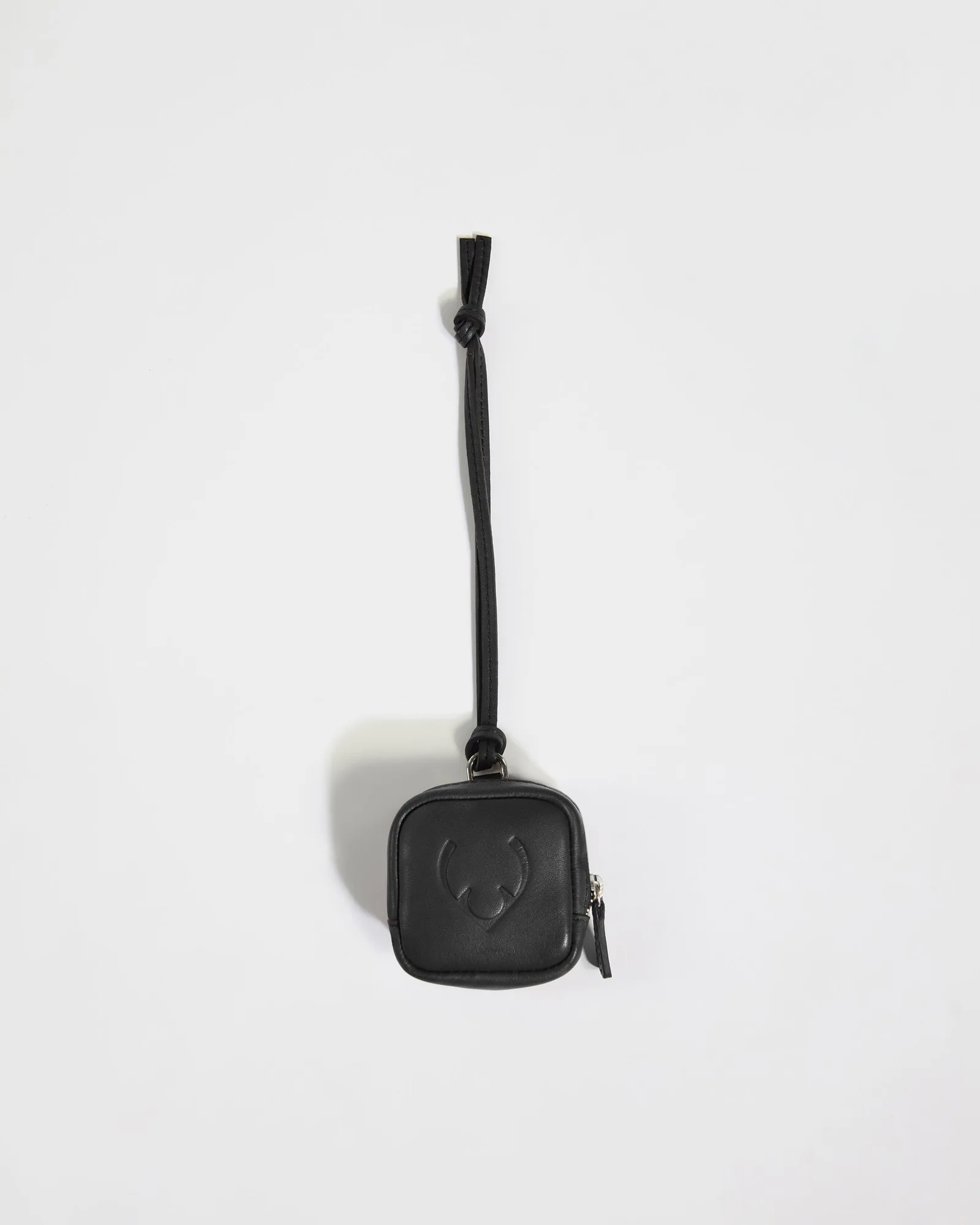
If you carry a leather AirPods case or a small pouch, avoid clipping a heavy bottle to the same loop. The Heritage Leather AirPods Case in Black has a removable lanyard that clips to a bag, suitcase, or keyring, but it is designed for small essentials like charging cables and coins, not a full water bottle. Keep heavy items on their own attachment point so nothing stretches or snaps.
- Use a dedicated loop or hardware point for a full bottle; do not share with small accessories.
- Test the setup with a full bottle before a trip, not an empty one.
- If the bottle swings, shorten the strap or switch to a strap-mounted sleeve.
When a holder is not the right answer
Not every trip needs a holder. If you carry a small crossbody with a spacious main pocket, a compact bottle may fit inside without rolling. The Essential Crossbody Bag in Stone has a spacious main pocket and a double-layered interior, which can hold a slim bottle alongside a phone and wallet. In that case, a separate holder adds weight for little benefit.
Similarly, if your bottle is collapsible or you only carry it between transport and hotel, a simple keyring or bag loop may be enough. A holder earns its place when you want hands free hydration for more than a few minutes at a time, or when your bag has no suitable pocket.
- Skip the holder if your bag already has a secure bottle pocket.
- Choose a holder if you walk or transit for long stretches with a full bottle.
- Reassess after one trip; if it stayed in your bag, you probably do not need it.
Decision rules for choosing a water bottle holder
- If you carry a backpack or travel bag: Choose a strap-mounted sleeve or a clip-on loop that fits your shoulder strap width. Check the strap width before buying; a sleeve that is too wide will slide. Strap-mounted is the most stable for walking and transit.
- If you carry a crossbody or tote: Choose a clip-on holder for bag hardware or a pouch that sits inside the main compartment. Avoid wide strap sleeves on thin cord straps. Clip-on or pouch keeps the bag's shape and your comfort intact.
- If you only need occasional hydration: Use a simple keyring or bag loop instead of a dedicated holder. A holder adds value mainly for long walks, commutes, or hands-full travel days. Buy the holder only if you will use it more than once a week.
- If your bottle is unusually wide or tall: Prioritize an adjustable or elastic opening. If the product page does not list a diameter range, treat it as a risk and look for a holder with a stated fit. Measure your bottle at its widest point before ordering.
Products that work with a bottle holder setup
- Discovery Keyring in Cedar Red: The Discovery Keyring keeps keys and essentials secure and within reach, whether clipped to your bag, bottle holder, or belt loop. It features the same chunky cord design with rubber-dipped ends for a tactile finish, and an extra keyring loop lets you attach additional belongings or charms. Use it as the clip-on base for a lightweight bottle holder, or to keep keys separate so your bottle attachment point stays free.
- Essential Crossbody Bag in Stone: Versatile, foldable, and adaptable, with a compact design that transforms into a longer silhouette or folds over. Made from durable 100% recycled ripstop material, with an adjustable cord strap and a spacious main pocket and double-layered interior. The adjustable cord strap is thin, so a pouch or clip-on holder works better than a wide strap-mounted sleeve. The main pocket can also hold a slim bottle without a separate holder.
- Heritage Leather AirPods Case in Black: Crafted from smooth leather and shaped like Antler's iconic suitcase silhouette, it holds even the largest AirPods or small essentials like charging cables and coins. The removable lanyard clips securely to a bag, suitcase, or keyring. Keep small tech and coins on this lanyard rather than sharing a loop with a heavy bottle, which can stretch or strain the attachment.
Who should choose which setup
Best for
- Travelers who want hands free hydration while pulling a suitcase or holding a boarding pass
- Commuters and day-trippers who walk or use transit with a full bottle for more than a few minutes
- Anyone whose bag lacks a secure bottle pocket and wants to stop a bottle rolling around
Not for
- People who carry a bag with a dedicated bottle pocket and rarely walk long distances
- Travelers who prefer a completely minimal setup and do not want an extra attachment
- Anyone using a very wide or irregular bottle without a holder that states a compatible size range
A water bottle holder is a small purchase that pays off when it matches your bottle and your bag. Measure first, choose the attachment style that suits how you move, and keep heavy bottles on their own loop. If your bag already carries a bottle well, save the money and pack lighter.