Quick answer
Both water flossers and traditional floss effectively remove plaque and improve gum health, but they work differently. Water flossers are easier for most people to use consistently and are gentler on gums, while traditional floss physically scrapes plaque from tooth surfaces. For most people, a water flosser is a practical and effective choice, especially if you have braces, implants, or sensitive gums.
When it comes to cleaning between your teeth, you have two main options: a water flosser or traditional string floss. Both can help remove food particles and plaque, but they do so in different ways. Understanding how each works can help you choose the tool that fits your lifestyle and oral health needs.
Water flossers use a pressurized stream of water to clean between teeth and along the gumline. Traditional floss uses a thin string to physically scrape plaque from tooth surfaces. Each method has its own strengths and limitations, and the best choice often depends on your specific dental situation and personal preferences.
How Water Flossers Work
Water flossers, also known as oral irrigators, shoot a focused stream of water that removes food debris and bacteria from between teeth and below the gumline. They are particularly effective at flushing out particles from hard-to-reach areas, such as around braces, bridges, and implants. Because they rely on water pressure rather than friction, they are generally gentler on gums, making them a good option for people with sensitive gums or periodontal issues.
One of the main advantages of water flossers is ease of use. Many people find them more comfortable and less time-consuming than traditional floss, which can lead to more consistent daily use. However, water flossers do not physically scrape plaque from tooth surfaces the way string floss does. Some dental professionals recommend using both for optimal plaque removal, but for many people, a water flosser alone is sufficient to maintain good oral hygiene.
How Traditional Floss Works
Traditional floss is a thin, flexible string that you slide between your teeth and curve around each tooth to remove plaque and food particles. The mechanical action of scraping the sides of your teeth is highly effective at removing the sticky biofilm that leads to cavities and gum disease. String floss is also inexpensive and portable, making it easy to use anywhere.
However, traditional floss requires a certain level of dexterity and technique. Many people find it awkward or uncomfortable, especially if they have tight contacts between teeth, braces, or limited hand mobility. Improper flossing can also cause gum irritation or bleeding. As a result, many people skip flossing altogether, which reduces its effectiveness in real-world use.
Comparing Effectiveness and Convenience
When comparing water flossers and traditional floss, it's important to consider both effectiveness and convenience. Studies have shown that both methods can reduce plaque and improve gum health when used correctly. Water flossers are particularly effective at reducing gingivitis and bleeding, while traditional floss excels at removing plaque from tight spaces.
Convenience is a major factor in long-term oral health. A water flosser is often easier to use, especially for people with braces, implants, or sensitive gums. It can also be integrated into your daily routine more easily, which means you're more likely to use it consistently. Traditional floss, on the other hand, is portable and requires no setup, but it demands more manual dexterity and technique.
- If you have braces or implants, a water flosser may be more effective at cleaning around hardware.
- If you have tight tooth contacts, traditional floss may be better at physically scraping plaque.
- If you struggle to floss regularly, a water flosser might help you build a more consistent habit.
Trade-offs at a glance
- Ease of use: Water flossers are generally easier to use, especially for people with braces, implants, or limited dexterity. Traditional floss requires more manual skill and can be awkward for some users. If convenience is your priority, a water flosser may lead to more consistent daily cleaning.
- Plaque removal: Traditional floss physically scrapes plaque from tooth surfaces, which can be more effective in tight spaces. Water flossers flush away debris but do not provide the same mechanical scraping. If you have tight tooth contacts, you may need traditional floss to fully remove plaque.
- Gum health: Water flossers are gentle on gums and can help reduce bleeding and inflammation. Traditional floss can irritate gums if not used correctly. If you have sensitive gums, a water flosser may be a more comfortable option.
Product facts and why they matter
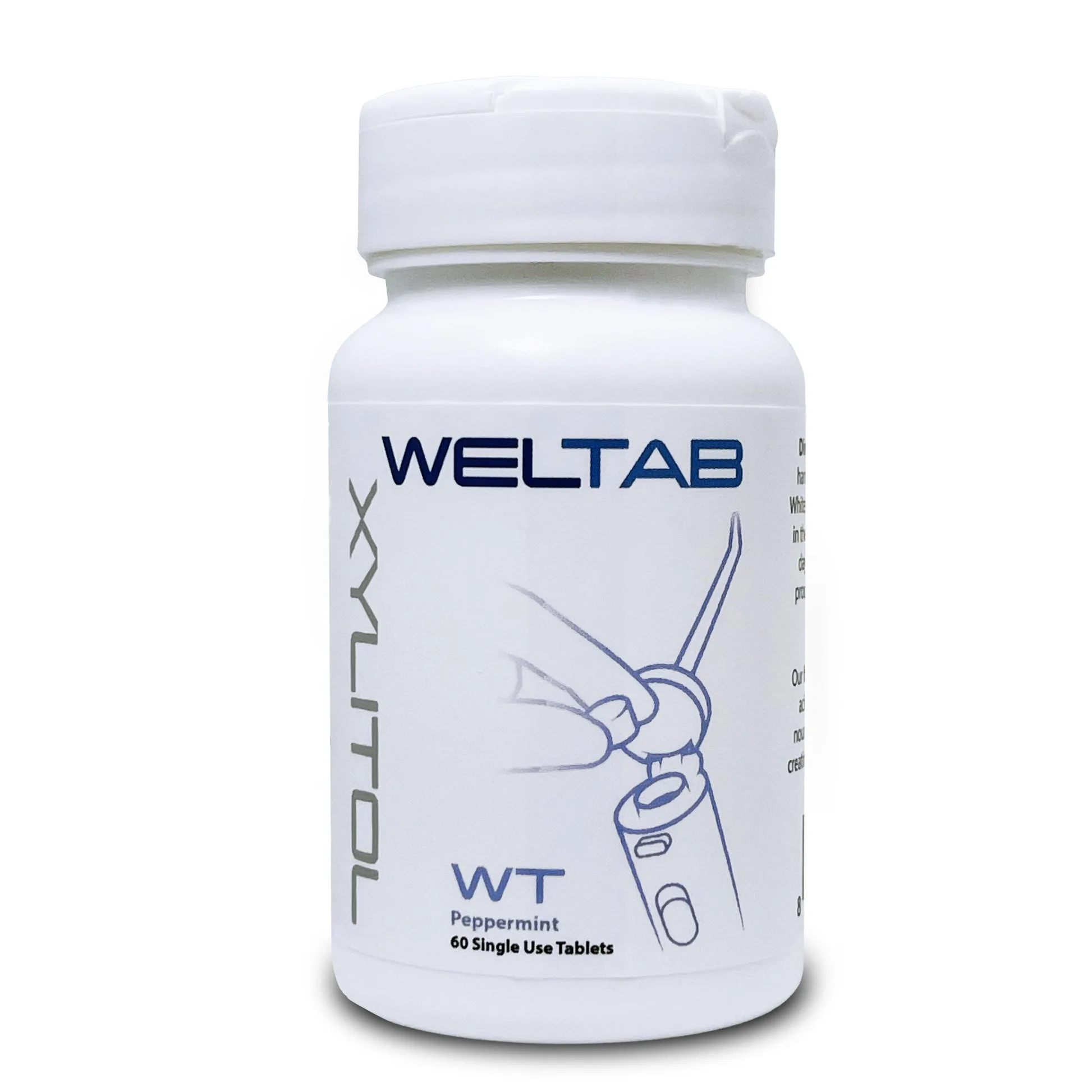
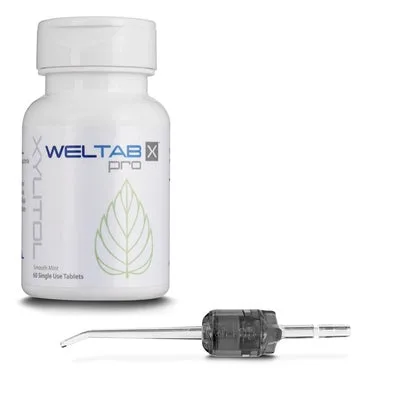
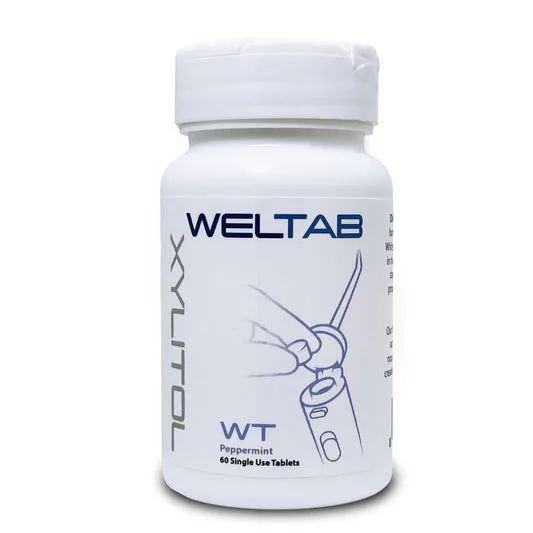
- https://weldentalebn.com/products/weltab-wt-water-flosser-tablets-compatible-with-waterpik-60-count-303003Weltab WT Water Flosser Tablets Compatible with Waterpik 60 Count: The Weltab WT Water Flosser Tablets offer a convenient way to enhance your oral care routine. This 60-count package provides a supply of tablets designed for use with Waterpik water flossers, helping you maintain a fresh and clean feeling between uses. Each package contains 60 tablets, providing a two-month supply when used daily. If you choose a water flosser, these tablets make it easy to keep your device fresh and your mouth feeling clean, which supports consistent use.
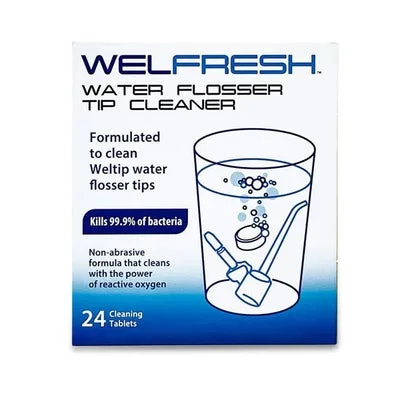
- Welfresh Water Flosser Tip Cleaner: Formulated to clean Weltip water flosser tips. How to use: Place Weltip in clean glass as shown on the box. Fill with hot water and place the tablet in the glass. Soak overnight. For best results, use once per week. Rinse well under running water. Regular cleaning of your water flosser tips prevents buildup and keeps your device hygienic, which is important for long-term oral health.
Which is right for you?
Best for
- People with braces, implants, or other dental hardware who need to clean around difficult areas.
- Individuals with sensitive gums who find traditional floss uncomfortable or irritating.
- Those who struggle to floss regularly and want a more convenient, easy-to-use option.
Not for
- People with very tight tooth contacts who need the physical scraping action of string floss to remove plaque effectively.
Both water flossers and traditional floss have a place in a good oral care routine. If you prioritize convenience and gum comfort, a water flosser is a solid choice. If you have tight spaces between teeth, you may still need traditional floss. Whichever you choose, the most important thing is to use it consistently. Pair your water flosser with products like Weltab WT tablets and Welfresh tip cleaner to keep your device fresh and effective.