Watercolor pencils are a versatile medium, blending the precision of colored pencils with the fluidity of watercolor paints. Whether you're a scale modeler adding subtle weathering effects or an artist sketching detailed illustrations, these pencils deserve proper care to maintain their performance. Without the right storage and handling, leads can break, cores can dry out, and colors can fade. In this guide, we'll walk you through practical steps to keep your watercolor pencils in excellent condition for years of use.
At Panda Hobby, we understand that quality art supplies are an investment. From our selection of AK Interactive pencils to essential tools, we want to help you get the most out of every product. Let's dive into the best practices for watercolor pencil care.
Understanding Watercolor Pencil Composition
Watercolor pencils are made from a water-soluble binder mixed with pigment. This binder is more sensitive to moisture and temperature changes than standard colored pencils. When exposed to high humidity, the core can soften, making it prone to breakage during sharpening. Conversely, extremely dry conditions can cause the wood casing to shrink and crack, leading to loose or broken leads. Understanding this composition helps you control the environment where you store your pencils.
For modelers, watercolor pencils are often used for precise panel line washes, chipping effects, or subtle shading. Brands like AK Interactive offer watercolor pencil sets designed specifically for model painting. These pencils are formulated to react well with water and acrylic paints, but they still require the same care as any artist-grade pencil.
- Store pencils in a stable environment with relative humidity between 40% and 60%.
- Avoid leaving pencils in direct sunlight or near heat sources like radiators.
Best Storage Practices for Watercolor Pencils
The golden rule of watercolor pencil storage is to keep them in a cool, dry place. A dedicated pencil case or a wooden box with individual slots is ideal. This prevents the pencils from rubbing against each other, which can transfer pigment or cause scratches. For added protection, consider using a case with a soft lining or foam inserts. If you store pencils in a drawer, use a compartmentalized tray to keep them organized.
Humidity control is critical. In humid climates, a silica gel packet inside your pencil case can absorb excess moisture. For long-term storage, avoid plastic bags, as they can trap condensation. Instead, use breathable fabric pouches or open trays. If you live in a very dry area, a small humidifier in your workspace can prevent the wood from drying out. Always keep your pencils away from windows, bathrooms, and kitchens.
- Use a pencil case with individual slots to prevent pigment transfer.
- Add silica gel packets to your storage case in humid environments.
Sharpening Techniques That Extend Pencil Life
Sharpening is one of the most common causes of pencil waste. Watercolor pencils have a softer core, so using a sharpener with a sharp blade is essential. Dull blades can crush the core, causing it to break inside the sharpener. Invest in a high-quality metal sharpener or a craft knife for precise control. When using a craft knife, shave the wood away gently, exposing the core without putting pressure on the tip.
For modelers who need fine points for detail work, sharpen your pencil just before use. Avoid sharpening too aggressively, as this can shorten the pencil's life. If you're using AK Interactive watercolor pencils, note that they are slightly softer than standard pencils, so a light touch is key. Always clean the sharpener after each use to prevent pigment buildup, which can dull the blade.
- Replace your sharpener blade regularly to avoid crushing the core.
- For fine points, use a craft knife instead of a sharpener.
Humidity and Temperature: The Silent Enemies
Watercolor pencils are sensitive to extreme fluctuations in humidity and temperature. High humidity can cause the water-soluble binder to swell, making the core soft and brittle. Low humidity can dry out the wood, causing it to shrink and crack. The ideal storage temperature is between 60°F and 75°F (15°C to 24°C). Avoid storing pencils in attics, basements, or garages where temperature swings are common.
If you travel with your pencils, use a hard case with a sealable lid. For short trips, a padded pencil roll is sufficient. When transporting during winter, let the pencils acclimate to room temperature before opening the case to prevent condensation. For modelers who use pencils at shows or competitions, consider a portable case with a built-in hygrometer to monitor conditions.
- Monitor humidity with a small hygrometer in your storage area.
- Let pencils adjust to room temperature after travel before using.
Cleaning and Maintaining Your Pencils
Over time, watercolor pencils can accumulate dust, pigment residue, or even mold if stored improperly. To clean them, gently wipe the exterior with a soft, dry cloth. If the wood casing becomes sticky, use a slightly damp cloth and dry immediately. Never soak the pencils. For the tips, if they become contaminated with other colors, sharpen them lightly to expose fresh pigment.
For modelers using watercolor pencils for weathering, it's common to have pigment transfer between colors. To prevent this, store pencils tip-up in a cup or with caps on. Some brands offer individual pencil caps, which are worth the investment. AK Interactive pencils often come in sets with a sturdy box, but if you buy singles, consider adding caps to protect the tips.
- Wipe pencils with a dry cloth to remove dust and residue.
- Use pencil caps to prevent tip damage and color transfer.
Organizing Your Watercolor Pencil Collection
A well-organized collection not only saves time but also protects your pencils. Group pencils by color family or by brand. For example, keep your AK Interactive watercolor pencils separate from other brands to avoid confusion in pigment composition. Use a labeled storage system, such as a drawer with dividers or a binder with pencil sleeves. This makes it easy to find the right shade without rummaging.
If you have a large collection, consider a rotating carousel or a wall-mounted rack. These keep pencils visible and accessible while reducing the risk of drops. For modelers, a compact case that fits in your workspace is ideal. Avoid overcrowding, as pencils can rub against each other and transfer pigment. A little space between each pencil goes a long way in maintaining their condition.
- Label storage compartments by color family for quick access.
- Avoid overcrowding to prevent pigment transfer and scratches.
Common Mistakes to Avoid
Many artists and modelers unknowingly shorten the life of their watercolor pencils. One common mistake is storing them in a pencil case with other art supplies like erasers or charcoal, which can create dust that clogs the pencil pores. Another is leaving pencils uncapped in a drawer, where they can roll and break. Also, avoid using a mechanical sharpener with a plastic housing, as it can crack and damage the pencil.
Another mistake is using watercolor pencils on wet paper without testing first. The moisture can cause the core to soften and wear down faster. Always test on a scrap piece first. Finally, don't forget to clean your workspace regularly. Dust and debris can scratch the pencil surface and affect the wood casing. For modelers, using a dedicated desk mat can help keep pencils clean.
- Never store watercolor pencils with charcoal or pastels.
- Test pencils on scrap paper before using on your final piece.
Proper watercolor pencil care is simple but essential for maintaining their vibrant colors and smooth application. By controlling humidity, using the right sharpening techniques, and organizing your collection, you can enjoy your art supplies for many projects. At Panda Hobby, we carry a range of AK Interactive watercolor pencils and accessories to help you get started. Explore our selection of AK11181 Gen-3 Dark Blue 17ml and other paints and pencils to complement your watercolor work. Happy creating!
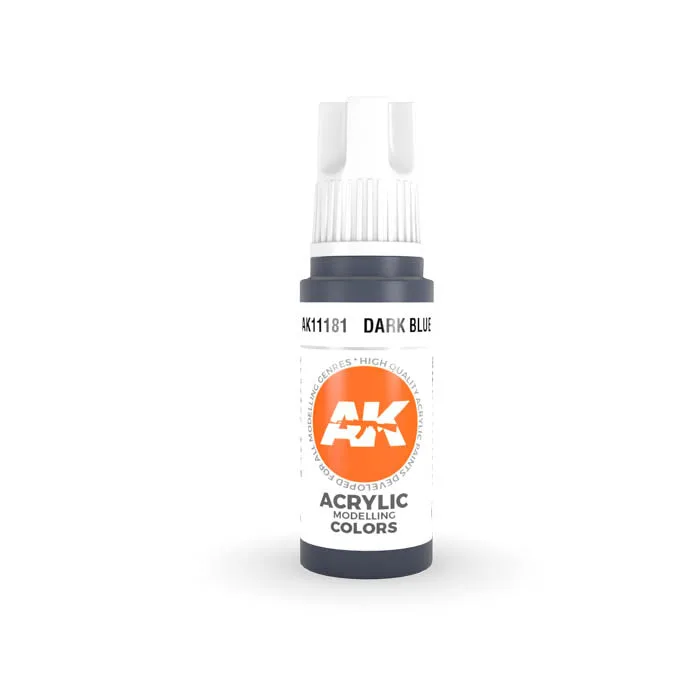
AK11181 Gen-3 Dark Blue 17ml