Quick answer
Rubber rain boots crack because of heat, sunlight, and chemicals—not because of rainwater. Rinse them after every muddy wear, dry them away from radiators and direct sun, and store them upright with support so the rubber doesn't fold and split. That routine takes a few minutes and prevents most cracking.
Why rubber boots crack (and what doesn't cause it)
Rubber and PVC are flexible because they contain oils and plasticizers that keep the material soft. Heat, UV light, ozone, and repeated contact with solvents strip those compounds out. The rubber then hardens, develops fine surface lines, and eventually splits at flex points like the toe crease or ankle. Rain itself is not the enemy—wet boots that dry slowly in a hot, bright place are. Cold is generally less damaging than heat, but frozen rubber becomes brittle, so don't leave boots outside in freezing weather. If a crack is already deep enough to let water through, no care routine will seal it reliably; that boot is done.
Set up a two-minute post-wear routine
The single biggest mistake is putting boots away wet and dirty. Grit left on the surface acts like sandpaper inside the flex zone, and trapped moisture keeps the rubber soft in the wrong way. Keep a soft brush and a microfiber cloth near your door. Rinse with cool or lukewarm water—never hot—brush off mud, and wipe the surface. If your boots have a textile lining, stuff them loosely with newspaper or a boot tree so air can move through. Never dry rubber boots on a radiator, in a hot car, or with a hairdryer; all three accelerate cracking.
microfiber cloth
Store them so the rubber can relax
Boot storage tips matter more than most people expect. Store rain boots upright in a cool, dark, dry place—a closet floor or mudroom shelf is fine, a sunny windowsill is not. Avoid hanging them by the back loop for months, because the rubber stretches and thins at that point. If you stack boots, put the heavier pair on the bottom and don't crush the shafts. For long-term storage, keep the shafts upright with rolled magazines or boot shapers, and leave a little breathing room between pairs. If you store boots in a sealed plastic bin, open it occasionally; trapped humidity and heat are a bad combination for rubber.
What to do when the surface starts to look dull
A chalky, dull film on rubber is usually blooming—additives migrating to the surface—not a crack. Wipe it off with a damp cloth and a drop of mild soap. Don't use petroleum-based products, harsh detergents, or abrasive pads; they remove the protective compounds that keep rubber supple. A dedicated rubber conditioner or a thin coat of silicone-free protectant can help, but check the boot maker's guidance first. If the rubber feels stiff and shows fine lines at the flex point, that's an early warning: clean, dry, and store more carefully from that point on.
Match your care to the rest of your rain kit
Boots rarely fail alone. The same heat-and-sun logic applies to waterproof outerwear and bags, so keep your whole rain setup out of hot cars and direct sun. If you're layering for wet commutes, a lightweight long sleeve under a rain jacket-male-05a2e3cd05f2c3d9dca274e5-781567">jacket keeps you comfortable without adding bulk. And when you're choosing what to wear on a wet day, remember that a long rain jacket sheds water away from your boots, reducing how much mud and spray reaches the uppers in the first place.
Step-by-step: keep rain boots from cracking
- Rinse after every wear: Use cool or lukewarm water and a soft brush to remove mud, salt, and grit from the whole boot, including the tread and the flex crease at the toe. Checkpoint: no visible dirt left in the crease—that's where cracks start.
- Dry away from heat and sun: Air-dry at room temperature with the boots upright and the openings exposed. Stuff with newspaper or a boot tree if the lining is damp. Mistake to avoid: radiators, hairdryers, and hot cars harden rubber fast.
- Condition dull rubber: If the surface looks chalky, wipe it with mild soap and water, then apply a rubber-safe conditioner if the maker recommends one. Skip petroleum-based products and abrasive pads—they strip the rubber.
- Store upright and supported: Keep boots in a cool, dark, dry spot with shafts upright using boot shapers or rolled magazines. Don't hang them by the back loop for months. Checkpoint: boots hold their shape and don't fold at the ankle.
- Inspect flex points monthly: Look for fine surface lines at the toe crease and ankle. If you see them, clean, dry, and store more carefully; if water gets through, replace the pair. Early lines are a warning, not a failure—act before they split.
Rain gear that pairs with good boot care
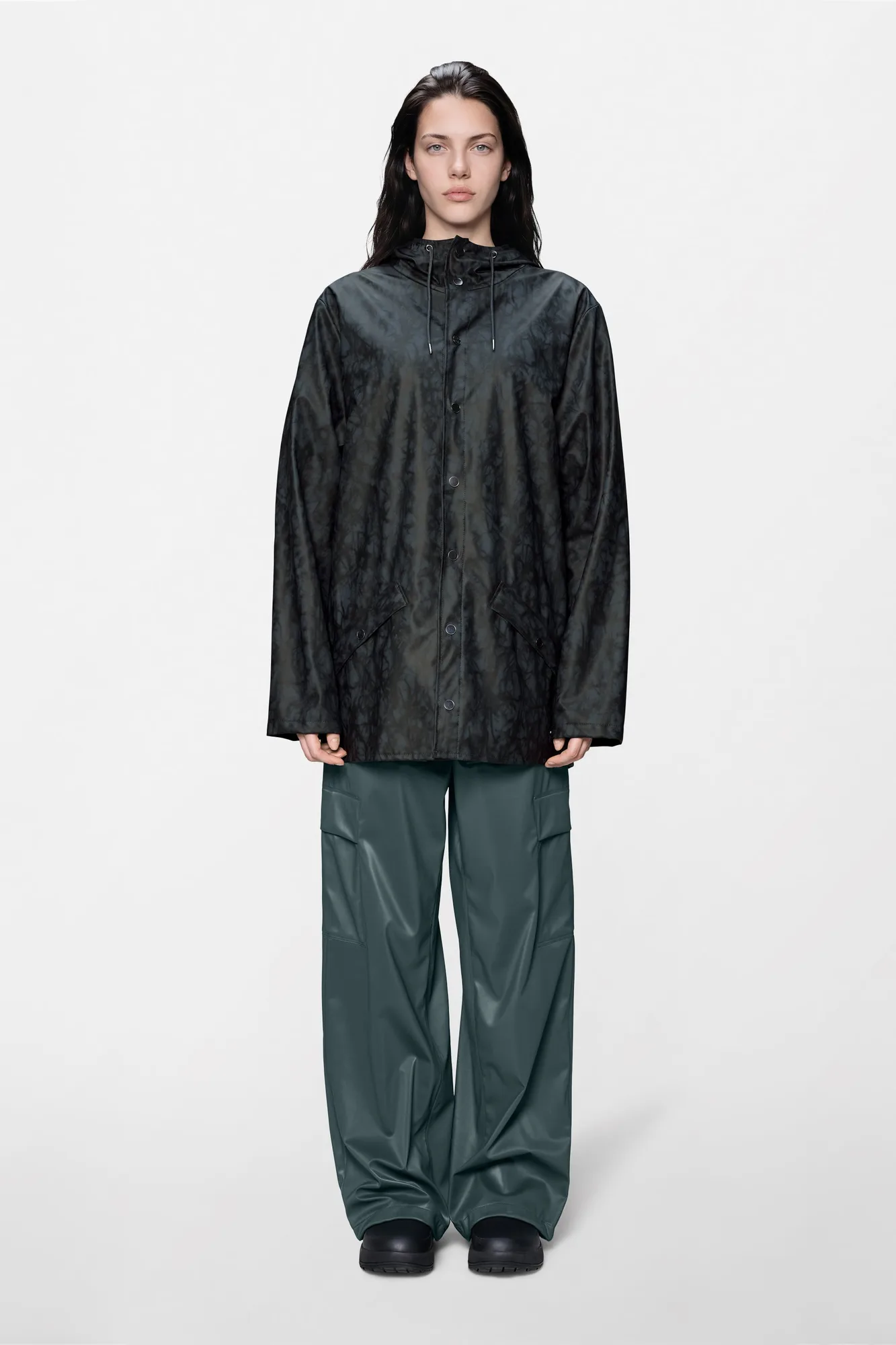
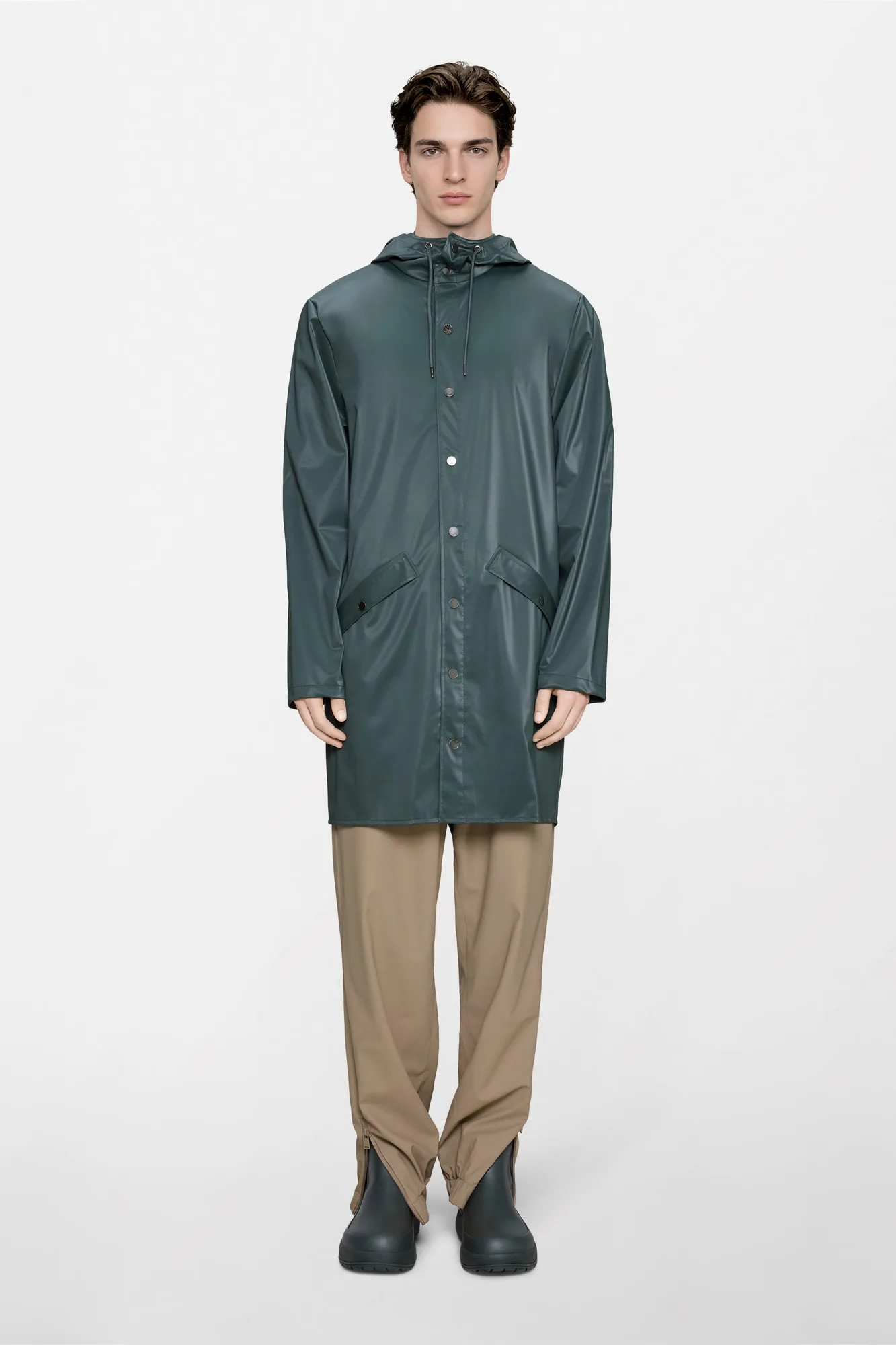
- Long Jacket: Long Jacket is an ever-contemporary unisex rain jacket characterized by a minimal silhouette in a long design, with a placket with snap fastenings for closure, a hood with built-in cap, and two side pockets with snaps. A longer cut covers more of the leg, so less road spray and mud reaches your boots—one less thing to clean off after a wet commute.
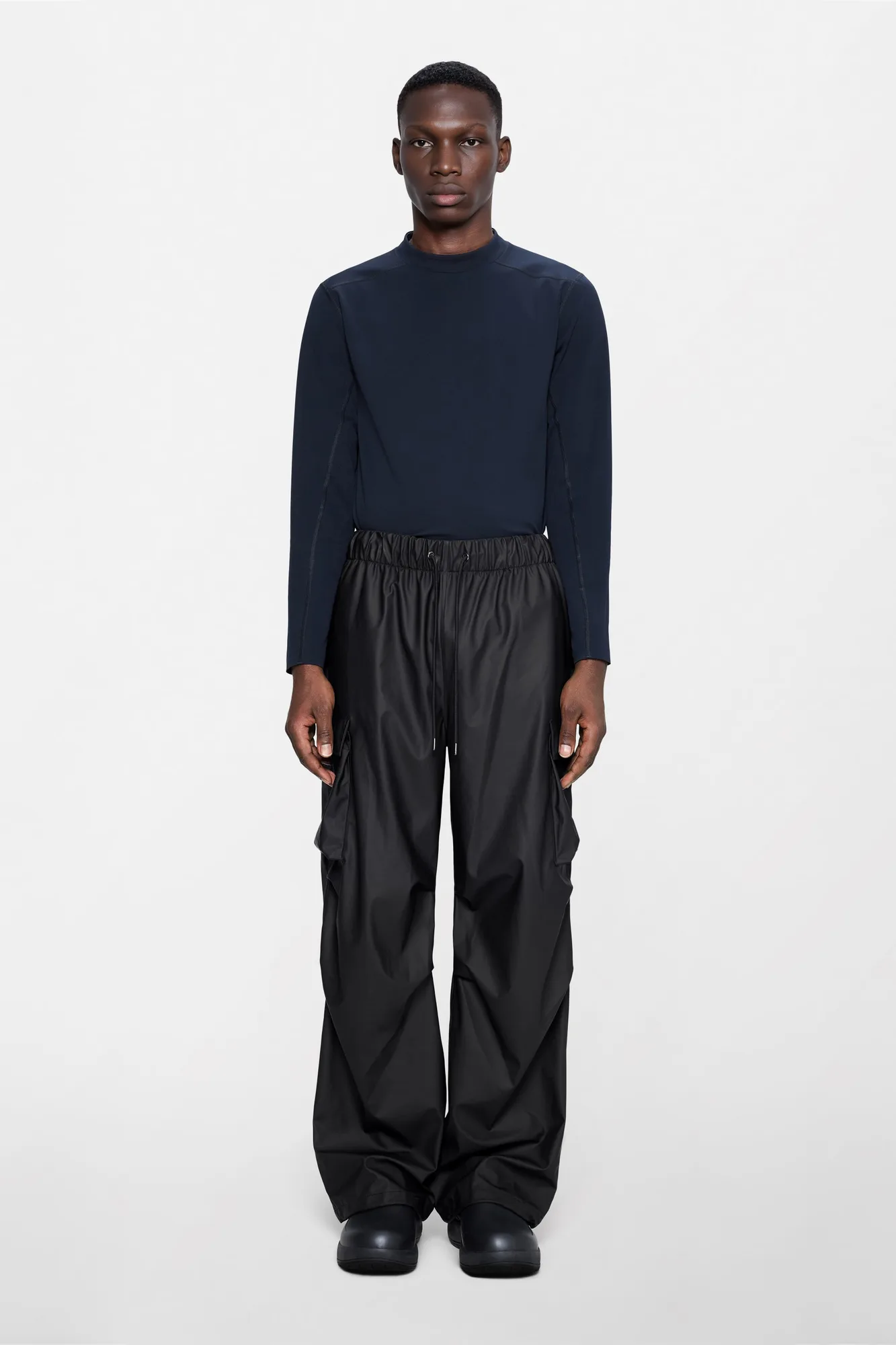
- Pocket Rain Pants Wide: Pocket Rain Pants Wide deliver bold proportions and elevated function for lightweight protection from sudden showers, with an elastic string at the leg hem to tailor the silhouette. Adjustable hems let you cinch the pants over or above your boots, keeping water out of the boot opening without trapping heat.
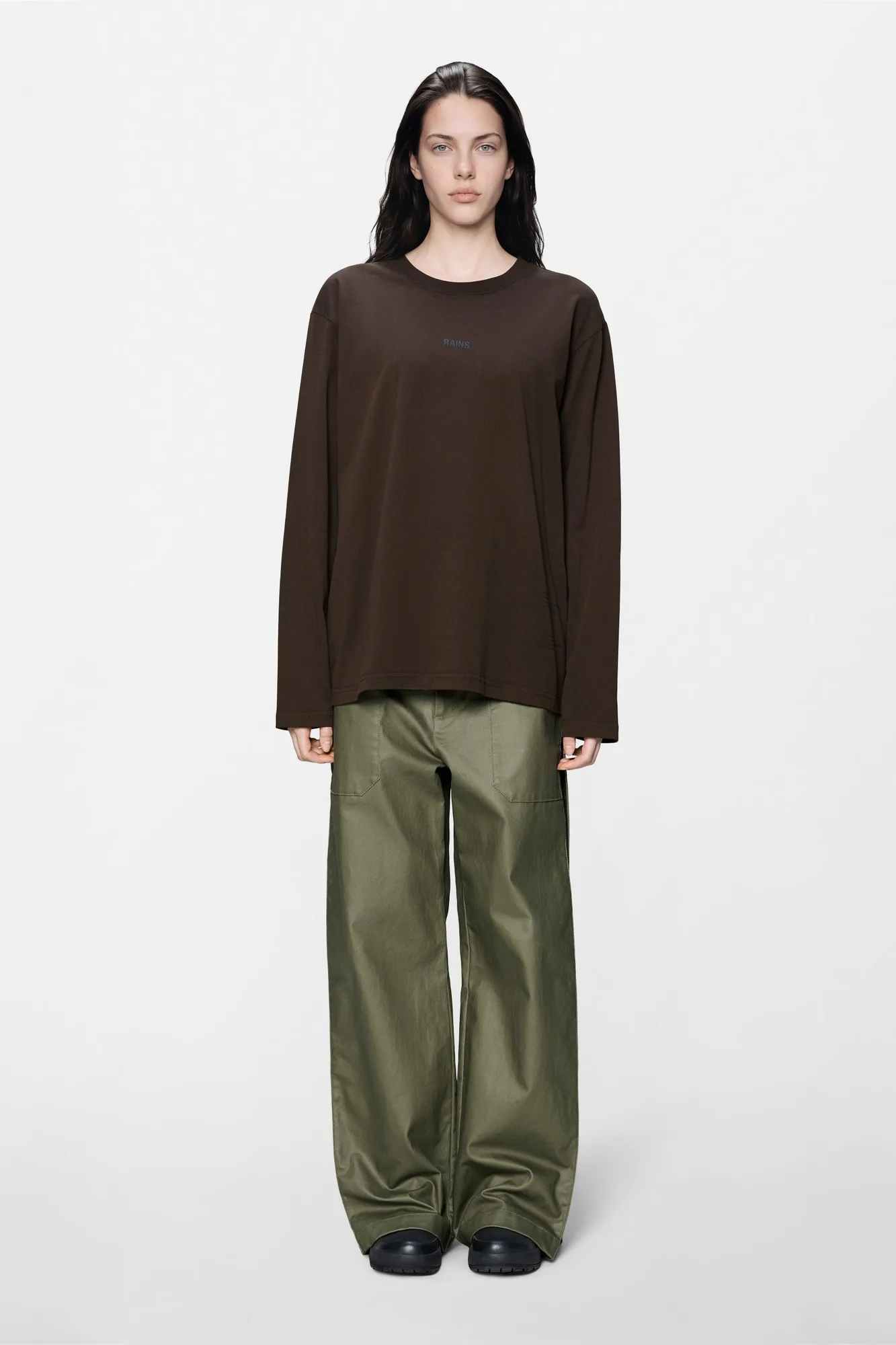
- Classic Long Sleeve T-shirt Rains: Classic Long Sleeve T-shirt Rains is cut from organic cotton with a simple, relaxed fit—ideal for everyday wear and easy layering. A breathable base layer under waterproof outerwear keeps you comfortable on wet days, so you're not tempted to overdress and overheat.