Quick answer
A waterproof nursing pillow slipcover with an integrated liner protects your pillow from spit-up and leaks while staying easy to wash. Look for a snug fit and machine-washable fabric.
Why an integrated liner beats a separate cover
A slipcover with a built-in waterproof liner eliminates the extra step of putting on a separate protector. It also reduces bulk, so the cover still fits smoothly over your nursing pillow.
Without an integrated liner, moisture can seep through a standard cover and reach the pillow foam. Over time, that can cause odors or degrade the foam.
What to look for in the fabric
The outer fabric should be soft against your baby’s skin, while the inner waterproof layer blocks liquids. Many covers use a cotton-polyester blend for comfort and durability.
Check that the cover is machine-washable and can be tumble-dried on low. Avoid covers that require air-drying only, as they take longer to reuse after a spill.
Decision rules for choosing a waterproof slipcover
- Check the liner type: Look for an integrated waterproof liner sewn into the cover, not a separate layer that can shift or bunch up. Integrated liners stay in place and provide consistent protection.
- Confirm the fit: Measure your nursing pillow’s dimensions or check the product description for model compatibility. A loose cover can wrinkle and reduce waterproof effectiveness.
- Prioritize easy care: Choose a slipcover that is machine-washable and dryer-safe. Frequent washing is common during the newborn stage, so convenience matters. A cover that washes and dries quickly means less downtime.
Product highlights
-
New & Improved Twin & Plus Nursing Pillow Slipcover with Integrated Waterproof Liner: This slipcover has an integrated waterproof liner and is designed for My Brest Friend nursing pillows. You get two-in-one protection without adding bulk, and it’s machine-washable for quick cleanup after spit-ups or leaks.
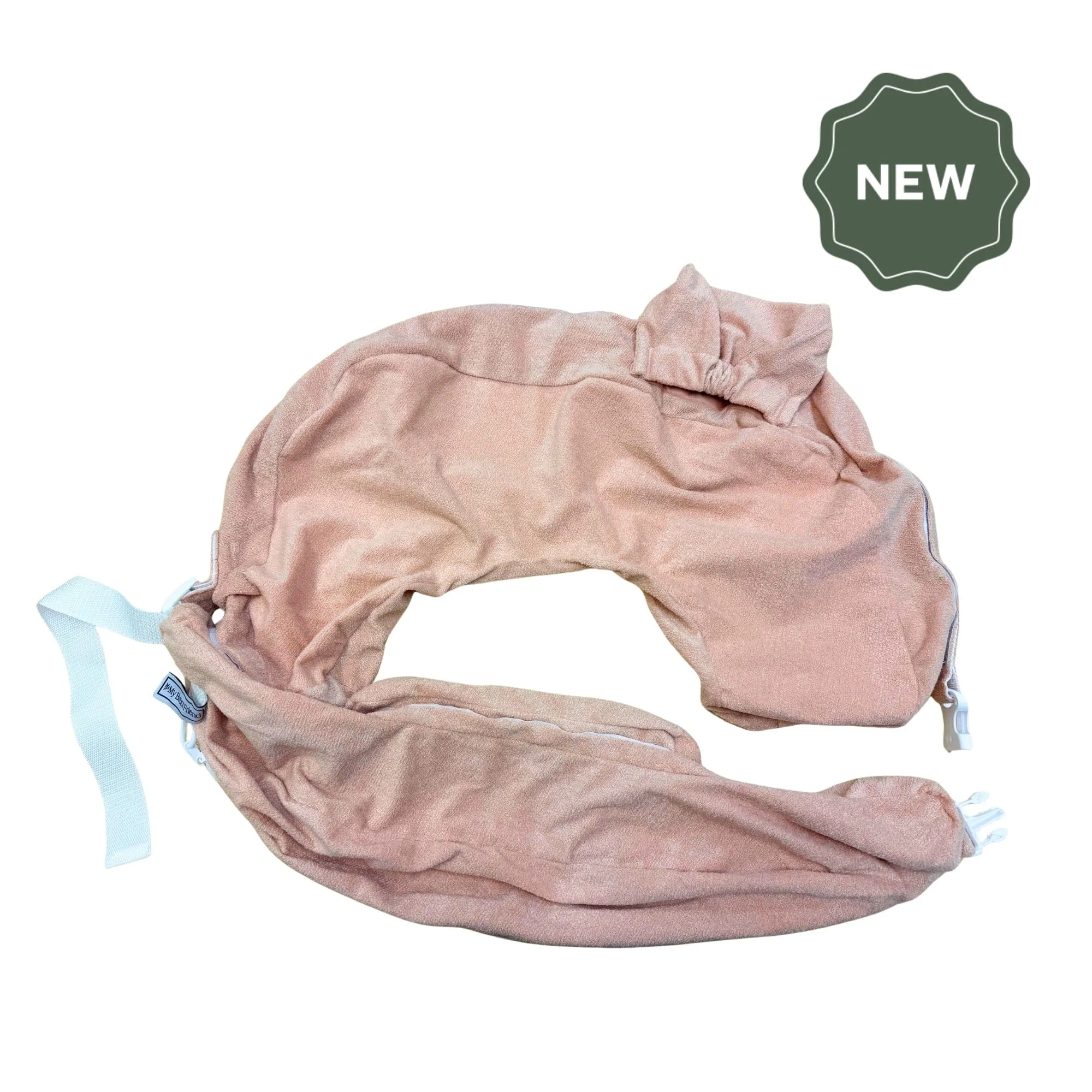
New & Improved Twin & Plus Nursing Pillow Slipcover with Integrated Waterproof Liner
Who should buy this
Best for
- Moms who want a single cover that protects against spills and is easy to clean
- Parents who prefer a slipcover with built-in waterproofing rather than a separate protector
Not for
- Those who only need a decorative cover without waterproof features
- Moms who already own a waterproof pillow protector and just want a soft outer cover