Quick Answer
For sensitive skin, sugaring is often the gentler choice because the paste adheres only to the hair, not the live skin cells, which can reduce irritation. However, waxing can still work well if you have coarse hair and can handle a bit more pull. Your final pick depends on your hair type, pain tolerance, and how your skin reacted to past hair removal methods.
If you have sensitive skin, choosing between waxing and sugaring can feel like a gamble. Both remove hair from the root and leave skin smooth for weeks, but they differ in how they grip the hair, the temperature of the product, and how they affect reactive skin. Understanding those differences helps you avoid redness, bumps, and ingrown hairs.
This guide breaks down the key trade-offs, gives you clear decision rules, and includes aftercare tips so you can walk into your appointment with confidence. We'll also point you to spa treatments that can prep or soothe sensitive skin before and after hair removal.
How Waxing and Sugaring Differ
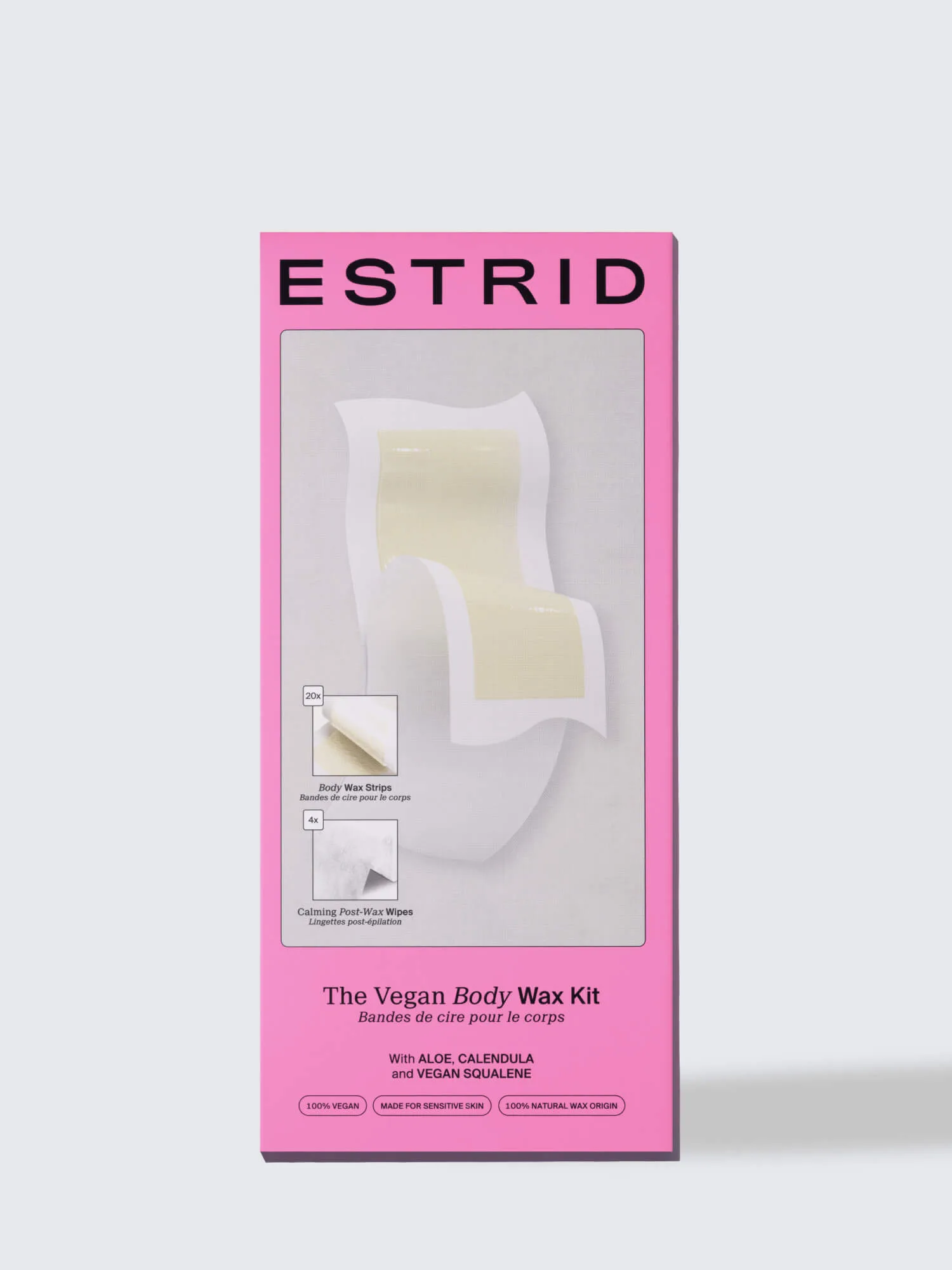
Waxing uses a resin-based product that is applied warm and removed with cloth or paper strips. Because wax adheres to both the hair and the top layer of dead skin cells, it can be more effective on very fine or short hair, but it also exfoliates the skin more aggressively. For sensitive skin, this extra exfoliation can sometimes cause redness or micro-tears, especially if the wax is too hot or the skin is already compromised.
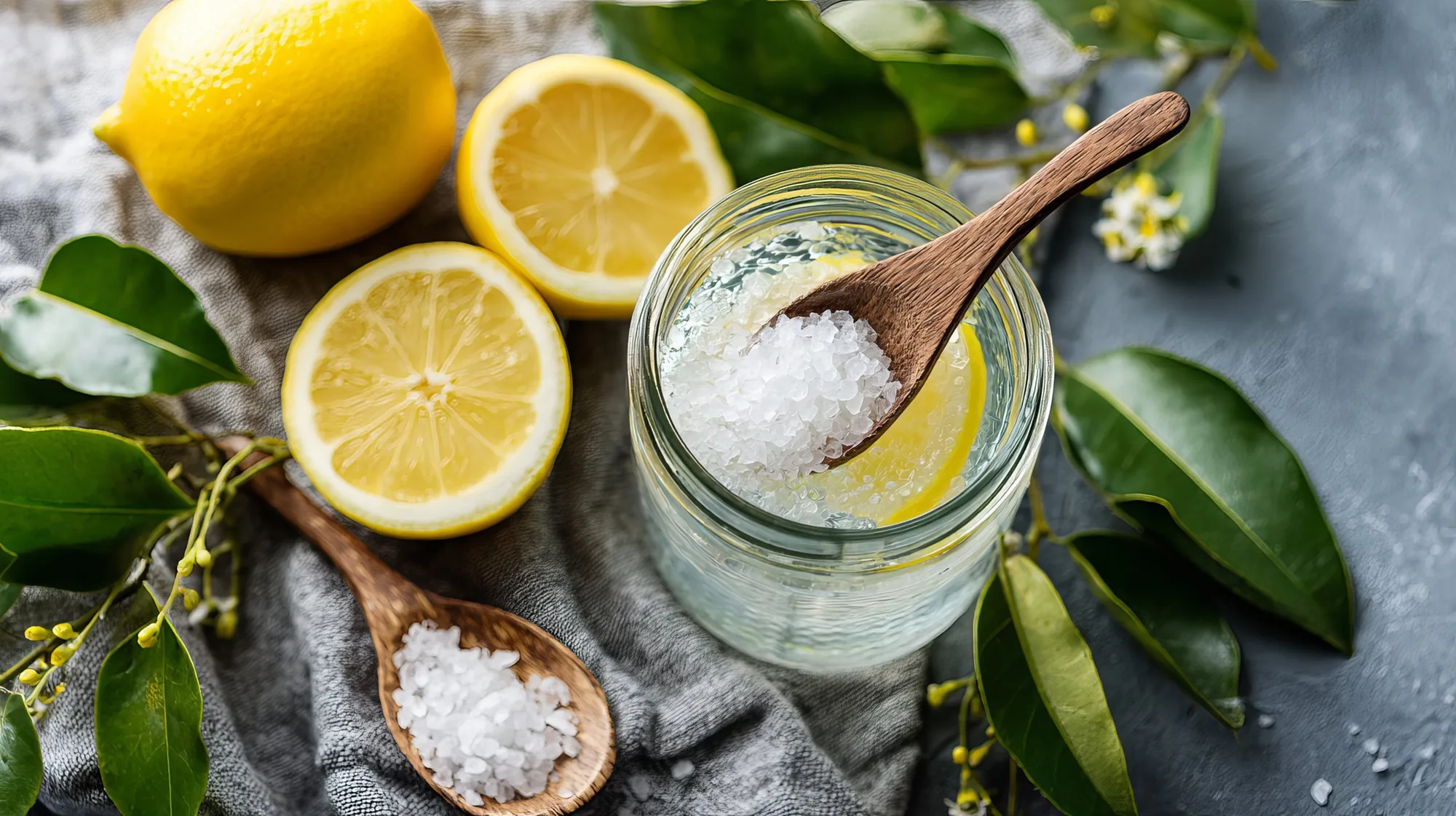
Sugaring uses a paste made from sugar, lemon, and water. It is applied at body temperature, which reduces the risk of burns. The paste is pressed against the hair and then flicked off in the direction of hair growth, which means it grips the hair without pulling on live skin cells. This makes sugaring a popular option for people with reactive skin, rosacea, or a history of irritation from waxing.
- Sugaring paste is water-soluble, making cleanup easier if any residue remains.
- Waxing can be faster on large areas like legs, while sugaring may be better for smaller, sensitive zones like the face or bikini line.
Skin Type and Hair Texture Considerations
Your hair texture matters more than you might think. Coarse, thick hair can be stubborn. Waxing's stronger grip often removes coarse hair more efficiently, which is why many people with thick leg or underarm hair prefer it. Sugaring can still remove coarse hair, but it may require a few passes, which could increase the chance of breakage or ingrown hairs if the hair snaps off below the surface.
If your skin is prone to redness, breakouts, or conditions like eczema or psoriasis, sugaring's gentler adhesion is usually a safer bet. The lower temperature and lack of cloth strips reduce friction and heat, which are common triggers for flare-ups. On the other hand, if your skin is only mildly sensitive and you have fine hair, waxing can be perfectly comfortable and give you a longer-lasting result because it can grab shorter hairs.
- If you have a history of broken capillaries or easy bruising, opt for sugaring to minimize trauma to the skin.
- For very sensitive facial skin, ask your esthetician for a patch test before a full treatment.
Pain, Aftercare, and Ingrown Hairs
Pain tolerance is subjective, but many people find sugaring less painful because the paste is pulled in the direction of hair growth, which puts less stress on the follicle. Waxing, which is removed against the direction of growth, can feel sharper. If you dread the rip of a wax strip, sugaring may be a more comfortable experience, especially on areas like the upper lip or bikini line.
Aftercare is similar for both methods: avoid heat, tight clothing, and heavy exfoliation for at least 24 hours. However, sugaring leaves the skin slightly less stripped, so it may recover faster. To soothe sensitive skin and prevent ingrown hairs, you can incorporate gentle exfoliation and moisturizing into your routine a few days after your appointment.
- Apply a fragrance-free moisturizer or aloe vera gel after hair removal to calm the skin.
- Wear loose clothing for the rest of the day to reduce friction and irritation.
Decision Rules: Choose Based on These Factors
- Hair texture: If your hair is coarse and thick, waxing may give a more efficient removal. If your hair is fine or medium, sugaring can be just as effective with less irritation. Coarse hair → wax; fine/medium hair → sugar.
- Pain tolerance: Sugaring is generally less painful because it pulls in the direction of hair growth. Waxing has a sharper pull against the growth direction. Low pain tolerance → sugaring; can handle a sharp pull → waxing.
- Skin reactivity: If your skin turns red easily, breaks out, or has conditions like eczema, sugaring is gentler on the skin barrier. Waxing exfoliates more and can be too harsh for reactive skin. Easily irritated skin → sugaring; resilient skin → either works.
- Hair length: Waxing can grab shorter hairs, so it may be better if you've let hair grow only a little. Sugaring needs a bit more length (about 1/8 inch) to grip properly. Short regrowth → wax; longer regrowth → sugar.
- Aftercare commitment: Both methods require similar aftercare, but sugaring may recover faster. If you have time for a gentle exfoliation routine a few days later, you can prevent ingrown hairs with either method. Both need aftercare; sugaring may be easier on sensitive skin.
Spa Treatments That Support Sensitive Skin
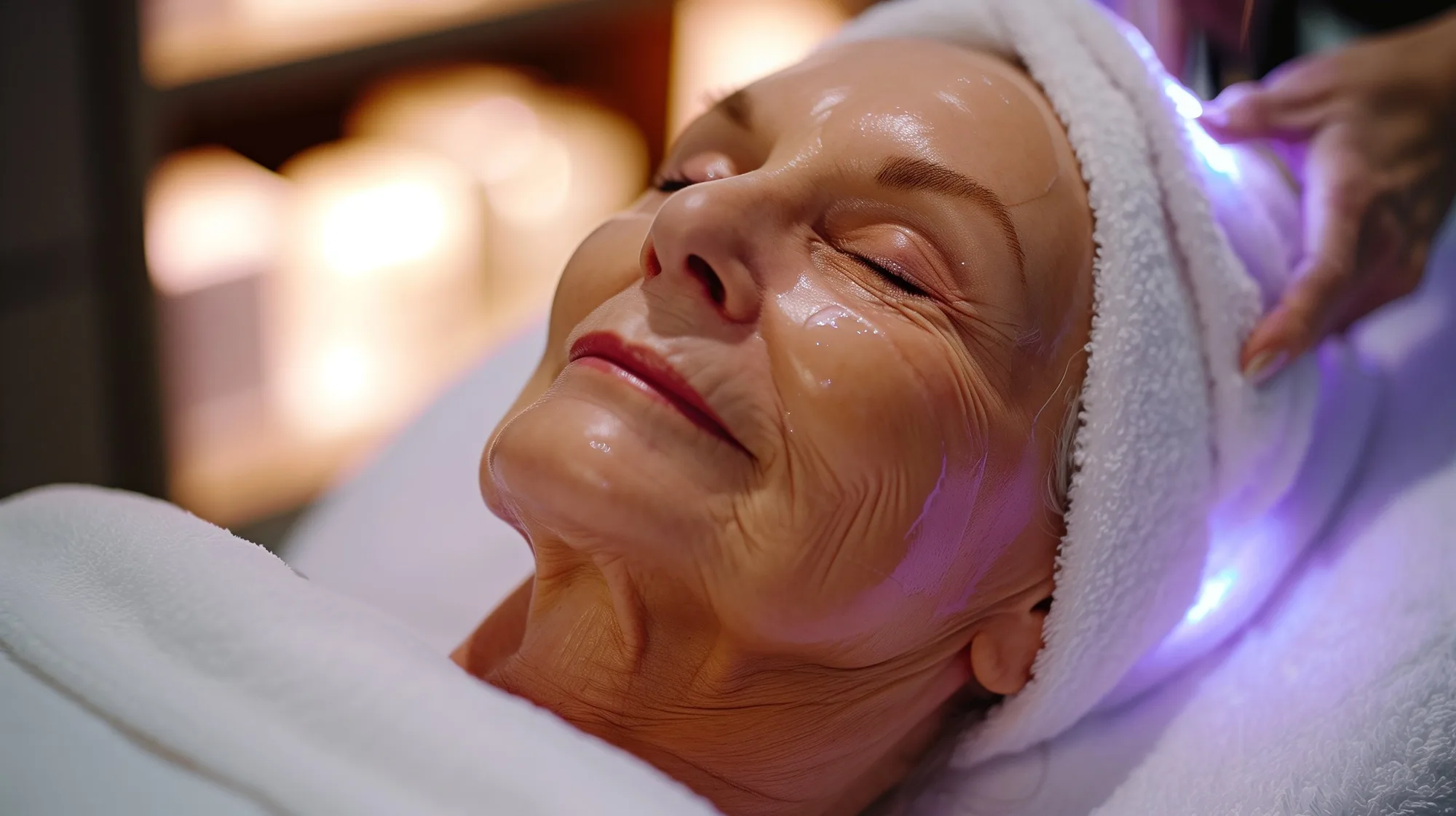
- AGE DEFY & CLEAR: Combines glycolic & lactic acids to exfoliate surface cells, reduce irritation, & hydrate the skin. Minimizes the appearance of surface lines, smooths out rough skin texture, & helps fade hyperpigmentation. If you have sensitive skin and struggle with post-wax or post-sugar irritation, this treatment can help calm the skin and smooth texture. The gentle acids exfoliate without harsh scrubbing, which is a good option a few days after hair removal.
- Lemon Mimosa Body Treatment: This invigorating body scrub and massage exfoliates with micronized walnut shells and softens skin with Mimosa and Bamboo extracts. Bright citrus and floral aromas enhance relaxation, while a full-body moisture treatment hydrates and detoxifies. Exfoliating before hair removal can help prevent ingrown hairs. This body treatment is a luxurious way to prep your skin, but avoid it immediately after waxing or sugaring—wait a few days to let your skin settle.
Who Should Choose What
Best for
- Sugaring is best for people with reactive skin, a low pain tolerance, or a history of irritation from waxing.
- Waxing is best for those with coarse hair, minimal skin sensitivity, and a desire for a faster treatment on large areas.
Not ideal for
- Sugaring may not be ideal if you have very short hair (less than 1/8 inch) or if you prefer a method that can grab extremely fine hairs.
- Waxing is not ideal if you have easily irritated skin, rosacea, or a low pain tolerance.
Choosing between waxing and sugaring for sensitive skin comes down to your hair type, pain tolerance, and how your skin reacts. Sugaring is often the gentler route, but waxing can still be a good option for coarse hair. Whichever you pick, always do a patch test, communicate with your esthetician, and follow aftercare to keep your skin calm and smooth. If you're unsure, book a consultation to discuss your skin's needs.