Quick Answer
Choose sugaring if you have sensitive skin, fine to medium hair, or you want a gentler pull that is less likely to irritate. Choose waxing if your hair is coarse, dense, or grows in many directions, because wax grips stubborn growth more reliably. For beginners, start with the method that matches your hair texture first, then adjust based on how your skin reacts.
Start With Hair Texture, Not Brand Loyalty
The single biggest predictor of a good result is how your hair grows, not which method is trending. Coarse, tightly packed hair needs a method that can grip and remove many strands at once. Fine or sparse hair can be removed with less force, which opens the door to gentler options.
If you have coarse hair, waxing is generally the more reliable choice because the resin adheres firmly to thick strands and removes them from the root. If your hair is fine or medium, sugaring can be enough and may feel less aggressive on the skin.
Match the Method to Your Skin's Sensitivity
Sensitive skin reacts to heat, fragrance, and repeated pulling. Sugaring paste is applied at a lower temperature and is often formulated with fewer added ingredients, which is why it is frequently recommended for reactive skin. Waxing, especially hard wax, can still work on sensitive areas, but the risk of redness and irritation is higher if your skin is already inflamed or compromised.
If you are prone to ingrown hairs or post-treatment bumps, sugaring's gentler pull may reduce trauma to the follicle. If your skin tolerates wax well, there is no reason to switch solely because sugaring is marketed as natural.
Pain, Speed, and Regrowth: What to Expect
Waxing is usually faster per area because the strip removes a larger patch of hair in one pull. Sugaring can take longer because the paste is applied and removed in smaller sections, but many people find the discomfort is more spread out and less sharp.
Regrowth timing is similar for both methods, typically three to six weeks depending on your hair cycle. Sugaring may leave finer regrowth because the paste can catch shorter hairs, but it does not permanently stop growth. Neither method replaces laser or electrolysis if your goal is permanent reduction.
Cost, Convenience, and At-Home vs Professional
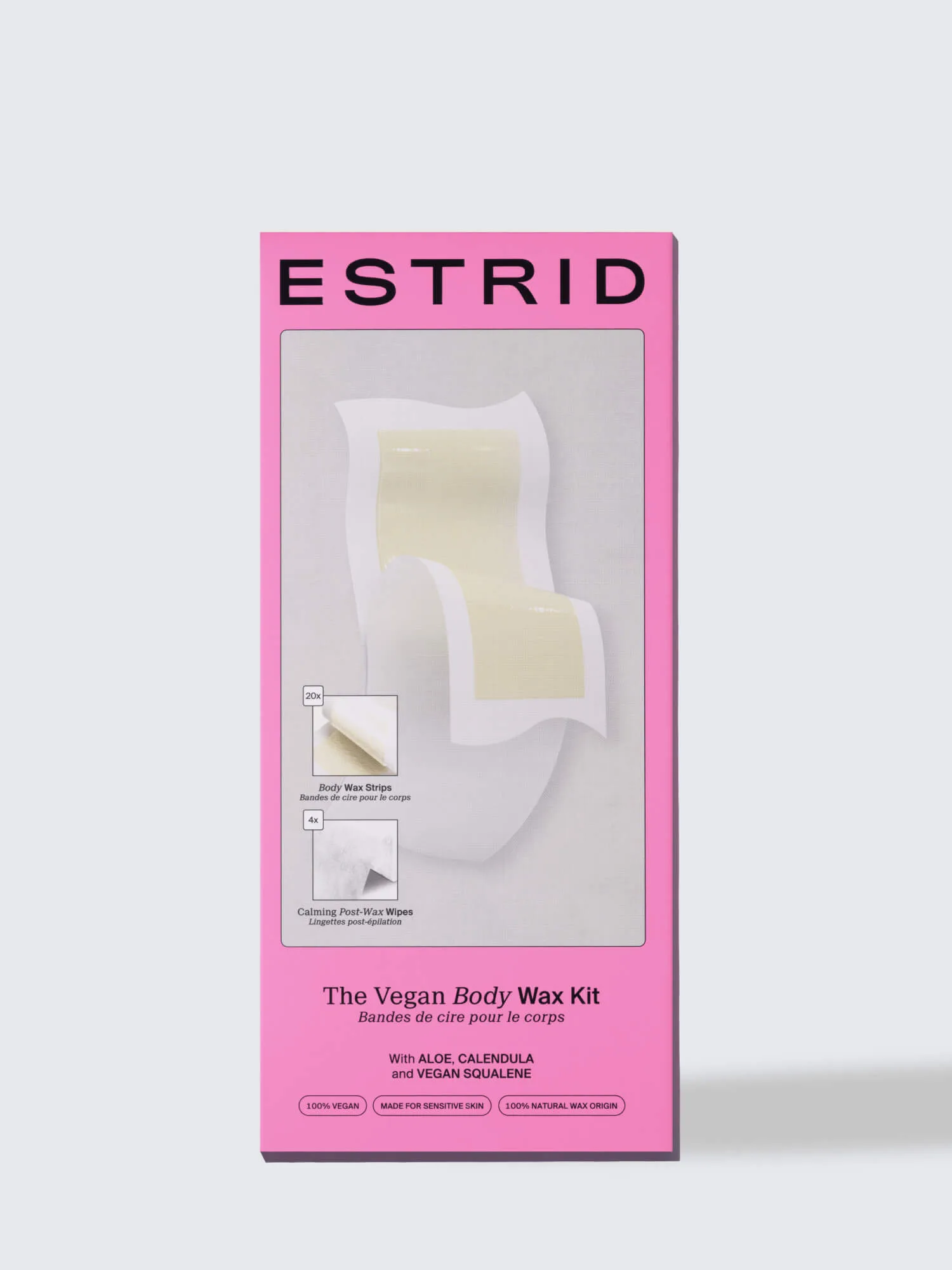
Professional waxing and sugaring sessions are priced similarly in most markets, though sugaring can cost slightly more because it is more time-consuming. At-home waxing kits are widely available and easy to use on legs and arms. At-home sugaring has a steeper learning curve because the paste must be warmed and worked to the right consistency.
If you are a beginner, book a professional session first for any sensitive area. You will learn the correct direction of pull, how to hold the skin taut, and what aftercare your skin needs. Once you know how your skin responds, you can decide whether at-home maintenance is worth the trade-off in time and mess.
Aftercare Decides More Than the Method
Most post-treatment problems, including ingrown hairs and irritation, come from aftercare rather than the removal method itself. Exfoliate gently two to three days after your appointment, moisturize daily, and avoid hot baths, saunas, and tight clothing for 24 hours. If you are choosing between waxing and sugaring for the first time, pick the method that suits your hair and skin, then commit to the aftercare routine that keeps the results clean.
Decision Rules: Waxing or Sugaring?
- Coarse, dense hair: Choose waxing. The resin grips thick strands more reliably and removes more hair per pull. Book a professional wax for legs, underarms, or bikini if your hair is stubborn.
- Sensitive or reactive skin: Choose sugaring. The paste is applied cooler and is less likely to trigger redness or burning. Patch-test first, then start with a small area like underarms or lower legs.
- Fine or medium hair: Either method works. Sugaring may feel gentler; waxing may be faster. Pick based on your pain tolerance and how much time you want to spend per session.
- First-timer: Start with the method that matches your hair texture, not the one a friend recommends. Book a professional session for any sensitive area before trying at-home removal.
Spa Treatments That Support Smoother Skin
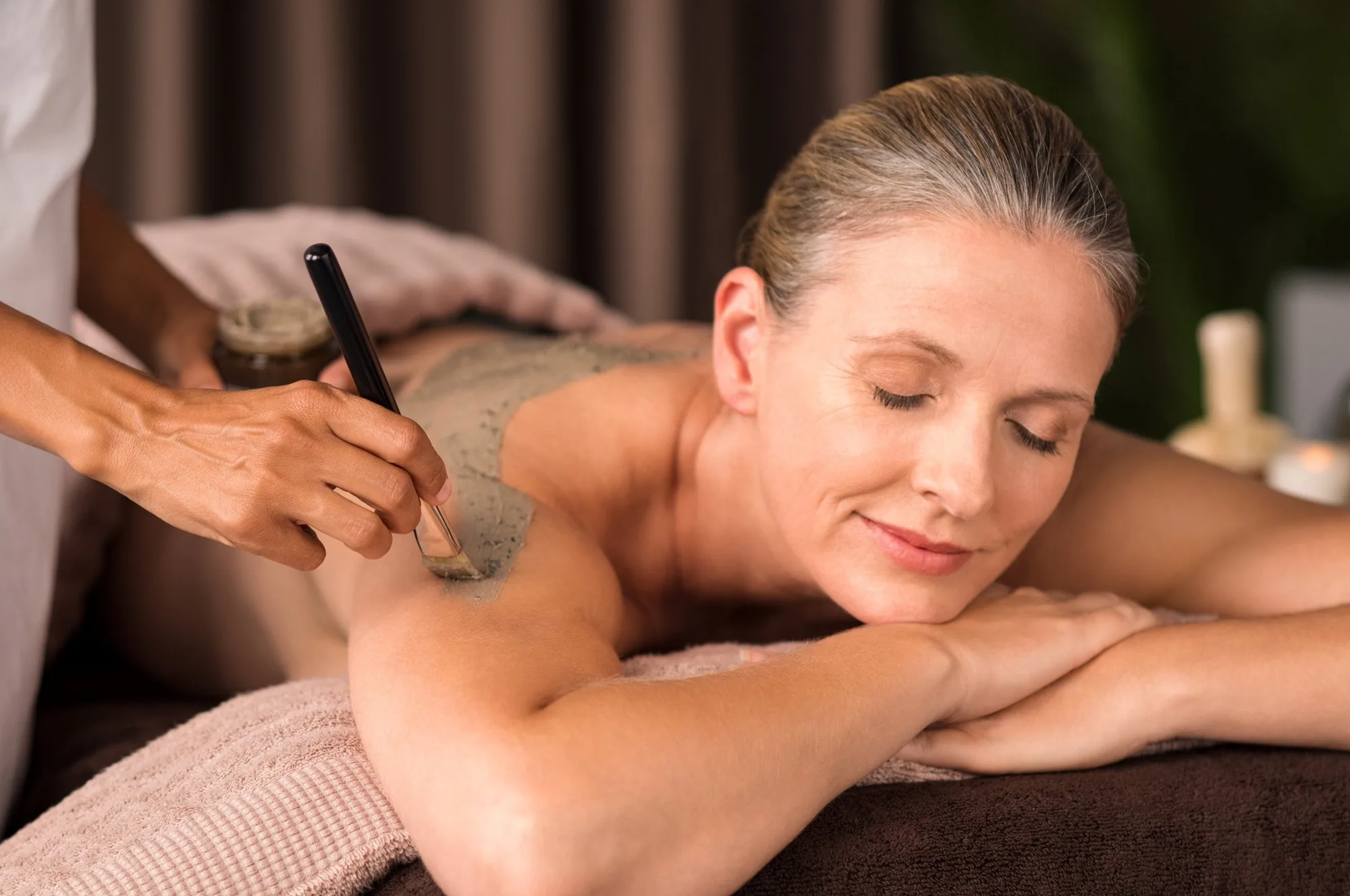
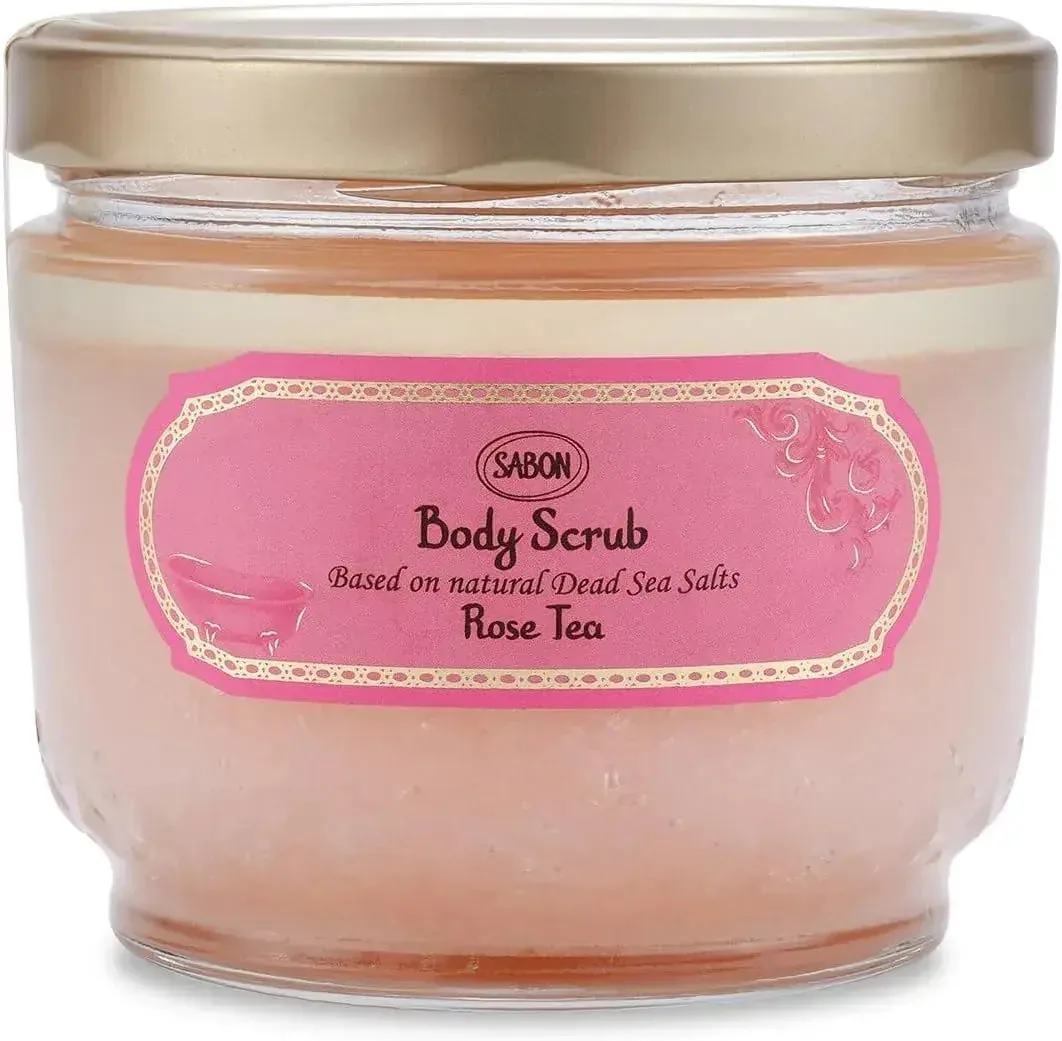
- Espresso Mud: Espresso Mud is a fusion of massage and body treatment that starts with a light exfoliation using volcanic pumice and Coffee Arabica to stimulate circulation, followed by a warm wrap with mineral-rich Black Silt Clay and herbal extracts of Indian Sarsaparilla and Honey to help smooth and firm the skin. If you wax or sugar regularly, a gentle exfoliating body treatment between appointments can help keep skin smooth and reduce the chance of trapped hairs.
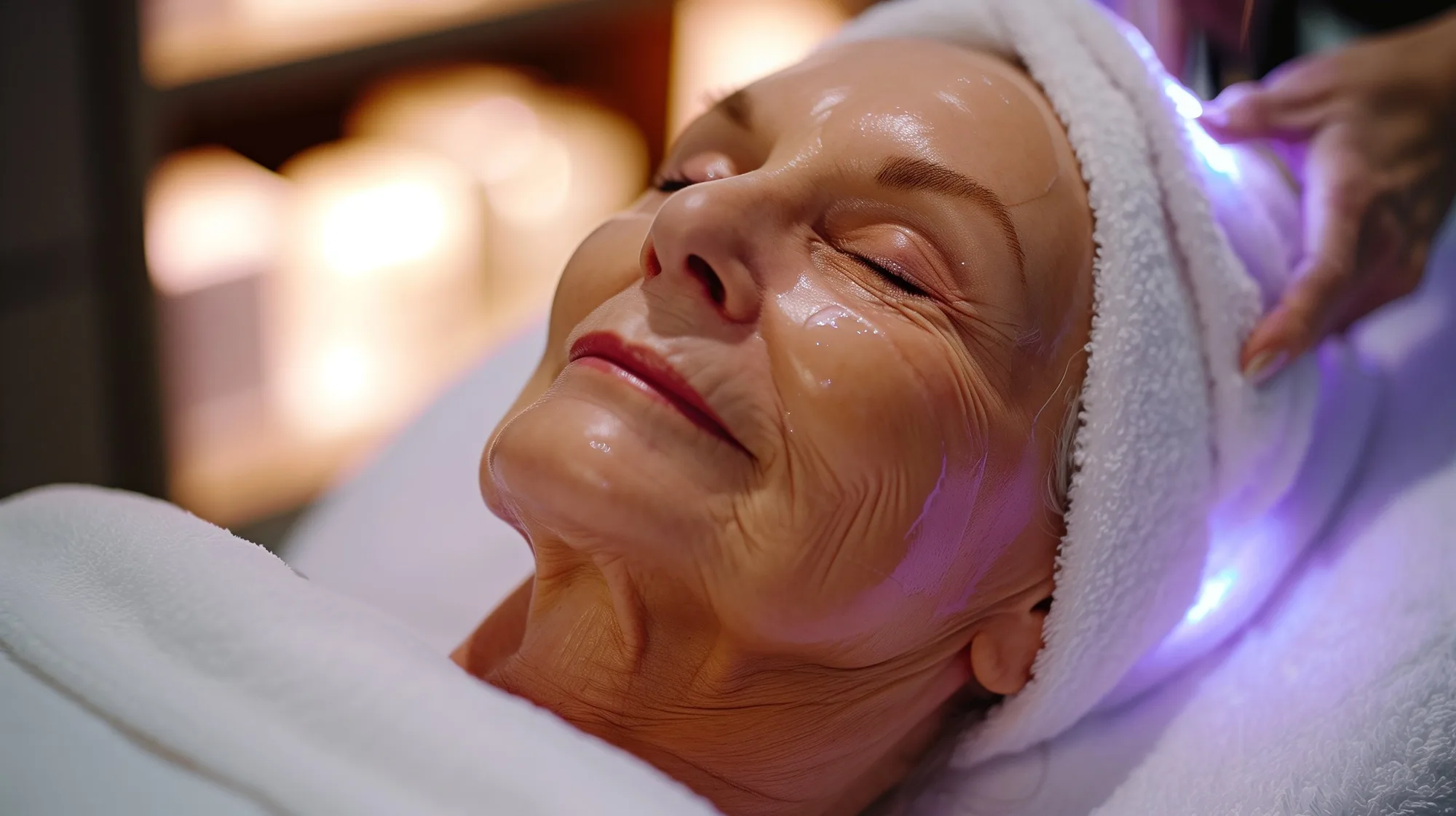
- WRINKLE REMEDY ADVANCED: WRINKLE REMEDY ADVANCED is designed to treat fine lines, wrinkles, and laxity using a more advanced peel to trigger new cell production and collagen renewal. Skin that is firm and renewed tolerates hair removal better, so this is a reasonable add-on if you want to improve overall skin condition rather than just remove hair.
Who Should Choose Which
Best for
- People with coarse, dense hair who want a fast, thorough removal
- People with sensitive skin who react to wax or heat
- Beginners who want a professional to assess their hair and skin first
Not for
- Anyone seeking permanent hair reduction (choose laser or electrolysis instead)
- People with active skin infections, open cuts, or sunburn in the treatment area
- Anyone who cannot commit to aftercare, since both methods require gentle exfoliation and moisturizing