Quick Answer
For sensitive skin, sugaring is often the gentler choice because its paste is water-soluble, applied at body temperature, and doesn't stick to live skin cells as aggressively as wax. However, waxing can be equally effective if you choose a hard wax and prepare your skin properly. The best method depends on your specific skin reactivity and hair type.
If you have sensitive skin, the thought of waxing might make you wince. Redness, bumps, and irritation are common concerns. But sugaring, an ancient hair removal technique, is often touted as a gentler alternative. What's the real difference, and which is better for your skin?
In this comparison, we'll break down how sugaring and waxing differ in application, ingredients, and aftercare. You'll learn the trade-offs of each method and get practical guidance to help you choose the gentlest option for your skin.
How Sugaring and Waxing Differ at the Root
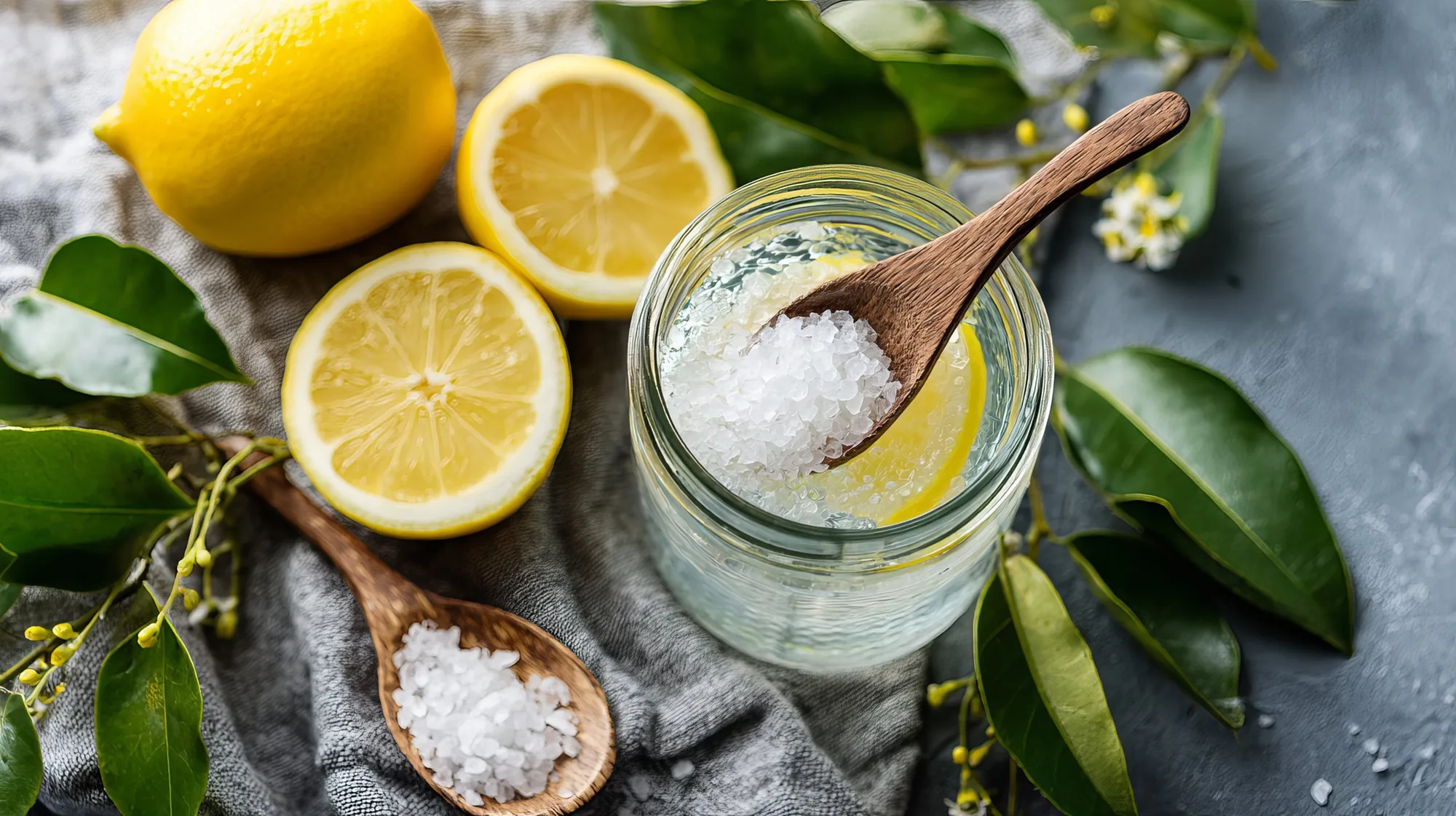
Sugaring uses a paste made from sugar, lemon, and water. It's applied at body temperature, which reduces the risk of burns. The paste is pressed against the skin and then flicked off in the direction of hair growth. This technique grabs the hair without adhering to live skin cells as much as wax.
Waxing, on the other hand, comes in two forms: soft wax (which requires strips) and hard wax (which hardens and is removed without strips). Soft wax adheres to the top layer of skin, which can be more irritating for sensitive types. Hard wax is generally gentler because it only shrinks around the hair, not the skin.
For sensitive skin, the key is to minimize trauma to the skin barrier. Sugaring's lower temperature and less adhesive nature often make it the more comfortable option. However, waxing with hard wax can also be a good choice if performed by an experienced esthetician.
- Sugaring paste is water-soluble, making cleanup easier.
- Hard wax is less likely to cause redness than soft wax.
- Always test a small patch first if you're new to either method.
Pain and Skin Reaction: Which Is Less Painful?
Pain tolerance is subjective, but many people find sugaring less painful than waxing. Because the paste doesn't adhere to live skin cells, it pulls less on the skin's surface. The application at body temperature also feels more comfortable than warm wax.
Sensitive skin often reacts to wax with redness and inflammation. Sugaring's gentler grip may reduce these side effects. However, both methods remove hair from the root, so some discomfort is inevitable. If you have very reactive skin, consider a numbing cream or taking an antihistamine before your appointment (with doctor approval).
Anecdotal evidence suggests that sugaring is less painful for areas with fine hair, while waxing might be more effective for coarse hair. But the skill of the technician and your skin's condition on the day matter just as much.
- Exfoliate gently 24 hours before to prevent ingrown hairs.
- Avoid caffeine and alcohol before your session to reduce sensitivity.
- If you're prone to allergies, ask for a patch test.
Ingredients and Skin Safety
Sugaring paste is made of natural ingredients—sugar, lemon, and water. This simplicity is a plus for sensitive skin, as it minimizes the risk of allergic reactions. Wax, however, often contains resins, fragrances, and other additives that can irritate sensitive skin.
If you choose waxing, look for a hard wax with a simple ingredient list. Many spas offer hypoallergenic options. Always inform your esthetician about your skin sensitivities so they can select the appropriate product.
Both methods require proper aftercare. Avoid sun exposure, hot baths, and tight clothing for 24 hours. Apply a soothing lotion with aloe or chamomile to calm the skin.
- Sugaring paste is typically free of synthetic additives.
- Hard waxes with natural ingredients are available for sensitive skin.
- Always patch test new products on a small area.
Trade-Offs to Consider
- Sugaring: Lower Temperature, Less Adhesive: Applied at body temperature, so no burn risk. It doesn't stick to live skin cells, which may reduce redness and pain. Best for those with very sensitive skin or a low pain tolerance.
- Waxing: Effective on Coarse Hair: Soft wax can be more painful and irritating, but hard wax is gentler and can grip coarse hair well. Choose hard wax for coarse hair if you prefer waxing.
- Ingredients: Natural vs. Formulated: Sugaring uses simple, natural ingredients. Wax may contain additives that can trigger reactions. If you have allergies, opt for sugaring or hypoallergenic hard wax.
Gentle Hair Removal Options at Our Spa
- TEEN (AGES 16-18): A gentle introduction to massage. The therapist uses light to moderate pressure for a relaxing experience for our younger guests. Athletic teens are recommended to schedule our Sports Massage. If you're new to body treatments or have a younger family member with sensitive skin, this gentle massage can help you relax and prepare for hair removal sessions.
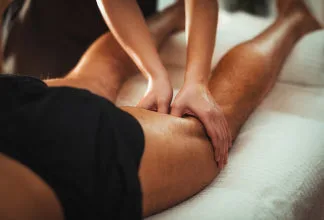
Sports
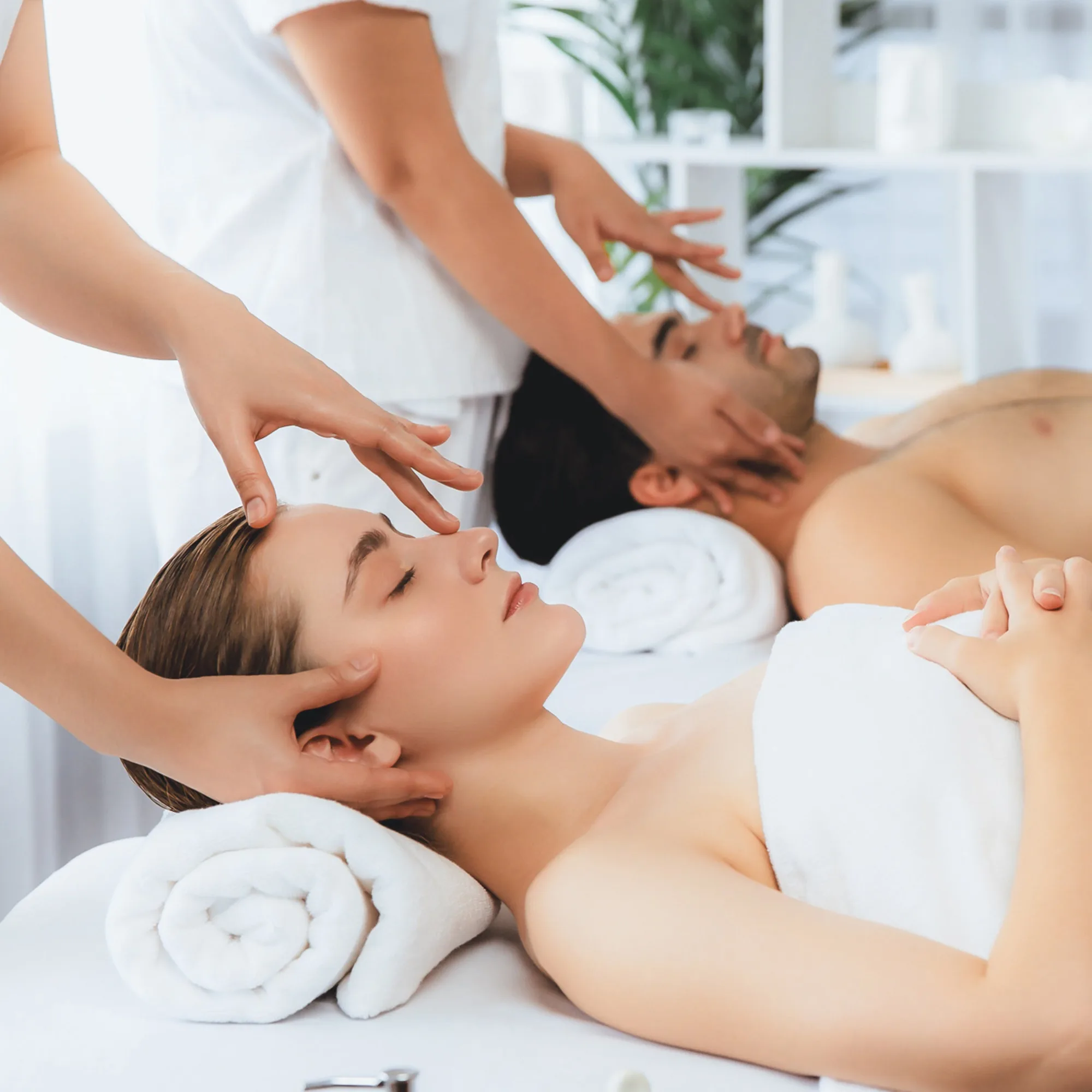
- Couples - Hot Towel Massages: A relaxing experience for two, using hot towels to soothe muscles and promote circulation. Pairing a hot towel massage with your hair removal can help calm the skin and reduce post-treatment irritation, making it a great addition to your self-care routine.
Which Should You Choose?
Best for
- Sugaring is best for those with very sensitive skin, prone to redness or allergic reactions.
- Sugaring is also ideal for people who prefer natural, low-temperature hair removal.
Not for
- Waxing with soft wax is not recommended for sensitive skin due to higher irritation risk.
- If you have extremely coarse hair and prefer waxing, choose hard wax instead of soft wax.
Sugaring and waxing both offer effective hair removal, but for sensitive skin, sugaring generally provides a gentler experience with fewer side effects. However, the right choice depends on your skin's unique needs and the products used. Consult with a professional esthetician to determine the best method for you, and always prioritize proper aftercare to keep your skin calm and smooth.