Hiking with a backpack is great for carrying gear, but digging through your pack for a phone, snack, or map every 15 minutes gets old fast. That’s where a cross body bag worn in front comes in. This dual-carry setup keeps your essentials within arm’s reach while the backpack handles the heavy load—perfect for day hikes, trail runs, or multi-day trips where quick access matters.
The trick is finding the right balance so both bags work together without making you feel weighed down or off-kilter. With a few simple adjustments, you can build a modular carry system that’s comfortable, secure, and practical. Below I’ll walk you through the key considerations and share real-world tips for pairing a cross body bag with a backpack.
Why Combine a Cross Body Bag with a Backpack?
A cross body bag (often called a sling bag) worn in front gives you a ‘front pack’ that acts like a cockpit for essentials—phone, keys, wallet, sunscreen, or a water bottle like the Mizu V8 bottle (780ml). Meanwhile, your backpack stays on your back with heavier gear, clothing layers, and food. This dual-carry system hiking setup keeps frequently used items accessible without stopping or unstrapping your pack.
It also helps distribute weight more evenly. Carrying a small bag in front can counterbalance a heavy pack, reducing strain on your shoulders and lower back. Just be careful not to overload the cross body bag—it should stay light and compact to avoid restricting your movement or breathing.
- Keep the cross body bag small and lightweight—no more than 2–3 litres ideal
- Use it for items you’ll access at least once every 30 minutes
Choosing the Right Cross Body Bag for a Dual-Carry Setup
Not every sling bag works well with a backpack. You need one that sits flat against your chest, doesn’t swing too much, and can be adjusted quickly on the move. The Transit Line Sling Pocket XL; black is a solid choice because its slim profile and adjustable strap let you cinch it tight against your torso, preventing flop while hiking. Its multiple internal organisers also keep small items from turning into a jumbled mess.
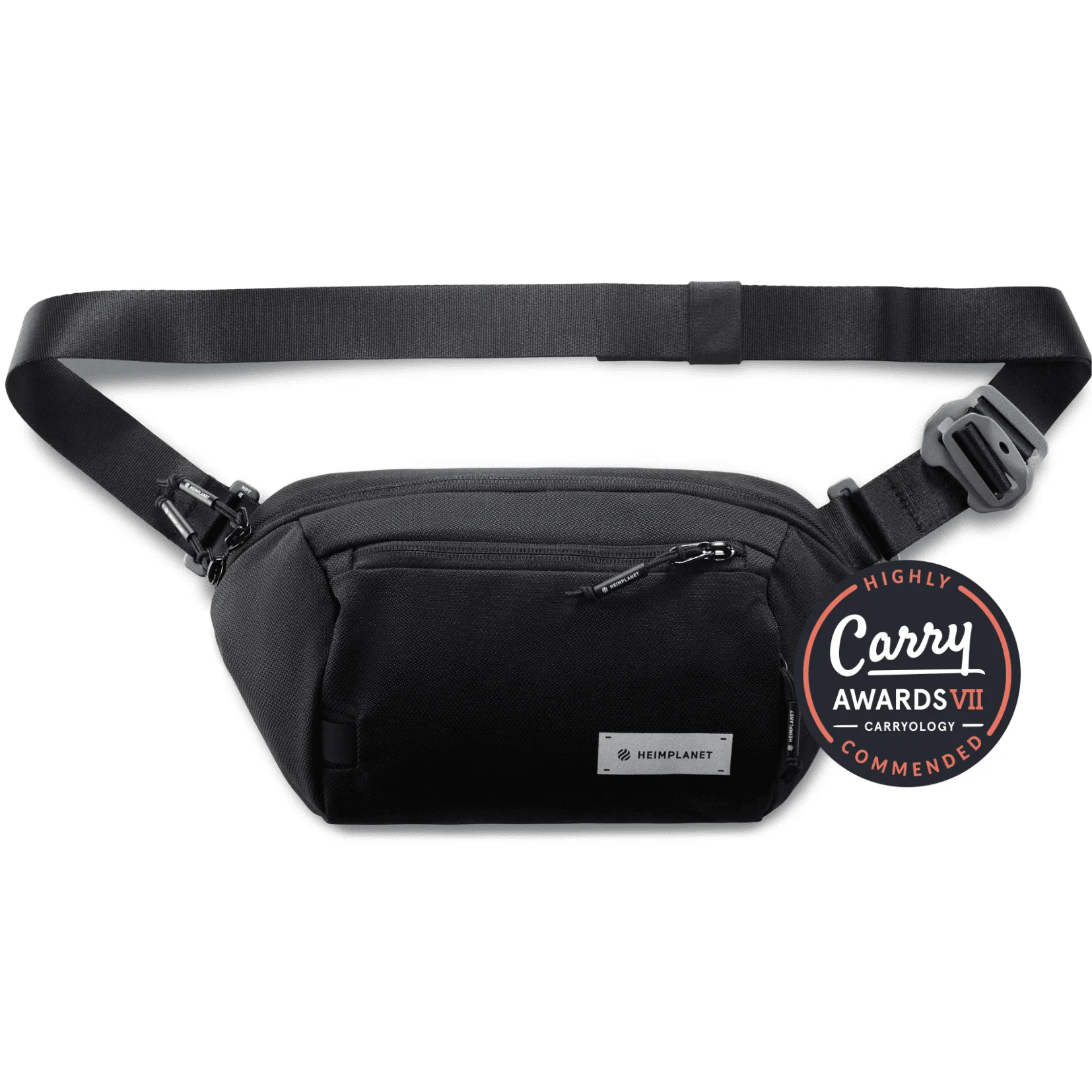
Transit Line Sling Pocket XL; black
Look for a bag with a strap that can be shortened enough to wear high on your chest—around sternum height. A strap that’s too long will cause the bag to bounce against your stomach or hips as you walk, which gets annoying fast. Also consider a bag with a grab handle or external lash points so you can attach extra items like a pair of gloves or a small water filter.
- Adjust the strap so the bag sits at sternum height, not lower than your ribs
- Choose a bag with a stabiliser strap or daisy chain for extra security
Front Pack and Backpack – How to Wear Both Comfortably
Start by putting on your backpack and adjusting it as usual—hip belt snug, shoulder straps comfortable, sternum strap clipped. Then put on the cross body bag over your backpack’s shoulder straps, with the bag sitting on your chest. Most people prefer the cross body bag to go on first, then the backpack, but try both orders to see which feels more stable.
The key is to avoid pressure points where backpack straps cross the sling bag’s strap. If your backpack has a sternum strap, slide the sling bag’s strap underneath it so both stay flat. For example, pairing the Transit Line Sling Pocket XL with a pack like the Re-stored Transit Line Travel Pack 28 L, castlerock works well because the travel pack’s minimal harness doesn’t interfere with the sling’s strap.
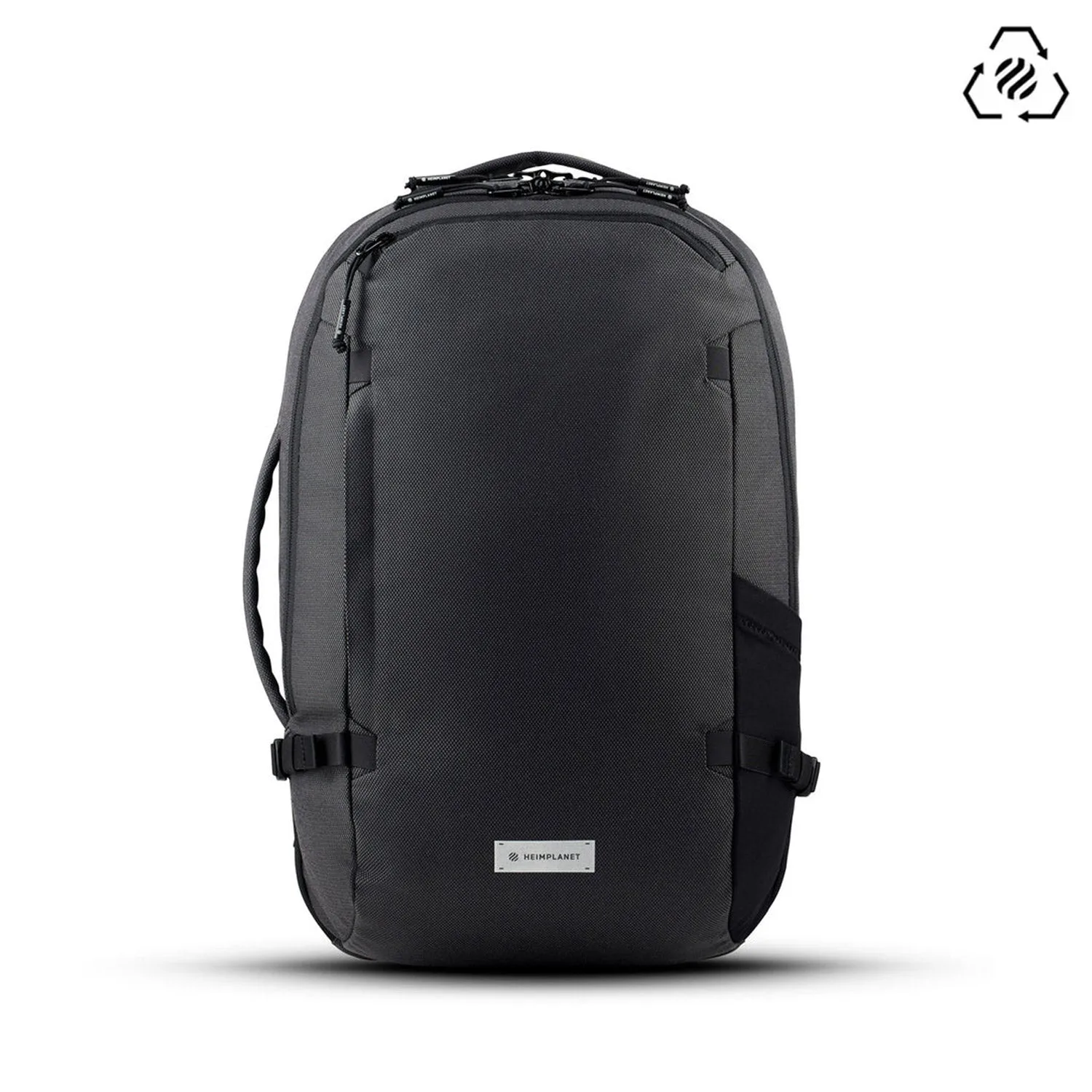
Re-stored Transit Line Travel Pack 28 L, castlerock
When hiking, tighten the cross body bag’s strap enough so it doesn’t slide side to side. You should be able to rotate your shoulders freely. If you feel restricted, loosen the backpack’s shoulder straps slightly or shift the sling bag lower on your chest.
- Always secure loose cross body bag straps to prevent snagging on branches
- Test the setup at home before hitting the trail – walk around, bend over, reach for a water bottle
Modular Carry Tips: Organising Your Dual Bags
Treat your two bags as one modular carry system. In the cross body bag, store only what you need at hand: phone, snacks, sunscreen, map, lip balm, and maybe a small multi-tool. In your backpack, keep everything else: extra layers, first aid kit, lunch, stove, and bulkier items like a tarp or shelter. This way you can access your front pack without ever taking off your backpack.
If you’re using a water bottle like the Mizu V8 bottle (780ml), try fitting it into a side pocket of the backpack and zipping the cross body bag’s main compartment over the bottle’s top for quick access without fully opening the sling. Alternatively, clip a small carabiner to the cross body’s external loop and hang the bottle – not ideal for rough trails, but fine for short walks.
Keep weight balance in mind. A heavy front pack will pull you forward. Aim for no more than 1–1.5 kg in the cross body bag. The rest goes in your backpack. If your back gets sweaty under the sling bag’s contact points, choose a breathable fabric like the nylon ripstop used in the Transit Line Sling Pocket XL.
- Use internal organisers in the sling bag to separate phone, keys, and snacks
- Zip the sling bag closed after each access to avoid losing items on bumpy terrain
Wearing a cross body bag with a backpack isn’t just for travelers – it’s a smart dual-carry system hiking solution that saves time and keeps you organised on the trail. By choosing a slim bag like the Transit Line Sling Pocket XL, adjusting both straps properly, and keeping your front pack light, you’ll enjoy quick access to essentials without the burden of a disorganised pack. Give it a try on your next day hike and see the difference a front pack can make.