Quick answer
Weekly contact lenses make sense only if your eye care professional has fitted you for a lens that is approved for multi-day wear and you can commit to a strict cleaning, storage, and replacement routine. If you want the lowest-maintenance option or you have dry eyes, a daily disposable lens is usually the safer and simpler choice. If you want fewer boxes and lower cost per day, a monthly lens may serve you better than a weekly one.
What "weekly" actually means in contact lens terms
There is no universal weekly lens category. What is often called a weekly contact lens is usually one of three things: a two-week replacement lens that some wearers stretch into a weekly rotation, a daily lens that people re-wear for several days, or a lens explicitly approved for extended or flexible wear. Those are not the same product, and the replacement schedule printed on the box is the one that applies.
This matters because the words on the packaging are a safety instruction, not a suggestion. If a lens is labeled daily disposable, it is designed for one day of wear and should be discarded at the end of that day. If it is labeled for two-week or monthly replacement, that is the maximum window, not a target to beat.
Before comparing weekly vs daily contacts, check the exact replacement schedule on your current box or ask your eye care professional to confirm it. That single detail determines whether a weekly schedule is even an option for your eyes.
The real trade-offs: cost, convenience, and eye health
Daily disposable lenses win on convenience and on hygiene. You open a fresh pair, wear it, and throw it away. There is no case, no solution, and no cleaning step to get wrong. For people who wear lenses occasionally, travel often, or have sensitive or dry eyes, that simplicity is often worth the higher cost per day.
Reusable lenses, including two-week and monthly options, win on cost per day and on the range of materials and prescriptions available. The trade-off is maintenance. Every reusable lens needs to be cleaned, stored in fresh solution, and replaced on schedule. Skipping those steps is the most common way people end up with irritation, discomfort, or an eye infection.
A weekly-style schedule sits in the middle: fewer boxes than daily wear, less handling than some monthly routines, but still dependent on good habits. If you already know you will not clean and store lenses consistently, a weekly schedule is not the shortcut it looks like.
Weekly contacts for dry eyes: what to check first
Dry eye is one of the most common reasons people switch lens types, and it is also one of the easiest reasons to get the wrong lens. Discomfort at the end of the day can come from the lens material, the fit, the replacement schedule, or from the eyes themselves. Changing to a weekly schedule will not fix a dryness problem that comes from the lens fit or from an underlying eye condition.
If dryness is your main concern, start with your eye care professional rather than with a product listing. Ask whether a daily disposable in a material suited to dryness, or a reusable lens with a different water content or oxygen transmission, is a better match. A lens that feels fine for four hours but uncomfortable by hour ten is telling you something about fit or material, not about how often you replace it.
Some wearers find that a fresh lens every day reduces the end-of-day dryness they used to get from a reusable lens that had accumulated deposits. Others do fine on a reusable schedule as long as they clean and replace on time. There is no single answer, which is why a fitting matters more than a brand comparison.
How to build a weekly schedule you will actually follow
The schedule only works if it is simple enough to keep. Pick fixed days for replacement, such as every Sunday morning, and write it where you will see it. Keep a spare pair and a small bottle of solution in your bag so a late night does not turn into an overnight lens. Never top off old solution in the case — empty it, rinse it, and refill with fresh solution every time.
Track how your eyes feel across the week, not just on day one. Note any redness, itching, or blur that shows up on later days. That pattern is useful information for your next eye exam and can point to whether the schedule, the lens, or the fit needs to change.
If you wear lenses only a few days a week, a reusable lens can sit unused for long stretches, which is its own problem. Daily disposables avoid that entirely. Match the schedule to your real wearing pattern, not to an ideal one.
Decision rules for choosing a weekly schedule
- If your lens is labeled daily disposable: Do not stretch it into a weekly rotation, even if it still feels comfortable on day three. The label is the replacement schedule, and re-wearing a daily lens raises the risk of irritation and infection. Choose a lens approved for the schedule you want, not the schedule you wish your current lens had.
- If you want the least handling and the lowest risk of hygiene mistakes: Choose a daily disposable. There is no case, no solution, and no cleaning step, which removes the most common sources of lens-related problems. Convenience and hygiene usually outweigh cost savings for occasional or sensitive wearers.
- If cost per day is your main concern and you will clean and store lenses properly: A reusable lens with a two-week or monthly schedule typically costs less per day than daily disposables, and it comes in a wider range of materials and prescriptions. Only pick this route if you will actually follow the cleaning and replacement routine every time.
- If your eyes feel dry or uncomfortable by the end of the day: Treat that as a fit or material question first, not a replacement-schedule question. Ask your eye care professional whether a different lens material or a daily disposable would suit you better. Get fitted before you buy, especially if dryness is the reason you are switching.
- If you wear lenses only a few days a week: A reusable lens left sitting in solution for long stretches is not ideal. Daily disposables match an irregular wearing pattern more cleanly. Match the lens type to your real wearing frequency, not your intended one.
Products worth comparing
- Clariti 1 Day Multifocal - 30 Pack: Clariti 1 Day Multifocal - 30 Pack is a daily disposable soft contact lens, 30 lenses per box, made of 44% somofilcon A by CooperVision, with an annual supply of 24 boxes. This is the daily-disposable benchmark: no cleaning or storage, a fresh lens each day, and a multifocal design for people who need near and distance correction. It is the option to weigh against any weekly or reusable schedule if convenience and hygiene are your priorities.
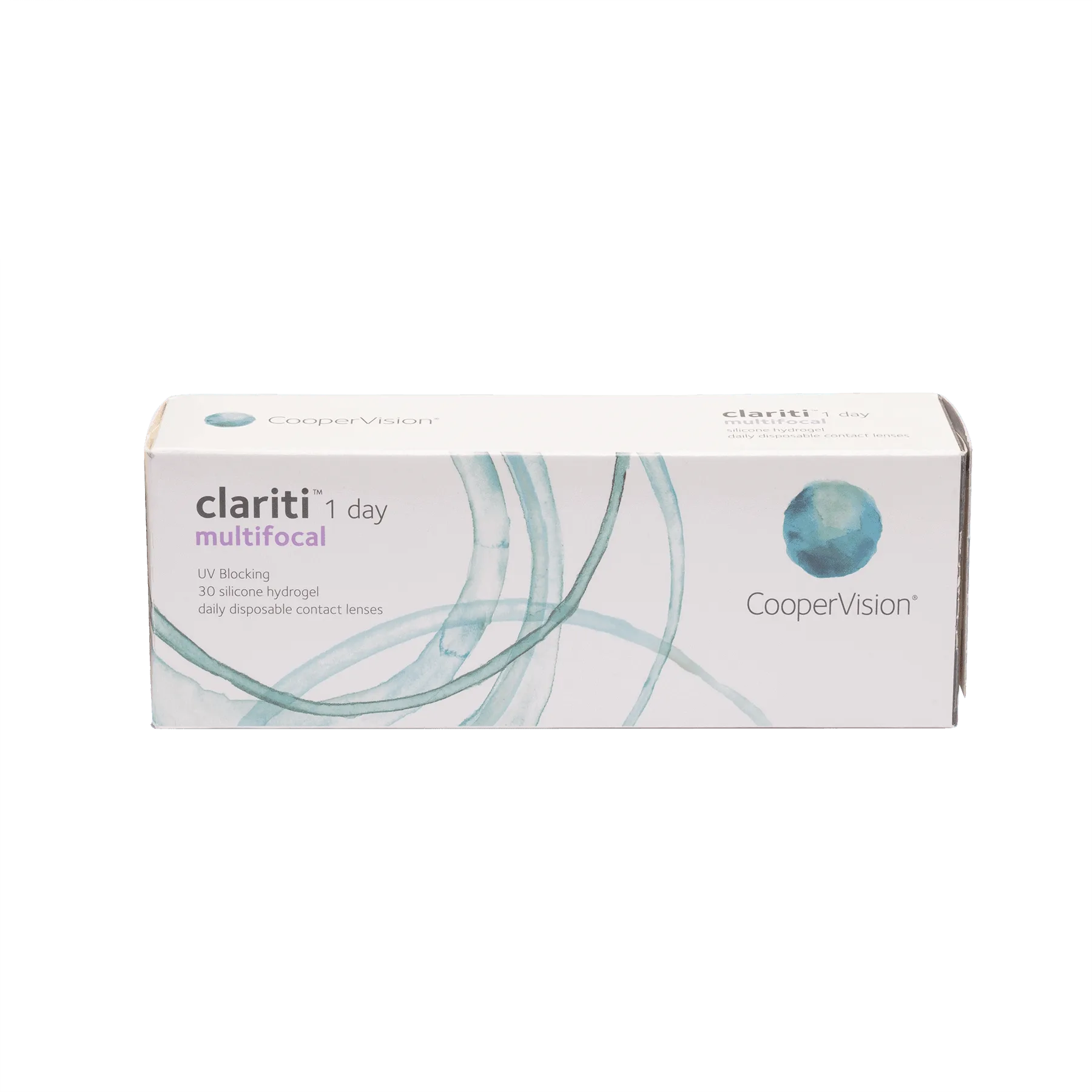
Clariti 1 Day Multifocal - 30 Pack
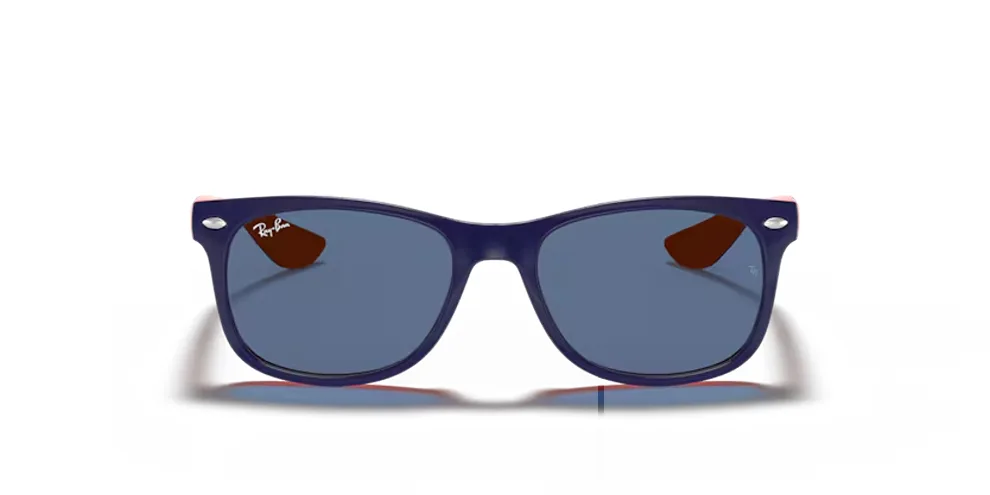
- 0RJ9052S - Junior New Wayfarer: The 0RJ9052S Junior wayfarer-3405b47e1bf998db0bd8f3c0-1703185">wayfarer-7ba1a14b5ecc5e800af25132-1703131">New Wayfarer from Ray-Ban Kids is a kids' eyewear style in a Blue on Orange frame with Blue lenses, and the listing lets you choose Frame Color and Lens Color. If a younger wearer is switching between contacts and glasses, having a properly sized pair of kids' frames as a backup matters. A lens schedule that leaves the eyes tired or dry is easier to manage when there is a comfortable alternative on hand.
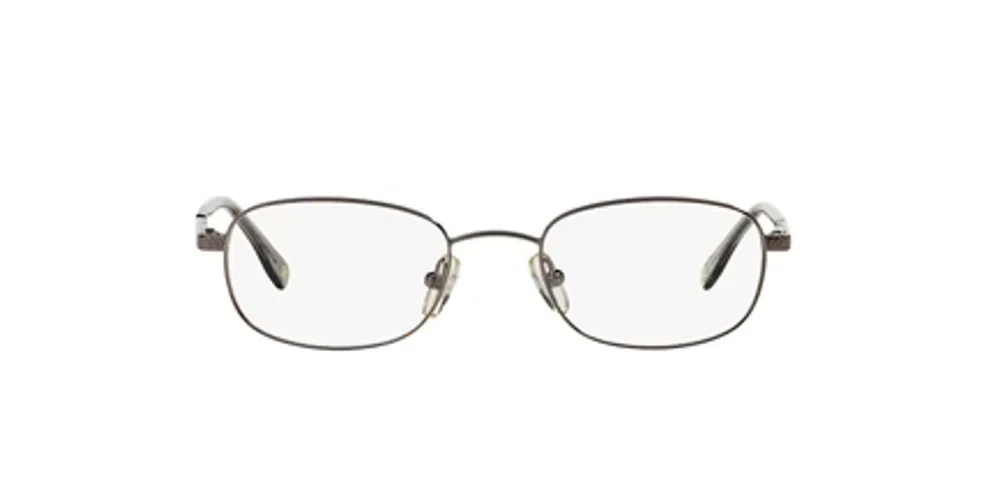
- 0BB 363: The Brooks Brothers Optical 0BB 363 is an eyewear style in a Gunmetal frame with Clear lenses, with configurable Frame Color and Lens Color options. A clear-lens frame is the practical backup for any contact lens wearer, including anyone trying a weekly schedule. It gives your eyes a break on high-screen days or when a lens feels off, without changing your prescription routine.
Who a weekly schedule fits — and who should choose differently
Best for
- Wearers already fitted by an eye care professional for a lens approved for multi-day or reusable wear
- People who will clean, store, and replace lenses on a fixed schedule without skipping steps
- Wearers who want lower cost per day than daily disposables and are comfortable with a maintenance routine
Not for
- Anyone currently wearing a daily disposable lens, which should be discarded after one day
- People with dry eyes or end-of-day discomfort who have not been refitted for a different material or lens type
- Occasional wearers who want the lowest-maintenance option and will not keep a consistent cleaning routine