Quick Answer
To measure your horse's weight accurately with a weigh tape, place it around the heart girth, just behind the withers, and read the measurement where the tape overlaps. For the most reliable results, take the measurement on a flat surface, with your horse standing square and relaxed, and repeat it monthly to track changes.
Why Weigh Tape Accuracy Matters
A weigh tape gives you a quick, affordable estimate of your horse's weight without needing a scale. It's especially useful for monitoring weight changes over time, adjusting feed, or checking recovery from illness. However, keep in mind that weigh tapes are not as precise as a livestock scale—they can be off by 50-100 pounds depending on the horse's build. That's why consistency in how you position the tape and how your horse stands is key to getting useful trend data.
When to Use a Weigh Tape vs. a Scale
A weigh tape is ideal for routine monitoring, such as tracking weight gain during the winter or assessing the effectiveness of a new feeding plan. If you need a precise weight for medication dosing or a veterinary emergency, a livestock scale is the better choice. For everyday management, a weigh tape gives you enough information to spot trends and make adjustments early.
Step-by-Step Guide to Using a Weigh Tape
- Position your horse correctly: Stand your horse on a flat, level surface with all four feet square and evenly distributed. Make sure your horse is relaxed and not tense, as this can affect the measurement. A calm, square stance gives the most consistent reading.
- Place the tape at the heart girth: Locate the heart girth—the area just behind the withers and around the barrel. Wrap the weigh tape snugly around this spot, making sure it sits flat against the coat and is not twisted. Position the tape consistently each time to track trends accurately.
- Read the measurement: Look at the point where the tape overlaps and read the weight indicated. The tape may have different scales for ponies, horses, or even height; use the correct scale for your horse's size. Record the reading in a log to monitor changes over time.
- Repeat monthly for tracking: For effective health monitoring, measure your horse at the same time of day, ideally before feeding or exercise, and repeat monthly. This helps you catch weight loss or gain early. Consistent timing and frequency make your data more reliable.
- Check for fit and comfort: Ensure the tape is not too loose or too tight—it should be snug but allow you to slide a finger underneath. A loose tape will give a false low reading, while a tight one may overestimate. A proper fit is essential for weigh tape accuracy.
Recommended Product
-
Weigh Tape: Easy to use measure tape that can help to give approximate weight of the horse. This weigh tape is simple to use at home, giving you a quick estimate of your horse's weight to track changes over time.
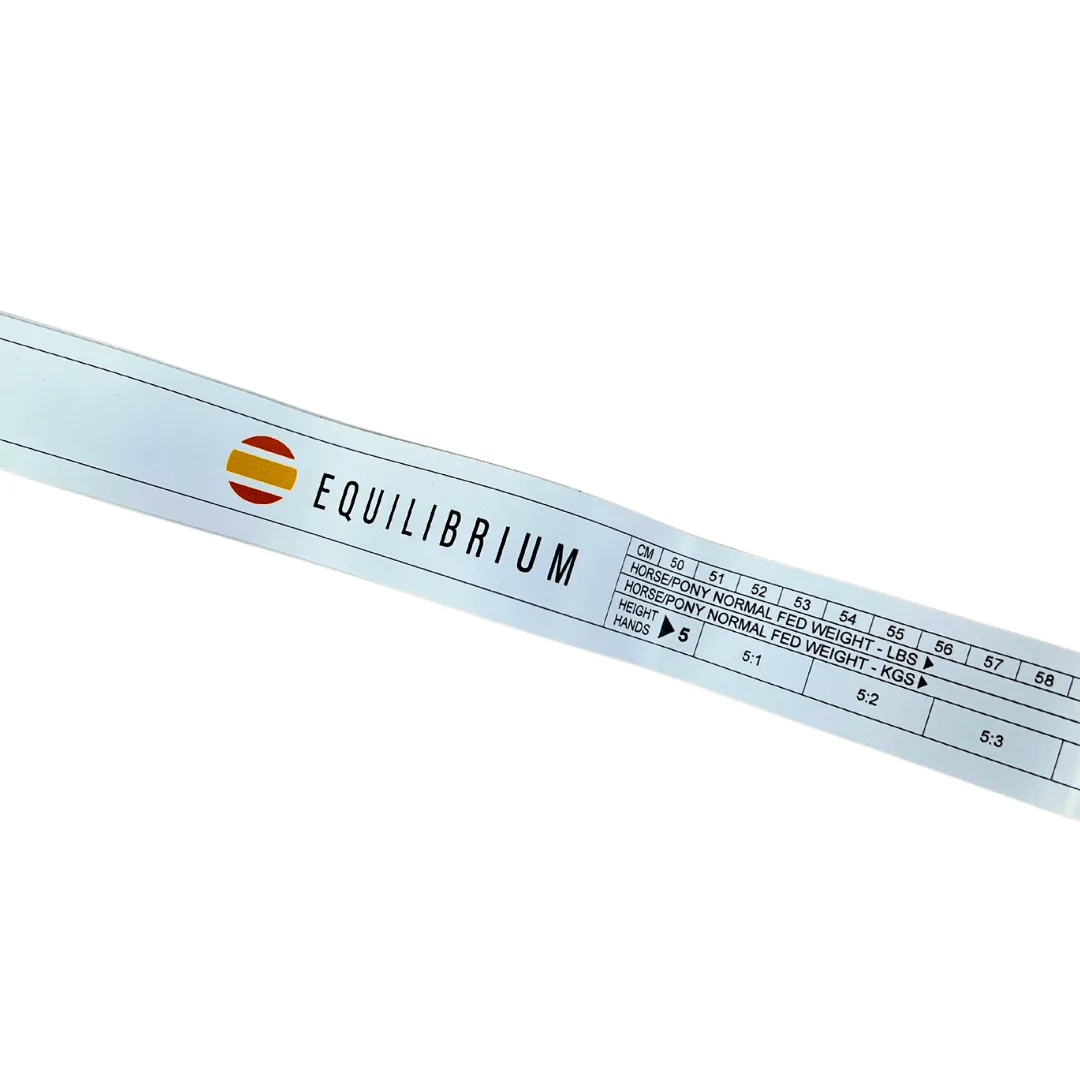
Weigh Tape