The claim that needs the most scrutiny
Weight loss tea is often sold with big promises. The name alone suggests the tea will help you lose weight. But the most important thing to check is what the product record actually says. For this blend, the record is clear: statements have not been evaluated by the FDA, and the product is not intended to diagnose, treat, cure, or prevent any disease. That is not a loophole; it is a direct limit on what the tea can claim to do.
So when you see weight loss tea benefits described as guaranteed or clinically proven, treat that as a myth until you see the evidence. The blend may fit into a balanced lifestyle, but it is not a treatment for obesity or a shortcut to weight loss.
What the ingredients actually tell you
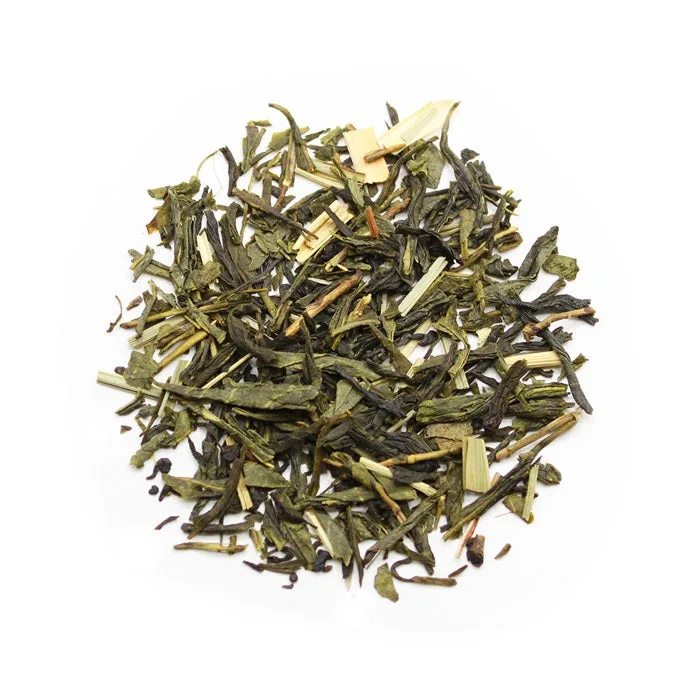
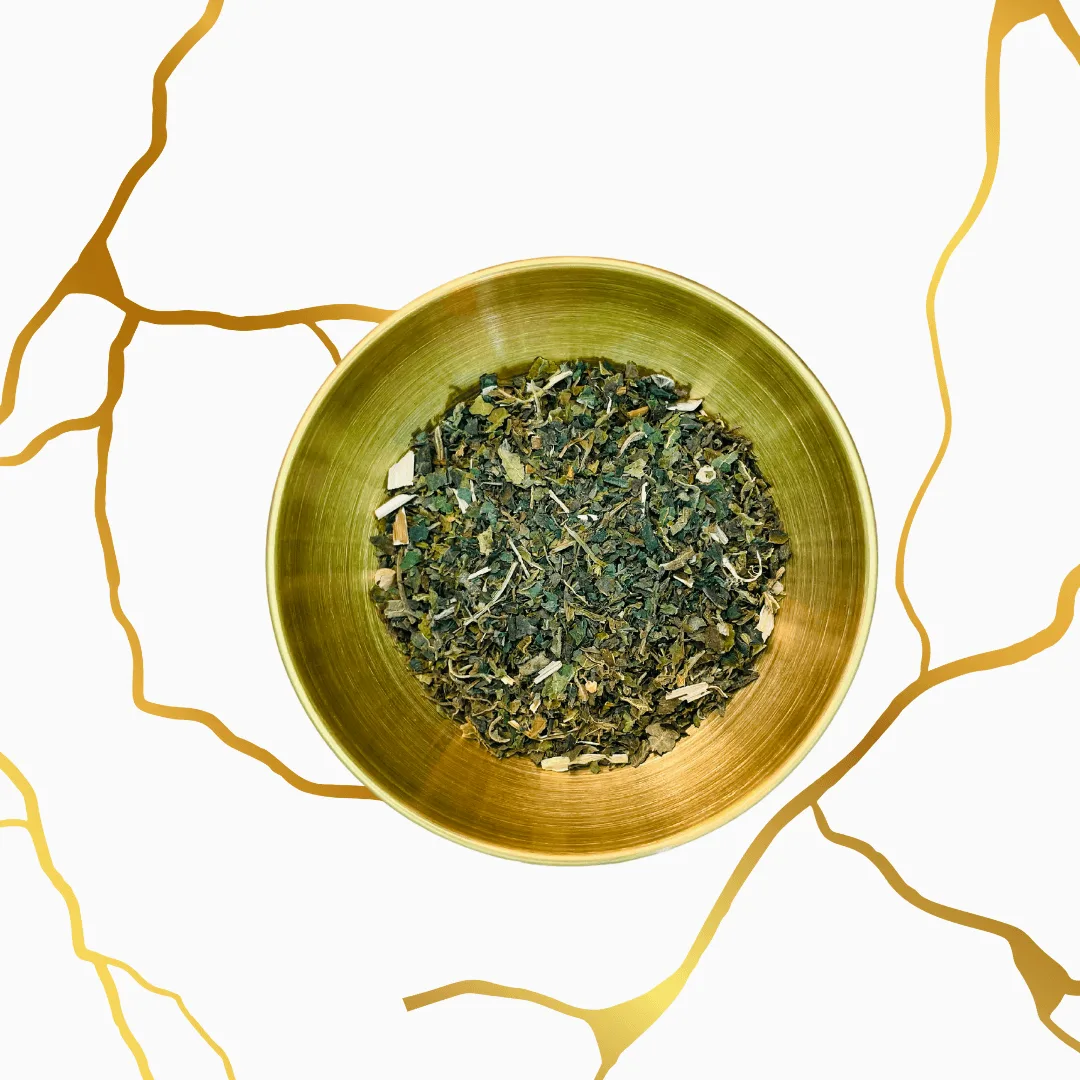
The ingredient list is where you can separate marketing from reality. This Weight Loss Tea is a blend of green and oolong teas, with candied fruit and floral pieces. The full record lists China Sencha, Gunpowder, Mini Tuo, Formosa Oolong, Chun Mee, Pai Mu Tan, Dragonwell, Snow Bud, and Pi Lo Chun teas, along with candied pineapple bits, strawberry bits, and sunflower blossoms. The catalog description also mentions papaya and mango bits, so the fruit profile is part of the blend's identity.
What you will not find in the record is a proprietary fat-burning ingredient, a laxative herb, or a stimulant beyond the tea itself. That matters for weight loss tea side effects: the caffeine content is listed as 25–30 mg per 8 oz cup, which is moderate compared with coffee. If you are sensitive to caffeine, that number is your practical guide, not a vague warning.
The label facts behind the myths
-
Weight Loss Tea: Statements have not been evaluated by the FDA. This product is not intended to diagnose, treat, cure, or prevent any disease. This is the clearest boundary on weight loss claims: the tea is not a treatment, so any promise of curing obesity or guaranteeing weight loss is a myth.
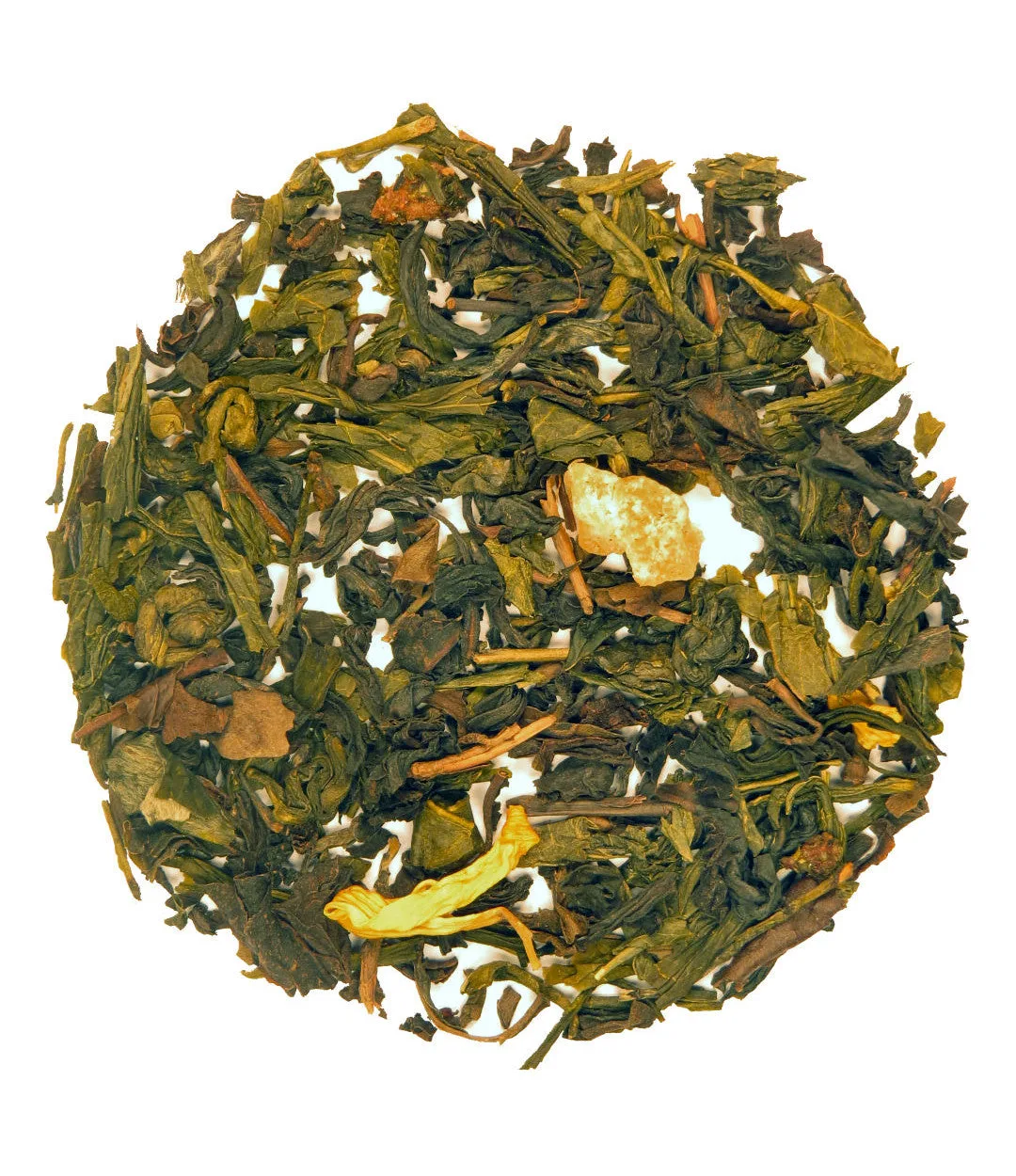
Weight Loss Tea
-
Weight Loss Tea: Caffeine Content: 25-30 mg of caffeine per 8 oz cup A concrete number helps you judge whether the tea fits your day and whether caffeine is a likely side effect for you.
-
Weight Loss Tea: Ingredients include green tea China Sencha green tea, Gunpowder green tea, Mini Tuo Tea green tea, Formosa Oolong, Chun Mee green tea, Pai Mu Tan white tea, Dragonwell green tea, Snow Bud green tea, Pi Lo Chun green tea, candied pineapple bits, strawberry bits, and sunflower blossoms. The blend is tea and fruit, not a drug or a laxative formula, which reframes what 'weight loss tea ingredients' usually implies.
Myths worth setting aside
- Myth: Weight loss tea burns fat on its own.: The record makes no fat-burning claim and includes an FDA disclaimer. Green tea and oolong tea contain polyphenols and catechins that have been studied for antioxidant properties, but that is not the same as a proven weight loss effect. The blend can be part of a balanced lifestyle, not a replacement for one.
- Myth: Slimming tea truth is hidden in a proprietary blend.: Here the ingredients are listed plainly: a mix of green, oolong, and white teas with fruit and flowers. There is no undisclosed stimulant or laxative herb in the supplied record. If a tea hides its ingredients, that is a reason to ask questions; this one does not.
- Myth: Detox tea myths are harmless.: Detox claims often imply the tea cleanses your system. The record does not support that. It says the product is not intended to treat or prevent disease. A pleasant tea can be part of a healthy routine, but it does not detoxify your body.
- Myth: Weight loss tea works the same for everyone.: The record gives caffeine content but no serving instructions or personalized guidance. How the tea fits your routine depends on your caffeine tolerance and preferences. Start with one cup and see how you feel.
What the blend can realistically do
Set aside the myths and the blend still has a place. It is a flavored green and oolong tea with a tropical fruit profile from pineapple, strawberry, and the papaya and mango bits mentioned in the description. If you enjoy it, it can help you drink more tea instead of sugary drinks, which is a realistic and useful habit. The caffeine level of 25–30 mg per 8 oz cup is modest, so it can suit a morning or early afternoon cup for many people.
What it cannot do is replace a balanced diet or exercise, or deliver guaranteed weight loss. The catalog does not provide preparation instructions, so follow the steeping guidance that comes with your order or use a standard green tea approach you already trust. And because the record does not confirm allergen status, check the ingredient list if you have fruit or flower sensitivities.
How to judge any weight loss tea before you buy
Use this blend as a template for evaluating others. First, look for an explicit disclaimer like the one here. Second, read the full ingredient list and check for stimulants or laxatives you did not expect. Third, find the caffeine content per cup. Fourth, see whether the product makes disease claims; if it does, be skeptical. Finally, check the size options so you can try a small amount before committing. This Weight Loss Tea comes in 1 oz, 2 oz, 4 oz, 8 oz, and 16 oz sizes, with the larger sizes labeled as savings. That range makes it easy to start small and decide for yourself.
The honest answer to does weight loss tea work is that it depends on what you expect. As a flavorful tea that supports a balanced lifestyle, it can work. As a weight loss treatment, the label itself says no.