Why Thai Coconut Tea Attracts So Many Assumptions
Coconut and Thai in the same name suggest a sweet, tropical drink—maybe a dessert tea, maybe a caffeine-free herbal. The catalog entry for Thai Coconut tells a more specific story: it is a green sencha blended with lemongrass, coconut, and natural flavour. That single sentence already overturns several common assumptions.
Below, we separate what the catalog confirms from what it does not, so you can judge the tea on evidence rather than the name.
What the Thai Coconut listing actually says
-
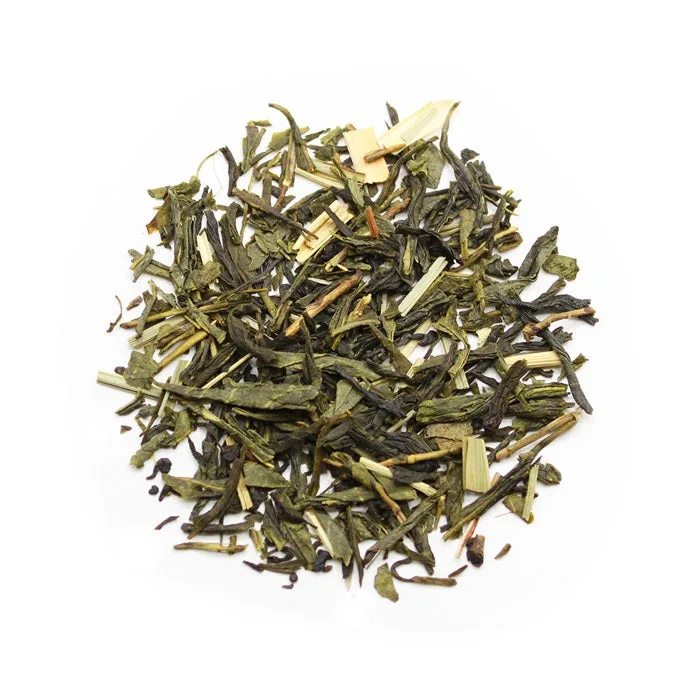
Thai Coconut: Description: A very delicate green sencha with lively lemongrass and sweet creamy coconut. The base is green sencha, not a herbal infusion, which is the key to the caffeine question.
Thai Coconut
-
Thai Coconut: Ingredients: Green tea, lemongrass, coconut, natural flavour. This is the full ingredient list provided, so sweetness and caffeine claims should be checked against these four components.
-
Thai Coconut: Flavour notes: Coconut, lemon. The lemon note comes from lemongrass, not necessarily added citrus—useful when evaluating 'sweet' versus 'bright' claims.
Myth 1: Thai Coconut tea is caffeine-free
- The claim: Because it tastes like coconut and carries a Thai name, shoppers often assume it is a herbal or fruit tea with no caffeine.
- What the catalog shows: The first ingredient is green tea. Green tea is made from the Camellia sinensis plant, so the blend contains caffeine by nature of its base.
- What is not confirmed: The catalog does not state a caffeine amount per cup or per gram. Anyone quoting a specific milligram figure for this tea is going beyond the available information.
Myth 2: The coconut makes it a sweet tea
- The claim: Coconut is associated with desserts, so the tea is often described as sugary or dessert-like.
- What the catalog shows: The description uses the phrase 'sweet creamy coconut' as a flavour note, and the ingredient list includes coconut and natural flavour. No added sugar appears in the supplied ingredients.
- What is not confirmed: The catalog does not state a sugar content. 'Sweet' here describes the impression of coconut creaminess, not a measured sweetness level.
Myth 3: There is an official steeping method on the label
- The claim: Shoppers often look for a precise water temperature and steep time printed on the pack.
- What the catalog shows: The supplied product record contains no preparation or operating instructions. That means we cannot quote a manufacturer-recommended temperature or duration.
- What is not confirmed: The absence of steeping directions in the catalog does not prove the packaging lacks them. Check the pack you receive for any brewing guidance.
How to approach steeping without a label guide
Because no official steeping parameters are supplied, treat any recipe you find online as a starting point rather than a manufacturer instruction. The blend's green sencha base is the most useful clue: green teas are generally brewed cooler and shorter than black teas to avoid bitterness, but the catalog does not give exact figures for this product.
A practical approach is to brew a small cup, taste it, and adjust one variable at a time—either water temperature or steep time—until the lemongrass and coconut sit comfortably alongside the green tea. If the cup turns sharply bitter, the usual culprit is water that is too hot or a steep that ran long; reduce one of those on the next attempt.
Myth 4: Coconut pieces in the blend mean it is a coconut tea first
- The claim: Visible coconut suggests the drink is primarily a coconut infusion.
- What the catalog shows: Green tea is listed first in the ingredients, followed by lemongrass, coconut, and natural flavour. The description also leads with 'green sencha'.
- What this means for your cup: Expect the green tea base to carry the cup, with coconut and lemon as flavouring accents rather than the main body.
What about allergens and dietary claims?
The supplied record lists coconut as an ingredient, which is relevant for anyone avoiding tree nuts. However, the catalog does not provide allergen statements, 'may contain' warnings, or certifications for this product. It also does not confirm whether the blend is suitable for specific diets. If you have a serious allergy or a restricted diet, check the packaging or contact the seller directly rather than relying on the ingredient list alone.
Sizes available for trying Thai Coconut
- Thai Coconut: Available sizes: 50g and 500g. A smaller bag lets you test the flavour and your own steeping approach before committing to a larger amount.
- Thai Coconut: Catalog price: USD 5.37, with a catalog comparison price of USD 8.95. Price is shown for reference; check the current listing for the size you select.