Why turmeric mint tea attracts big claims
Turmeric Mint Herbal Tea sounds like it should do everything: calm, cleanse, support immunity, aid digestion. The ingredient list—Himalayan turmeric, spearmint, peppermint, orange peel, lemongrass, cinnamon and black pepper—reads like a wellness headline. But a long ingredient list is not the same as a proven daily regimen. This article separates what the supplied product record actually says from common myths, so you can decide how this blend fits your routine.
The product record describes a caffeine-free herbal infusion with traditional Ayurvedic roots. It also lists potential benefits such as immune support and digestion aid. Those are product descriptions, not clinical findings. Treat them as starting points for your own experience, not guarantees.
Myth 1: "It's caffeine-free, so it's automatically safe all day"
- What the record confirms: The blend is described as a caffeine-free herbal infusion. That means it will not deliver the caffeine jolt of green or black tea.
- Where the myth overreaches: Caffeine-free does not mean side-effect-free. Herbal ingredients can still affect people differently. The record does not provide a daily maximum, and it does not state that the blend is suitable for everyone. If you are pregnant, nursing, on medication or managing a health condition, ask a healthcare professional before making it a daily habit.
Myth 2: "You can drink as much as you want"
The product record lists pack sizes of 50, 75 and 100 tea bags, but it does not include a recommended number of cups per day. That absence is a decision limitation, not permission to drink unlimited amounts. A sensible approach is to start with one cup and see how you feel. If you enjoy it and tolerate it well, you can make it part of your routine—but there is no evidence in the record to support a specific daily target. Anyone looking for a precise answer to "how much turmeric mint tea per day" should treat online numbers with caution unless they come from a qualified professional who knows their health history.
Myth 3: "The listed benefits are proven for everyone"
- What the record says: The product description mentions immune support, digestion aid, detoxification and respiratory support. These are framed as traditional or general wellness associations, not as guaranteed outcomes.
- What it does not say: There are no clinical studies, dosage instructions or timelines in the supplied record. Individual responses vary. If you are looking for a specific therapeutic effect, this tea is not a substitute for medical advice or treatment.
Myth 4: "Turmeric mint tea has no side effects"
No herbal tea is universally side-effect-free. The record does not list known side effects, interactions or allergen information. That does not mean none exist—it means the supplied information is incomplete on this point. Some people may be sensitive to certain herbs, such as mint or cinnamon. If you notice any discomfort, stop drinking it and consult a healthcare professional. Do not assume that because a tea is natural, it cannot cause reactions.
What the Turmeric Mint Herbal Tea record actually confirms
-
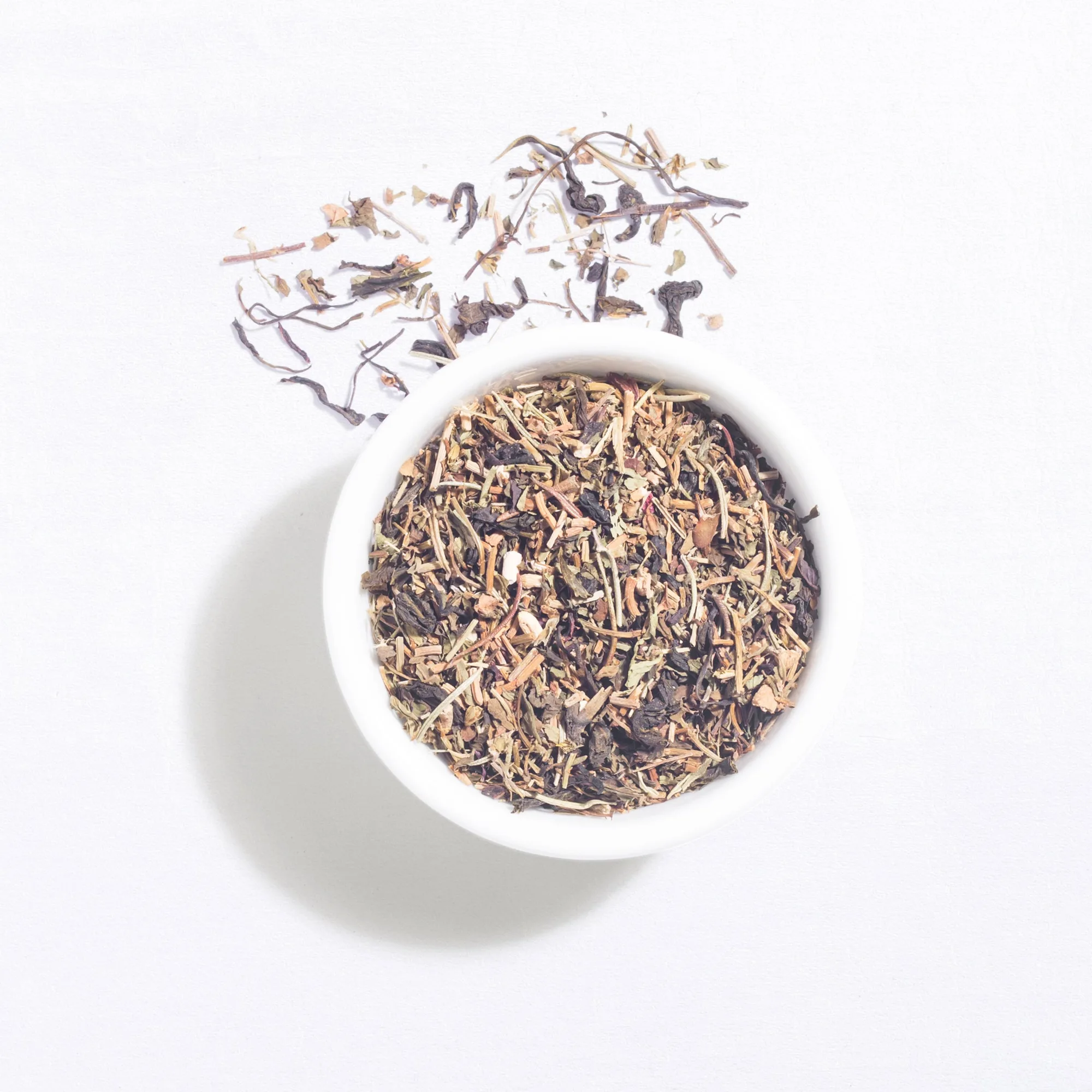
Turmeric Mint - Herbal Tea: Caffeine-free herbal infusion with Himalayan turmeric, spearmint, peppermint, orange peel, lemongrass, cinnamon and black pepper. Supports the caffeine-free claim and shows the blend's complexity, which is relevant to sensitivity and taste.

Turmeric Mint - Herbal Tea
-
Turmeric Mint - Herbal Tea: Available in packs of 50, 75 and 100 tea bags. Pack size affects how long a daily habit lasts and how much you commit to trying.
-
Turmeric Mint - Herbal Tea: Described as combining traditional Ayurvedic ingredients with cooling herbs for a soothing, golden infusion. Clarifies the product's positioning as a wellness blend, not a medicine.
How to make a daily cup without overdoing it
The record does not provide brewing instructions, so we cannot give a verified method. A practical starting point is to follow the directions on the pack if they are included, or use a standard herbal tea preparation: one tea bag per cup, freshly boiled water, and a steep time that suits your taste. Start with one cup a day and adjust based on how you feel. If you want to drink it more often, keep notes on any changes you notice. This is not medical advice—it is a common-sense way to explore a new blend while staying attentive to your body.