Quick answer
For most TRX and bodyweight workouts, choose a weighted vest that lets you adjust in small increments and stay snug without restricting your shoulders. Start with 5–10% of your body weight, then add load only when your form holds. If you mainly run or do high-impact work, prioritize a vest that locks down tight; if you mainly lift or do suspension work, prioritize a vest that won't shift when you lean.
Why a weighted vest changes bodyweight and TRX training
A weighted vest adds load without changing the movement pattern. That makes it useful for push-ups, rows, squats, and planks where you already control the range of motion. In TRX training, the vest also changes your center of gravity. A vest that sits high on your chest can pull you forward in a row or push you off balance in a lunge. A vest that sits low and tight tends to stay quieter. The practical rule: the more dynamic the exercise, the more important the fit becomes.
How much weight should you start with?
Start lighter than you think. A common starting point is 5–10% of your body weight for general strength work, and closer to 5% for running or jumping. If you cannot complete your normal reps with the same control, the vest is too heavy for that session. Use a vest with removable or adjustable weights so you can add load in small steps. Fixed-weight vests are simpler and often cheaper, but they lock you into one load. If you train several disciplines — suspension, running, and conditioning — an adjustable vest is usually the better long-term buy.
Fit and positioning: where the vest should sit
A weighted vest should sit close to your torso, not bounce on your shoulders. The waist strap should carry most of the load, and the shoulder straps should stay snug without digging into your neck. Test this by raising your arms overhead and doing a slow squat. If the vest rides up or slides forward, it is too loose or the weight is positioned too high. For TRX rows and push-ups, a vest that hugs your ribcage will move with you instead of swinging away. If you have a short torso, look for a vest with a shorter panel; if you have a long torso, look for a longer panel to distribute weight.
Materials, breathability, and durability
Weighted vests use either sand, steel, or cast-iron plates. Sand vests tend to be softer and cheaper but can shift inside the pockets. Steel and cast-iron plates stay put but feel firmer against your body. Breathability matters if you sweat heavily. Look for mesh panels or moisture-wicking fabric. Durability comes down to stitching and closures. Reinforced stitching at the shoulder and waist straps is a good sign. If you plan to run, check that the vest has a secure chest strap and does not have hard edges that rub.
Weighted clothing vs. a weighted vest
Weighted clothing — like weighted shirts, shorts, or sleeves — distributes load differently than a vest. It can be useful for adding resistance to specific areas, but it is harder to adjust and often less stable for dynamic movements. For TRX and bodyweight training, a vest is usually the more practical choice because you can keep the load centered and secure. If you already own a vest, weighted clothing can be a supplement for light accessory work, not a replacement for a well-fitted vest.
When to skip the vest and use other tools
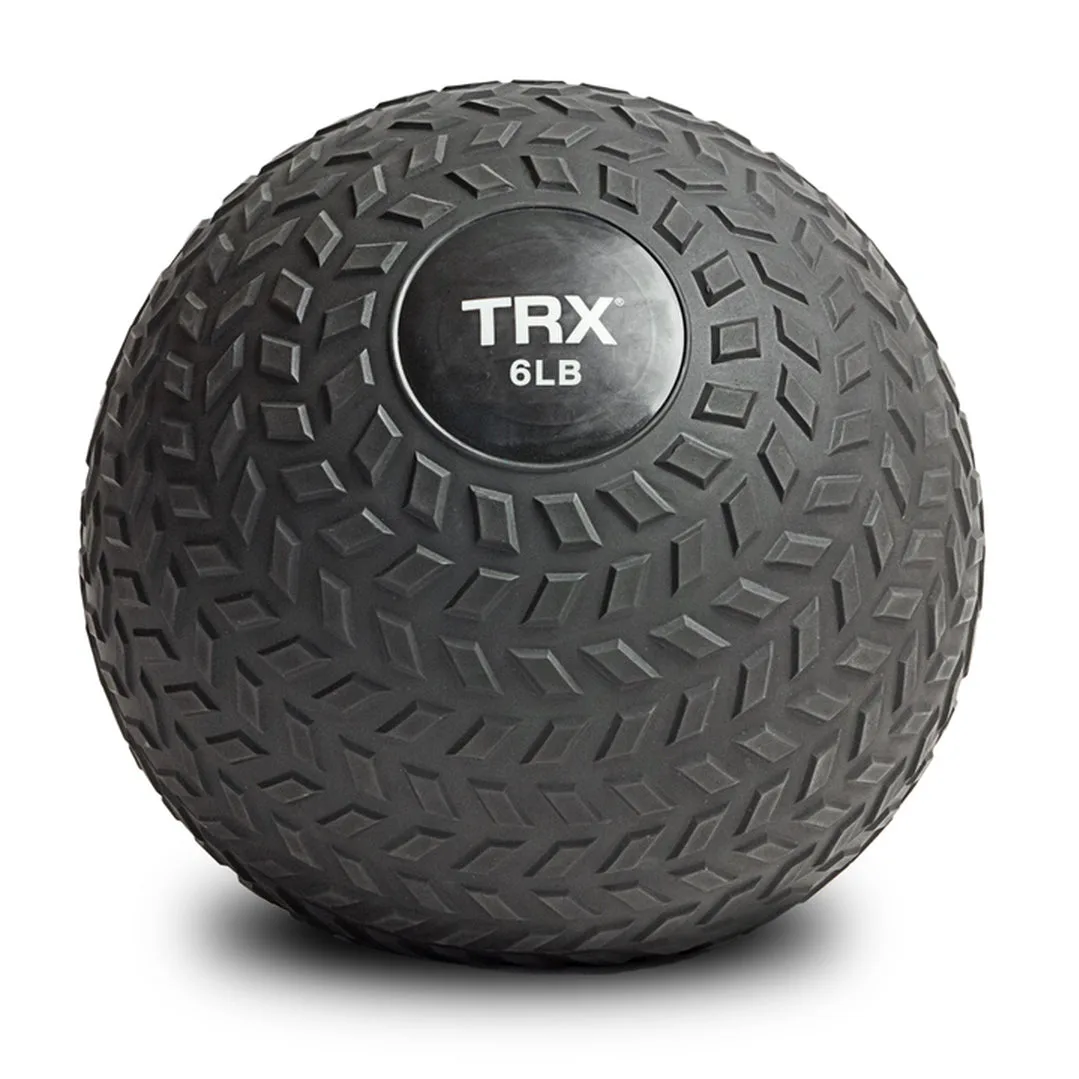
A weighted vest is not the only way to add intensity. If your goal is power, cardio, or rotational strength, a slam ball can be more effective and easier to control. The TRX Slam Ball has a grooved tire tread texture and a no-slip grip, and it is designed to be bounce-resistant. That makes it a better fit for slams, throws, and core work than a vest. If you want to add load to your lower body without wearing anything, a medicine ball or slam ball can fill that role. Use a vest when you want to keep the movement pattern and add resistance; use a ball when you want to add speed and impact.
Decision rules for buying a weighted vest
- Match the vest to your primary activity: For TRX and bodyweight strength, choose a vest with a snug waist strap and low-profile plates. For running, choose a vest with a secure chest strap and breathable mesh. For mixed training, choose an adjustable vest with removable weights. If you cannot test it in person, buy from a seller with a clear return policy.
- Set a starting load and a progression rule: Start at 5–10% of body weight for strength, 5% for running. Add load only when you can complete all reps with the same tempo and range of motion as without the vest. If your form breaks, remove weight before adding reps.
- Check fit at three points: Shoulder straps should not dig into your neck. The waist strap should carry most of the weight. The vest should not ride up when you raise your arms overhead. A vest that shifts during a squat will shift more during a TRX row.
- Decide between fixed and adjustable: Fixed vests are simpler and often cheaper, but you cannot change the load. Adjustable vests cost more and may have bulkier pockets, but they let you progress in small steps. If you train more than one discipline, adjustable is usually worth it.
- Plan for care and storage: Most weighted vests are wipe-clean only. Check whether the weights are removable so you can wash the shell if needed. Store the vest flat or hanging to keep the straps from curling. If the vest is not washable, use a liner or wear a base layer.
TRX gear that pairs with weighted training
- TRX SLAM BALL: TRX SLAM BALL has a grooved tire tread texture, no-slip grip, and bounce-resistant construction. Useful for power and rotational work when a vest would restrict movement or add unwanted bounce.
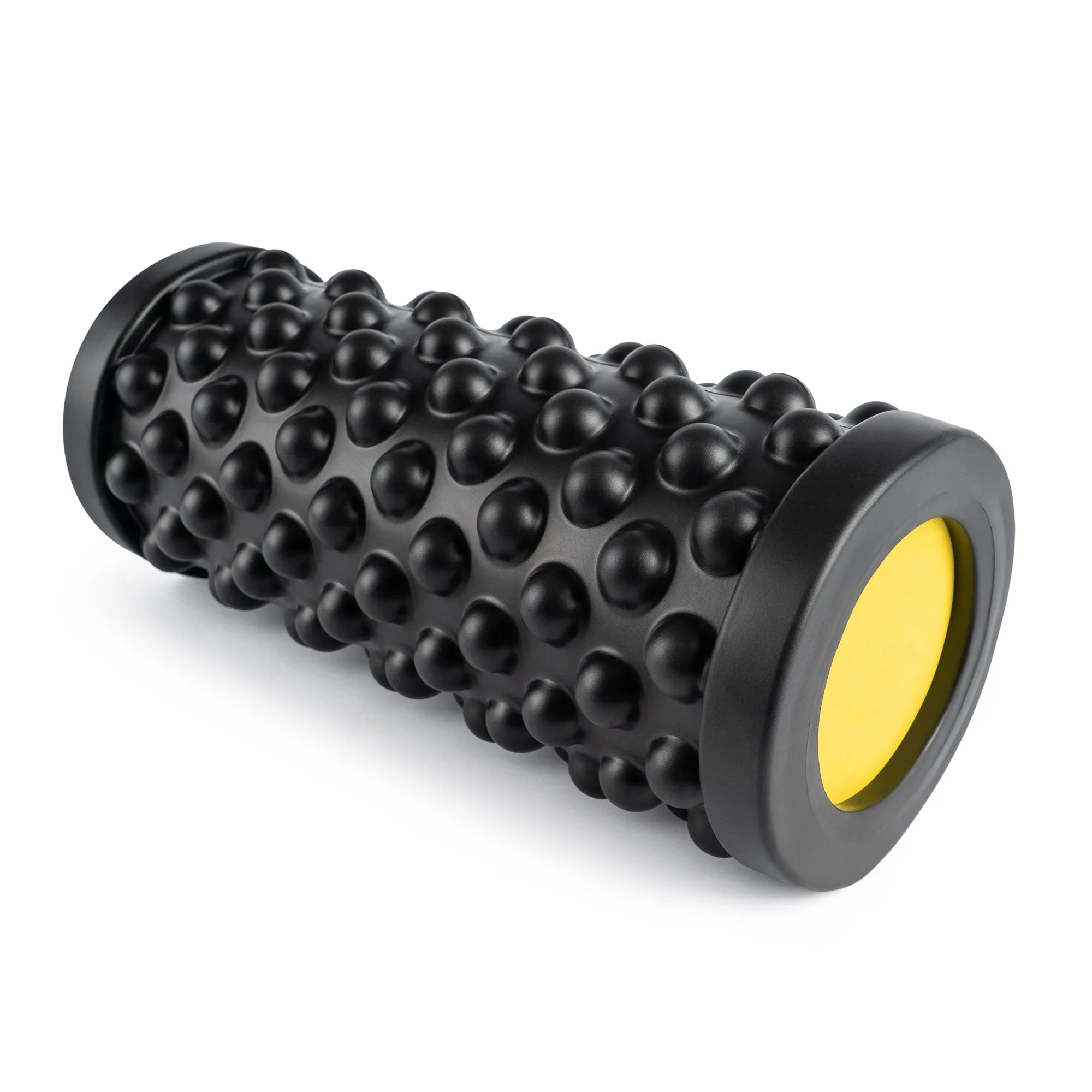
- TRX REV ROLLER: TRX REV ROLLER has smooth rings on each end for deep-tissue release and trigger points for tension in the neck, back, knees, and hips. A recovery tool that helps you manage tightness from added load, so you can train consistently.
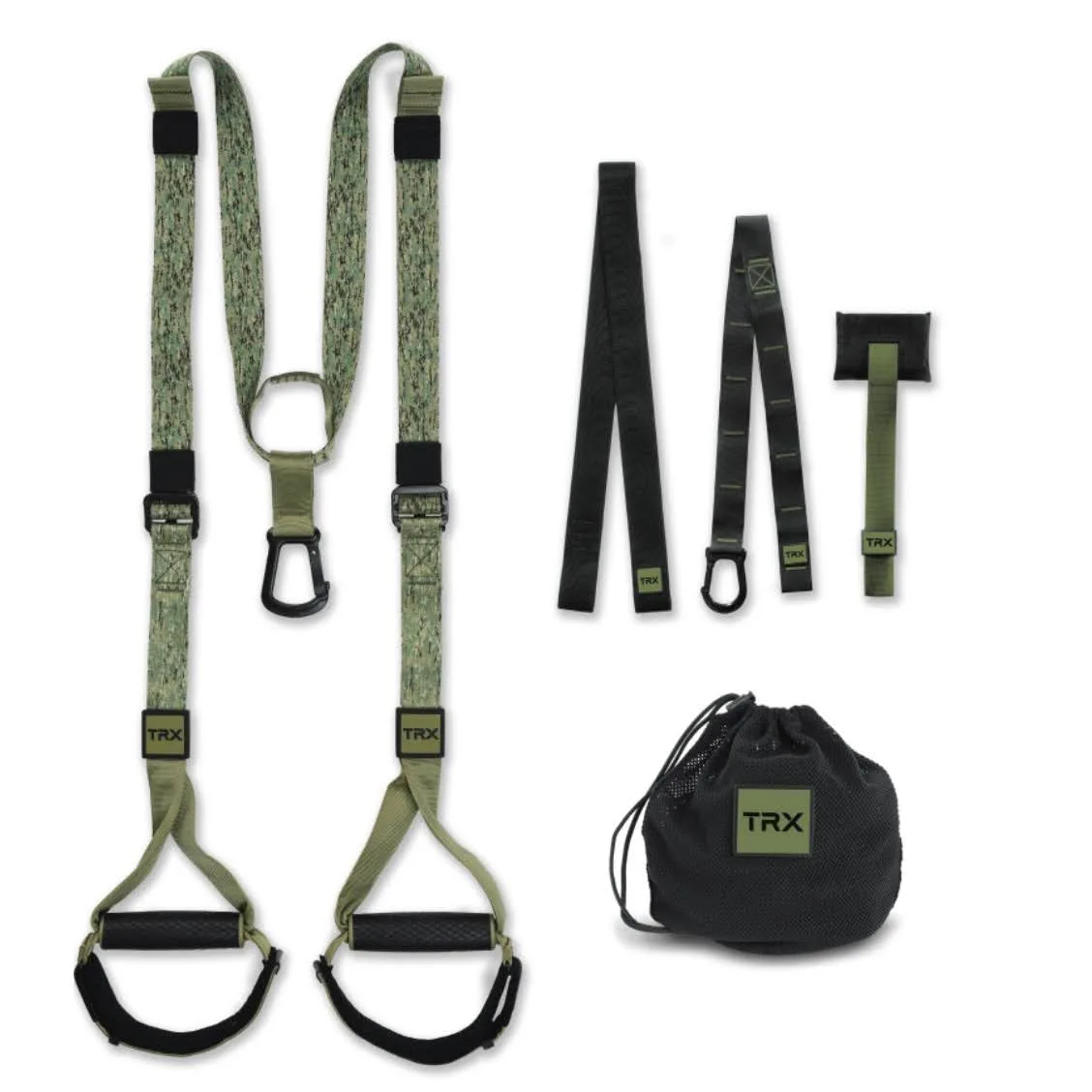
- TRX® PRO4 CAMO: TRX PRO4 CAMO kit includes a suspension trainer, door anchor, suspension anchor, Xtender, and mesh carry bag. Gives you a complete suspension setup to pair with a weighted vest for full-body strength without a gym.
Who should buy a weighted vest
Best for
- People who want to add load to push-ups, rows, squats, and planks without changing the movement
- TRX users who want to progress bodyweight exercises without adding a barbell
- Runners who want to add resistance to short, controlled runs
- Home gym users who want one adjustable tool for strength and conditioning
Not for
- Anyone with shoulder, neck, or back pain that worsens with added load
- Runners who need to maintain race pace or high mileage
- People who want explosive power work — a slam ball or medicine ball is a better fit
- Anyone who cannot commit to starting light and progressing slowly