Quick answer
There is no single winner in wet vs dry cat food. Wet food is the stronger choice for hydration and for fussy cats, while dry food is more convenient and usually cheaper per meal. Most cats do best on a mixed plan: wet food as the main meal and a measured portion of dry food for free-feeding or as a reward.
Hydration: the clearest difference between wet and dry
Cats evolved to get most of their water from prey, so many are poor at drinking enough from a bowl. Wet food delivers water as part of the meal, which is why it is often the first change vets suggest for cats that need more moisture in their diet. Dry food contains very little water, so a cat on dry-only needs to drink more to compensate.
- If your cat rarely drinks, wet food is the more reliable hydration route.
- If you feed dry only, keep multiple water bowls and refresh them daily.
- Sudden increases in thirst or urination are a vet question, not a food question.
How much wet food for cats: a starting ratio
A practical mixed plan is roughly two-thirds of the daily calories from wet food and one-third from dry, then adjust based on body condition. For a typical 4 kg adult cat, that often works out as one to two cans of wet food plus a small measured portion of dry. Treat the number as a starting point, not a rule.
- Weigh your cat monthly and adjust portions up or down by about 10%.
- Split wet food into two meals so it is eaten fresh.
- Measure dry food with a scale or cup rather than topping up the bowl.
Dry cat food pros and cons in a mixed diet
Dry food is convenient, stays fresh in the bowl, and works well for free-feeding or puzzle feeders. The trade-offs are lower moisture and easy overfeeding, because kibble is calorie-dense and owners often refill without measuring. Dry food also does not help much with a cat that is already under-hydrated.
- Pros: shelf-stable, budget-friendly, useful for food puzzles, easy to portion for multiple cats.
- Cons: low moisture, easy to overfeed, less appealing to cats with a reduced sense of smell.
Wet food for fussy cats and how to switch safely
Wet food usually wins with fussy cats because aroma drives appetite, and a pate or shredded texture is easier to eat for cats with dental discomfort. Switching too fast causes stomach upset, so mix a small amount of wet into the current food and increase it over seven to ten days. Warm the wet food slightly to boost the smell if your cat walks away.
- Start with a teaspoon of wet food mixed in, then build up.
- Try a different protein or texture before deciding your cat hates wet food.
- Refrigerate opened wet food and use it within two days.
Wet vs dry: the trade-offs at a glance
- Hydration: Wet food adds water with every meal; dry food relies on your cat drinking enough. Choose wet as the main meal if your cat drinks little.
- Cost and convenience: Dry food is cheaper per meal and can be left out; wet food needs refrigeration once opened. Use dry for free-feeding and wet for scheduled meals.
- Fussy eaters and dental health: Wet food appeals through aroma and texture, while dry kibble can support chewing and dental care. Mix both if your cat is fussy but also needs dental support.
Two products that show the trade-off in practice
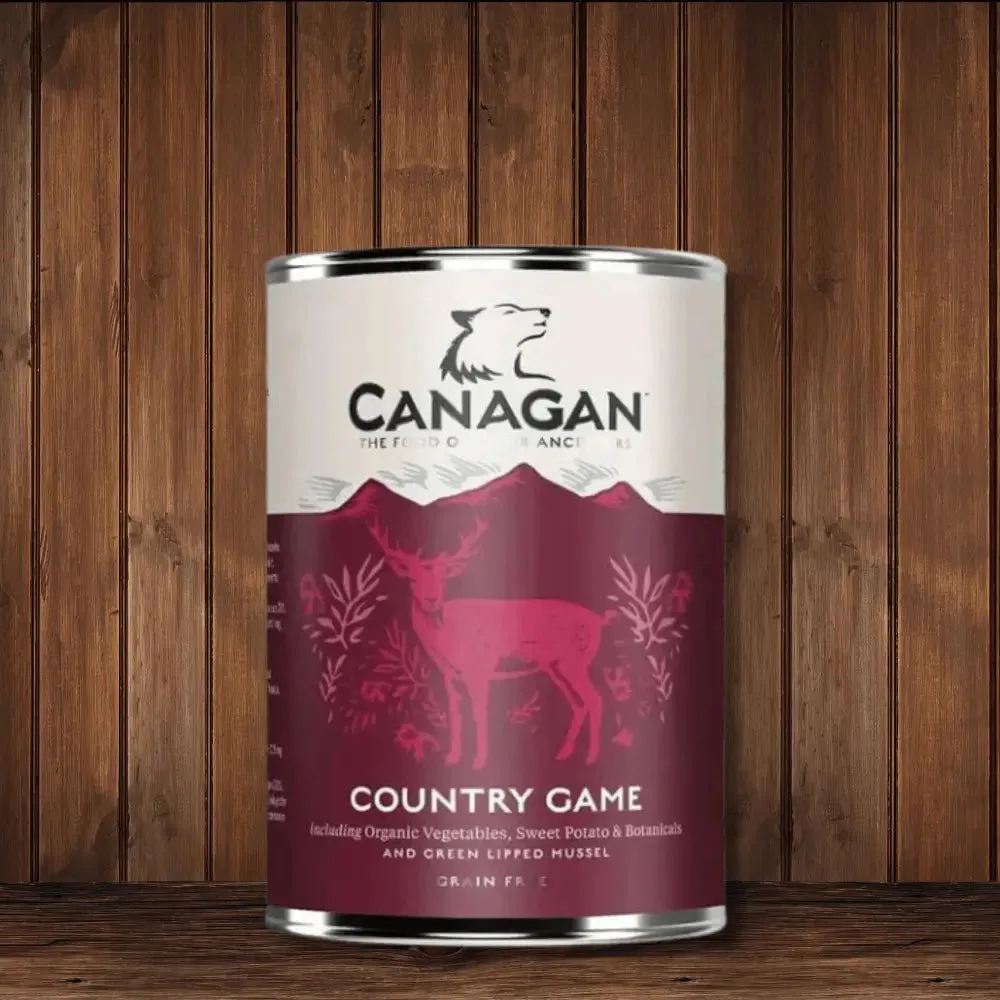
- Canagan Wet Dog Food Can - Country Game: Canagan Wet Dog Food Can - Country Game is a complete and balanced grain-free food with organic vegetables, fresh meat and chelated minerals, and the can and packaging are fully recyclable. A complete wet food can carry the main meal while adding moisture, and the recyclable packaging is a practical plus if you feed wet daily.
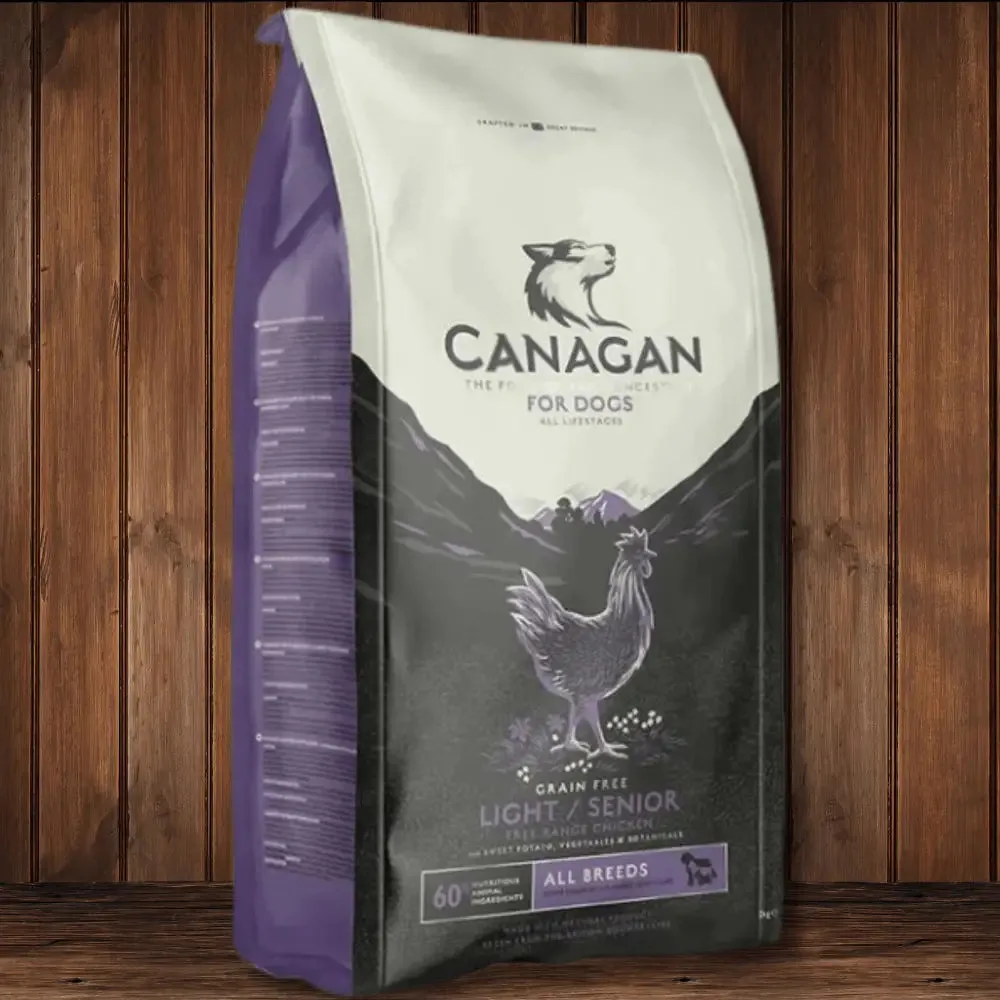
- Canagan Dry Dog Food Light / Senior: Canagan Dry Dog Food Light / Senior is formulated with lower fat and calorie content for older or overweight dogs while maintaining protein levels for strong muscles. If your cat is overweight or slowing down, a lower-calorie dry food used as a measured portion keeps the convenience of kibble without overfeeding.
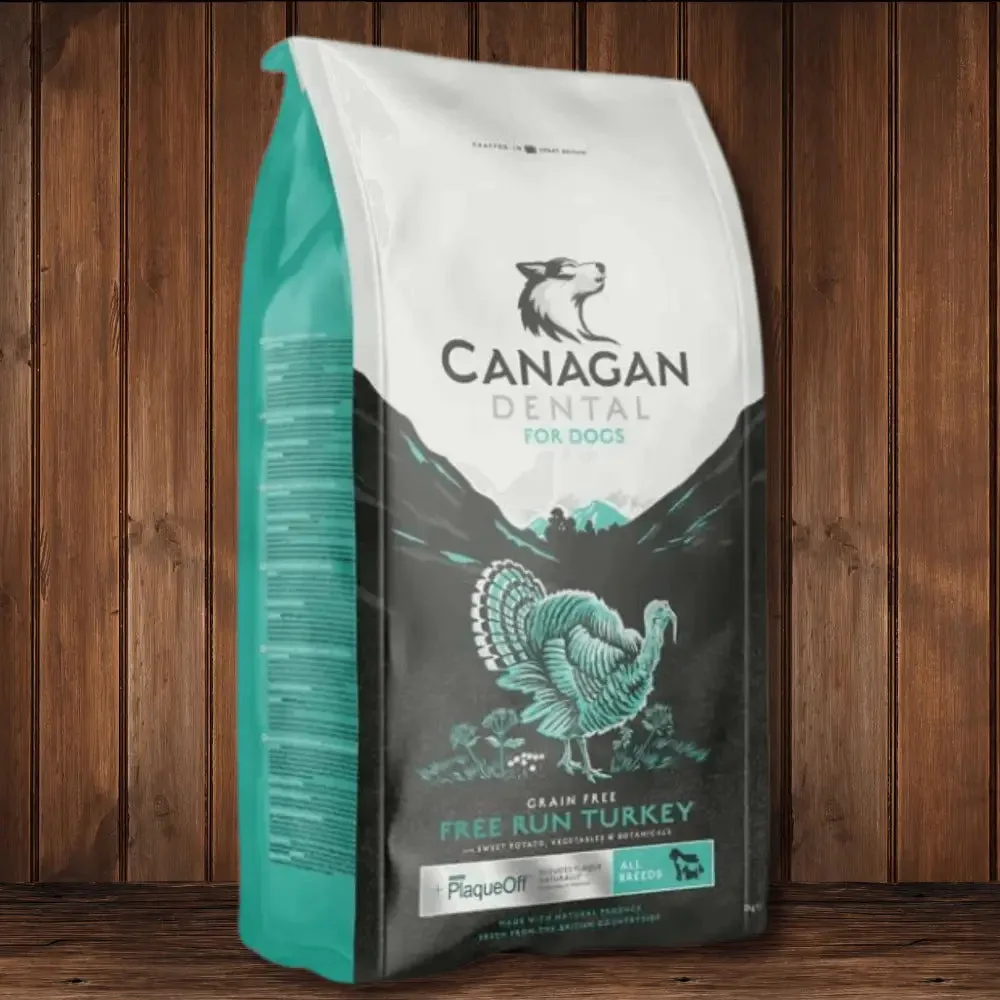
- Canagan Dry Dog Food Small Breed Dental for Dogs: Canagan Dry Dog Food Small Breed Dental is a grain-free dry formula with kibble size designed for easy chewing and a dental blend to help maintain healthy teeth and gums. Dry food can earn its place through chewing and dental support, which is a genuine advantage wet food does not offer.
Which feeding style fits your cat
Best for
- Cats that drink very little or have a history of urinary issues
- Fussy cats that walk away from kibble
- Owners who can feed scheduled wet meals twice a day
Not for
- Owners who need food left out all day with no refrigeration
- Cats on a vet-prescribed diet unless the vet approves the change
- Households where the cost of wet food per meal is not manageable