Quick answer
Most babies aren't ready for a walker ride-on until they can sit steadily without support and pull themselves up to standing, which usually happens around 9 to 12 months. Before those signs appear, a push toy or a parent-controlled trike is a safer way to build the same muscles. Always check the product's stated age range and supervise every session.
The readiness signs that matter more than age
Age is a rough guide, not a green light. Watch for three physical milestones: sitting unsupported for several minutes, bearing weight on both legs when you hold their hands, and pulling up on furniture. A baby who can do all three has the trunk control and hip stability to sit on a walker ride-on without slumping. A baby who still topples sideways when seated is not ready, even if they've hit the typical age window.
Walker ride-on vs. push toy: which comes first
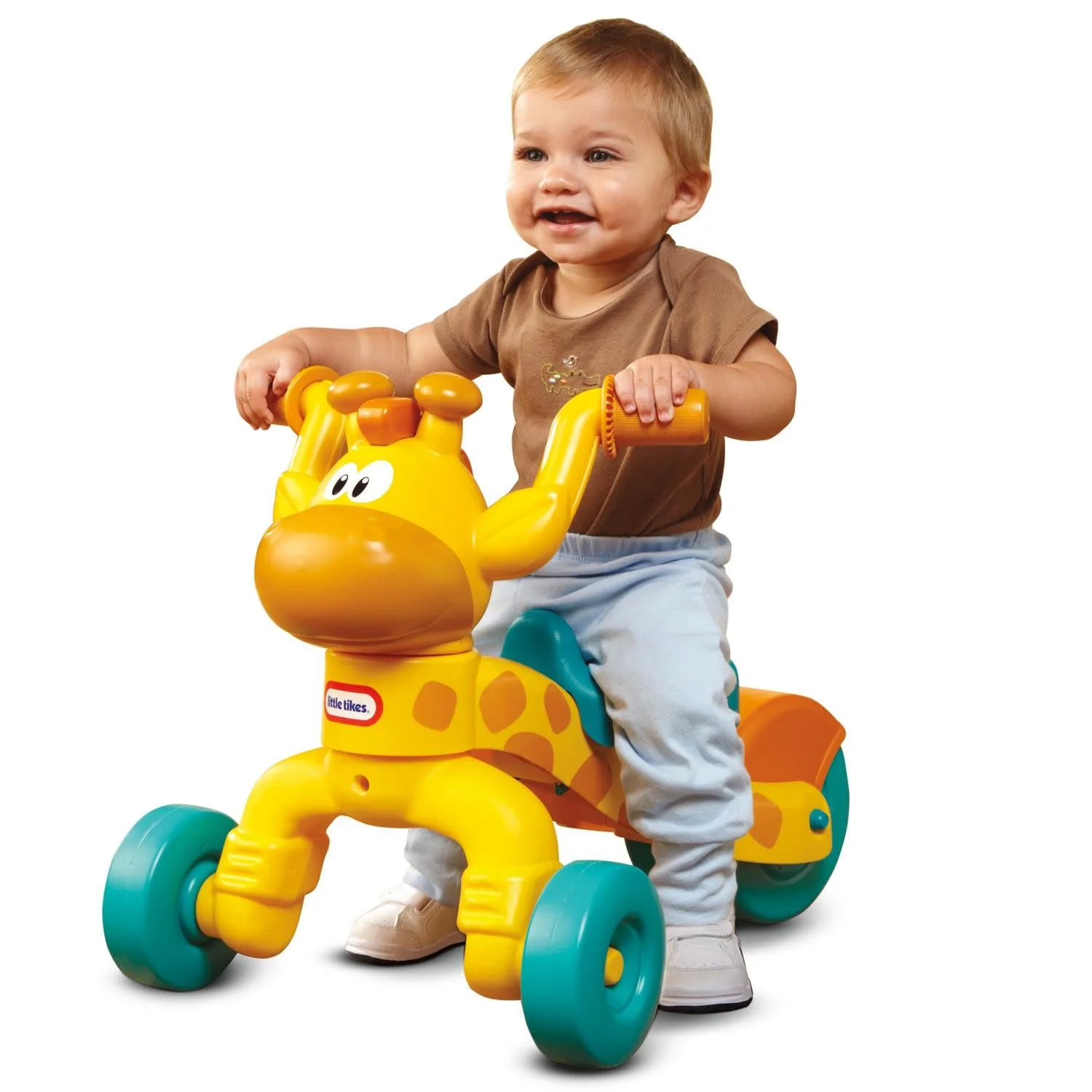
A push toy is a frame the baby stands behind and pushes while walking. A walker ride-on is a seat on wheels the baby straddles and scoots or is pushed on. Push toys usually come first because they let a baby practice standing and stepping without needing to balance on a seat. Once your baby can climb onto a low seat and stay upright, a ride-on becomes useful. Many families use both in the same month: push toy for active practice, ride-on for rest-and-ride play.
Safety rules that apply to every walker ride-on
Use walker ride-ons only on flat, smooth surfaces indoors or on a paved, debris-free patio. Keep them away from stairs, pools, driveways, and sloped lawns, because a small wheel can tip or roll faster than a toddler can react. Stay within arm's reach the entire time. Check the seat height and any adjustable parts before each use so nothing slips mid-ride, and stop using the walker if your child tries to stand on the seat rather than sit.
How to pick a walker ride-on that grows with your child
Look for an adjustable seat or a multi-stage design so the toy stays useful after the first month. A parent-controlled steering option helps during the early stage, then converts to child-controlled riding later. Check the catalog age range and weight guidance on the product page rather than guessing, and choose a low seat height so your child's feet can touch the floor or footrests comfortably.
Quick answers to common walker questions
Can a 6-month-old use a walker ride-on?
Most 6-month-olds can't sit unsupported yet, so a walker ride-on isn't appropriate. Use floor play and a parent-controlled trike in the fully supported stage instead. Wait for steady sitting before any seated ride-on.
Is a walker ride-on the same as a baby walker with a seat?
No. A walker ride-on is a low, foot-powered toy. A traditional baby walker with a suspended seat is a different product and has different safety guidance. Check which type you're buying before comparing age ranges.
How long can a child use a walker ride-on?
With an adjustable seat or multi-stage design, many children use one from about 9 months into the preschool years. Without adjustment, most outgrow it within a year. Adjustability is the feature that extends the useful life.
What if my baby is walking early?
Early walkers can still enjoy a ride-on for scooting and pretend play, but they may prefer a push toy or trike. Follow your child's interest rather than the calendar. Readiness signs beat a fixed age number.
Products that match each stage
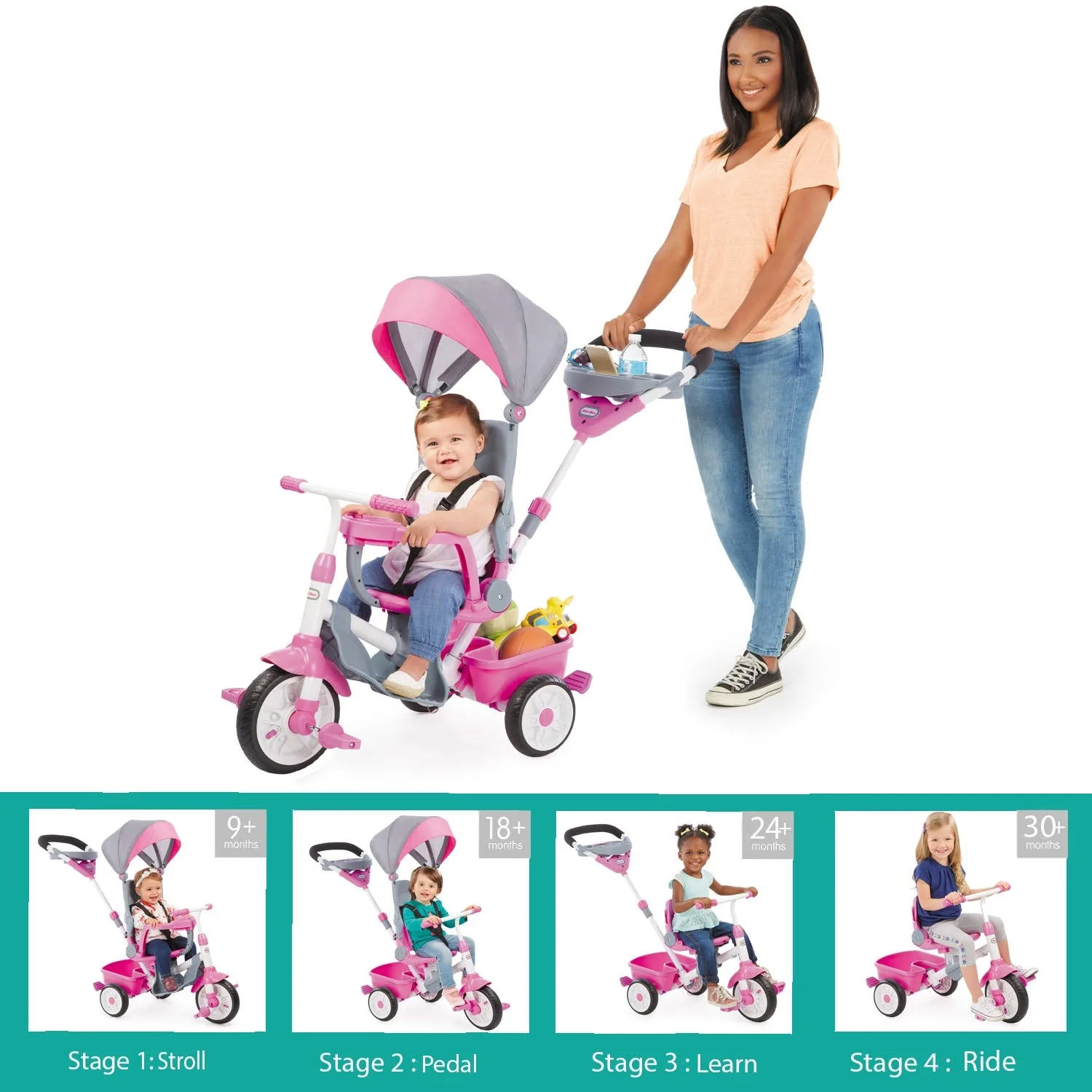
- Perfect Fit™ 4-in-1 Trike - Teal: Perfect Fit 4-in-1 Trike - Teal covers four stages from 9 months to 5 years, starting with parent-controlled steering and pushing. It lets a 9-month-old ride safely before they can steer, then hands over control as they grow.
- Go & Grow™ Unicorn: Go & Grow Unicorn has an adjustable seat that adapts as your toddler grows. A seat that moves means the ride-on stays comfortable and usable for more than one season.