Quick answer
Good Luck Minis are small Safari Ltd animal figures sold individually and in themed sets, priced low enough that most kids and collectors can add several at a time. Buy one or two first to check the scale and detail against your expectations, then build around a single theme such as wildlife, farm, or sea life instead of buying randomly. If you want a collection that stays organized, decide on a storage box and a theme before your second order.
Good Luck Minis sit in an awkward but useful spot: too small to be a display centerpiece, too detailed to be a throwaway party favor. That is exactly why they work as a first collection. A child can hold one in a fist, a collector can line twenty of them on a shelf, and neither has to spend much to get started.
The catch is that 'mini' means different things to different buyers. Some people want a pocket toy for travel, some want a science shelf, and some want a birthday-party set that does not cost a fortune. This guide gives you decision rules for each case, using real Safari Ltd figures as reference points for size, price, and detail.
What Good Luck Minis actually are
Good Luck Minis are miniature animal figurines produced by Safari Ltd and sold both as single figures and in larger assortments. They are painted, solid figures rather than plush or poseable toys, and the range covers wildlife, farm animals, dinosaurs, sea life, and mythical creatures. Because they are small, they work as desk decorations, cake toppers, sensory-bin filler, or the start of a themed shelf.
The practical difference between a Good Luck Mini and a standard Safari Ltd figure is scale and price. A mini is small enough to lose in a couch cushion and cheap enough that losing one is annoying rather than devastating. That trade-off is the whole point: you get real species detail at a size that fits in a pencil case.
- Check the figure's listed size before buying if you plan to pair it with an existing set.
- If a product page does not state a dimension, treat that as an unknown rather than assuming it matches another mini.
How to choose a theme before you buy
Random buying is the fastest way to end up with forty figures and no collection. Pick one theme first: African wildlife, farm animals, dinosaurs, birds, or sea life. A theme gives you a natural stopping point, makes storage easier, and turns the shelf into something a child can actually talk about instead of a pile of unrelated animals.
Theme also affects price per figure. Single minis in the catalog sit in the low single digits, while multi-piece track and play sets cost far more. If your goal is a large collection on a small budget, singles are the better path. If your goal is a complete play scene, a set is more efficient than buying pieces one at a time.
- Write down your theme and stick to it for at least the first ten figures.
- Photograph each new figure before storage so you can check for duplicates later.
Scale, detail, and what 'mini' really means
Mini figures are not scaled to each other the way model railroad pieces are. A mini leopard cub and a mini dinosaur can be similar in size even though the real animals were wildly different. That is fine for play and for collecting, but it matters if you want a scientifically consistent lineup.
Detail level is the bigger surprise. Small figures can still carry species-specific features such as coat markings, beak shape, or plate and spine placement. The Kentrosaurus Toy, for example, is described as having plates toward the front half of its back and spines running down the rear half, which is the actual anatomical difference between it and Stegosaurus. That level of accuracy is what separates a collectible mini from a generic plastic animal.
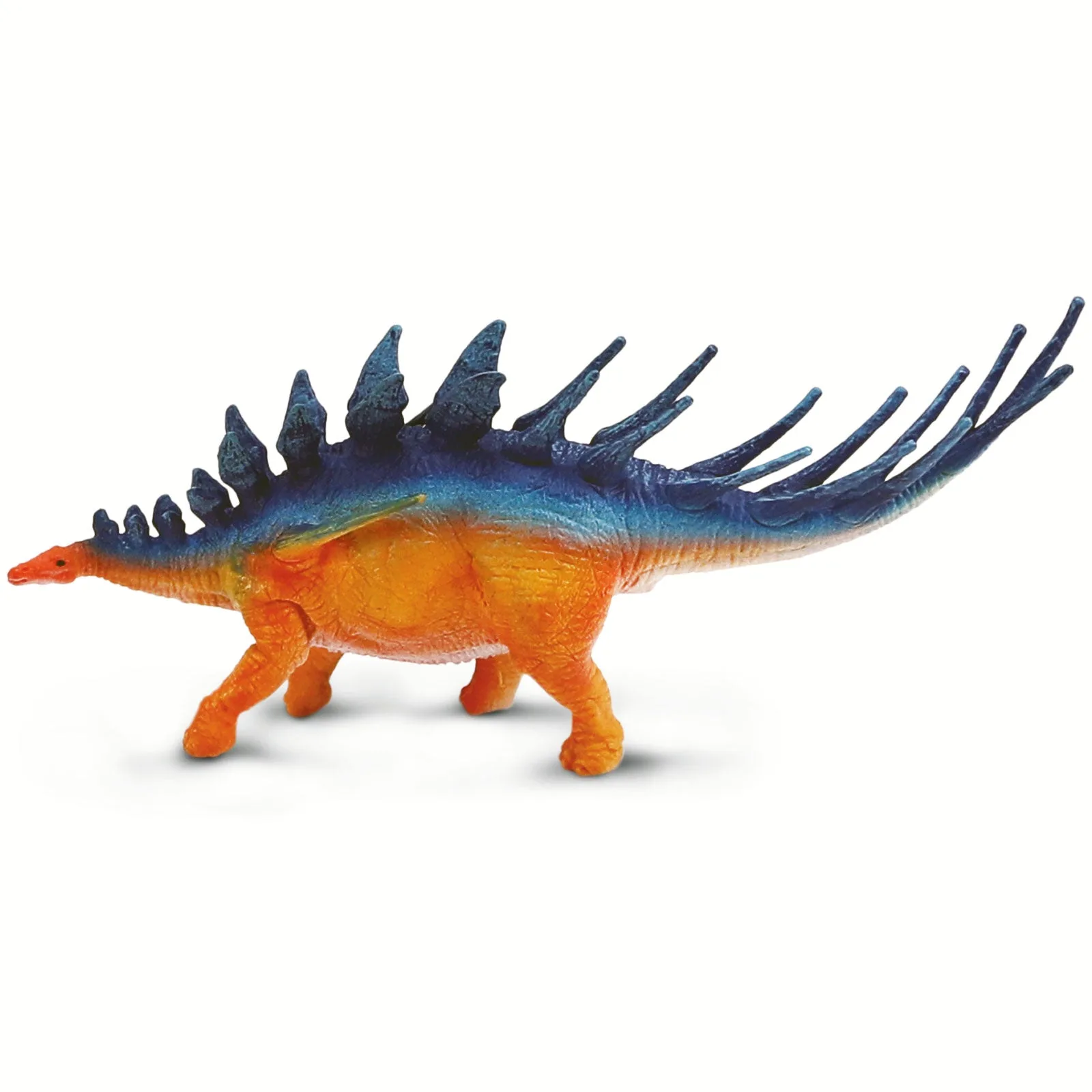
Kentrosaurus Toy
- Judge detail up close, not from a thumbnail photo.
- If scientific accuracy matters, read the catalog description rather than relying on the product name alone.
Storage and display rules that prevent clutter
Small figures multiply fast and disappear faster. Decide on a container before you buy the tenth mini: a compartment box, a shallow tray, or a labeled jar all work. The container should be small enough that a missing figure is obvious, because that is how you catch losses early instead of discovering them months later.
For display, group by theme rather than by purchase date. A row of birds, a row of farm animals, and a row of dinosaurs reads as a collection; a mixed pile reads as clutter. If children are using the figures for play, keep a separate 'play handful' of five or six figures and store the rest out of rotation.
- Label compartments by theme so refiling takes seconds.
- Keep the display shelf above toddler reach if the figures are small enough to be a choking hazard.
Age, safety, and honest limitations
Mini figures are small objects. If a child still puts toys in their mouth, minis are the wrong choice regardless of how cute the animal is; choose a larger figure or a soft toy instead. For older children and adult collectors, the size is an advantage because the figures fit in pockets, pencil cases, and travel bags.
The other limitation is variety within a single order. Assortment sets and themed bundles may not let you choose specific figures, and some listings note that themes are selected at random. If you need one exact animal for a gift or a school project, buy that single figure rather than gambling on an assortment.
- Check the stated age recommendation on each listing before buying for a young child.
- For a specific animal, buy the single figure; for volume, buy the assortment.
Decision rules for starting a Good Luck Minis collection
- Rule 1: Pick a theme before your third figure: Choose one category such as wildlife, farm, birds, or dinosaurs and stay inside it until you have at least ten figures. A theme makes duplicates obvious and gives the collection a visible shape on the shelf. If you cannot name your theme in one word, you are buying randomly.
- Rule 2: Buy one single figure before any set: A single figure lets you judge paint detail, weight, and size against your expectations. Sets and assortments are better value per piece, but they lock you into whatever mix the listing provides. Test with one, then scale with a set.
- Rule 3: Match the figure to the user, not the shelf: For a child under the stated age recommendation, choose a larger figure or a soft toy. For a collector or an older child, minis are practical because they store in a compartment box and travel in a pocket. Small size is a feature for collectors and a hazard for toddlers.
- Rule 4: Decide storage before the collection outgrows it: A compartment box or labeled tray keeps figures findable and makes missing pieces obvious. Without a container, minis scatter into drawers and car seats and the collection quietly shrinks. No container, no collection.
- Rule 5: Buy the exact animal as a single, buy volume as an assortment: If you need one specific species for a gift, a school project, or a themed display, order that single figure. If you want a broad starter group and do not mind which animals arrive, an assortment or bundle is the cheaper route. Specific need equals single figure; general need equals set.
Real figures to anchor your first collection
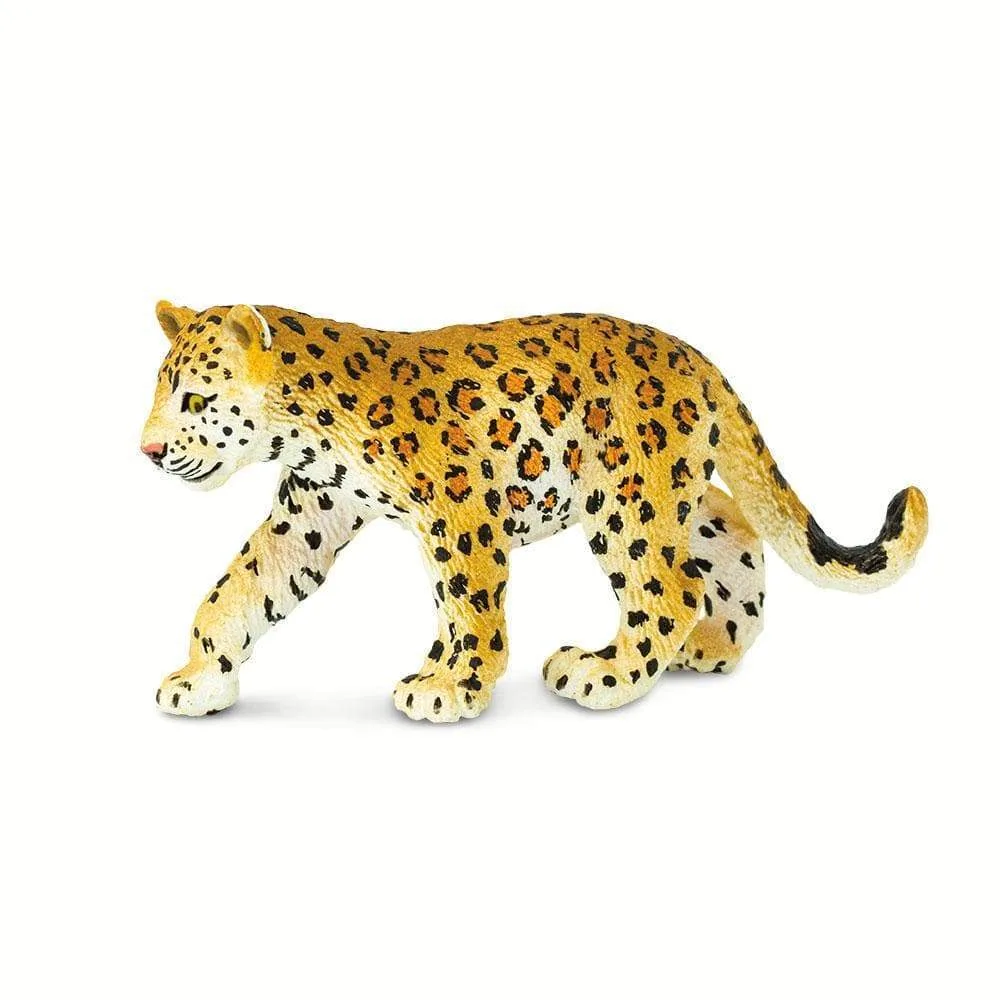
- Leopard Cub Toy: Leopard cubs are born with their eyes closed and rely on their mothers for protection and food, and leopards do not go out on their own until they are about 2 years old. A single cub figure works as a conversation starter about animal development, which makes it a stronger first mini than a generic animal shape.
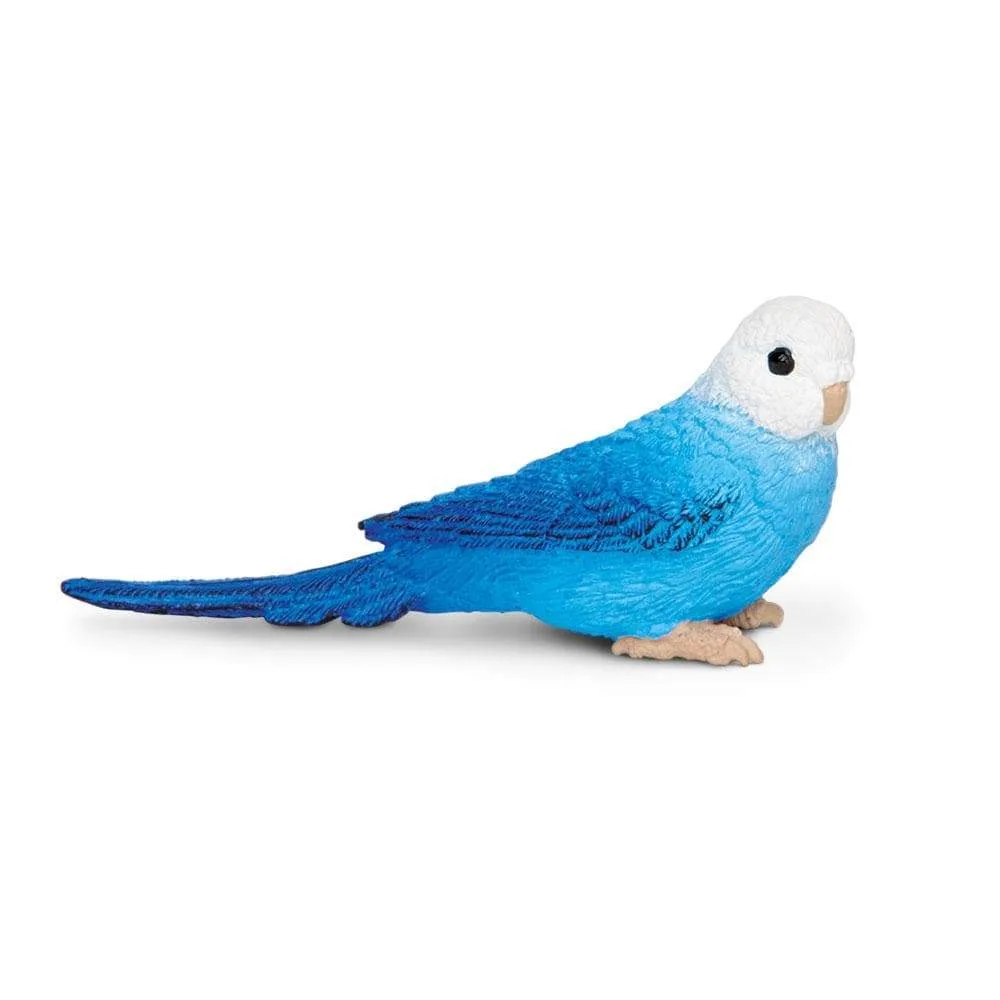
- Blue Budgie Toy: The blue budgie is one of many color variations of the budgie, also called the budgerigar or parakeet, and budgies are the third most popular pet in the world. Bird keepers and pet owners can build a themed shelf around a species they already know, which keeps a collection focused instead of random.
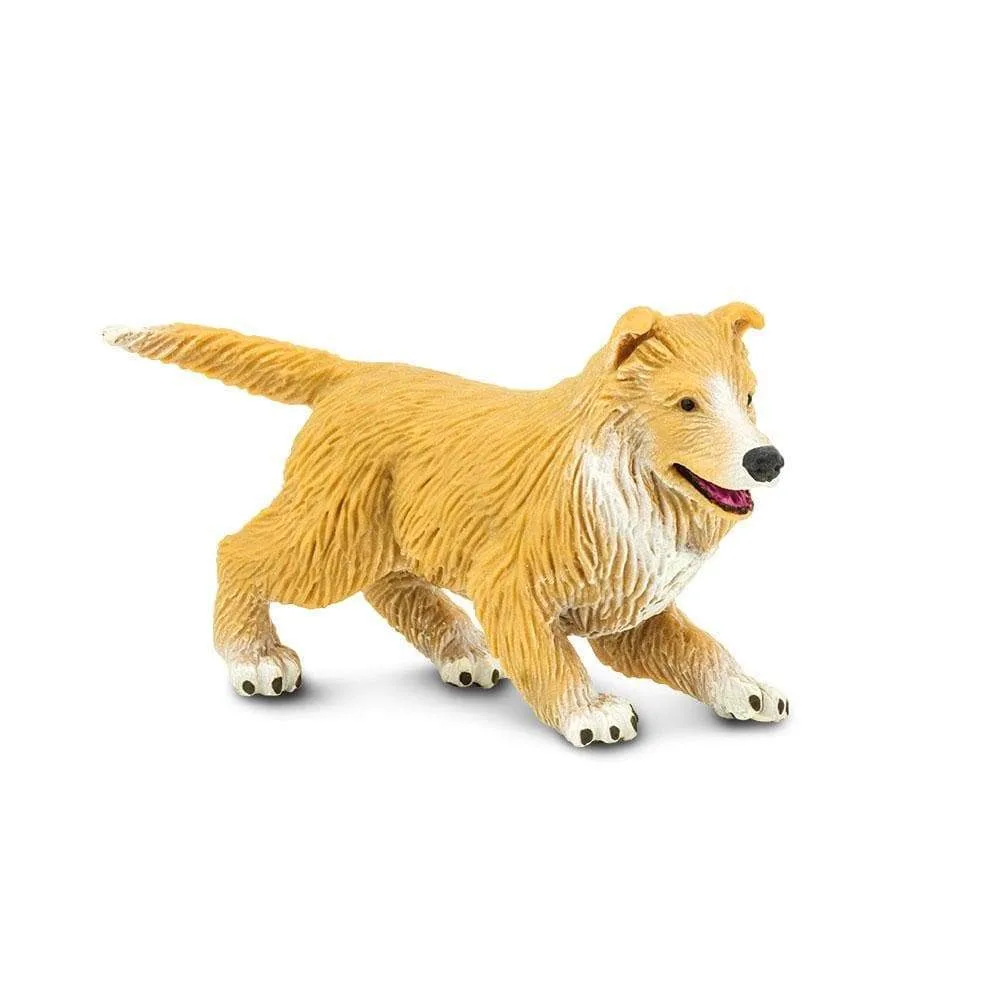
- Collie Puppy Toy: Collies are described as proud, graceful, and devoted, and the breed ranks 37th in American Kennel Club popularity. Dog-themed minis appeal to families who want a figure tied to a real breed rather than a fantasy animal, and the puppy pose suits younger collectors.
- Kentrosaurus Toy: Kentrosaurus had plates toward the front half of its back and spines running down the rear half, unlike Stegosaurus, which had plates on its back and spines on its tail. This is the clearest example of why mini figures can be educational: the anatomy is specific enough to compare two dinosaurs side by side.
Who Good Luck Minis are right for
Best for
- Collectors who want a themed shelf of small animal figures at a low cost per piece
- Parents buying pocket-sized travel toys for children past the mouthing stage
- Teachers and homeschool families using figures for animal, dinosaur, or habitat lessons
- Pet owners who want a figure of a species they already keep, such as a budgie or a collie
Not for
- Toddlers who still put small objects in their mouths
- Buyers who need one guaranteed specific animal from a random assortment
- Shoppers looking for a large statement display piece rather than a shelf filler
- Children who prefer plush or poseable toys over solid painted figures
Good Luck Minis reward a little planning. Pick a theme, test the scale with one figure such as the Leopard Cub Toy or Kentrosaurus Toy, and set up storage before the collection grows. Do that, and a handful of tiny animal figurines turns into a collection instead of a drawer of loose plastic.