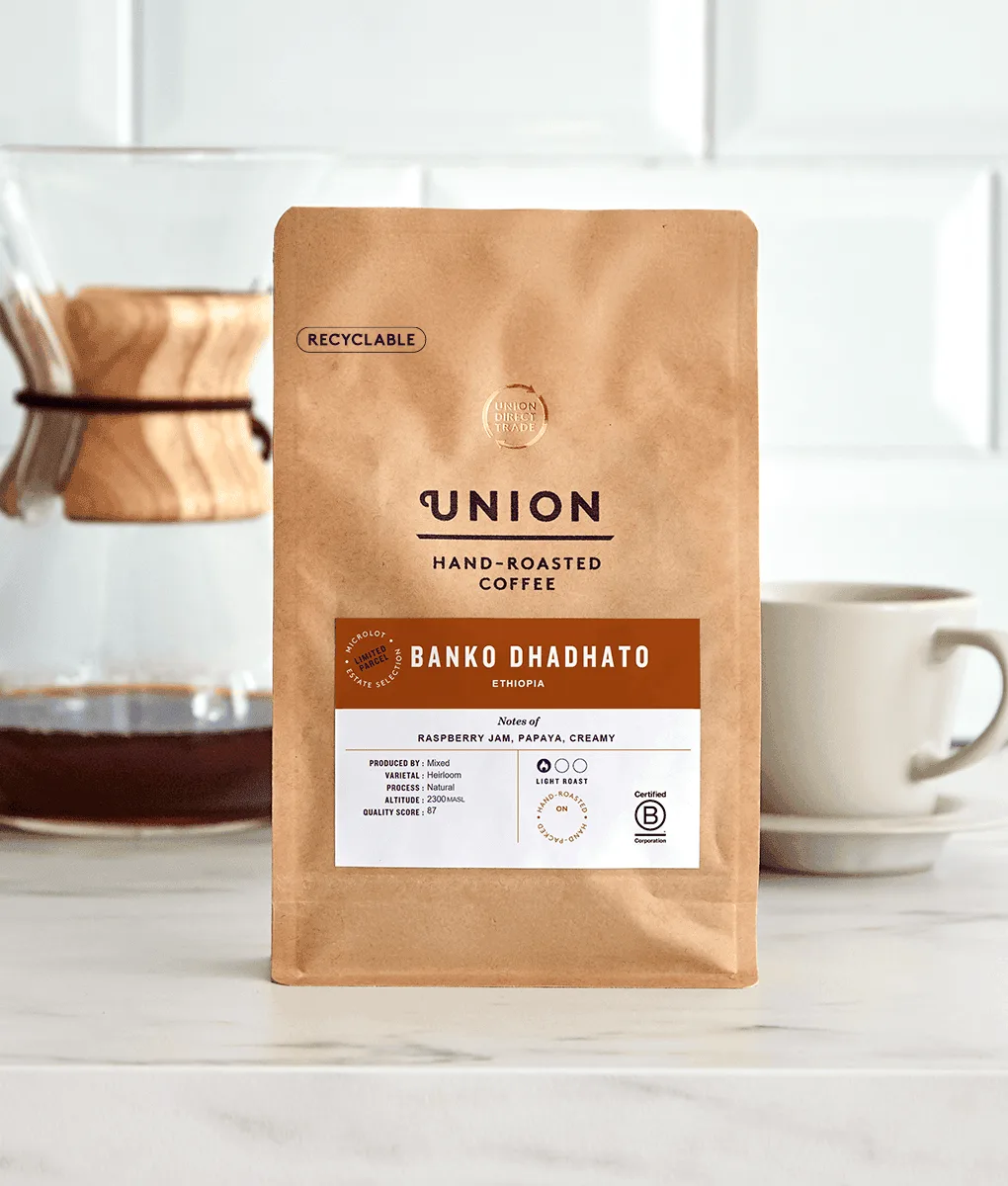
If you’ve browsed the menu at a specialty coffee shop or explored our online roastery, you’ve likely come across the term “microlot coffee.” It sounds exclusive, and for good reason. Microlot coffees represent the pinnacle of coffee sourcing—small batches of beans that are carefully selected for their unique flavor profiles, often scoring 85 points or higher on the Specialty Coffee Association (SCA) scale.
But what exactly defines a microlot? How is it different from a single origin or a blend? And why should you, as a coffee lover, care? In this guide, we’ll break down everything you need to know about microlot coffee, from farm to cup, and highlight some exceptional examples you can try right now.
What Is a Microlot Coffee?
A microlot is a small, distinct batch of coffee that comes from a specific section of a farm, a particular harvest day, or even a single row of trees. Unlike standard single-origin coffees, which may blend multiple lots from the same farm or region, microlots are isolated to preserve their unique characteristics. These lots are often processed separately and cupped (tasted) individually to ensure quality and consistency.
The term “microlot” originally emerged in the specialty coffee industry as a way for farmers to receive higher prices for their best beans. By separating out the highest-quality cherries, producers can sell them directly to roasters who value traceability and flavor distinction. For the consumer, this means a coffee that tells a specific story—of a particular microclimate, soil type, and processing method.
- Small batch size: typically 1–10 bags (60–70 kg each) per lot.
- High traceability: you can often trace the coffee to a specific plot or even a single farmer.
- Exceptional cup score: microlots usually score 85+ points, often reaching 90+.
Microlot vs. Single Origin vs. Blend: Key Differences
Many coffee drinkers confuse microlot with single origin, but they are not the same. A single-origin coffee comes from one country, region, or farm, but it may still be a blend of several lots from that farm. A microlot, on the other hand, is a single lot—often the best lot—from that farm. Blends, by contrast, combine beans from multiple origins to achieve a balanced, consistent flavor profile.
For example, our Natural Spirit, Organic Blend is a carefully crafted blend designed for espresso and milk-based drinks. Meanwhile, a microlot like Los Lajones Catuai, Panama is a single-variety, single-lot coffee from a specific farm in Panama. The flavor of a microlot can be dramatically different from a blend or even a standard single origin, offering notes that are rare and fleeting.
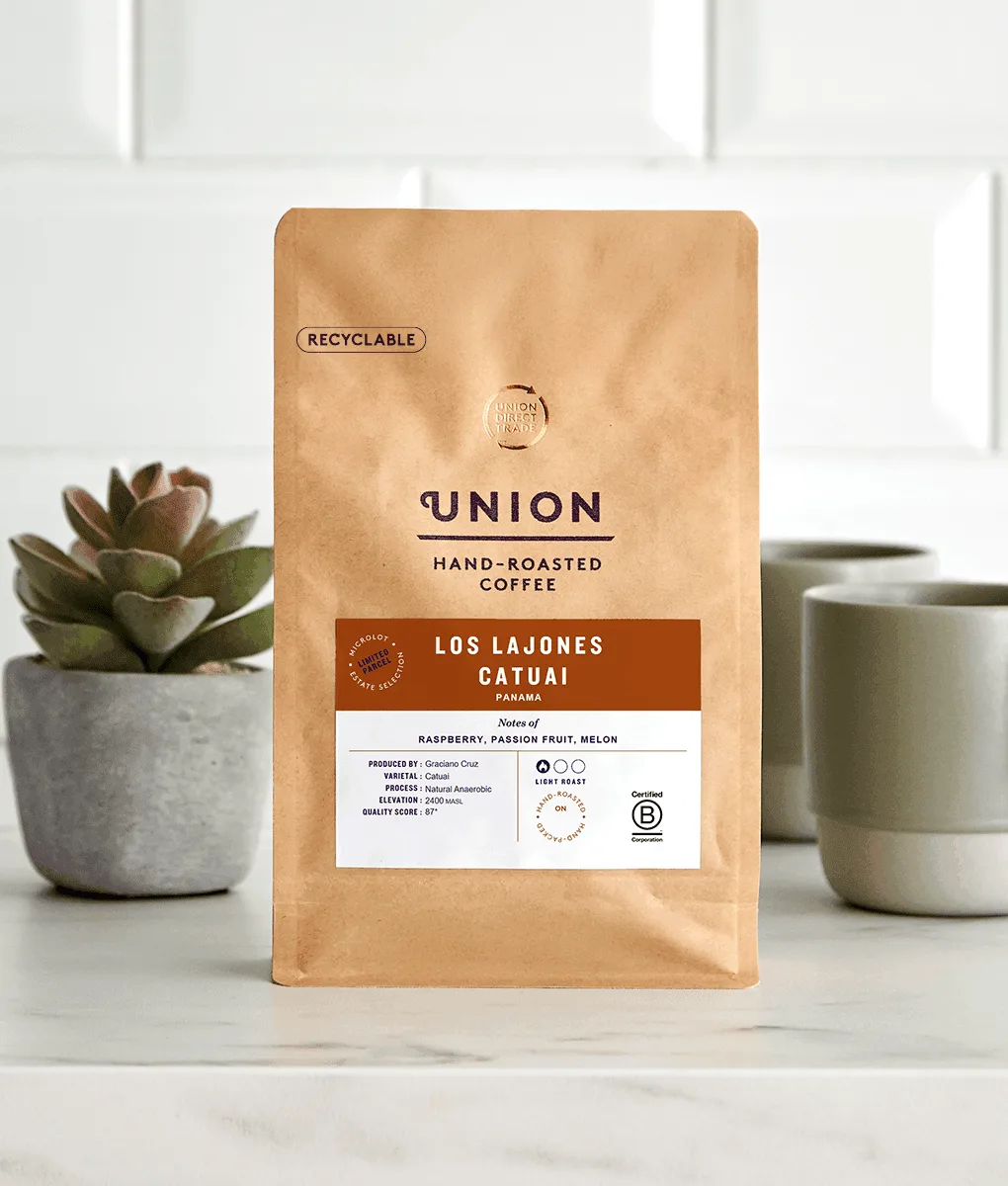
Los Lajones Catuai, Panama
Why Are Microlot Coffees So Special?
Microlot coffees are special for several reasons. First, they represent the highest level of craftsmanship from the farmer. By isolating the best cherries, farmers can experiment with processing methods—such as natural, honey, or washed—to enhance specific flavor notes. Second, because the batch is small, roasters can fine-tune their roast profile to bring out the best in each lot.
Third, microlots often come from rare or heirloom varieties that are not widely grown. For instance, our Yayu Wild Forest, Ethiopia is a microlot from wild coffee trees in Ethiopia’s forests, offering a complex, floral, and fruity cup that you won’t find in a standard blend. Finally, drinking a microlot is an experience of discovery—each batch is unique, and once it’s gone, it’s gone forever.
- Limited availability: once sold out, the same lot may never be available again.
- Distinct flavor profile: expect notes like jasmine, bergamot, stone fruit, or dark chocolate.
- Supports sustainable farming: farmers earn a premium for their best lots.
How to Enjoy Microlot Coffee at Home
To fully appreciate a microlot coffee, we recommend brewing it with methods that highlight clarity and complexity. Pour-over brewers like the Hario V60 or Clever Dripper are ideal because they allow you to control extraction and bring out delicate flavors. Use filtered water at 93–96°C and a medium-fine grind. Start with a 1:16 coffee-to-water ratio and adjust to taste.
When tasting, pay attention to the aroma, acidity, body, and finish. Microlots often have a clean, bright acidity and a lingering sweetness. Take notes—it’s part of the fun! And because these coffees are rare, we suggest buying a bag as soon as you see one you’re curious about. For example, our João Hamilton, Brazil is a fantastic microlot with notes of chocolate, caramel, and red fruit—perfect for both pour-over and espresso.
- Grind just before brewing for maximum freshness.
- Use a gooseneck kettle for even pour-over extraction.
- Store beans in an airtight container away from light and heat.
Microlot coffees are the gems of the specialty coffee world—rare, traceable, and bursting with unique flavors. Whether you’re a seasoned enthusiast or a curious newcomer, exploring a microlot is one of the most rewarding ways to experience coffee. Visit our store to discover our current selection of microlots, including the exquisite Los Lajones Catuai, Panama, and taste the difference that careful sourcing and small-batch roasting can make.