Quick Answer
A sticking shutter button is usually caused by debris under the button, a worn return spring, or a loose aftermarket soft release. Start by cleaning around the button with a blower and a microfiber cloth. If that doesn't work, check whether a soft release is cross-threaded or too tight. If the problem persists, the camera likely needs professional service.
Common Causes of a Sticky Shutter Button
The most frequent culprit is dirt, dust, or dried lubricant that has worked its way under the shutter button. Over time, tiny particles can create friction that makes the button feel gritty or stick in the half-press position. This is especially common if you shoot in dusty or humid environments without a protective case.
Another cause is a worn or weakened return spring inside the shutter mechanism. After thousands of actuations, the spring can lose tension, causing the button to stay depressed or feel sluggish. This is a mechanical wear issue that usually requires a camera service.
If you use an aftermarket soft shutter button, a loose or overtightened unit can also create sticking. A soft release that is not seated properly may tilt the button or press it down unevenly, interfering with the internal mechanism.
How to Fix a Sticky Shutter Button at Home
Start with the simplest fix: clean around the shutter button. Use a rocket blower to remove loose dust, then gently wipe the gap with a microfiber cloth slightly dampened with isopropyl alcohol (70% or higher). Do not spray anything directly into the camera. Let it dry fully before testing.
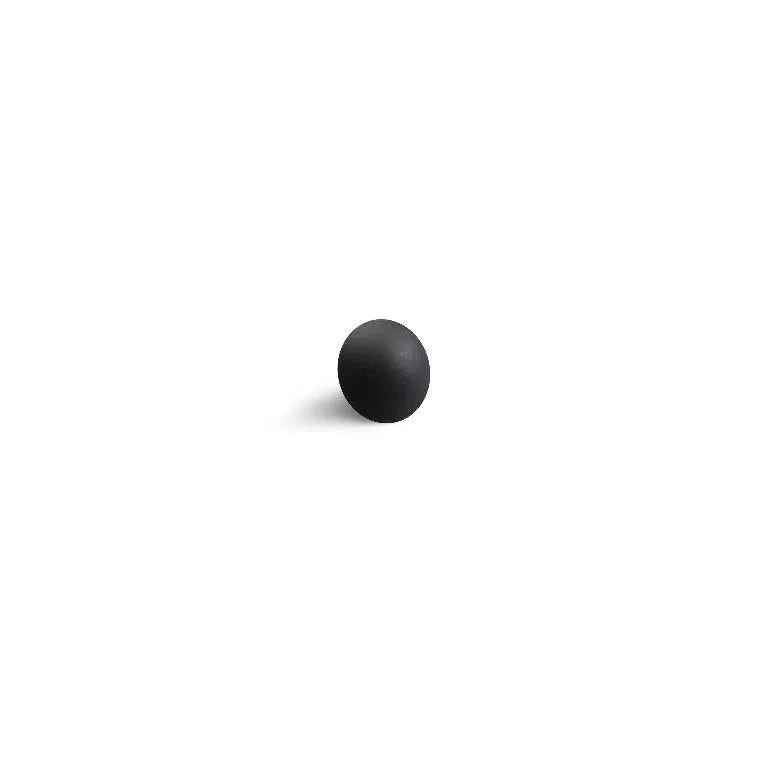
If you have a soft shutter button attached, remove it and check the threads on both the button and the camera. A brass soft release like the SquareHood Mini Soft Shutter Button can be a great upgrade—it makes half-press autofocus easier—but only when it's properly fitted. If the threads are dirty or cross-threaded, clean them with a lint-free cloth and reattach the button gently. Do not overtighten; hand-tight is enough.
If cleaning and checking the soft release don't help, the issue may be internal. Try pressing the button in different spots to see if the stickiness is localized. If it is, the problem is likely mechanical wear. At this point, it's best to stop DIY attempts and send the camera to a qualified repair technician.
When to Stop and Seek Professional Help
If the button remains sticky after cleaning and checking the soft release, do not attempt to open the camera yourself. Modern cameras have delicate ribbon cables and tiny springs that are easy to damage without proper tools. A repair shop can replace the shutter button assembly or clean the internal contacts safely.
Also, if the button is physically stuck in the pressed position or the camera fires continuously without releasing the button, stop using the camera immediately. Continued use can drain the battery and may cause the shutter mechanism to fail entirely.
Diagnosis: Shutter Button Sticking
- Symptom: The shutter button feels gritty, sticks in the half-press position, or requires extra force to release. Identify whether the issue is intermittent or constant.
- Likely Cause: Debris under the button, a worn return spring, or a loose/cross-threaded soft release. Check the soft release first if you use one; otherwise, assume dirt or wear.
- Corrective Action: Clean around the button with a blower and alcohol-dampened cloth. If a soft release is present, remove, clean threads, and reattach gently. If cleaning doesn't solve it, do not open the camera.
- Stop Point: If the button remains sticky after cleaning and checking the soft release, or if the camera fires continuously, stop using it and seek professional repair. DIY internal repair is not recommended—send it to a technician.
Product That Can Help
- SquareHood Mini Soft Shutter Button: The SquareHood Mini Soft Shutter Button is designed to make pushing the shutter button and half-press autofocusing on your camera a little easier. Made from solid brass these buttons are only 7mm in diameter with a convex head rising 2mm above the shutter button. A rubber ring prevents the button from unwinding. A properly fitted soft release can actually reduce the chance of sticking by providing a larger, more stable surface to press. The rubber ring keeps it from loosening, which is a common cause of soft-release-related sticking.