Quick Answer
A crystal pendulum is a weighted crystal suspended from a chain or cord that moves in response to your subconscious micro-movements. It's used as a tool for dowsing, meditation, and decision-making by providing a visual answer to yes/no questions. To use it for decisions, you first establish which movement means 'yes' and 'no,' then ask clear, focused questions and interpret the swing.
Feeling stuck between two options? A crystal pendulum can offer a surprising amount of clarity—if you use it correctly. It's not a magic eight-ball, but a tool that taps into your own intuition and subconscious knowledge.
In this guide, we'll cover what a crystal pendulum does, how to choose one, and a step-by-step method for using it to support your decision-making. We'll also talk about when it's best to put the pendulum down and rely on other approaches.
What Is a Crystal Pendulum and How Does It Work?
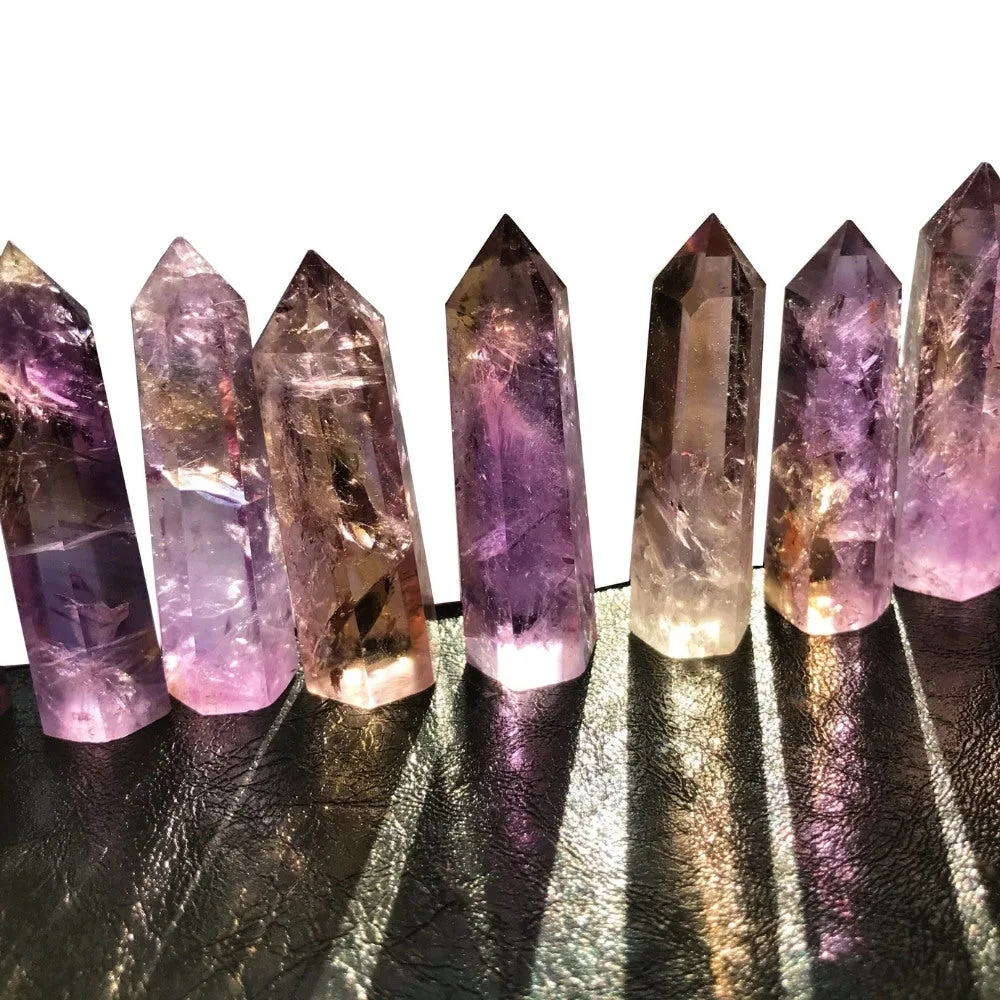
A crystal pendulum is a small, pointed crystal (often a clear quartz, amethyst, or fluorite) attached to a chain or cord. When you hold the top of the chain steady, the pendulum swings in response to tiny, involuntary muscle movements in your hand and arm. These micro-movements are influenced by your subconscious mind, which is why pendulums are used for dowsing and intuitive guidance.
The pendulum doesn't have any special power of its own. Instead, it acts as a physical amplifier of your own inner knowing. By setting a clear 'yes' and 'no' before you ask, you can train your mind to respond consistently, making it a useful tool for reflection and decision-making.
- Choose a pendulum that feels comfortable to hold and that you're drawn to—this helps you stay focused and relaxed.
- Always establish your 'yes' and 'no' responses before asking any question.
How to Use a Crystal Pendulum for Decision Making
Start by finding a quiet, comfortable spot where you won't be interrupted. Sit with your elbow resting on a table and hold the pendulum's chain between your thumb and forefinger, letting the crystal hang freely. Take a few deep breaths to center yourself.
Next, establish your baseline. Ask the pendulum to show you 'yes'—watch the direction it swings (often back and forth). Then ask for 'no'—it may swing side to side or in a circle. Repeat this a few times to ensure consistency. Now you can ask your question. Keep it simple and yes/no focused. For example, 'Should I accept the job offer?' or 'Is this the right time to move?'
- Hold the pendulum still before each question—don't try to influence the swing.
- Pause and clear your mind between questions to avoid mixing answers.
Choosing the Right Crystal for Your Pendulum
Different crystals are associated with different energies, and you might find that certain stones resonate more with you. For decision-making, stones that promote clarity and focus are often recommended. For example, fluorite is known for its ability to harmonize the mind and support new ideas, making it a supportive choice when you're weighing options.
You don't need an expensive pendulum to get started. A simple, natural stone on a chain works just as well as a more ornate one. What matters most is that you feel a connection to the crystal and that it's comfortable to hold.
- If you're new to pendulums, start with a clear quartz or amethyst—they're classic and easy to read.
- Avoid pendulums with very long chains if you have a small workspace; a 6–8 inch chain is often easiest to control.
Common Mistakes and How to Avoid Them
One of the biggest mistakes beginners make is expecting the pendulum to give a definitive answer without any mental preparation. If you're stressed or distracted, the swings may be erratic. Another common error is asking vague or compound questions. 'Should I move to a new city and change jobs?' is too complex—break it down into single, clear questions.
It's also easy to unconsciously influence the pendulum with your own hopes. To reduce bias, try asking a question you don't have a strong opinion about first, as a test. If the answer feels 'off,' take a break and try again later.
- Always ask one question at a time.
- If you're emotionally charged, wait until you feel calmer before using the pendulum.
Diagnosing Your Pendulum Practice
- Symptom: Pendulum swings are random or inconsistent: You're likely tense or distracted. Take a few deep breaths, rest your elbow on a table, and re-establish your 'yes' and 'no' responses before continuing. If you still get erratic swings after 5 minutes, stop and try again later.
- Symptom: You keep getting answers that feel wrong: You may be unconsciously influencing the swing with your own desires, or the question may be too ambiguous. Rephrase it as a simple, neutral yes/no question. If the answer still feels off, consider that the pendulum isn't the right tool for this particular decision.
- Symptom: You're using the pendulum for major life decisions: Pendulums are best for low-stakes or personal choices. They are not a substitute for professional advice, financial planning, or medical guidance. For serious decisions, use the pendulum as a reflection tool, but also consult trusted sources or experts.
Crystals That Can Support Your Decision-Making Practice
- Green Fluorite Cluster: Green Fluorite's gentle energy will harmonize your mind and emotions, preparing you to take on new hobbies, business ventures and generate new ideas. If you're using a pendulum for decisions about new projects or directions, keeping a Green Fluorite Cluster nearby can help you feel mentally clear and open to fresh possibilities.
- Blue Calcite Mushroom — Soothing Energy for Calm and Clarity: Known for its gentle, calming energy, this crystal helps ease stress and anxiety, while promoting a sense of emotional peace and clarity. A calm mind is essential for accurate pendulum work. Placing a Blue Calcite Mushroom on your desk or holding it before a session can help you relax and focus.
A crystal pendulum can be a valuable tool for tapping into your intuition and gaining clarity on everyday choices. By learning to use it properly and respecting its limitations, you can add a mindful ritual to your decision-making process. Remember: the pendulum is a guide, not a dictator—you always have the final say.