Quick answer
Full Spectrum ND means the filter reduces light evenly across the visible spectrum while also eliminating IR pollution, so you get true-to-life colors and sharp images without color shifts or infrared contamination.
Why IR pollution matters in cinema
Standard ND filters can block visible light but let infrared wavelengths pass through, which can cause unwanted color casts or haze in digital sensors, especially when stacking filters or using strong ND. Full Spectrum ND filters are designed to eliminate IR pollution on any sensor, keeping the image clean and neutral.
Consistent color across the range
The NiSi Full Spectrum Cinema FS ND range maintains pure neutral color across every density, from the 3‑stop 0.9 to the 8‑stop 2.4. That means you can switch between stops without rebalancing white balance or worrying about color shifts in post.
Myth vs. fact
- Myth: Full Spectrum ND is just a marketing term for any ND filter.: Fact: Full Spectrum ND specifically refers to filters that block light evenly across the visible spectrum and also eliminate IR pollution. Standard ND filters may let IR through, causing color shifts. Look for IR‑blocking specs if you shoot with strong ND or on digital cinema cameras.
- Myth: All ND filters of the same stop give the same color.: Fact: Many ND filters shift color at higher densities. NiSi Full Spectrum ND filters are designed to deliver pure neutral color consistently from 3‑stop to 8‑stop, so you get true‑to‑life images without color correction. Test your current ND stack for color casts; Full Spectrum ND avoids that step.
- Myth: You only need one ND density for most shoots.: Fact: Different lighting conditions and creative goals require different stops. The NiSi Full Spectrum range offers 3‑stop (0.9), 4‑stop (1.2), and 8‑stop (2.4) options, each with the same neutral color and IR protection, so you can pick the right density without compromising image quality. Consider a small set of densities (e.g., 3‑stop and 8‑stop) to cover most scenarios.
Product facts
-
NiSi Full Spectrum Cinema FS ND 4×5.65″ Nano Ti Neutral Density Filter (0.9) – 3 Stop: Full Spectrum Solid Neutral Density Filter reducing the amount of light entering lens allows shooting at wider apertures or reduced shutter speed. You can achieve shallow depth of field or motion blur even in bright conditions, without losing color accuracy.
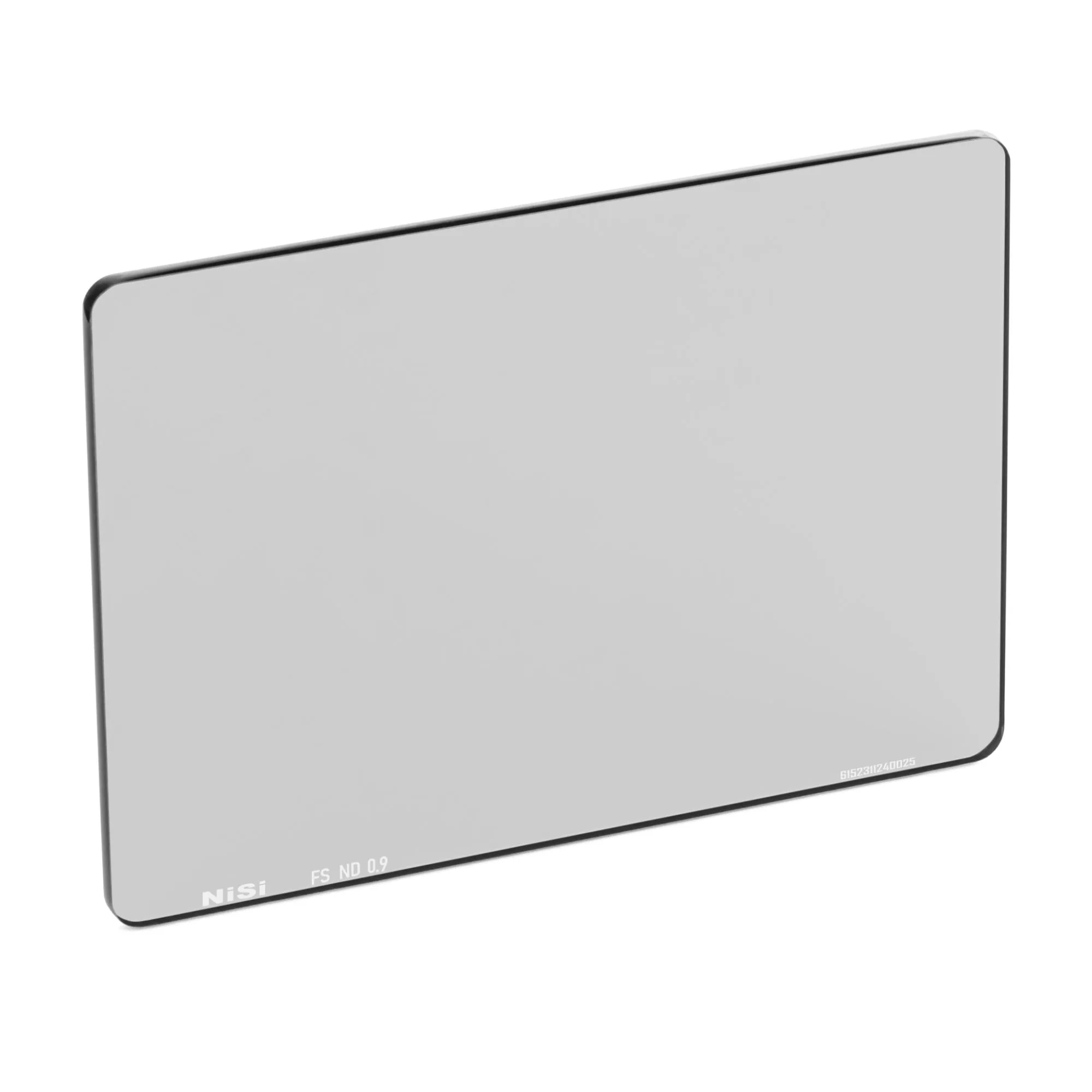
NiSi Full Spectrum Cinema FS ND 4×5.65″ Nano Ti Neutral Density Filter (0.9) – 3 Stop
-
NiSi Full Spectrum Cinema FS ND 4×5.65″ Nano Ti Neutral Density Filter (1.2) – 4 Stop: Pure neutral color with consistent color across the entire FS ND range. Switching between 4‑stop and other densities won't introduce color shifts, saving time in grading.
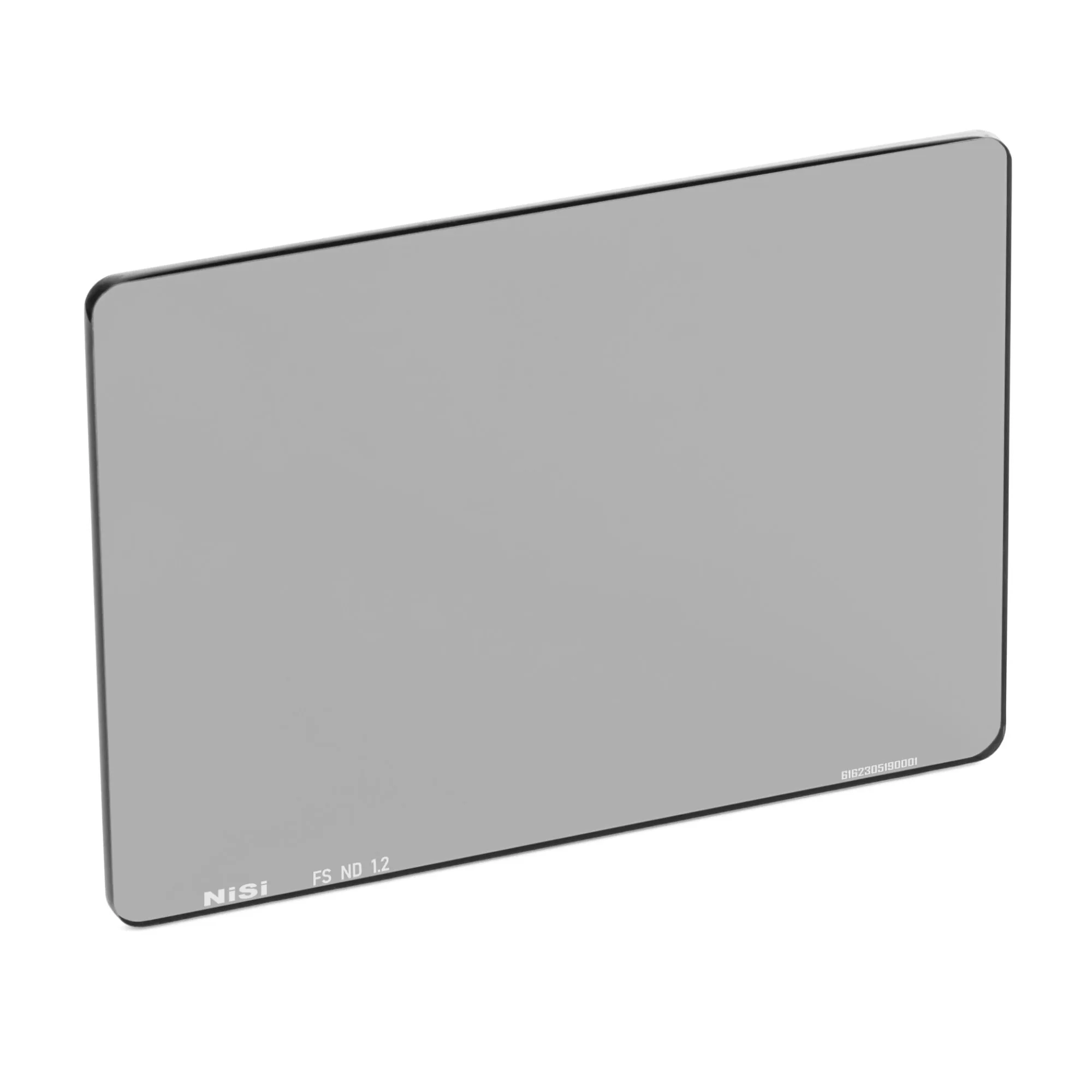
NiSi Full Spectrum Cinema FS ND 4×5.65″ Nano Ti Neutral Density Filter (1.2) – 4 Stop
-
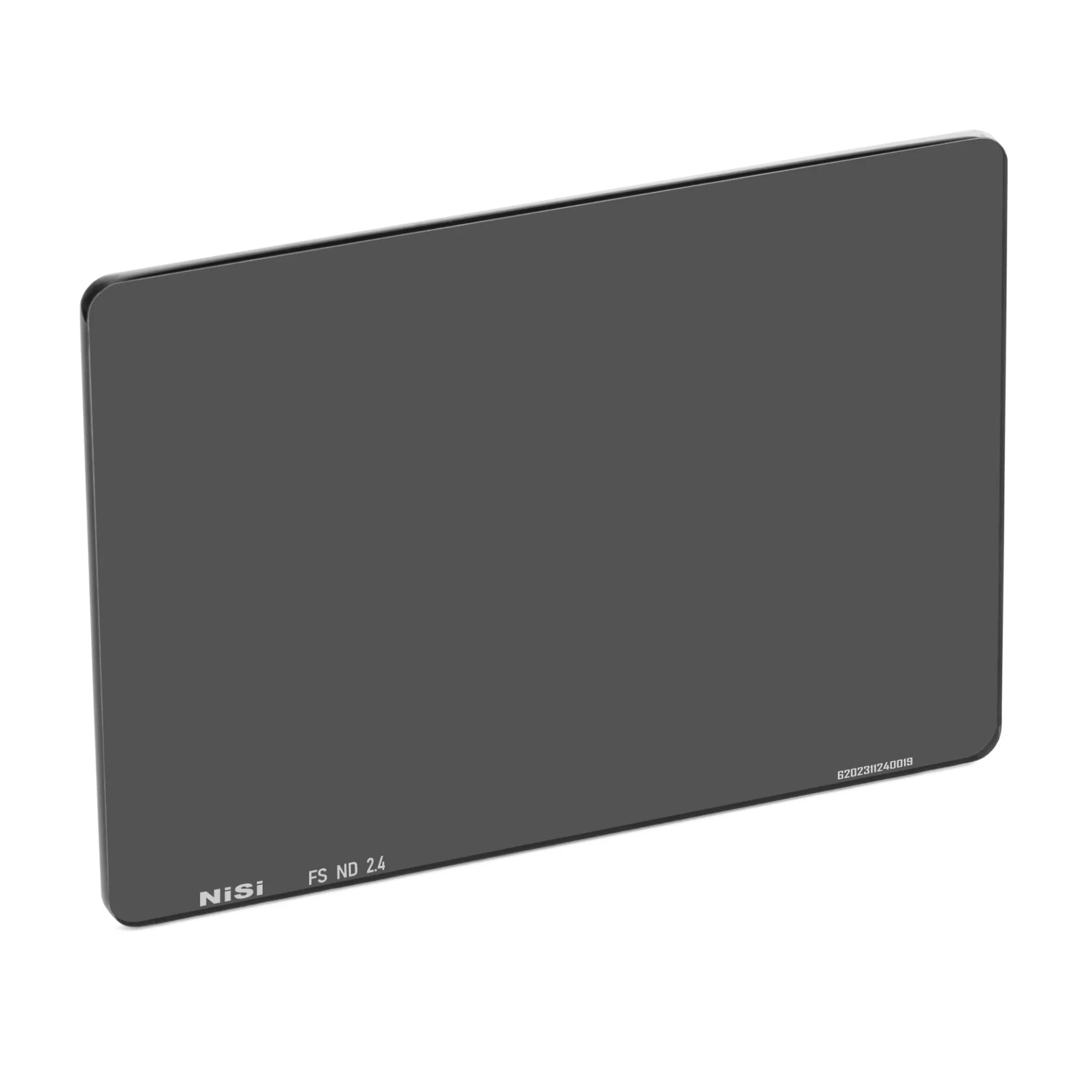
NiSi Full Spectrum Cinema FS ND 4×5.65″ Nano Ti Neutral Density Filter (2.4) – 8 Stop: Eliminates IR pollution on any sensor. With an 8‑stop filter, infrared contamination is more likely; this filter prevents it, keeping shadows clean and neutral.