Quick Answer
Waterproof means a garment blocks water from passing through, but not all waterproof jackets are equal. Ratings and fabric construction determine real performance, so check the waterproof rating and seams before you buy.
When a jacket-male-05a2e3cd05f2c3d9dca274e5-781567">jacket says 'waterproof', it's easy to assume it will keep you dry in any downpour. But the term covers a range of technologies and performance levels. Understanding waterproof ratings and fabrics helps you pick a jacket that actually matches your daily commute or outdoor plans.
Many shoppers confuse water-resistant with waterproof, and even among waterproof jackets, ratings vary. This guide breaks down what waterproof really means, how ratings work, and what to look for in a rain jacket.
Waterproof vs. Water Resistant: What's the Difference?
Water-resistant jackets repel light rain or drizzle but will eventually soak through in heavy or prolonged rain. Waterproof jackets are designed to block water entirely, using membranes or coatings and sealed seams to keep moisture out.
When you see 'waterproof' on a label, it means the fabric has been treated or constructed to prevent water penetration. However, the level of protection varies with the rating and the quality of the construction, such as taped seams and zippers.
- Check the waterproof rating (e.g., mm) to gauge how much rain the jacket can handle.
- Look for sealed seams and waterproof zippers for complete protection.
- Consider the jacket's breathability if you'll be active—waterproof doesn't mean sweatproof.
How to Read Waterproof Ratings
Waterproof ratings are usually measured in millimeters (mm) of water column pressure. A higher number means the fabric can withstand more water pressure before leaking. For example, a rating of 10,000mm is suitable for heavy rain, while 20,000mm is for extreme conditions.
For everyday city use, a rating around 5,000-10,000mm is often sufficient. But if you commute by bike or walk in heavy downpours, you may want a higher rating and additional features like a hood with drawstrings and adjustable cuffs.
- Know your climate: light rain vs. monsoon season changes the rating you need.
- Higher ratings often mean less breathability, so balance protection with comfort.
- Ratings are a guide, not a guarantee—construction matters too.
Fabric Technologies That Make Waterproof Work
Waterproof jackets use either a waterproof coating on the outer fabric or a laminated membrane. Coated jackets are often lighter and cheaper, while membranes offer better breathability and long-term performance. Seams must be taped to prevent water from seeping through needle holes.
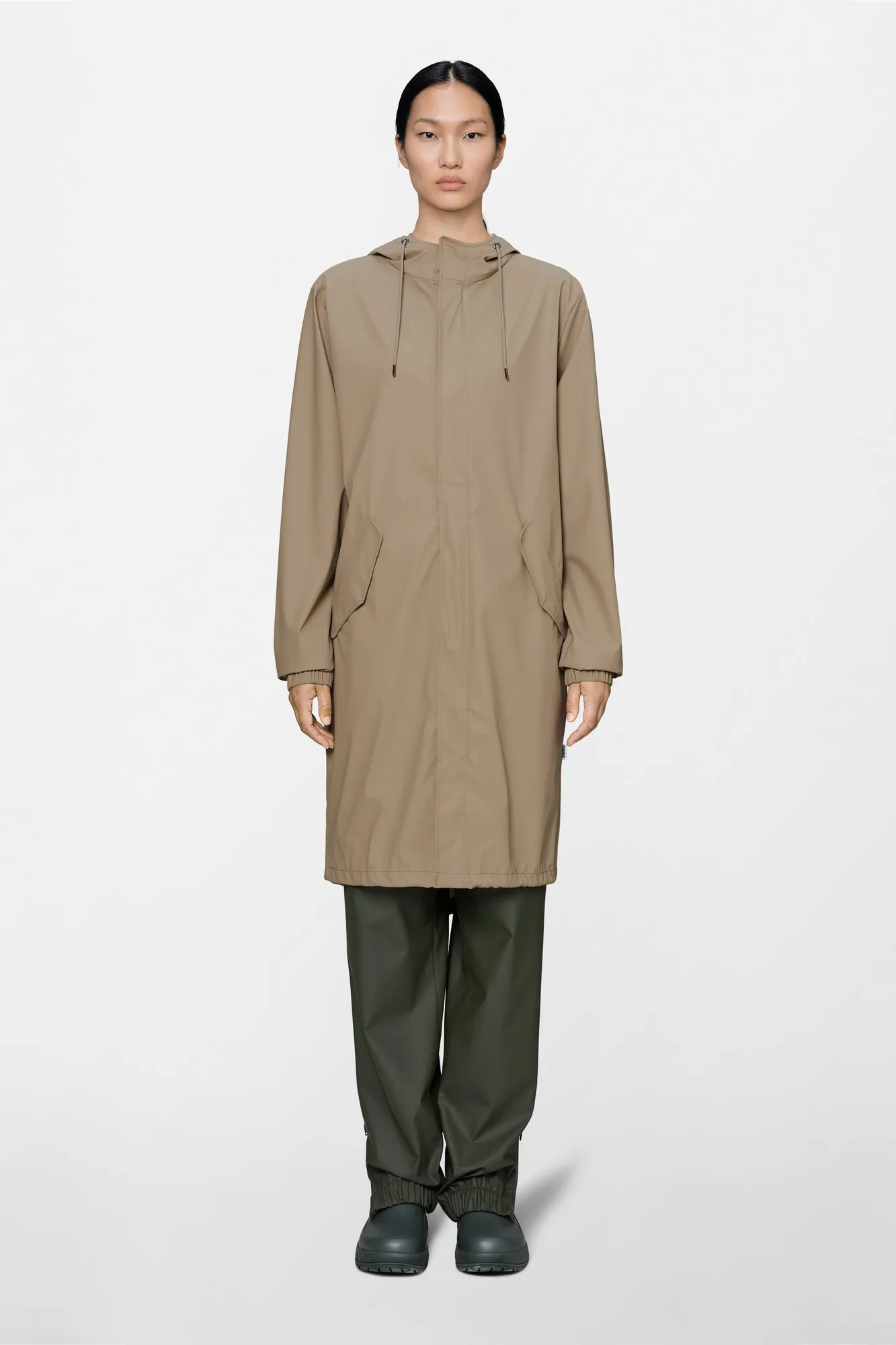
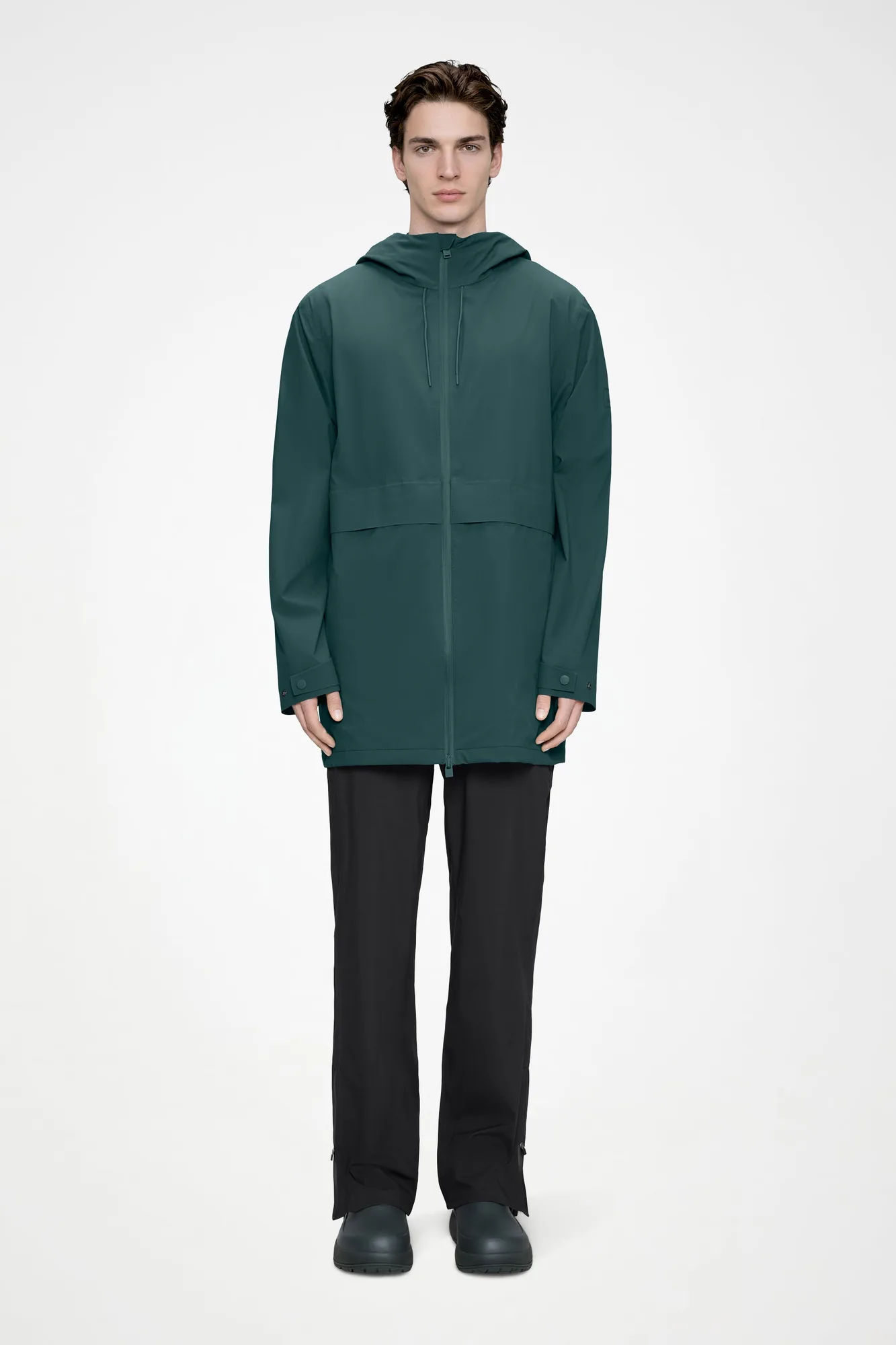
Rains® jackets use polyurethane-based fabrics that are both waterproof and lightweight. For example, the Fishtail Parka features a pared-back design with elasticated cuffs and a vented back yoke, making it a practical choice for daily commutes. The https://usrains.com/products/suva-hardshell-long-jacket-female-cf519b8404806e6f467c6d81-781537Suva Hardshell Long Jacket adds a mechanic stretch for movement, ideal for cycling.
Understanding these technologies helps you see why one waterproof jacket costs more than another. You're paying for durability, breathability, and features that keep you dry in real-world conditions.
- Look for jackets with taped seams and waterproof zippers for full protection.
- Consider the jacket's weight and packability if you'll carry it often.
- Check the care instructions—some waterproof coatings need re-treatment over time.
Myth vs. Reality: Waterproof Claims
- Myth: All waterproof jackets are the same: Waterproofness varies by rating, fabric, and construction. A jacket with a lower rating may be fine for light rain but fail in a downpour. Check the rating and features before buying.
- Myth: Waterproof means you'll never get wet: Even the best waterproof jacket can let moisture in through openings if not adjusted properly. Hoods, cuffs, and zippers all need to be sealed. Learn how to adjust your jacket for maximum protection.
- Myth: Higher rating is always better: Higher ratings often mean less breathability, which can lead to sweat buildup during activity. Choose a rating that matches your use. Balance waterproofness with breathability for comfort.
Waterproof Jackets That Put Ratings into Practice
- Fishtail Parka: Fishtail Parka is a unisex raincoat. Characterized by its pared-back aesthetic and drawstring fishtail hem in parka-length. This design features utility-inspired pockets, vented back yoke and a hood with built-in cap and drawstring. Style is finished with elasticated cuffs for a tighter fit around wrist. The vented back yoke and elasticated cuffs help keep rain out while allowing movement, making it a solid everyday waterproof choice.
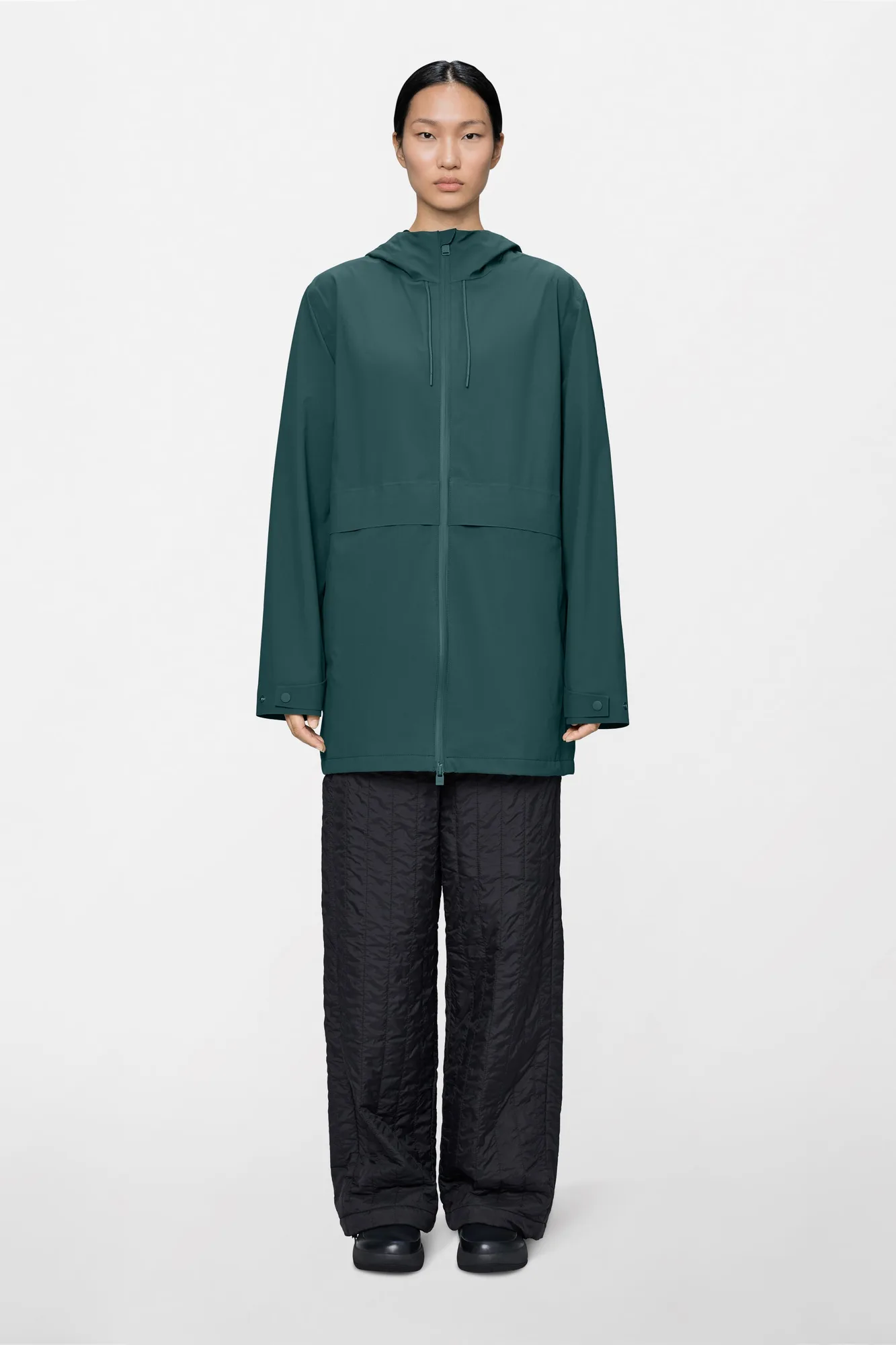
- Suva Hardshell Long Jacket: A waterproof rain jacket that combines high functionality with a lifestyle-tech aesthetic. Design is matte and lightweight with a long fit. Suva Hardshell Long Jacket features a waterproof coated zip closure and a hood with drawstring adjustment. The quality has a mechanic stretch making this jacket the perfect citystaple for commutes by foot or bike. The mechanic stretch and waterproof zip closure make it a good pick for active commuters who need freedom of movement without sacrificing rain protection.
Waterproof isn't a single standard—it's a spectrum of ratings and fabric technologies. By understanding what waterproof really means, you can choose a jacket that keeps you dry without overheating. Look for a rating that matches your climate, features that seal out rain, and a fit that lets you move.