Quick answer
A mini bag usually fits a phone, a cardholder or small wallet, keys, and a couple of slim extras such as lip balm or earbuds. If you need a water bottle, a full-size wallet, or a tablet, choose a larger crossbody or a compact backpack instead. For most everyday carry, a waistpack or small crossbody around 9 inches wide is the sweet spot.
What actually fits in a mini bag
Measure your daily carry before you shop. Lay everything out and group it into three piles: must-carry, nice-to-have, and occasionally. A mini bag works when the must-carry pile is small and flat. Phones, cardholders, keys, and earbuds fit easily; a hardcover book, a large water bottle, or a bulky camera do not.
Think in layers rather than volume. Flat items go against the back panel, keys and earbuds go in a front pocket, and anything you reach for often stays near the top. If your must-carry pile includes a 14-inch laptop, a mini bag is the wrong shape and a compact backpack is the better choice.
- Fits: phone, cardholder, keys, lip balm, earbuds, a folded tote
- Does not fit: large water bottle, full-size wallet, tablet, gym clothes
- Rule of thumb: if it does not lie flat or stack, it probably belongs in a bigger bag
How to read mini bag dimensions
Listed height, width, and depth tell you more than the word mini. Width decides whether a phone fits sideways; depth decides whether the bag bulges when you add keys. A bag around 9 inches wide and 3 inches deep holds everyday essentials without looking stuffed.
Compare the numbers to your phone. If the bag width is only slightly larger than your phone, expect a tight fit once you add keys. If the depth is under 2 inches, skip the bulky wallet and use a cardholder instead.
Waistpack or crossbody: choose by how you carry
A waistpack worn across the body keeps your hands free and sits close to your torso, which makes it harder to overpack. A crossbody with two front pockets separates small items so you are not digging for keys at the register. Both work for a mini bag for everyday essentials; the difference is organization versus a low profile.
If you carry more than five small items, pick a crossbody with at least two compartments. If you want the smallest possible footprint, pick a single-compartment waistpack and keep your cardholder slim.
Mini bag buying tips that prevent returns
Check the closure and strap before the color. A zippered main compartment keeps items secure when the bag tips over, and an adjustable belt or strap lets you switch between waist and crossbody wear. Water-repellent material helps in light rain but is not the same as waterproof, so keep electronics in a sleeve if you expect heavy weather.
Buy for your smallest realistic day, not your biggest. A bag that fits your weekend errands will feel empty on a commute, and one sized for a commute will feel bulky on a walk. If you regularly switch between both, a compact backpack with side pockets covers the larger days.
- Zippered main compartment beats an open top for security
- Adjustable strap or belt adds wearing options without extra bulk
- Water repellent handles light rain, not submersion
Decision rules: is a mini bag big enough for you?
- Carry five items or fewer: Choose a single-compartment waistpack with a zippered main compartment and an adjustable belt. Best fit for hands-free errands and short walks.
- Carry six to ten small items: Choose a crossbody with at least two front pockets so keys, cards, and earbuds stay separated. Organization matters more than raw size at this level.
- Carry a laptop or water bottle: Skip the mini bag and choose a compact backpack with an internal laptop sleeve and a side bottle holder. If it does not lie flat, it needs a bigger bag.
Mini bags that show the size trade-offs
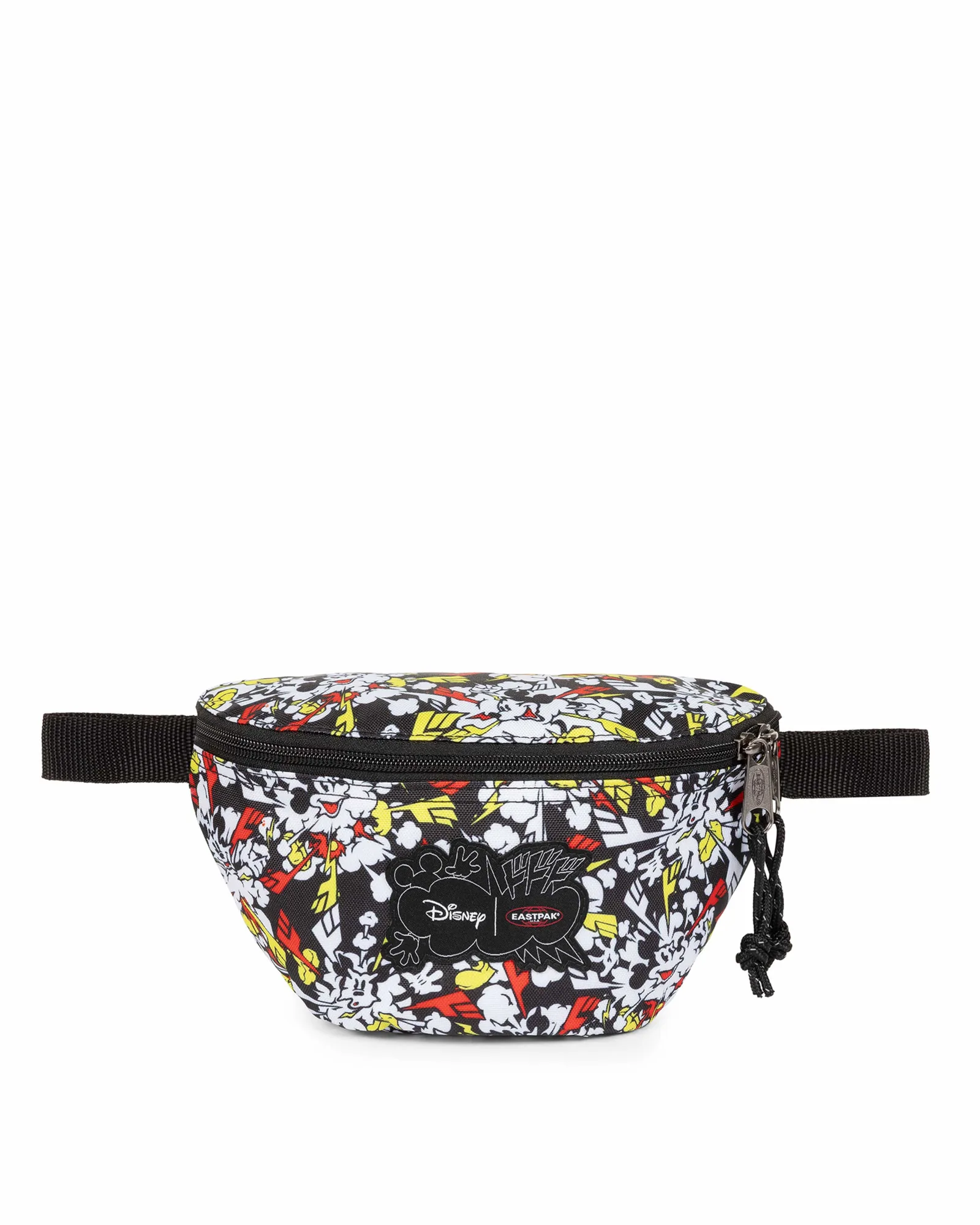
- SPRINGER MICKEY PRINT: Zippered main compartment, adjustable belt for waist or crossbody wear, drawcord pullers, and water repellent material; height 6.50 in, width 9.06 in, depth 3.35 in. The 9-inch width and 3.35-inch depth fit a phone plus keys and a cardholder without bulging, and the adjustable belt covers both waist and crossbody carry.
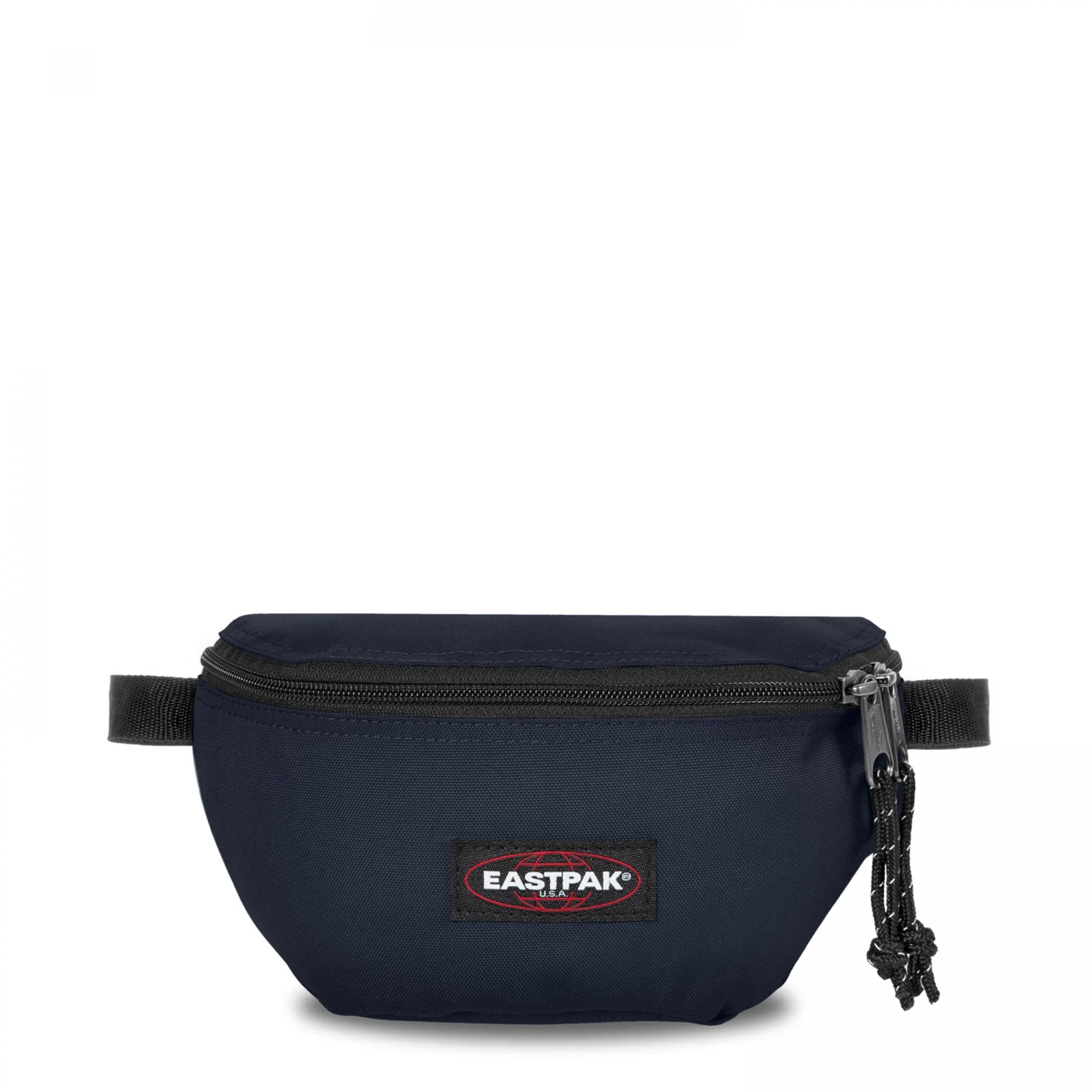
- SPRINGER ULTRA MARINE: Compact bumbag with a water repellent finish, zippered main compartment, adjustable belt, and drawcord pullers. A single-compartment design keeps the profile low, so it suits days when you carry only the must-carry pile.
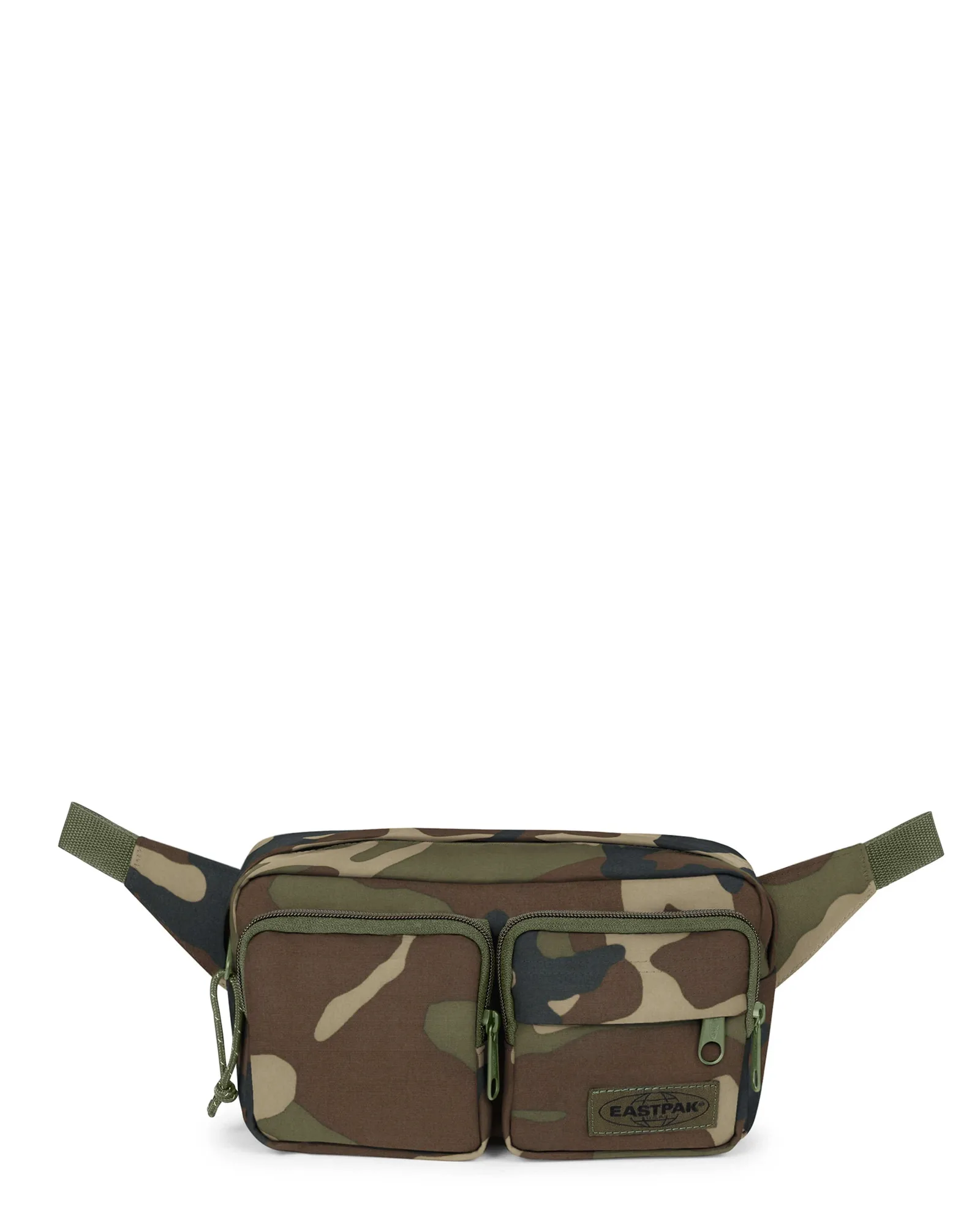
- DOUBLE CROSSBODY CAMO: Rectangular bum bag with two front pockets, quilted back panel, and adjustable shoulder strap for crossbody or shoulder wear. Two front pockets separate keys from cards, which helps when your mini bag holds more than five small items.
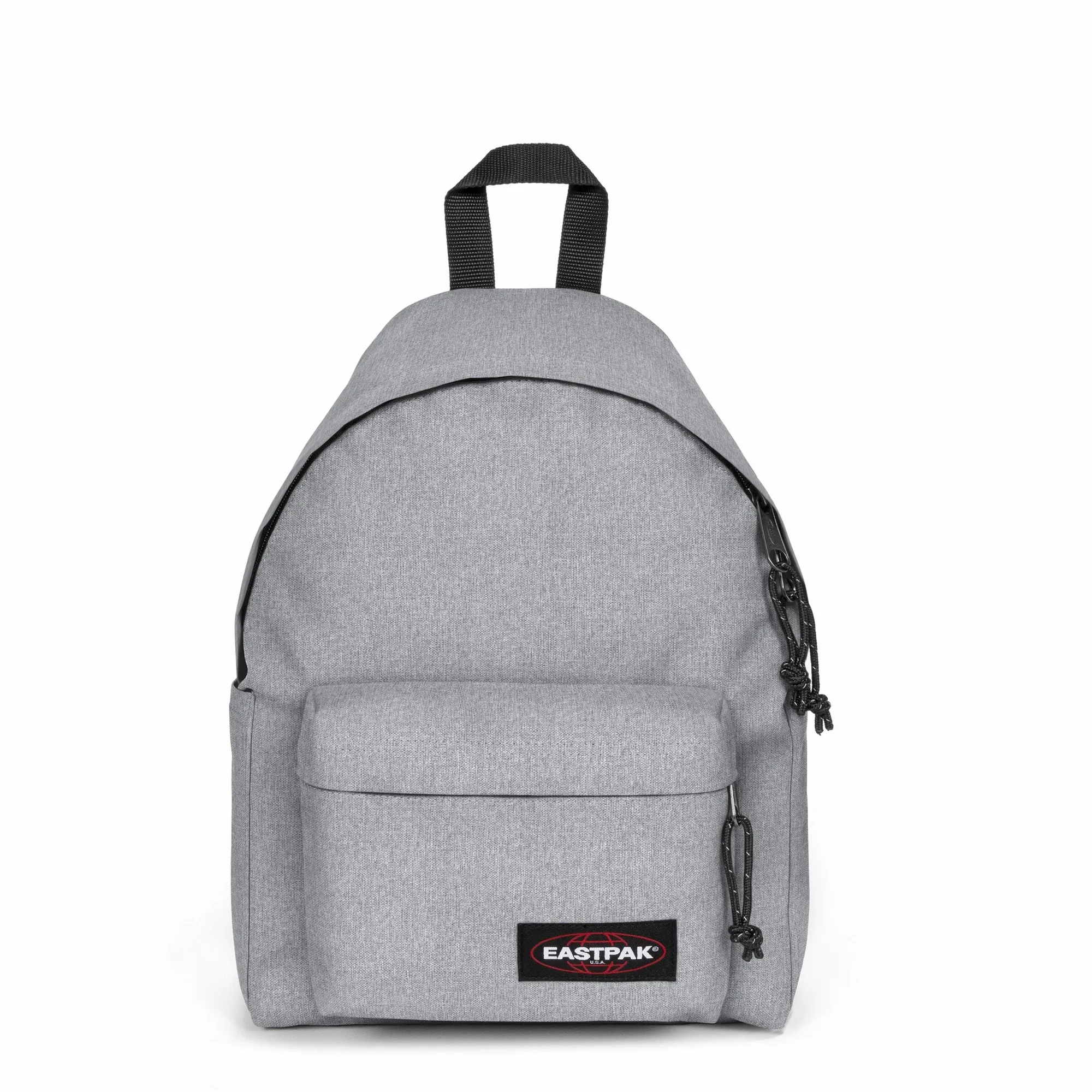
- DAY PAK'R SUNDAY GREY: Internal laptop sleeve fits devices up to 14 inches, dual side pockets with a side bottle holder, padded back, and a zip-fastening back security pocket. This is the step up when your everyday essentials include a laptop or a water bottle that will not fit in a mini bag.
Who a mini bag fits
Best for
- Commuters who carry a phone, cardholder, keys, and earbuds
- Travelers who want a hands-free bag for day trips
- Anyone who prefers a low-profile crossbody or waistpack
Not for
- Carrying a 14-inch laptop or a large water bottle
- Days that require gym clothes, a full-size wallet, or a tablet
- Heavy grocery runs or anything that does not stack flat