Quick answer
A mini Cambridge Satchel comfortably holds a phone, cardholder or mini purse, keys, lip balm, and a compact folded tote. It is not designed for A4 documents, laptops, or bulky water bottles. If you need to carry a notebook or tablet, size up to a larger Batchel or a Mini Work Bag.
Mini bags look charming on the shelf, but the real question is whether they work on a normal day. This guide walks through a practical capacity test for a mini Cambridge Satchel, using the same steps you can repeat at home with your own essentials.
We will use the Mini Poppy in Oxblood and the Mini Purse in Racing Green as reference points because their dimensions and features are known. The goal is not to sell you a bigger bag, but to help you pack the right one and avoid the common frustration of a bag that closes but does not carry.
Why mini bag capacity is about shape, not just size
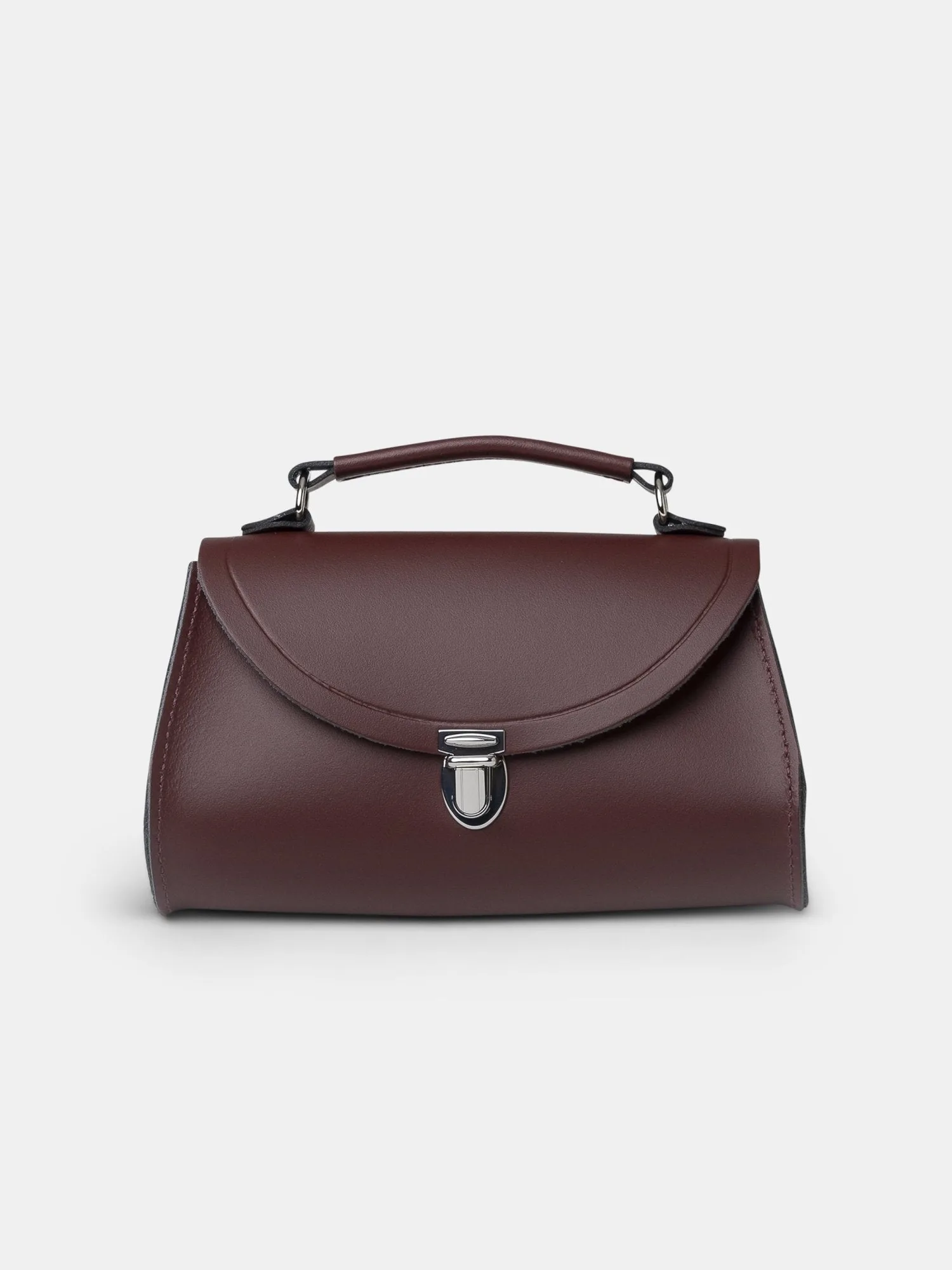
Two mini bags with similar footprints can hold very different loads. A structured bag with a flat base and a pushlock closure keeps its shape but has less give than a soft pouch. The Mini Poppy in Oxblood has a distinctive pushlock closure and refined proportions, which means it holds its silhouette well but does not expand like a tote. That is a feature, not a flaw, as long as you pack to the shape.
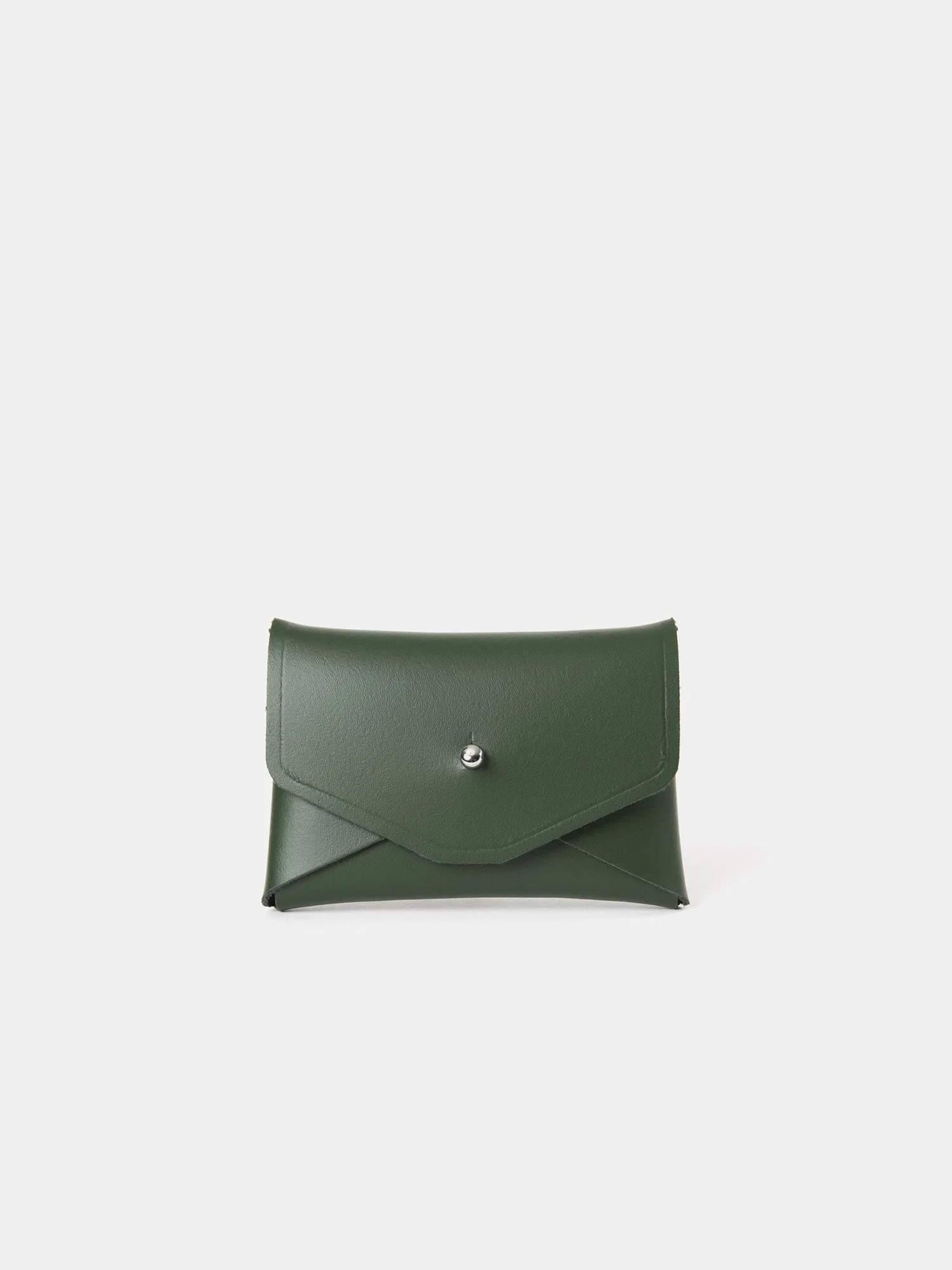
The Mini Purse in Racing Green is a good example of a small item that earns its place. It has a secure Sam Browne stud closure and is sized for cards and coins, so it replaces a bulky wallet rather than adding to it. When you test your own bag, think in layers: flat items first, then small rigid items, then soft items that can squeeze into gaps.
- Lay everything flat before packing so you can see the total footprint.
- Rigid items like sunglasses cases dictate the load more than soft items do.
The five-minute capacity test you can do at home
Start with an empty bag and place your daily essentials beside it: phone, wallet or cardholder, keys, lip balm, and any medical item. Add the one extra you actually use most, such as a folded tote or a small notebook. This is your real load, not the idealized one.
Pack in this order: flat items against the back wall, then the phone, then the smallest rigid items, then soft items. Close the bag fully before you decide it fits. If the closure strains or the shape bulges, remove the least-used item and try again. The test is whether you can open and close the bag one-handed, not whether everything technically goes in.
- Common mistake: forcing a zip or pushlock shut. If it needs two hands and a prayer, the load is too big.
- Checkpoint: can you retrieve your phone without unpacking the whole bag?
What realistically fits, and what does not
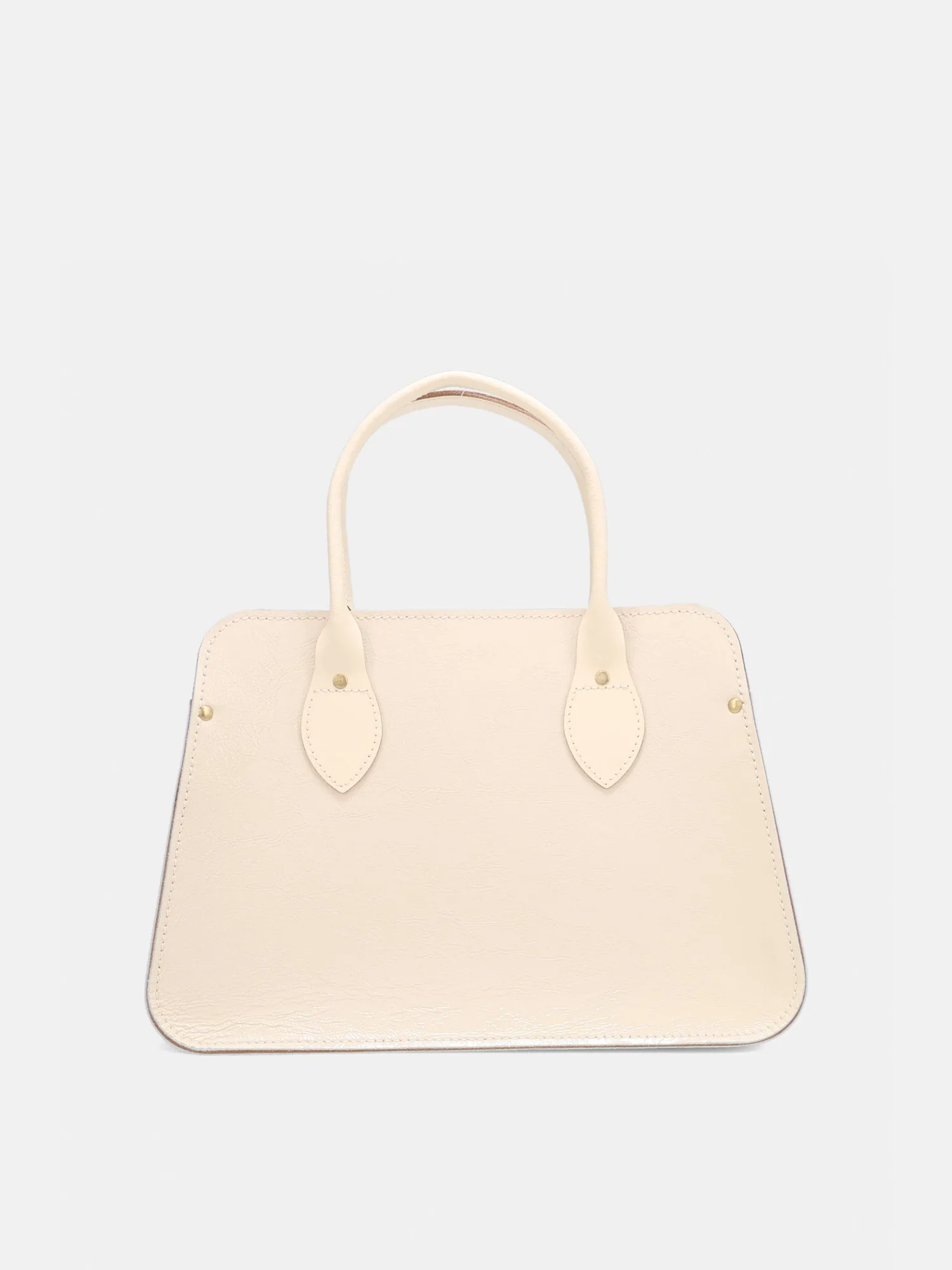
A mini Cambridge Satchel typically fits a phone, a mini purse or cardholder, keys, lip balm, and a compact folded tote. It does not fit A4 documents, most laptops, or a full-size water bottle. The Mini Work Bag in Vanilla Patent is a better choice if you need A5 notebooks and documents, because it is proportioned for work essentials and has a top handle plus an adjustable shoulder strap.
If you carry a tablet, check the internal dimensions against your device before buying. If a specification is not listed, treat that as a decision limitation and size up rather than guessing. The Music Case in Cambridge Uni Blue & Navy shows how a specialized shape can protect flat items like sheet music, but that shape is not a substitute for a general-purpose mini bag.
- Fits: phone, cardholder, keys, lip balm, compact folded tote, small snack.
- Does not fit: A4 folders, most laptops, hardback books, large water bottles.
How to pack small bag essentials so they stay usable
Group items by how often you reach for them. Phone and payment cards go in the most accessible spot, keys and lip balm in a second zone, and the folded tote at the back. This reduces the chance of scratching a patent or smooth leather finish with keys.
Use a mini purse instead of a full-size wallet to cut bulk. The Mini Purse in Racing Green is designed for cards and coins and has an embossed logo detail, so it does double duty as a visible accessory when you open the bag. Keep one small pouch for loose items rather than letting them float, which makes switching bags faster.
- Common mistake: letting keys rub against the leather interior. Use a small pouch or key cover.
- Checkpoint: after packing, shake the bag gently. If it rattles heavily, repack with softer grouping.
When to choose a mini bag and when to size up
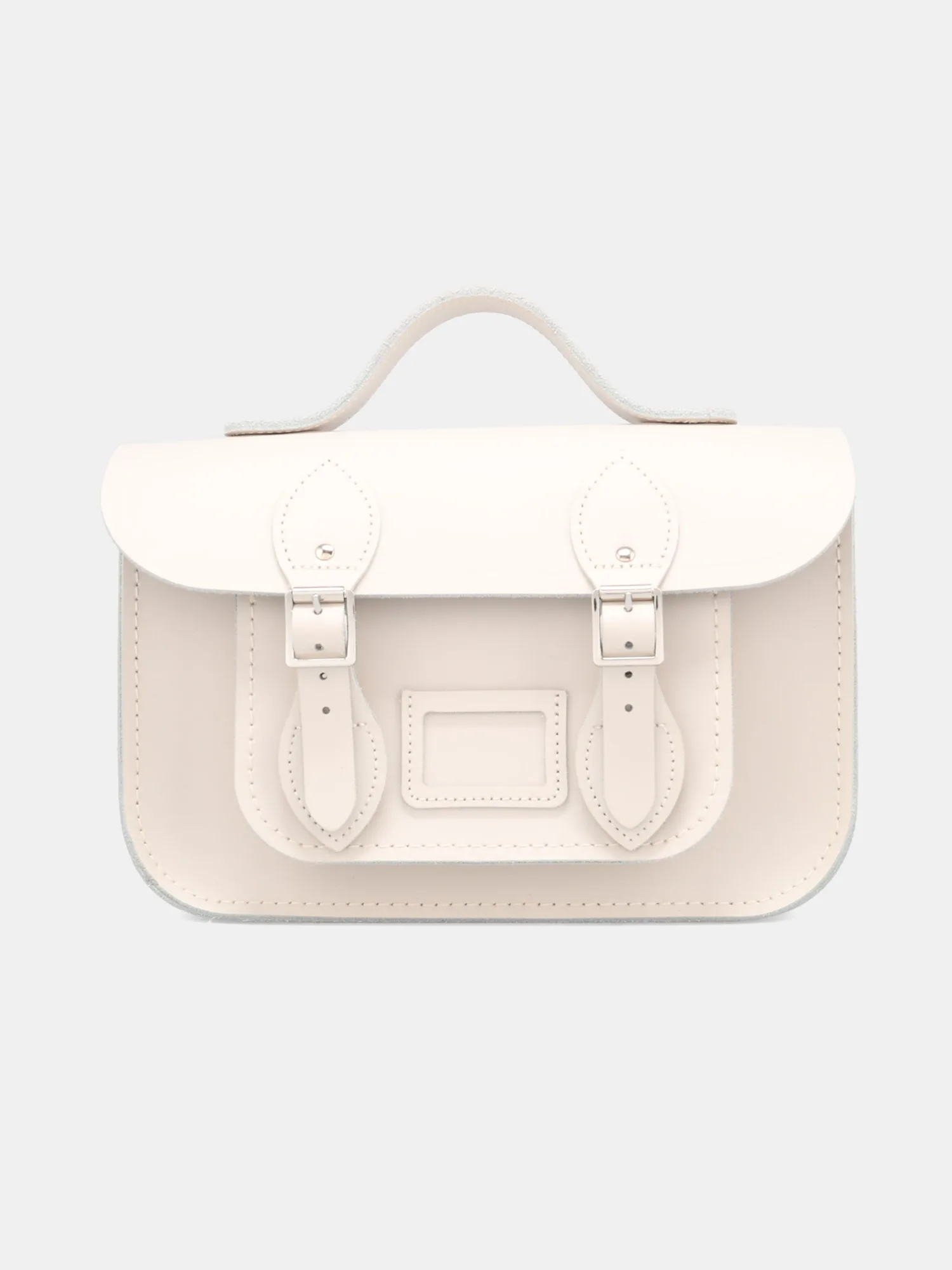
Choose a mini bag for evenings, short errands, travel days when you have a separate carry-on, or any time you want a lighter carry. Choose a larger bag when you need documents, a laptop, or a full day of supplies. The 11 Inch Batchel in Cotton White is a middle ground for those who need more room without a full-size work bag, and its magnetic buckle closures and front pocket add organization.
If your daily load changes often, keep a packing list on your phone and test it against the bag before you commit. A mini bag that fits your real essentials is more useful than a larger bag you avoid carrying because it is heavy.
- Mini bag best for: phone, cards, keys, lip balm, compact tote.
- Size up for: A5 notebooks, documents, laptop, daily work supplies.
Your step-by-step mini satchel packing test
- Step 1: Empty the bag and lay out your real essentials: Take everything out and place your daily carry beside the bag: phone, cardholder or mini purse, keys, lip balm, and one extra item you actually use. Do not include aspirational items you rarely touch. Checkpoint: if you have more than seven items, you are likely testing a larger bag's load.
- Step 2: Pack flat items first, then rigid items: Slide flat items like a folded tote or slim notebook against the back wall. Add your phone and any rigid case next. Soft items go last into the gaps. Common mistake: putting keys in first, which creates bulges and scratches.
- Step 3: Close the bag fully and test one-handed access: Fasten the pushlock or stud closure completely. Then try to open the bag and retrieve your phone with one hand. If the closure strains or you need to unpack, remove the least-used item. Checkpoint: the bag should close without force and open without emptying.
- Step 4: Carry it for ten minutes before you commit: Walk around with the packed bag on your shoulder or crossbody. Notice whether the strap digs in or the bag feels unbalanced. A load that fits but drags is still the wrong load. If it feels heavy, switch to a larger bag or reduce to the true essentials.
- Step 5: Decide whether to keep the mini or size up: If your essentials fit and you can use the bag comfortably, keep the mini. If documents, A5 notebooks, or a laptop are non-negotiable, move to the Mini Work Bag or 11 Inch Batchel instead of forcing the mini. The right bag is the one you will actually carry daily.
Product facts that affect what fits
- The Mini Poppy - Oxblood: Distinctive pushlock closure; elegant, refined proportions; compact size perfect for occasions; includes protective dust bag; handcrafted in England. The pushlock and compact shape keep the bag looking structured, but they also mean you should pack flat and avoid overstuffing. The dust bag helps protect the finish when stored.
- The Mini Purse - Racing Green: Secure Sam Browne stud closure; perfect for cards and coins; compact size, maximum functionality; embossed logo detail; handcrafted in England. Replacing a bulky wallet with this mini purse frees up meaningful space in a small bag and keeps cards and coins secure.
- The Mini Work Bag - Vanilla Patent: Top handles for briefcase-style carrying; adjustable shoulder strap; fits A5 notebooks, documents, and daily items; includes protective dust bag; handcrafted in England. If your capacity test fails because of A5 notebooks or documents, this is the practical step up rather than forcing a mini bag.
- The 11 Inch Batchel - Cotton White: Top handle and adjustable shoulder strap; magnetic buckle closures; front pocket for organisation; fits most laptops and A4 documents; includes protective dust bag. This is the option when you need A4 and laptop capacity but still want a structured, handcrafted leather bag.
A mini Cambridge Satchel works beautifully when you pack to its shape and accept its limits. Test your real essentials, close the bag without forcing it, and size up only when documents or work supplies are truly required.