Quick Answer
A cami, short for camisole, is a sleeveless top that typically has thin straps and a fitted or relaxed silhouette. It's a wardrobe workhorse: wear it under blazers and sheer tops for coverage, or on its own with jeans for a casual look. When choosing a cami, focus on fabric, fit, and strap adjustability to match your intended use.
Cami tops are one of those pieces that quietly hold an outfit together. Whether you need a smooth layer under a sheer blouse, a breathable option for warm weather, or something comfortable to sleep in, a cami delivers. But not all camis are created equal—some are designed for support, others for lounging, and a few are meant to do both.
This guide breaks down what defines a cami, how it differs from a camisole (hint: the terms are often used interchangeably), and what to look for when shopping. We'll also cover fit tips and outfit ideas so you can get the most out of this versatile staple.
What Exactly Is a Cami?
A cami, also known as a camisole, is a sleeveless top with thin or adjustable straps. It typically has a scoop, V-neck, or straight neckline and can be fitted or loose. Camis are made from a variety of fabrics, including cotton, silk, modal, and microfiber, which affects their feel and function.
The term 'cami' is often used as a shorthand for camisole, and in everyday conversation, they mean the same thing. However, some people use 'camisole' to refer specifically to a more tailored, under-layer style, while 'cami' might describe a looser, lounge-oriented top. For practical purposes, you can treat them as synonyms.
Cami vs. Camisole: Is There a Difference?
Technically, a camisole is a sleeveless undergarment that originated in the 19th century, while a cami is a modern, often more outerwear-friendly version. Today, the terms are used interchangeably, and you'll see both on product labels. The main difference is context: a camisole might be more utilitarian, while a cami is often designed to be seen.
When shopping, focus on the features rather than the name. Look for adjustable straps, fabric quality, and whether the cami provides the coverage and support you need. For example, a cami with a built-in shelf bra or double-lined front can offer more support, while a soft, unlined style is better for lounging.
How to Choose a Cami for Layering
Layering is one of the most common uses for a cami. A good layering cami should be smooth under clothing, not add bulk, and provide enough coverage to wear under sheer or low-cut tops. Look for a cami with adjustable straps so you can customize the fit and avoid straps slipping or showing.
Fabric matters: microfiber and modal are smooth and cling less, while cotton is breathable but may wrinkle. For a seamless look under tight tops, choose a cami with a smooth finish and minimal seams. Also consider the neckline—a deeper V-neck cami works well under button-down shirts, while a scoop neck is better for crew-neck sweaters.
Cami Outfit Ideas
A cami is not just for layering—it can stand alone. Pair a silk or satin cami with tailored trousers for a chic evening look, or dress down a lace-trimmed cami with jeans and a cardigan. For summer, a cotton cami with shorts is effortless and cool.
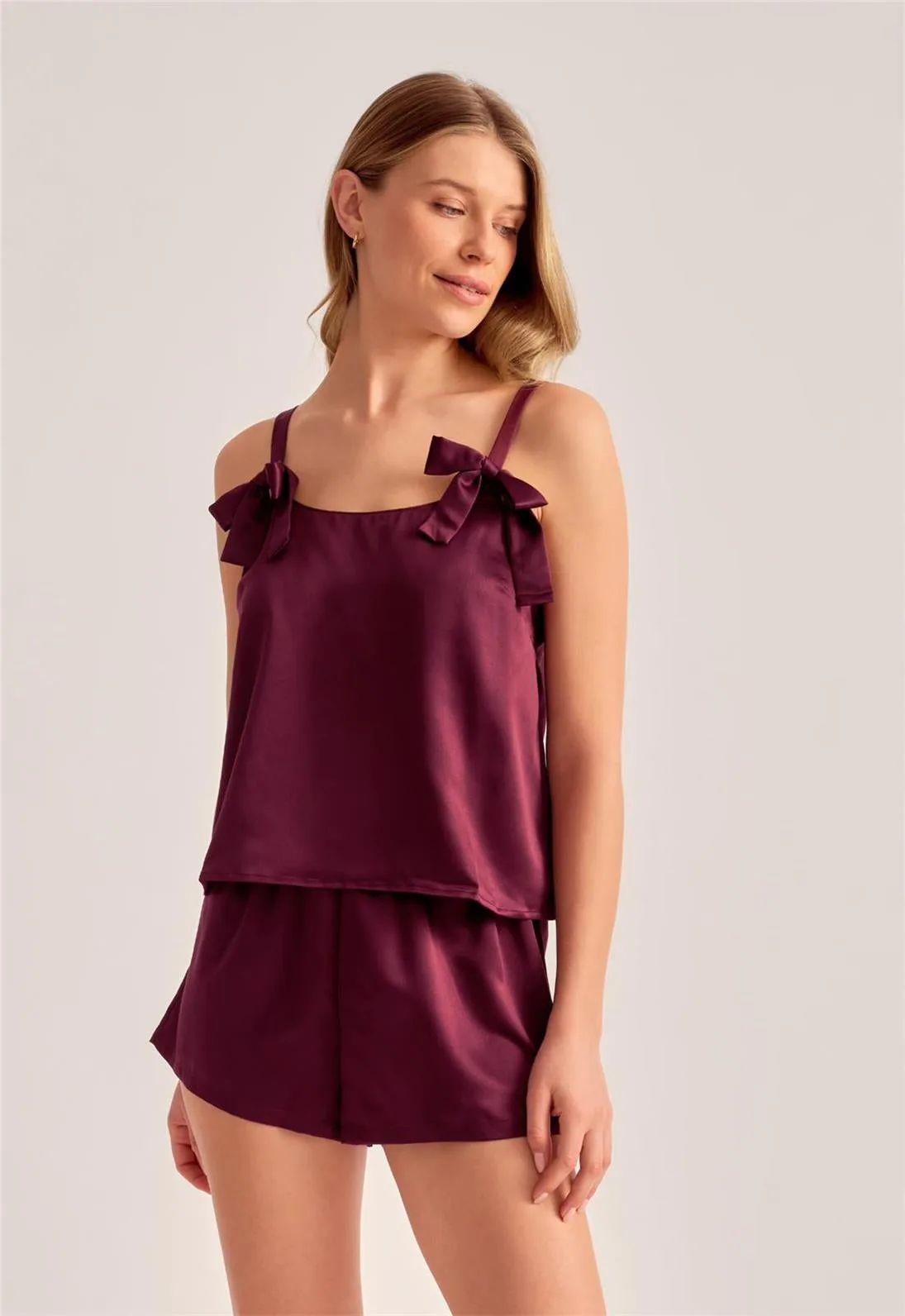
Camis also transition easily into loungewear. A soft, relaxed cami with matching shorts, like a cami-tap set, makes for a comfortable yet put-together outfit for lazy weekends or even bridal showers. The key is to choose a cami that suits the occasion: dressier fabrics for going out, and cozier materials for staying in.
Decision Rules for Choosing a Cami
- Purpose: Determine if you need a cami for layering, lounging, or as a fashion statement. Layering camis should be smooth and minimal; lounge camis can be softer and more relaxed. Match the cami's construction to its primary use.
- Fabric: Choose microfiber or modal for a smooth, no-show fit under clothes. Cotton is breathable but may wrinkle. Silk or satin adds elegance for dressier occasions. Fabric affects both comfort and how the cami works with other garments.
- Strap Adjustability: Adjustable straps allow you to fine-tune the fit and prevent slipping. Fixed straps may be fine for lounging but less versatile for layering. Adjustable straps increase the cami's versatility.
- Support Level: If you need support without a bra, look for a cami with a built-in shelf bra or a double-lined front. For relaxed wear, an unlined style is fine. Consider your support needs to avoid disappointment.
Cami Options to Consider
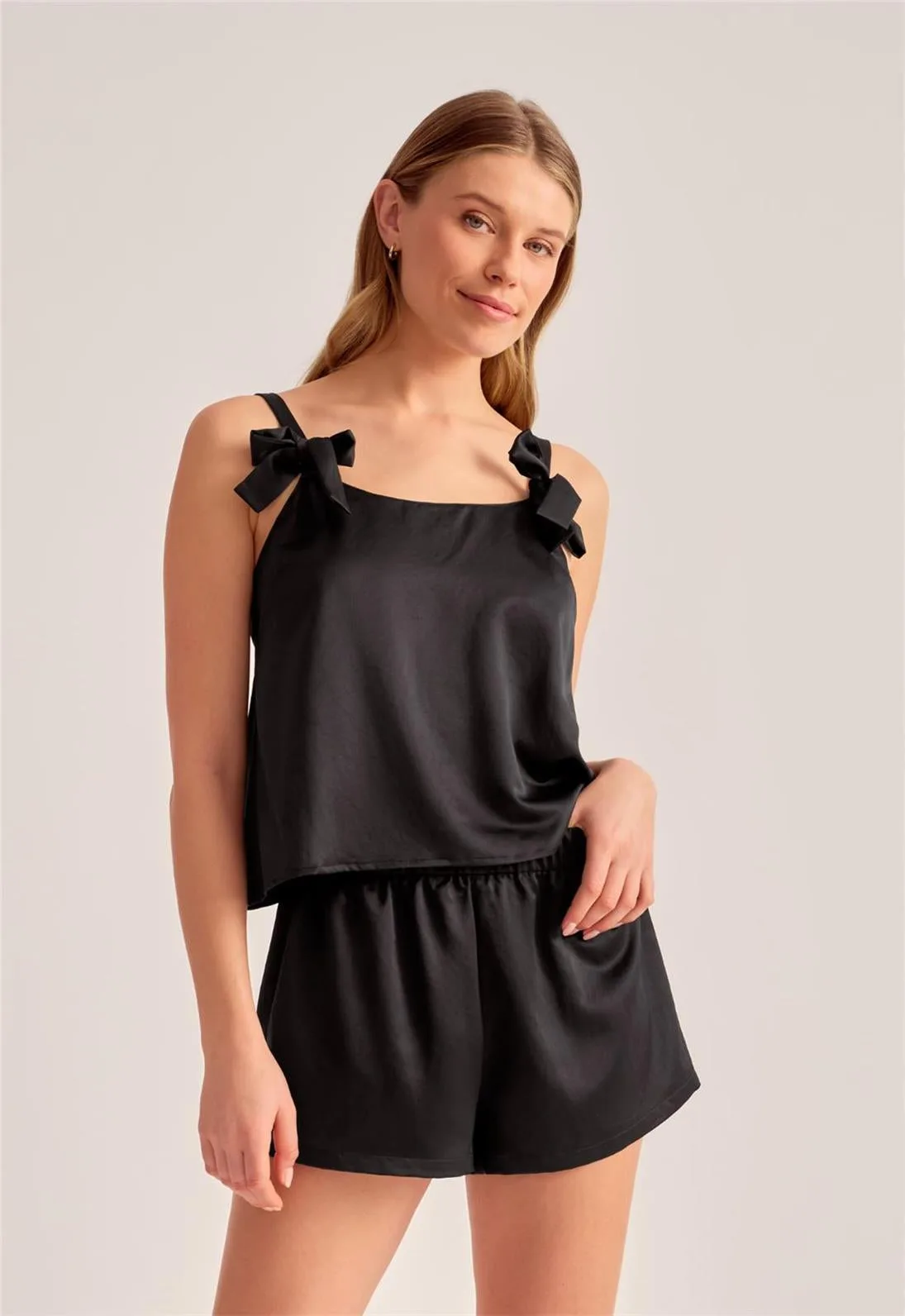
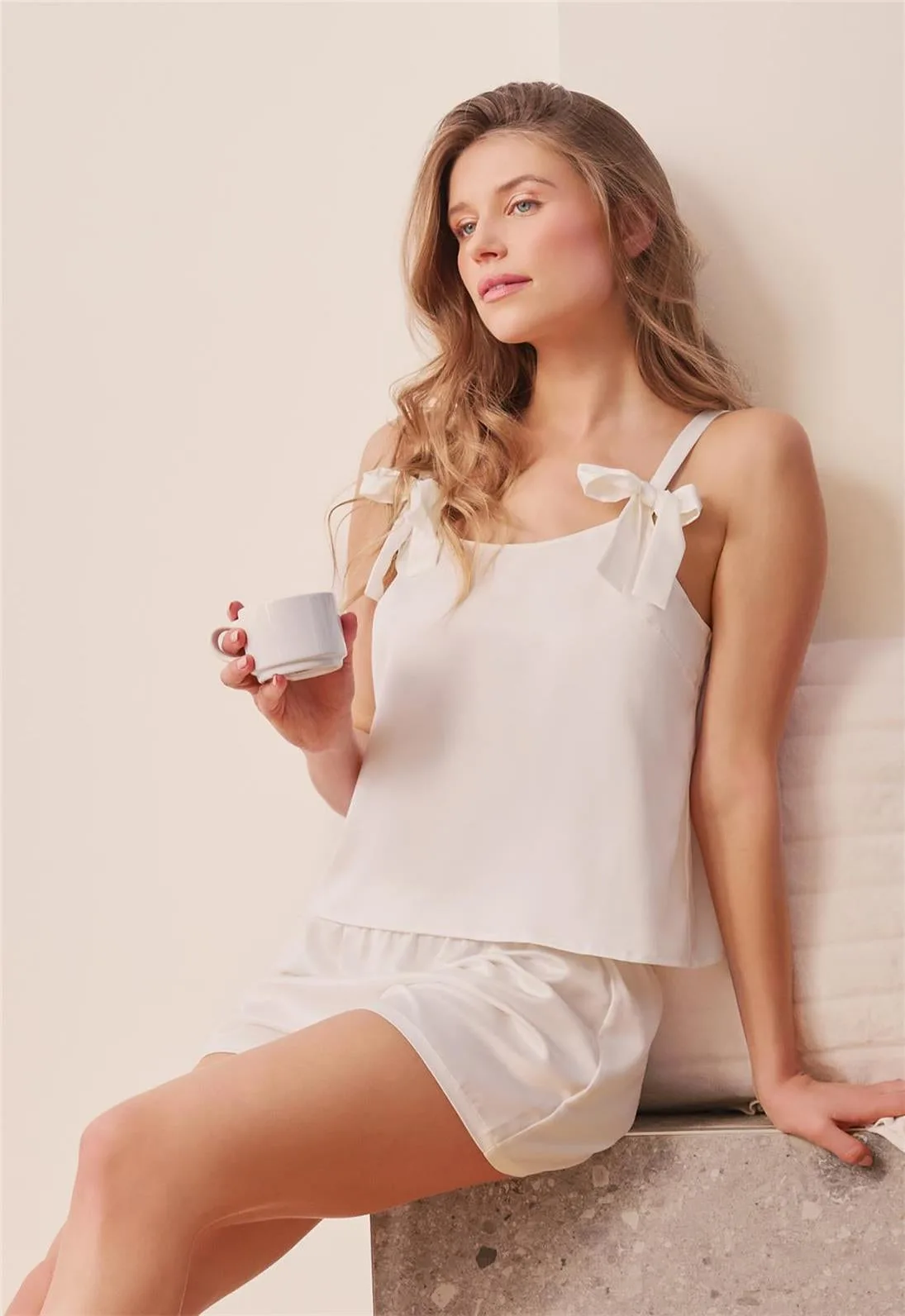
- https://montelleintimatesenm.com/products/halo-cami-tap-ivory-47dc67e0a631c656d5c918bf-946105https://montelleintimatesenm.com/products/halo-cami-tap-black-ec4fbf40053f34ae90a155bb-946108Halo Cami-Tap: This set features a relaxed A-line fit, bow detailing, and high-waisted elastic shorts. The cami has adjustable straps and is ethically made. Perfect for lounging or gifting, this set gives you a coordinated look without sacrificing comfort. The high-waisted shorts offer coverage, and the adjustable straps let you customize the fit.
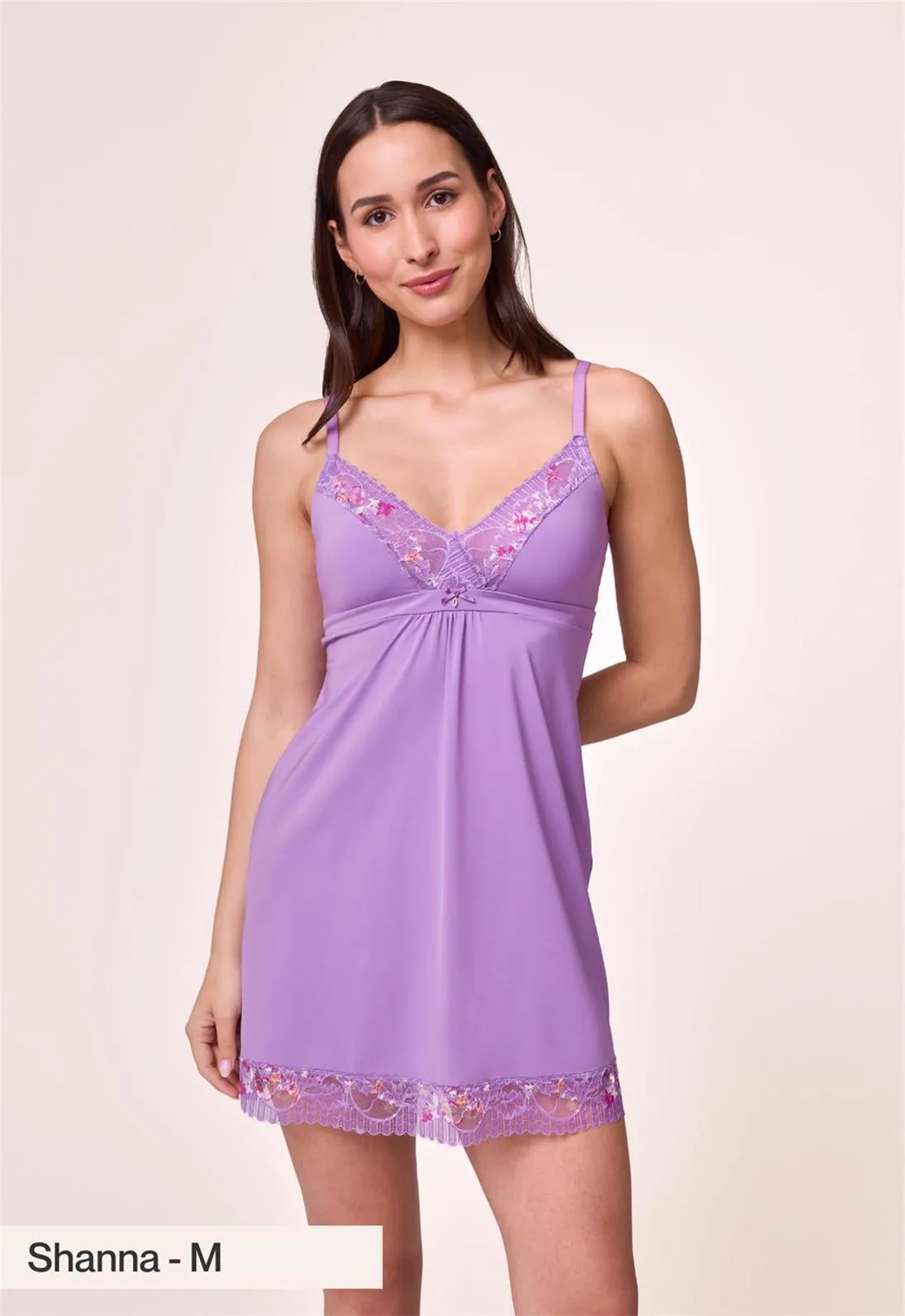
- https://montelleintimatesenm.com/products/bust-support-chemise-tulip-tulip-field-1f36aeaa56b48d7991a19348-946759Bust Support Chemise: This A-line chemise is made from ultra-soft microfiber and lace, with a bust lined in microfiber for moderate support. If you want a cami-style piece that offers a bit more support for lounging or sleeping, this chemise provides a flattering silhouette without underwire.
Fit Guidance
Best For
- Layering under sheer or low-cut tops
- Casual wear in warm weather
- Lounging at home
Not For
- High-impact activities (choose a sports bra instead)
- Those seeking significant bust support without a bra (consider a bralette or support cami)
A cami is a simple yet essential piece that adapts to your needs, whether you're layering for work or relaxing at home. By focusing on fabric, fit, and support, you can find a cami that works hard in your wardrobe. Explore options like the Halo Cami-Tap for a coordinated lounge set or the Bust Support Chemise for a touch more support.