Quick Answer
A grazing muzzle is a basket-like device fitted over a horse's muzzle that limits the amount of grass it can ingest while still allowing turnout. It helps manage weight by reducing calorie intake without completely restricting grazing, making it a valuable tool for overweight or easy-keeper horses.
If your horse is an easy keeper that gains weight on fresh grass alone, you've likely heard about grazing muzzles. But what exactly are they, and how do they help with weight management? This article answers the most common questions about grazing muzzles, from how they work to practical usage tips.
Grazing muzzles are not a one-size-fits-all solution, but when used correctly, they can be a game-changer for managing your horse's weight while keeping them happy and turned out.
How Does a Grazing Muzzle Work?
A grazing muzzle typically consists of a sturdy basket that fits over the horse's nose, with small holes or slots that allow the horse to eat grass but at a much slower rate. The muzzle is attached to a headcollar or halter, and its design reduces the amount of grass that can be consumed in a given period. This helps limit calorie intake without completely preventing grazing, which is important for a horse's mental well-being.
The key is that the muzzle doesn't stop the horse from eating; it simply limits the amount. Horses can still drink water and breathe normally. The reduction in grass intake can be significant, but the exact amount depends on the muzzle's design and the pasture conditions.
- Always ensure the muzzle fits correctly to avoid chafing and allow the horse to open its mouth comfortably.
How Does a Grazing Muzzle Help with Weight Management?
Weight management in horses often requires reducing calorie intake while maintaining turnout. Grazing muzzles help by slowing down grass consumption, which directly cuts calories. For horses prone to laminitis or metabolic issues, controlling grass intake is crucial, and a muzzle can be an effective tool.
However, a grazing muzzle alone isn't a complete solution. It should be part of a broader weight management plan that includes regular exercise, monitoring body condition, and adjusting feed rations. Consult with your veterinarian or equine nutritionist to create a tailored plan.
- Monitor your horse's weight weekly and adjust muzzle usage based on results and pasture growth.
Are There Any Downsides to Using a Grazing Muzzle?
While grazing muzzles are generally safe, there are some considerations. Horses may initially be frustrated by the muzzle, and it can take time for them to adapt. Some horses may also experience chafing or rubbing if the muzzle doesn't fit properly. It's essential to introduce the muzzle gradually and check for any signs of discomfort.
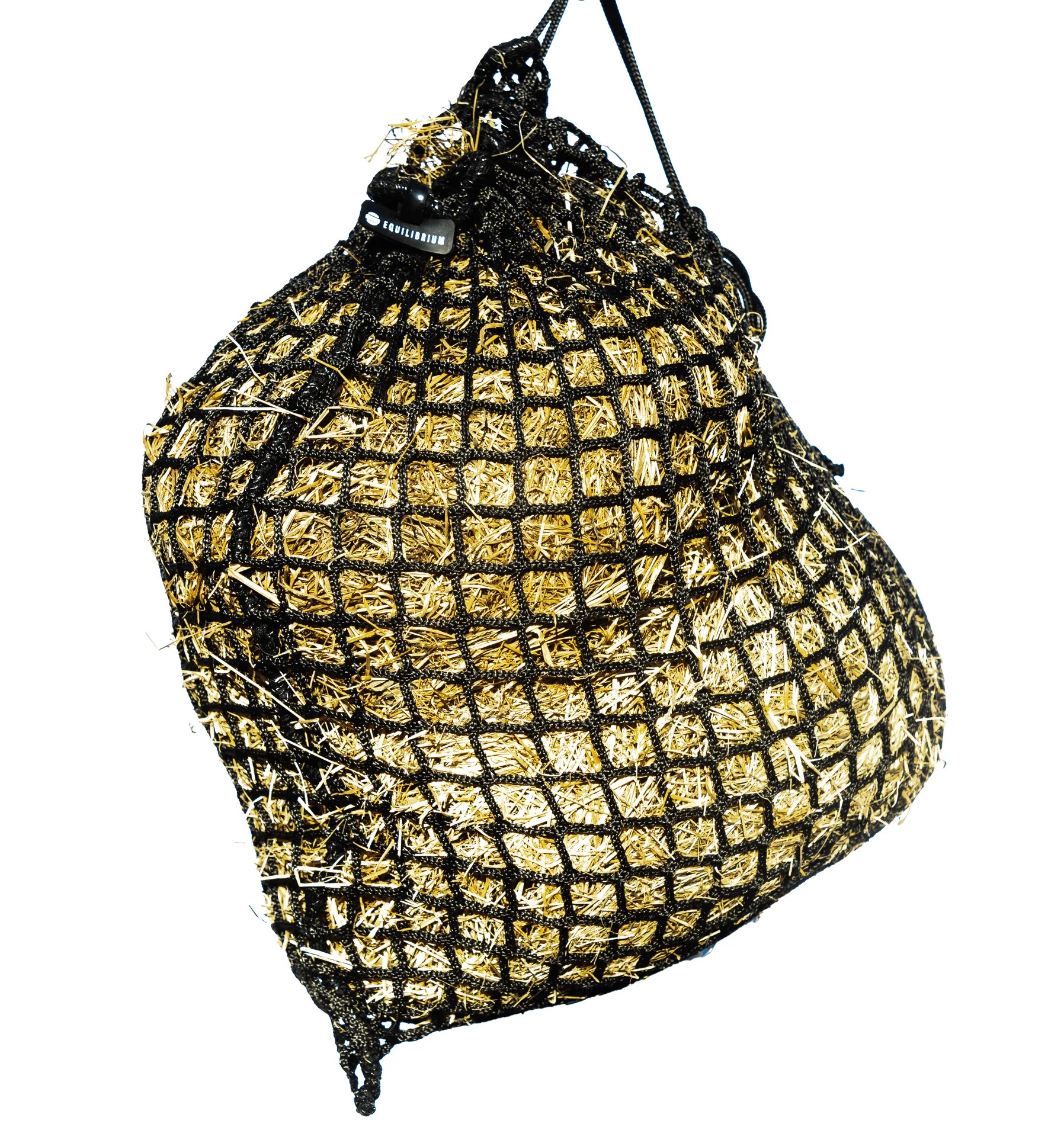
Another downside is that grazing muzzles can make it harder for horses to eat from the ground in certain conditions, such as very short grass or when the ground is frozen. In such cases, you may need to provide additional forage in a safe manner, such as soaked hay in a slow feeder.
- Check the fit regularly, especially as your horse's weight changes.
Key Takeaways for Using a Grazing Muzzle
Start gradually
Introduce the muzzle for short periods, then gradually increase wearing time so your horse can adapt. Patience is key to successful acceptance.
Check fit regularly
Ensure the muzzle fits correctly and doesn't cause chafing. Adjust as your horse's weight changes. A good fit prevents discomfort and ensures effectiveness.
Monitor weight
Weigh your horse weekly and adjust muzzle usage based on progress and pasture conditions. Weight management is an ongoing process.
Related Products from Equilibrium Products
- Field Relief Muzzle Protector: Designed to fit field safe head collars, such as the Stellar Headcollar this horse UV and sun nose protector fits over the muzzle to help protect against sunburn. Helps to protect from sunburn by blocking over 70% of sun rays. Easy to fit to any field-safe headcollar e.g the Stellar Head Collar. Soft padding at noseband to prevent rubbing. When your horse wears a grazing muzzle, the nose area is exposed to the sun. This protector adds an extra layer of sun protection and comfort, reducing the risk of sunburn and rubbing.
- Hook Cleaner Brush: Hook Cleaner Brush Prolongs the life of your horse equipment. Hook and loop straps are designed to stick together. This does sometimes mean unwanted debris gets stuck to the adhesive straps too. The Hook Cleaner Brush removes dirt, debris, arena surface and hair from a range of equestrian items, such as horse boots, fly masks, rugs, and saddlecloths. Regular cleaning of your grazing muzzle's straps and fastenings with a Hook Cleaner Brush keeps them free from debris, ensuring a secure fit and extending the life of your equipment.
A grazing muzzle is a practical tool for managing your horse's weight, but it's most effective when combined with proper fitting, gradual introduction, and regular monitoring. Pair it with sun protection and good maintenance to keep your horse comfortable and healthy.