Quick answer
A neutral density (ND) filter reduces the amount of light entering your camera lens without changing the scene's color, allowing you to use slower shutter speeds or wider apertures even in bright conditions.
When you need an ND filter vs. when you don't
ND filters are essential for long exposure photography—think silky waterfalls or streaking clouds—but they are not needed for most handheld daytime shots. If you're shooting at base ISO and already getting the shutter speed you want, an ND filter only adds an extra glass layer that could reduce sharpness or introduce flare.
The main trade-off is convenience: stacking multiple ND filters can cause vignetting, and very strong filters (like a 6-stop ND 1.5) make the viewfinder very dark, requiring a tripod and careful focusing before attaching the filter.
Frequently asked questions about ND filters
What does an ND filter do to exposure?
An ND filter reduces the amount of light reaching the sensor, so you must compensate by using a slower shutter speed, wider aperture, or higher ISO. The filter's strength is measured in stops: a 0.6 ND cuts light by 2 stops, while a 1.5 ND cuts it by 6 stops.
Can I use an ND filter on any lens?
Yes, but you need the correct filter thread size (e.g., 62mm or 52mm) that matches your lens. If your lens has a different diameter, you can use a step-up ring, though this may cause vignetting with wide-angle lenses. Check your lens's filter thread size (printed on the lens barrel or cap) before buying.
Does an ND filter affect image color?
Quality ND filters like Tiffen's are designed to be color-neutral, meaning they should not introduce a color cast. In practice, very cheap filters may add a slight warm or cool tint, but a reputable brand minimizes this effect. Stick with known brands like Tiffen to avoid color shifts.
How do I choose between ND 0.6 and ND 1.5?
Use a 2-stop ND (0.6) for subtle control—opening up aperture in bright light or reducing shutter speed slightly. Use a 6-stop ND (1.5) for dramatic long exposures (several seconds) even in midday sun. The 1.5 is much darker and requires a tripod. If you're new to ND filters, start with a 2-stop or 3-stop model; a 6-stop is more specialized.
Can I stack multiple ND filters?
Yes, but stacking increases the risk of vignetting (dark corners) and reduces image sharpness due to extra glass. It's usually better to buy a single variable ND or a stronger fixed ND than to stack two weaker ones. Avoid stacking more than two filters; use a single strong ND for best results.
ND filter examples from Ritz Camera
-
Tiffen 62mm Neutral Density 0.6 Lens Filter: Tiffen 62mm Neutral Density 0.6 reduces light by 2 stops, eliminating overly bright, washed-out images and balancing exposure. A 2-stop ND is ideal for portraits outdoors where you want to use a wide aperture like f/2.8 without overexposing.
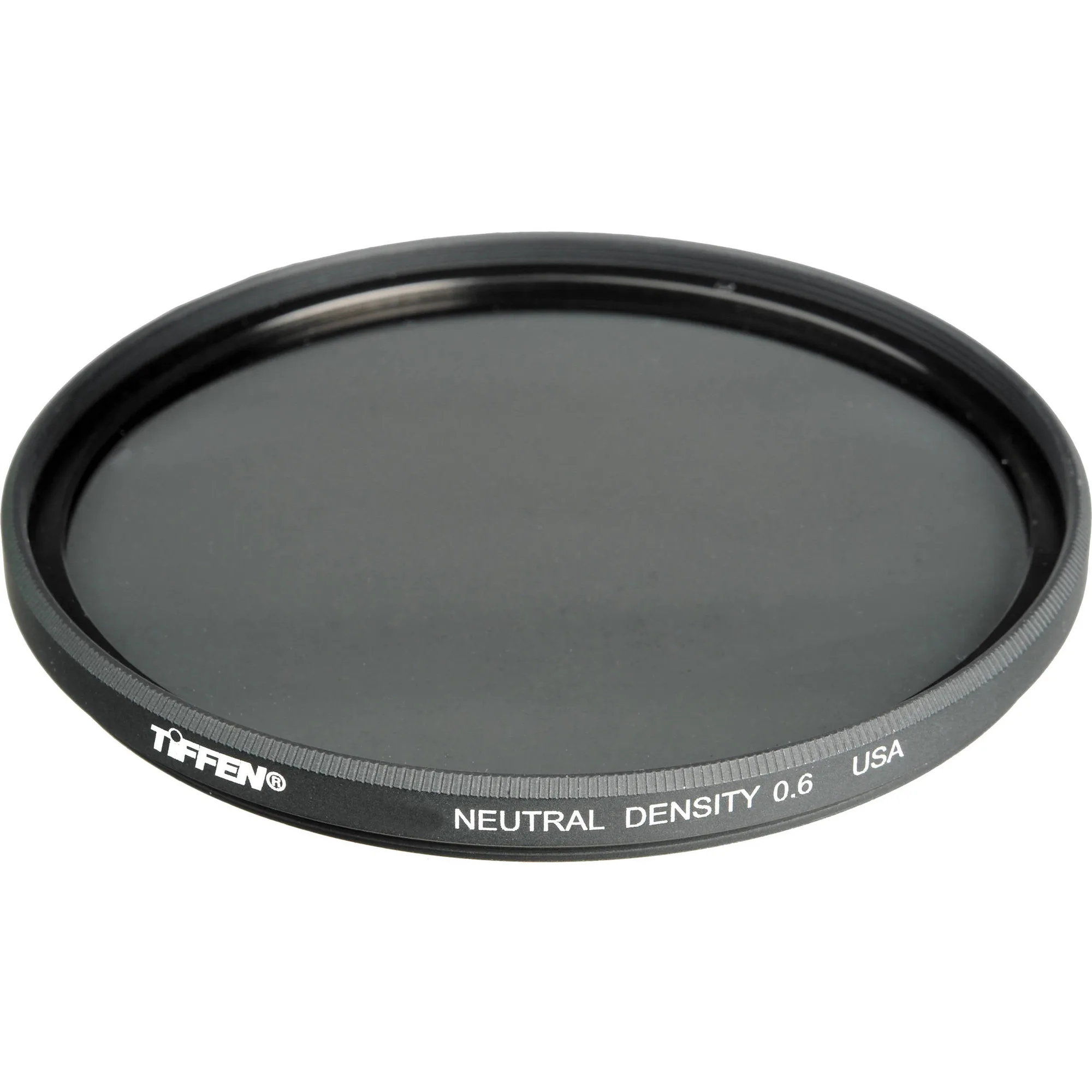
Tiffen 62mm Neutral Density 0.6 Lens Filter
-
Tiffen 52mm Neutral Density 1.5: Tiffen 52mm Neutral Density 1.5 provides a 6-stop exposure reduction, darkening the image for longer shutter speeds or wider apertures without affecting coloration. A 6-stop ND lets you create smooth motion effects in bright daylight, such as blurring moving water or clouds, without switching to a smaller aperture.
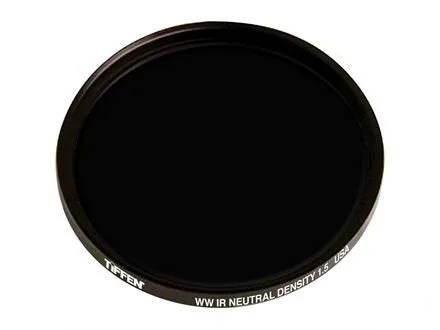
Tiffen 52mm Neutral Density 1.5