Quick Answer
A sofubi toy is a collectible figure made from soft vinyl, a material popularized in Japan in the 1960s. Unlike hard vinyl or resin figures, sofubi are hollow, flexible, and often feature intricate paintwork. If you're new to collecting, start with affordable pieces like the Dungby & Pooba Mini Blind Box Figures to explore the style without a big investment.
If you've browsed designer toy stores recently, you've likely come across the term 'sofubi' and wondered what sets these figures apart. The word comes from 'soft vinyl' and refers to a specific type of Japanese toy that has gained a cult following among collectors worldwide.
In this guide, we'll answer common questions about sofubi toys, from their history and manufacturing process to how they compare to other collectibles like vinyl or resin figures. Whether you're a curious beginner or a seasoned collector, you'll find practical tips to enhance your appreciation of these unique art pieces.
What Does Sofubi Mean?
Sofubi (ソフビ) is short for 'sofuto binīru,' the Japanese pronunciation of 'soft vinyl.' It refers to a type of toy made from a soft, flexible PVC (polyvinyl chloride) that is hollow inside. This material allows for detailed sculpting and a slight squishiness that distinguishes sofubi from harder plastic or resin figures.
The term originated in Japan in the 1960s when manufacturers began using rotocasting to produce toys like kaiju (monster) figures and superhero characters. Over time, sofubi evolved from children's toys to highly sought-after art pieces, with many independent artists and small studios creating limited-edition figures.
- Sofubi figures are typically hollow, making them lightweight and slightly squeezable.
- They often feature hand-painted details, giving each piece a unique character.
- The soft vinyl material allows for intricate sculpting that might be too fragile in harder plastics.
How Are Sofubi Toys Made?
Sofubi production involves a process called rotocasting. Liquid PVC is poured into a mold, which is then rotated and heated so the plastic coats the inside evenly. This creates a hollow figure with a consistent thickness. After cooling, the figure is removed, and excess flash (excess plastic) is trimmed by hand.
One of the hallmarks of sofubi is the hand-painting process. Unlike mass-produced toys that use automated painting, sofubi are often painted by artisans who layer colors and add washes (diluted paint that settles into crevices) to highlight details. This labor-intensive process is why sofubi figures can be more expensive and why each piece may vary slightly.
- Rotocasting creates a hollow, lightweight figure.
- Hand-painting ensures no two sofubi are exactly alike.
- Small production runs contribute to their collectibility.
Sofubi vs. Vinyl: What's the Difference?
While 'vinyl' is often used as a catch-all term for designer toys, there are key differences between soft vinyl (sofubi) and hard vinyl. Sofubi is made from softer PVC, which is flexible and hollow. Hard vinyl figures, on the other hand, are typically solid or have a harder shell, making them more rigid and less squishy.
Another difference lies in the production method. Sofubi are usually rotocast, while hard vinyl figures might be injection-molded. The choice of material affects the feel, durability, and price. Sofubi's flexibility makes it resistant to cracks from minor drops, but it can be more prone to scuffs. Hard vinyl offers a sturdier feel but may be less detailed in fine areas.
- Sofubi is hollow and squeezable; hard vinyl is more rigid.
- Sofubi often has hand-painted details; hard vinyl may use automated painting.
- Sofubi tends to be more expensive due to smaller runs and hand-finishing.
Why Are Sofubi Toys So Popular?
Sofubi's appeal lies in its blend of nostalgia and artistry. For many collectors, these figures evoke the retro kaiju toys of their childhood, but they've been reimagined by contemporary artists into bold, edgy designs. The hand-painted nature means each piece is a miniature work of art, and the limited production runs make them exclusive.
Additionally, the sofubi community is tight-knit, with events like Sofubi Conventions and online forums where collectors share their latest finds. The thrill of hunting for rare pieces and the satisfaction of displaying a unique figure drive many to build substantial collections.
- Nostalgic appeal for Japanese monster and superhero toys.
- Hand-painted artistry makes each figure unique.
- Limited releases create a sense of exclusivity.
How to Start Collecting Sofubi
Starting a sofubi collection doesn't require a huge budget. Look for entry-level figures from well-known artists or brands. Many blind boxes offer a low-cost way to get your first sofubi-style piece. For example, the Dungby & Pooba Mini Blind Box Figures feature articulated legs and come with a display ring, making them a playful and affordable introduction.
When you're ready to invest more, consider resin figures that offer a similar aesthetic but with a different material. The Limon Skull - ORANGE/BLUE is a striking resin piece that brings bold color to any shelf, and while it's not soft vinyl, it shares the designer toy spirit. Always check the material and care instructions to ensure you display your figures properly.
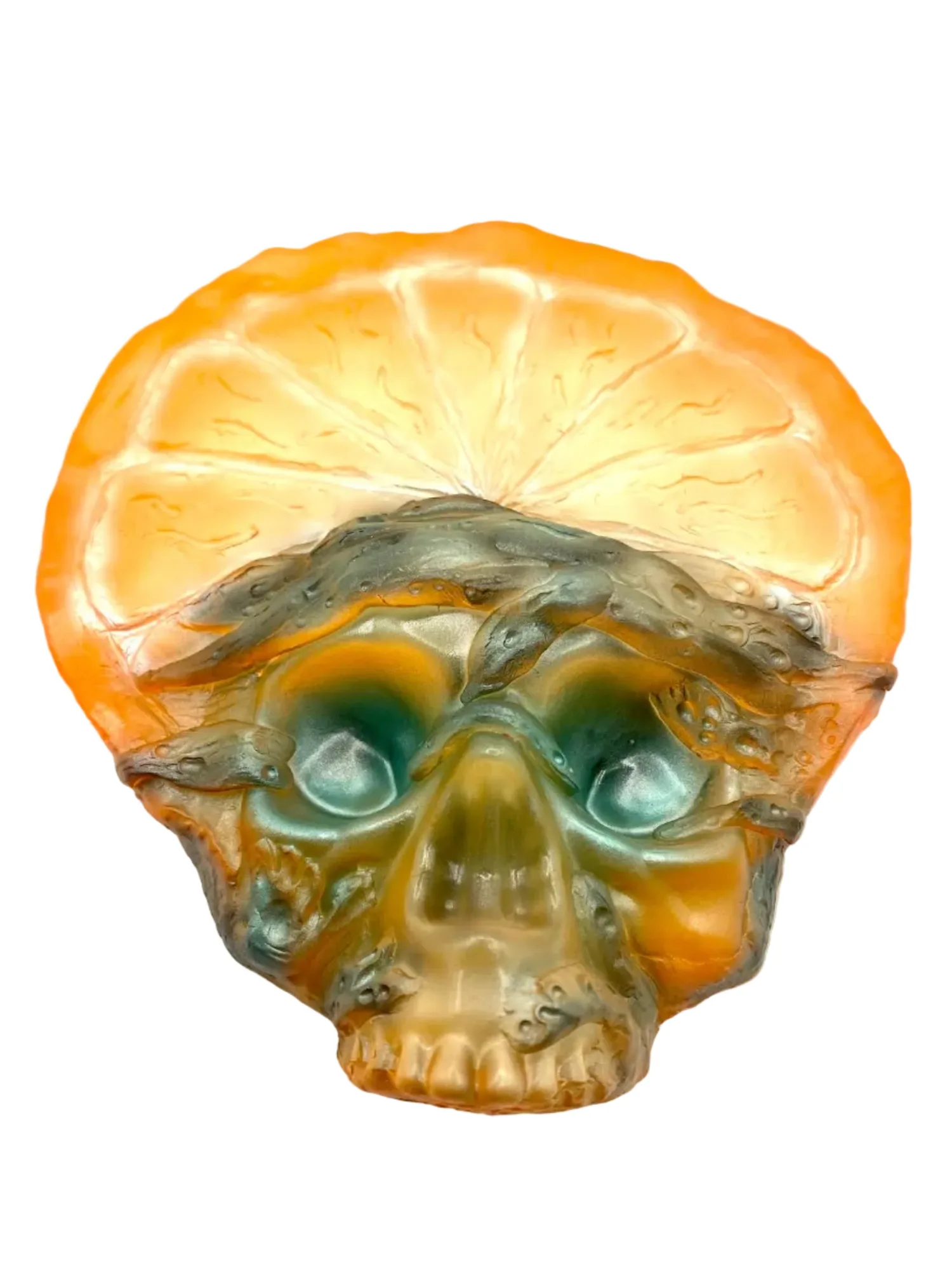
Limon Skull - ORANGE/BLUE
- Start with affordable blind boxes or mini figures.
- Research artists and brands to find styles you love.
- Join online communities to learn about releases and care tips.
Frequently Asked Questions About Sofubi
Are sofubi toys safe for children?
Sofubi figures are collectibles, not toys for young children. They may have small parts or sharp details, and the paint may contain substances not suitable for mouthing. Always keep them out of reach of small kids. Treat sofubi as display pieces, not playthings.
How do I clean sofubi figures?
Dust them regularly with a soft, dry cloth. For stubborn dirt, use a slightly damp cloth with mild soap, then dry immediately. Avoid harsh chemicals that can damage the paint. Gentle cleaning preserves the hand-painted finish.
Can sofubi figures be customized?
Yes, many collectors paint or modify sofubi figures. The soft vinyl takes paint well, but it's recommended to use flexible paints and sealants to prevent cracking. Customization is a creative way to make your collection unique.
Why are some sofubi figures so expensive?
Prices reflect the hand-crafted nature, limited production runs, and the artist's reputation. Some figures are produced in editions of fewer than 100 pieces, making them rare. High prices often indicate rarity and artistic value.
Sofubi-Inspired Collectibles at Shop Outer Limits
- Dungby & Pooba Mini Blind Box Figures: Each mini Dungby figure features six individually articulated legs and comes packed inside a companion 2-part 2" wide Pooba ball. Includes a small stabilizing display ring. 8 regular editions and one of two variants. This blind box offers an affordable way to experience the playful, articulated design that sofubi fans love, without a large upfront cost.
- Limon Skull - ORANGE/BLUE: The Limon Skull in Orange/Blue from Decay Toys is a striking resin collectible with a vivid two-tone finish and sculpted details, part of the Resin Toys category. If you appreciate the bold aesthetics of sofubi but prefer a more durable, solid material, this resin figure delivers visual pop and longevity.
Sofubi toys offer a fascinating blend of Japanese craftsmanship and contemporary art. Whether you're drawn to their nostalgic charm or their hand-painted details, there's a sofubi out there for every collector. Start your journey with a playful piece like the Dungby & Pooba Mini Blind Box Figures, and don't forget to explore other resin and vinyl treasures at Shop Outer Limits to expand your collection.