Quick Answer
ACAAN stands for 'Any Card At Any Number' – a classic mentalism effect where a spectator names a card and a number, and the card is found at that exact position in the deck. It's a powerful demonstration of seemingly impossible control. For beginners, mastering a simple ACAAN handling is a rewarding step into mentalism.
If you've been exploring magic, you've likely heard the acronym ACAAN. It's a staple in the magic community, often described as the holy grail of card tricks. But what is ACAAN exactly? Simply put, it's an effect where a spectator names any card and any number, and the magician reveals that card at that exact position in the deck.
This effect blends card magic and mentalism, creating a moment of pure astonishment. While there are complex methods, beginners can start with a simple approach. This guide will walk you through the concept, the steps to perform a basic ACAAN, and how to avoid common pitfalls.
Understanding the ACAAN Effect
ACAAN is a plot, not a specific trick. It's a challenge that has inspired countless methods. The core premise is straightforward: the spectator names a card (e.g., the Queen of Hearts) and a number (e.g., 23). The magician then counts to the 23rd card, and it's the Queen of Hearts. This effect is powerful because it seems to eliminate any possibility of sleight of hand – the spectator has free choice.
The beauty of ACAAN is its versatility. It can be performed as a pure mentalism piece, where the magician never touches the deck, or as a card trick with a magical reveal. For beginners, starting with a self-working or simple force-based method is key. As you progress, you can explore more advanced techniques.
Common Methods for Beginners
There are several ways to achieve the ACAAN effect. Some methods rely on a stacked deck, where the cards are pre-arranged in a specific order. Others use a simple force to make the spectator choose a pre-determined card and number. For beginners, a popular approach is the 'Si Stebbins' stack or a similar system that allows you to quickly locate any card at any number.
Another method involves a gimmicked deck or a simple sleight like a cull. However, for those just starting, the simplest approach is to use a stack and a bit of mental math. This requires practice but builds a solid foundation. Remember, the method is not the magic – the presentation is.
Performing ACAAN: A Step-by-Step Approach
To begin, you need a deck that is stacked in a known order. The most common is the Si Stebbins stack, where each card's value increases by three and suits follow a pattern (CHaSeD). This allows you to know the position of any card if you know the top card. Practice this stack until it's second nature.
When performing, ask a spectator to name any card and any number. With a stacked deck, you can quickly calculate the position. If the card is not in the exact position, you can use a simple false count or a 'spread' to adjust. For a beginner, it's easier to use a 'force' – subtly guiding the spectator to a specific card and number that you've prepared for.
Your First ACAAN Routine
- Choose a Method: Start with a stacked deck or a simple force. For beginners, use a stack like Si Stebbins. Practice until you can quickly calculate positions. Checkpoint: Can you name the card at position 15 without hesitation?
- Present the Effect: Ask a spectator to think of any card and any number. Emphasize their freedom of choice. This builds the impossible nature of the effect. Checkpoint: Ensure the spectator feels their choices are completely free.
- Reveal with Drama: Count to the chosen number slowly, building tension. When you reach the position, reveal the card. Pause for the reaction. Common mistake: Rushing the reveal. Let the moment breathe.
- Handle Mismatches Gracefully: If the card is not there (due to a method error), use a convincer: 'That's not your card, is it? No? Then let's try again.' Then use a force or a different reveal. Checkpoint: Always have a backup plan, like a card change or a second phase.
Useful Tools for ACAAN
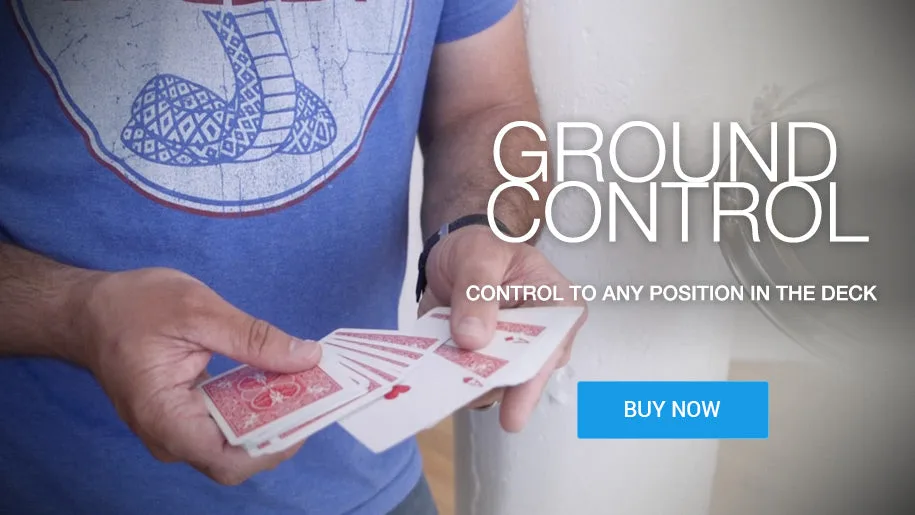
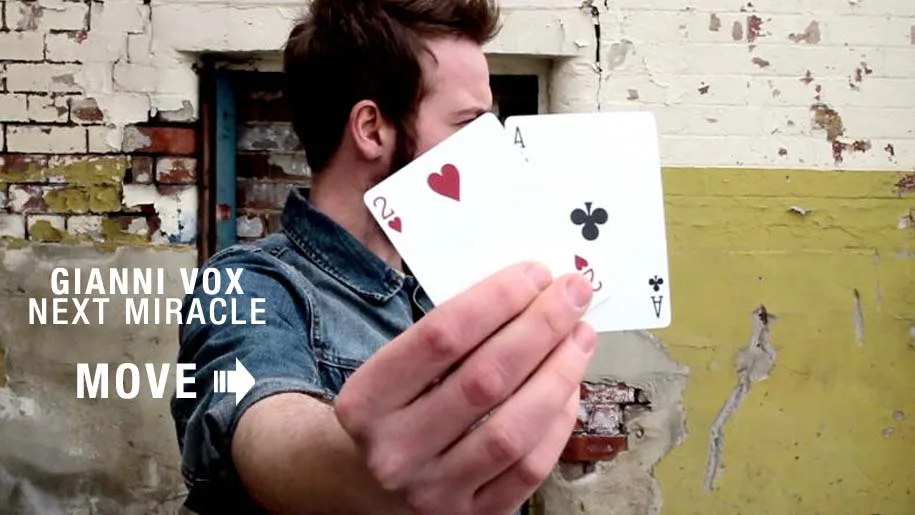
- Ground Control: Ground Control by Cody Nottingham allows you to control a selection to ANY position in the deck. This move is perfect for ACAAN because it lets you secretly place the chosen card at the exact number the spectator names, even if you didn't use a stack.
move
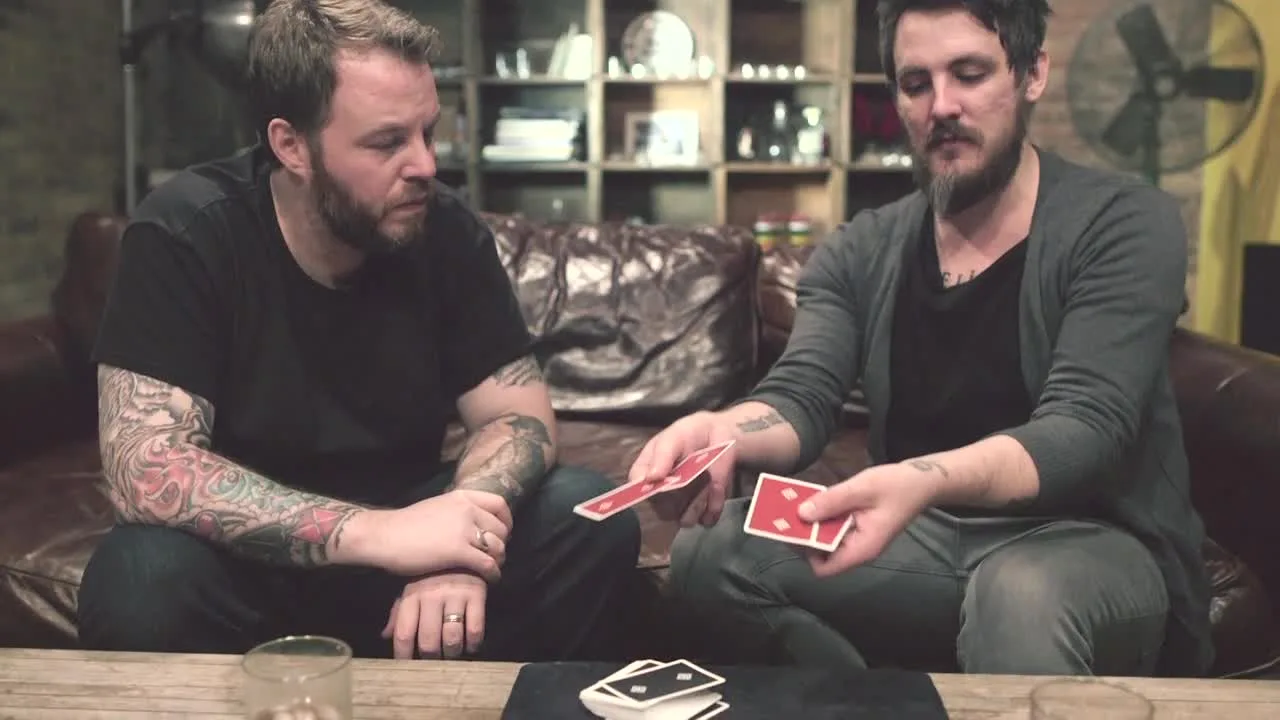
- Heritage: Heritage by Daniel Madison is a gambling demonstration where you never touch the deck, and a spectator deals a single card that completes a winning hand. This effect shares the 'impossible location' theme with ACAAN and can be a great addition to your mentalism repertoire, showing a different way to achieve a similar astonishment.
ACAAN is a timeless effect that showcases the power of mentalism. With practice, you can perform a version that leaves spectators speechless. Start with a simple method, focus on presentation, and always have a backup. As you grow, explore advanced techniques and make the effect your own.