Quick answer
ByAnnie double sided tape is a thin, translucent adhesive film that sticks to both sides of a seam so you can position zippers, vinyl, and layered panels before sewing. You sew straight through it, then peel away the paper backing. It is not a permanent bond, so stitching still does the structural work. If you make bags with slippery or bulky materials, it saves more time than almost any other notion in your drawer.
If you have ever pinned a zipper into a curve and watched it shift the moment you lifted the presser foot, you already know why bag makers reach for ByAnnie double sided tape. It is one of those small supplies that changes how a project feels from the first seam to the last.
This FAQ answers the questions that come up most often: what the tape actually is, where it works, where it does not, and how to use it without fighting sticky residue or a gummed-up needle.
What exactly is ByAnnie double sided tape?
It is a very thin, double-sided adhesive film on a paper release liner. You press one side to your fabric or vinyl, peel the liner, and press the second piece into place. Unlike glue or fusible web, it does not stiffen the fabric or require heat, and it does not create a permanent chemical bond.
The tape is designed to be sewn through. Because the film is thin, a normal sewing machine needle passes through it without the bulk of a pin or clip. After stitching, the tape stays inside the seam as a soft, unobtrusive layer rather than a hard lump.
- Press firmly for a few seconds; light pressure gives light hold.
- Store it flat and away from heat so the liner stays easy to peel.
- Test on a scrap of your actual fabric before committing to a finished panel.
Why not just use pins or clips?
Pins and clips work well on flat, stable seams. They struggle with the materials bag makers use most: vinyl, faux leather, laminated cotton, and foam-backed panels. Those surfaces are slippery, thick, or both, and a pin hole in vinyl is permanent. Clips also add bulk right where your presser foot needs to sit flat.
Tape solves the positioning problem without puncturing the material. It holds the layers flush along the whole seam, not just at a few points, so curves and zipper openings stay aligned while you sew. That is the practical difference between a zipper that looks intentional and one that waves.
- Use tape on curves, zipper openings, and anywhere layers want to creep.
- Keep pins for stable quilting cotton where you can press seams open.
- Never pin through clear vinyl if you want a clean finished look.
How do you use it with zippers?
Run a strip of tape along the zipper tape edge, press it to the fabric, peel the liner, then fold and press the fabric into position. The zipper stays exactly where you put it, which matters most on size #5 coil zippers used in handbags, pouches, and backpacks. Those zippers are flexible, so they can shift if you rely on clips alone.
If you are working with a printed or specialty zipper, tape also protects the finish. You avoid pin marks and repeated handling that can dull a metallic-looking coil or distort a printed tape edge. For a bundle project, tape lets you audition shades like Rainbow Theory or Chasing Rainbows against your fabric before you stitch.
- Apply tape to the zipper tape, not the coil teeth.
- Press the fabric down from the center outward to push out air bubbles.
- Sew slowly over the taped area and let the feed dogs do the work.
Will it gum up my needle or leave residue?
Used in normal amounts, no. The trouble comes from over-taping or from leaving the paper liner on too long before sewing. A thin strip along the seam is enough. If you cover a whole panel, the needle can pick up adhesive and start skipping stitches.
If you feel drag, stop, wipe the needle with a little isopropyl alcohol on a cloth, and continue. Residue on fabric is rare, but if you notice a tacky edge after sewing, a short press with a warm iron through a pressing cloth usually settles it. Always test on a scrap first if your fabric is delicate or coated.
- Use the narrowest strip that still holds the layers.
- Change to a fresh needle if you feel repeated resistance.
- Avoid stretching the tape as you apply it; stretch causes pull later.
Where does tape not work well?
It is not a substitute for stitching, and it is not a permanent closure on its own. Do not rely on it to hold a bag handle or a stress point without seams. It also struggles on very fuzzy fabrics like fleece or heavily textured canvas, because the adhesive cannot get a flat grip.
For those materials, a washable glue stick or a few well-placed clips may be a better choice. The honest tradeoff is that tape adds a small consumable cost to every project, so save it for the steps where alignment actually matters.
- Skip tape on fuzzy wovens and loose knits.
- Do not use it as the only fastener on load-bearing seams.
- Keep a glue stick on hand for high-pile fabrics.
ByAnnie double sided tape quick reference
What it is
A thin, sew-through double-sided adhesive film on a paper release liner. It positions layers; stitching still holds the bag together.
Best uses
Zipper openings, curves, vinyl and faux leather seams, and any spot where pins would leave marks. Use it where alignment is hard and pin holes are permanent.
Avoid
Fuzzy fabrics, load-bearing seams without stitching, and over-taping large areas. A thin strip beats a full panel every time.
Needle care
If you feel drag, wipe the needle with isopropyl alcohol and keep the tape strips narrow. Stop and clean rather than pushing through resistance.
Zipper Valley products that pair well with tape
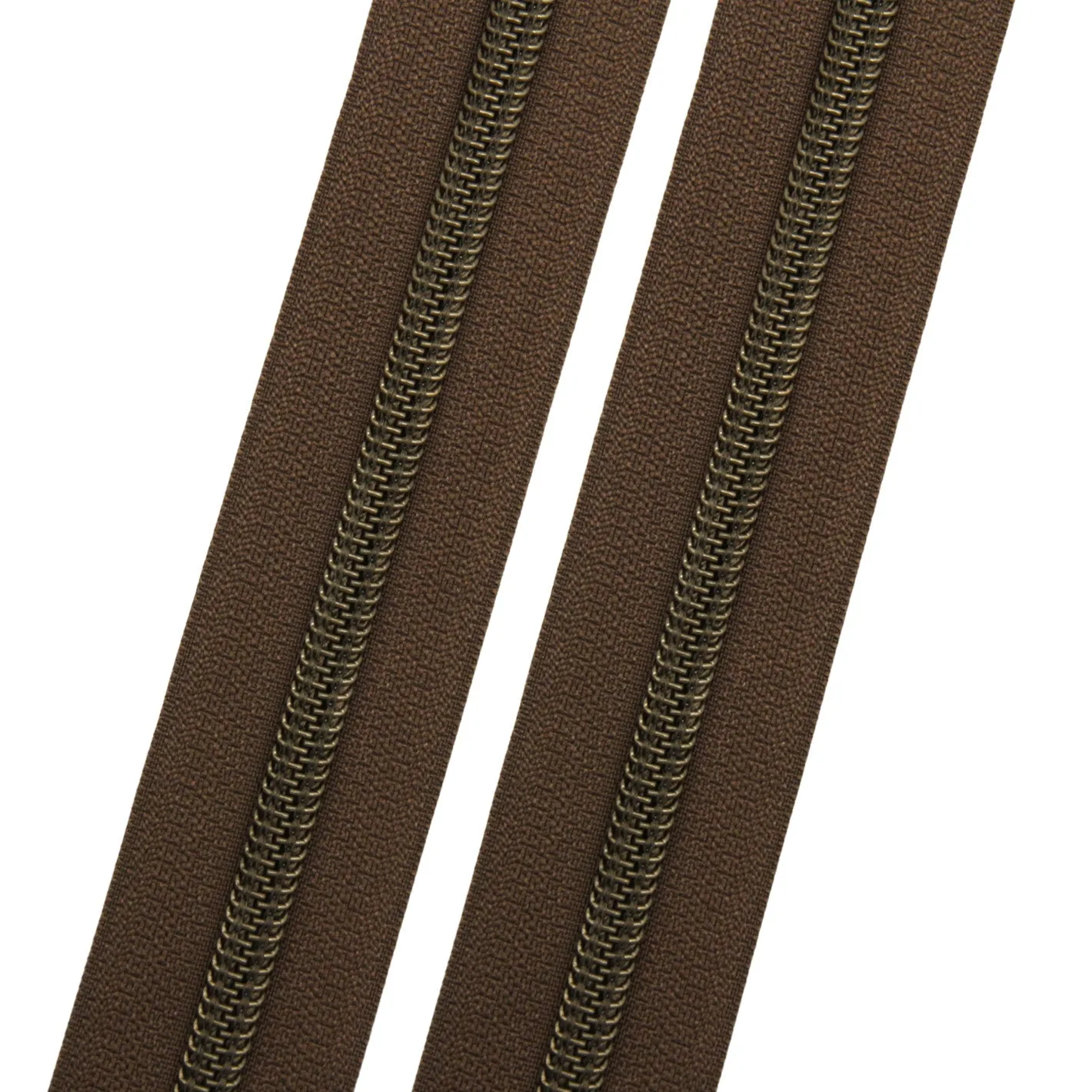
- English Saddle - #5 Bronze Nylon Coil Zipper Tape: Size #5 nylon coil zipper tape with a warm bronze finish, sold by length and described as durable, smooth-gliding, and sew-through without breaking needles. A #5 coil is the workhorse size for handbags and pouches, and the bronze finish pairs naturally with the neutral, warm tones many bag makers use. Tape helps you keep this flexible coil aligned on curves.
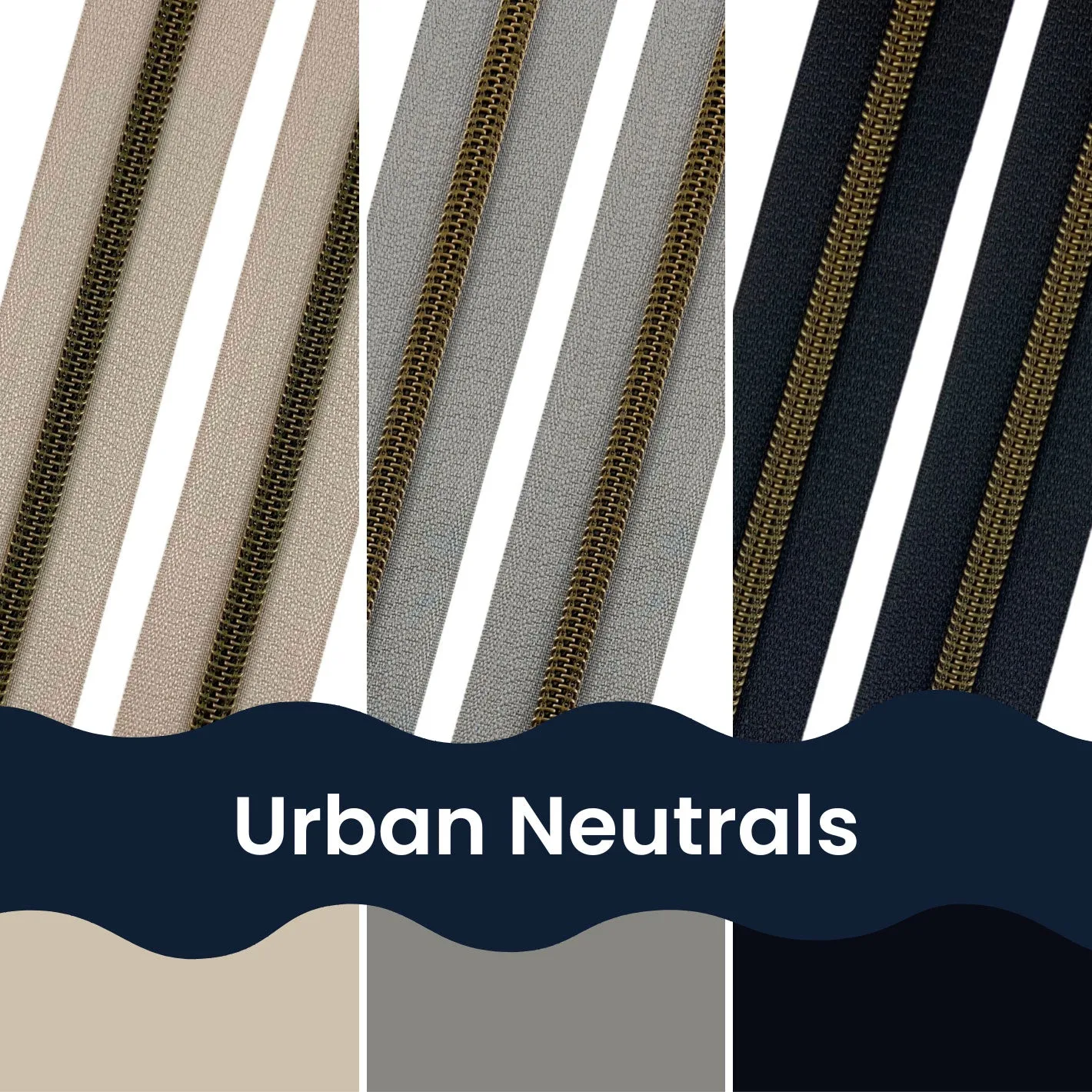
- Urban Neutrals - Zipper Tape Bundle: A three-shade bundle of #5 bronze nylon coil zipper tape in Beige, Meredith Grey, and Black, described as durable, smooth-gliding, and built to look high-end. Bundles let you test which neutral reads best against your fabric before you commit. Tape makes that audition quick because you can reposition without pin holes.
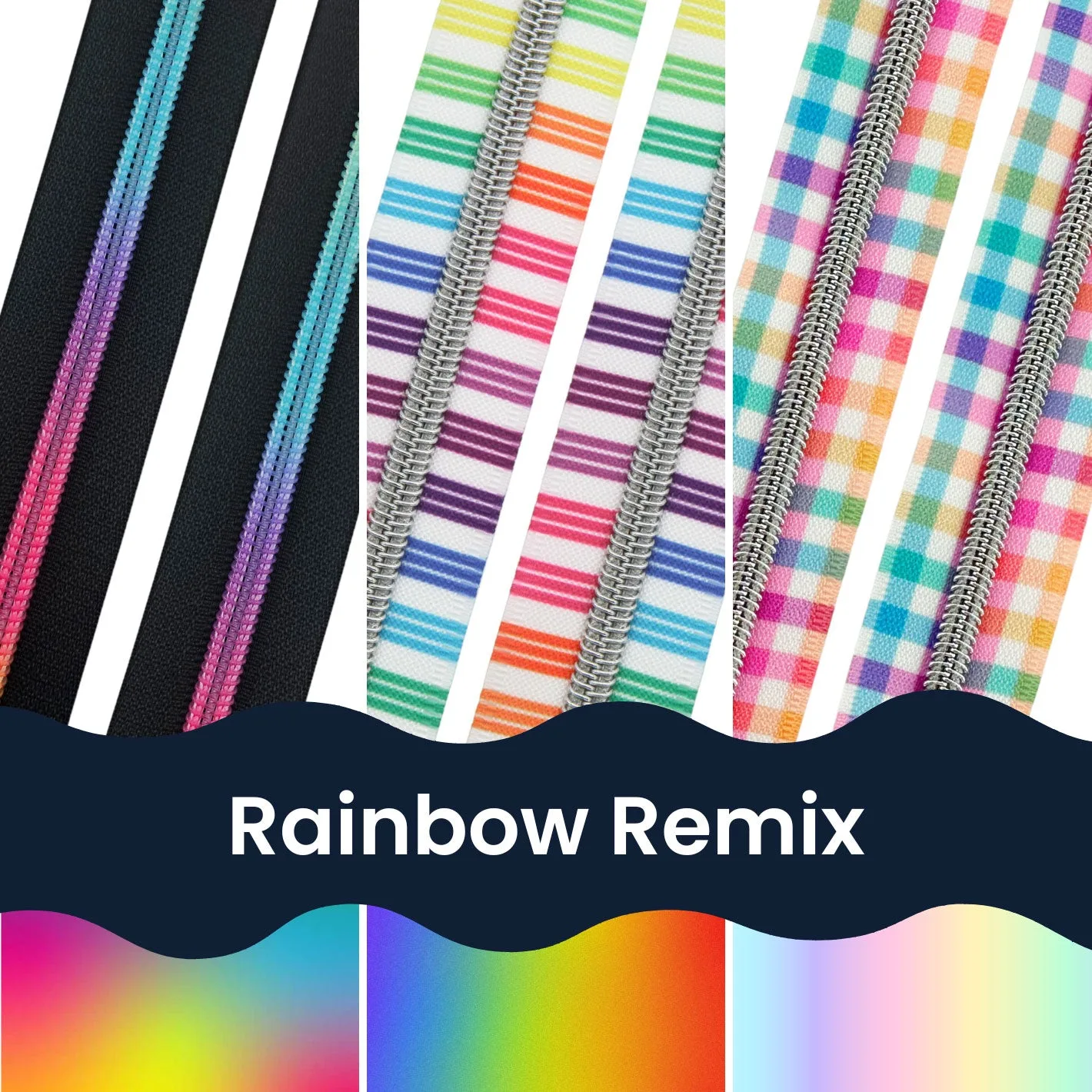
- Rainbow Remix - Zipper Tape Bundle: A three-tape bundle of #5 nylon coil zipper tape in Rainbow Theory, Chasing Rainbows, and Rainbow Gingham. Printed and multicolor coils benefit most from tape because pin marks and handling can dull the finish. Tape holds the tape edge flat while you stitch.
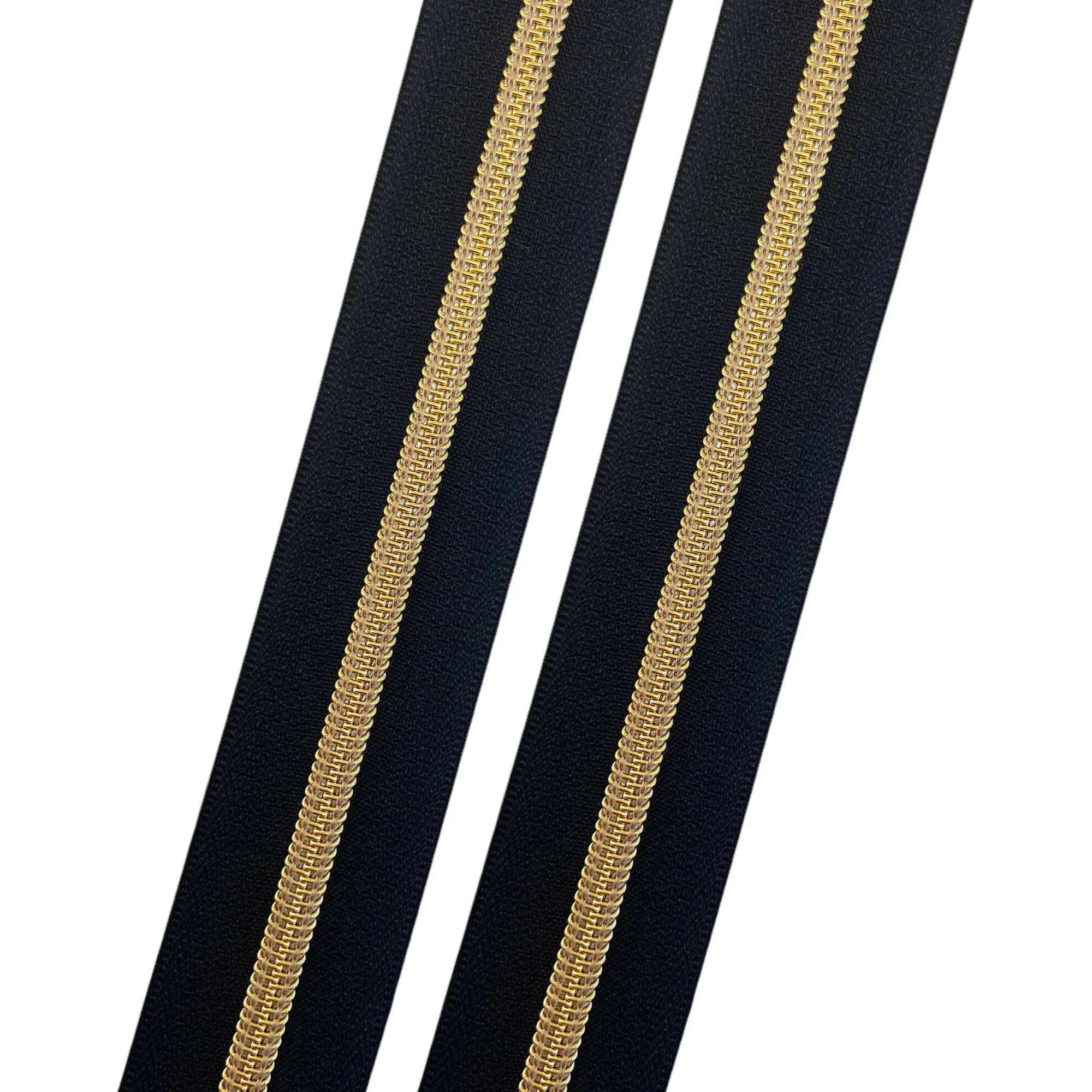
- Black - #5 Gold Nylon Coil Zipper Tape: Size #5 nylon coil zipper tape in black with a gold finish, sold by length, described as durable and smooth-gliding with a premium look. A high-contrast zipper shows every wobble, so precise positioning matters more here than on a tonal match. Tape is the simplest way to keep that line straight.
ByAnnie double sided tape is not glamorous, but it is the quiet tool that makes zipper installations, vinyl seams, and layered panels behave. Keep a roll with your clips and pins, use it in thin strips where alignment matters, and let your machine do the real work.