Quick answer
Marsannay is a village-level appellation at the northern tip of Burgundy's Côte de Nuits, and it makes Pinot Noir that tastes like real Burgundy at prices that don't require a special occasion. If you want red Burgundy with red-fruit freshness and a lighter frame, start here rather than with a famous village further south. Buy based on producer reputation and vintage, not on vineyard prestige.
Marsannay sits just south of Dijon, which makes it the first stop on the Côte de Nuits if you're driving south. That geography matters for your wallet: the village has no grand cru vineyards, so its wines don't carry the markup that comes with a famous name. What it does have is the same limestone-and-clay hillsides and the same Pinot Noir grape as Gevrey-Chambertin a few minutes down the road.
That combination makes Marsannay one of the most useful appellations for anyone building a Burgundy habit without a Burgundy budget. This guide covers what the wines taste like, how they differ from their southern neighbors, and the specific things to check before you buy a bottle.
What Marsannay actually is
Marsannay is a village appellation in the Côte de Nuits subregion of Burgundy, France. It was granted its own AOC status in 1987, which is recent by Burgundy standards, and it covers red, white, and rosé wines. The reds are Pinot Noir, and they're the reason most people seek the village out.
The vineyards sit on east- and southeast-facing slopes at the northern end of the Côte, where the climate is slightly cooler and more continental than in villages further south. In practice, that means Marsannay Pinot Noir tends to be a bit leaner and more red-fruited, with less of the darker, earthier weight you find in Gevrey-Chambertin or Nuits-Saint-Georges.
- Village-level appellation, no grand cru or premier cru vineyards
- Red wines are 100% Pinot Noir
- Also produces white and rosé, though reds dominate the reputation
How Marsannay compares to the rest of the Côte de Nuits
The classic comparison is Marsannay vs Côtes de Nuits Villages, the regional appellation that surrounds several villages. Both occupy the affordable end of red Burgundy, but they aren't the same thing. Marsannay is a single named village with its own rules; Côtes de Nuits Villages is a broader category that can come from a handful of villages, so quality varies more from bottle to bottle.
Against a famous village like Gevrey-Chambertin, Marsannay gives up some concentration and aging potential. What you get in return is a wine that's ready to drink sooner and costs meaningfully less. If you're comparing a $40 Marsannay to a $90 Gevrey, the Marsannay is often the smarter Tuesday-night purchase.
- Marsannay: single village, more consistent identity, no grand cru premium
- Côtes de Nuits Villages: broader blend of villages, wider quality range
- Gevrey-Chambertin and Nuits-Saint-Georges: more structure and ageability, higher price
What to look for on the label
The appellation name 'Marsannay' will appear prominently, and the producer name matters more than any single-vineyard designation here. Established domaines with long track records in the village are the safest bet, because Marsannay's recent promotion to AOC status means some newer bottlings are still finding their footing.
Vintage is the second thing to check. Burgundy vintages swing noticeably, and Marsannay's northern position makes it more sensitive to cool, rainy growing seasons than villages further south. In weaker vintages, buy from producers you trust; in strong vintages, you have more room to experiment.
- Prioritize producer reputation over vineyard names
- Check the vintage — northern Burgundy is more vintage-sensitive
- Look for 'Marsannay' rather than a generic Bourgogne Rouge if you want village character
How to serve and pair it
Marsannay Pinot Noir is lighter-bodied than most New World Pinot, so serve it slightly cool — around 55°F to 60°F — rather than at room temperature. That keeps the red fruit fresh and prevents the wine from tasting flat. A standard Burgundy glass works well; you don't need anything specialized.
Food-wise, the wine's acidity and modest tannin make it flexible. Roast chicken, duck breast, mushroom dishes, and soft cheeses like Brie all work. It's also a good candidate for a slight chill if you're drinking it outdoors in warm weather, which is not something you can say about every red Burgundy.
- Serve at 55–60°F, not room temperature
- Pairs with roast poultry, mushrooms, and soft cheese
- A light chill is fine — the wine is not tannic enough to need warmth
Decision rules for buying Marsannay
- If you're new to Burgundy: Start with a village-level Marsannay from a well-known producer rather than a single-vineyard bottling. The village wine gives you the appellation's character at the lowest entry price, and you can decide whether to trade up later. Buy one bottle, taste it, then decide if you want to explore further.
- If you're comparing to Côtes de Nuits Villages: Choose Marsannay when you want a more consistent, identifiable village character. Choose Côtes de Nuits Villages when you're willing to trade some consistency for a potentially lower price or a specific producer's blend. Marsannay for reliability, Côtes de Nuits Villages for flexibility.
- If you're buying for aging: Marsannay generally drinks well younger than Gevrey-Chambertin or Nuits-Saint-Georges, and its structure is lighter. If long-term cellaring is the goal, Marsannay is not the most efficient use of your budget. Drink Marsannay in its first five to seven years rather than holding it for a decade.
- If you're shopping on price alone: Marsannay's value comes from what it doesn't have — famous grand cru vineyards — not from being the cheapest red Burgundy on the shelf. A generic Bourgogne Rouge will usually cost less, but it also won't deliver the same village-level character. Pay a little more for Marsannay over generic Bourgogne Rouge if you want a sense of place.
Bottles Fine Wine picks that fit the Marsannay mindset
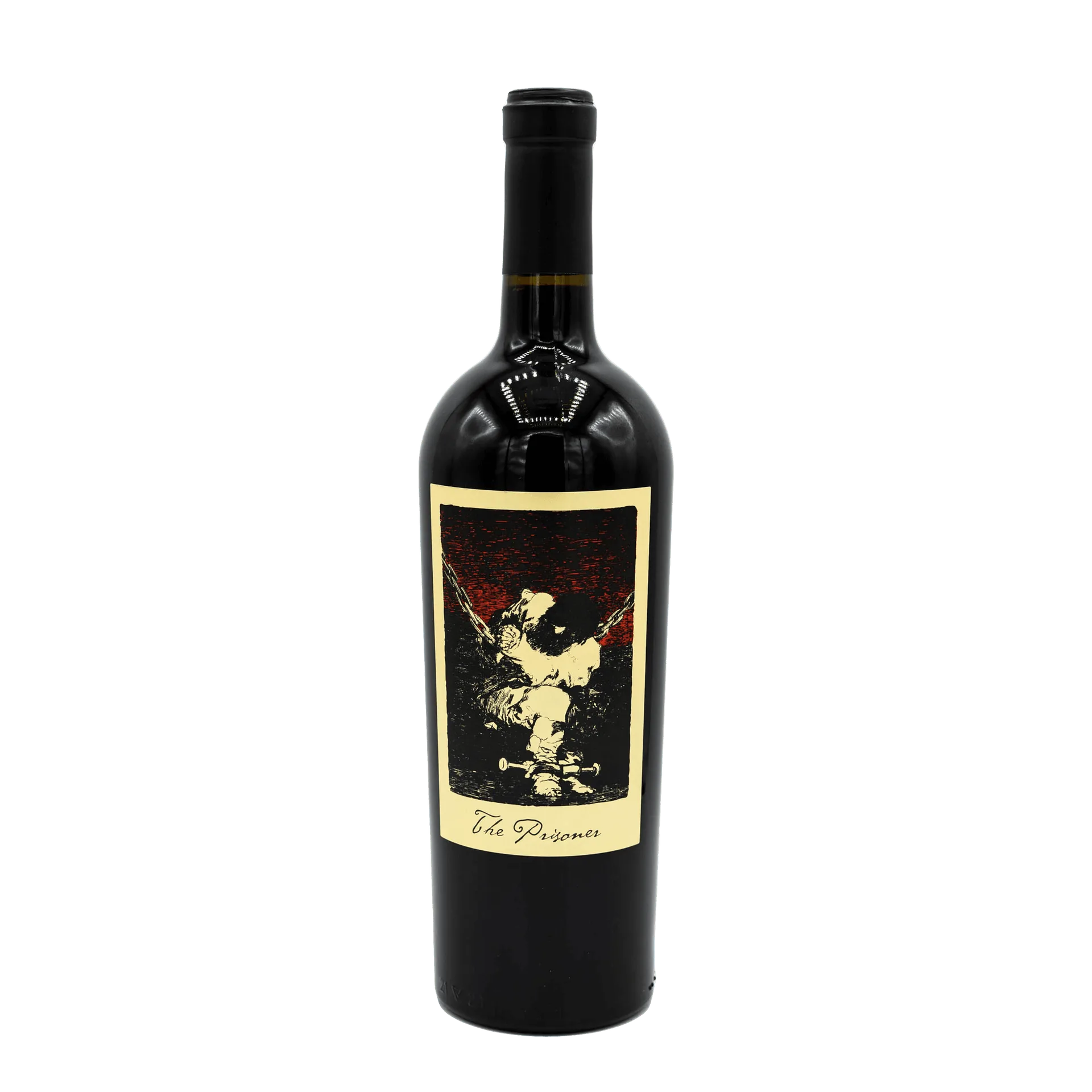
- Prisoner Red: Aromas of huckleberry and spicy mocha combine with supple flavors of raspberry and cherry. If you like the red-fruit core of Marsannay Pinot Noir but want more weight and a bolder profile, this is the opposite end of the spectrum — a useful reference point for calibrating your own preference.
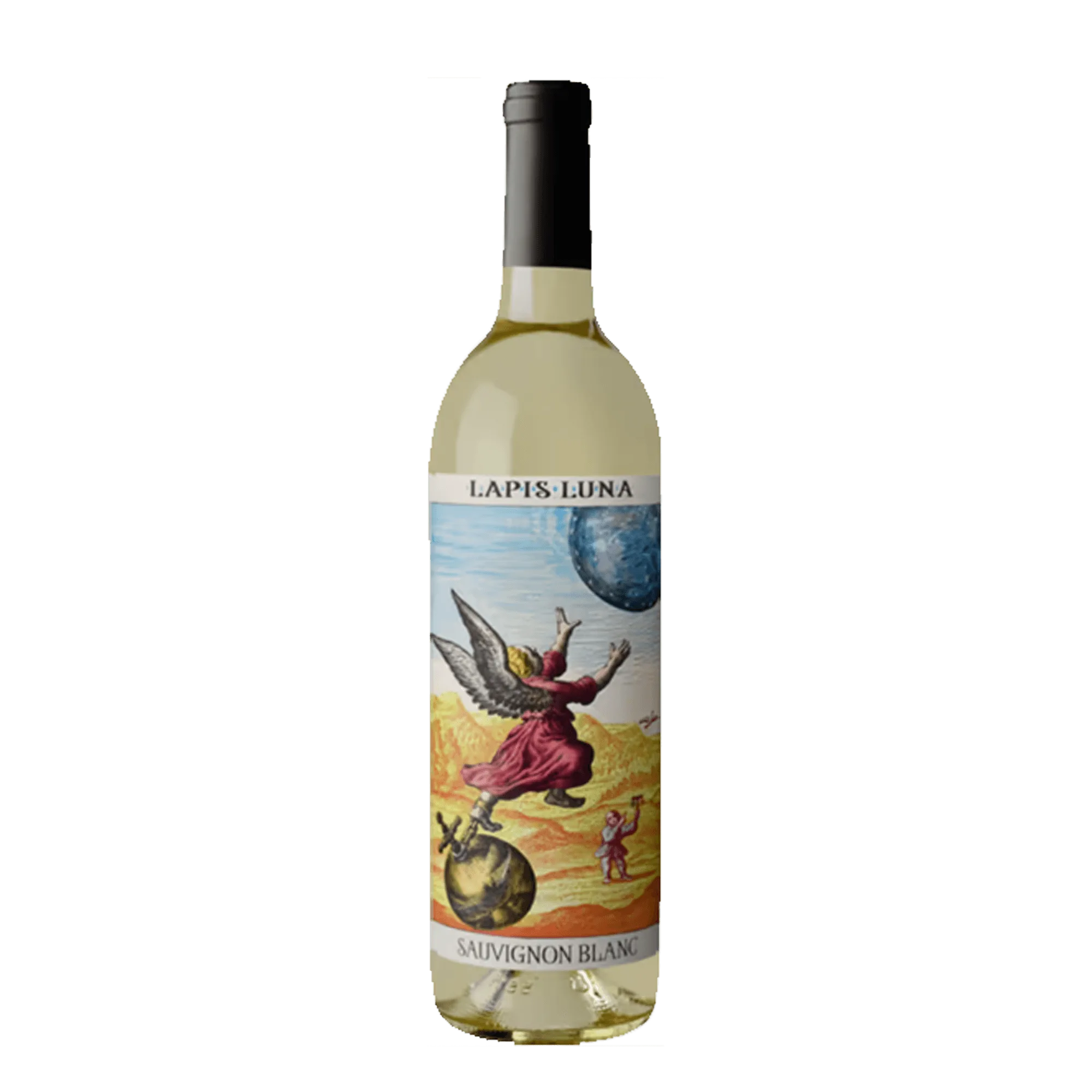
- Lapis Luna Sauvignon Blanc: Juicy and refreshing with crisp citrus and stone fruit flavors. This + Warm Weather = Perfect! Marsannay also makes white wine, and if you're exploring the village's range, a crisp white like this shows the lighter, citrus-driven style that northern Burgundy can produce.
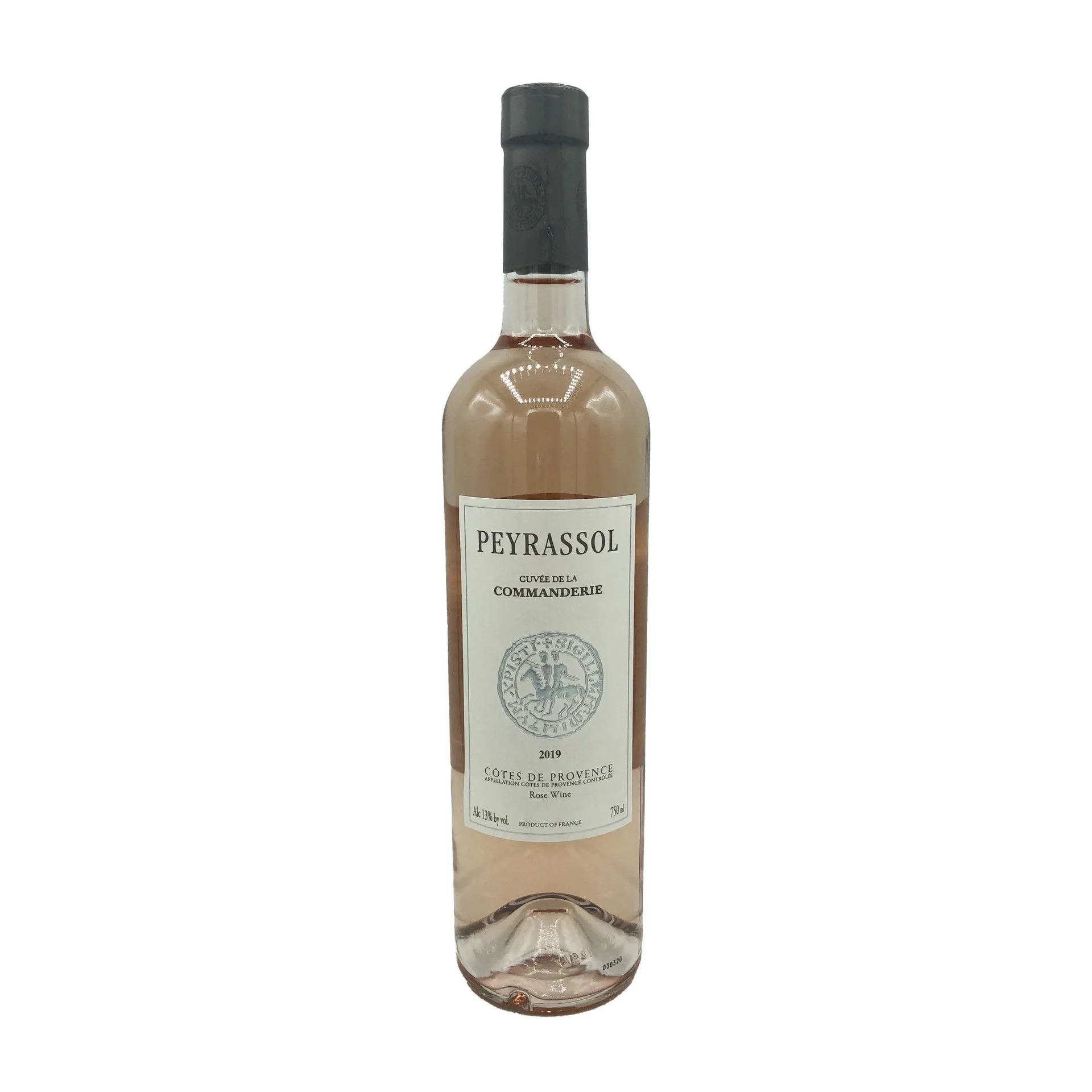
- Peyrassol Commanderie De Peyrassol Rose: Pale pink and delicate. Notes of small wild berries mingle on the nose with a hint of juniper. This spicy touch supports a palate built on liveliness reminiscent of exotic citrus fruit. The whole is harmonious, clean, and refreshing. Marsannay is one of the few Burgundy villages with a strong rosé tradition. If you want to understand that style, a delicate, berry-driven rosé like this is a good starting point.
Who should buy Marsannay
Best for
- Drinkers who want affordable Burgundy red wine with genuine Pinot Noir character
- Anyone exploring the Côte de Nuits who isn't ready to spend Gevrey-Chambertin money
- Weeknight dinners where a lighter, food-friendly red makes more sense than a heavy one
Not for
- Collectors looking for long-term aging wines with grand cru pedigree
- Drinkers who prefer the riper, darker fruit of New World Pinot Noir
- Anyone who wants the cheapest possible red Burgundy regardless of origin
Marsannay rewards curiosity more than prestige. Buy a village-level bottle from a producer with a track record, serve it a little cool, and judge for yourself whether the Côte de Nuits' northernmost village earns a permanent spot in your rotation.