If you’ve ever wandered into the world of tea beyond the usual black or green varieties, you’ve likely come across oolong tea. But what is oolong tea exactly? It’s a traditional Chinese tea that sits somewhere between green and black tea in terms of oxidation, offering a fascinating range of flavors—from light and floral to rich and toasty. For beginners, oolong can be both intriguing and a little intimidating, but once you understand its basics, you’ll find it’s one of the most rewarding teas to explore.
In this beginner’s guide, we’ll break down everything you need to know about oolong tea: its flavor profile, health benefits, how to brew it perfectly, and why it deserves a spot in your tea collection. Whether you’re a seasoned tea drinker or just starting your journey, this guide will help you appreciate the complexity and versatility of oolong tea.
What is Oolong Tea?
Oolong tea (pronounced oo-long) is a partially oxidized tea made from the leaves of the Camellia sinensis plant. Unlike green tea, which is unoxidized, or black tea, which is fully oxidized, oolong falls somewhere in between—typically ranging from 10% to 80% oxidation. This partial oxidation gives oolong its distinctive character: a balance of the fresh, grassy notes of green tea and the bold, malty richness of black tea.
The oxidation process is carefully controlled by tea masters who shake, bruise, and roll the leaves to encourage enzymatic browning. After reaching the desired level, the leaves are fired to stop oxidation. This artisanal process is what gives oolong its wide spectrum of flavors, from delicate floral and creamy notes to deep, roasted, and even fruity undertones. Oolong is especially prized in Chinese and Taiwanese tea cultures, where it is often associated with traditional tea ceremonies.
- Oolong is semi-oxidized, typically between 10% and 80% oxidation.
- The flavor can range from light and floral to dark and toasty depending on oxidation and roasting.
- It is traditionally produced in China (especially Fujian and Guangdong) and Taiwan.
Oolong Tea Flavor Profile: What Does It Taste Like?
One of the most exciting aspects of oolong tea is its incredible flavor diversity. Because oxidation levels and roasting techniques vary widely, oolongs can taste completely different from one another. Lightly oxidized oolongs, such as Taiwanese High Mountain oolong, often have floral, creamy, and slightly sweet notes reminiscent of orchids or lilacs. They are smooth and refreshing, with a lingering sweetness that makes them perfect for sipping throughout the day.
On the other end of the spectrum, heavily oxidized and roasted oolongs like Wuyi Rock tea or Da Hong Pao offer bold, toasty, and mineral-rich flavors. These teas often have notes of stone fruit, honey, and even a hint of smoke. Some oolongs are also rolled into tight balls that unfurl during brewing, releasing layers of flavor with each infusion. This complexity makes oolong a favorite among tea connoisseurs who enjoy multiple steepings.
- Light oolongs: floral, creamy, sweet (e.g., Taiwanese High Mountain).
- Dark oolongs: toasty, nutty, mineral-rich (e.g., Wuyi Rock tea).
- Many oolongs can be steeped multiple times, revealing new flavors each time.
Health Benefits of Oolong Tea
Oolong tea is not just delicious—it also offers a range of health benefits thanks to its unique combination of antioxidants, caffeine, and other compounds. Like green and black tea, oolong is rich in polyphenols, particularly catechins and theaflavins, which help combat oxidative stress and reduce inflammation. Studies suggest that regular consumption of oolong tea may support heart health by improving cholesterol levels and reducing blood pressure.
Additionally, oolong tea contains a moderate amount of caffeine—less than black tea but more than green tea—making it a great choice for a gentle energy boost without the jitters. Some research also indicates that oolong tea can aid in weight management by boosting metabolism and fat oxidation. Its combination of antioxidants and L-theanine (an amino acid that promotes relaxation) may also support mental clarity and focus, making it an excellent tea for work or study sessions.
- Rich in antioxidants that reduce inflammation and oxidative stress.
- May support heart health and weight management.
- Provides a balanced caffeine boost with calming L-theanine.
How to Brew Oolong Tea: A Step-by-Step Guide
Brewing oolong tea correctly is key to unlocking its full flavor potential. Because oolong leaves are often rolled or twisted, they need room to expand. Start with about 1 teaspoon of loose-leaf oolong per 8-ounce cup, or use a gaiwan or teapot for a more traditional experience. Water temperature is crucial: use water that is around 190°F to 200°F (just below boiling) to avoid burning the leaves, which can result in bitterness.
Steep time depends on your preference and the type of oolong. Light oolongs typically need 2-3 minutes, while darker, more oxidized oolongs can handle 3-5 minutes. One of the joys of oolong is that it can be re-steeped multiple times—often 3 to 5 times—with each infusion revealing new nuances. Simply increase the steeping time slightly with each subsequent brew. Use a fine-mesh strainer or a tea infuser to catch the leaves, and enjoy the evolving flavor journey.
- Use 1 teaspoon of leaves per 8 oz cup.
- Water temperature: 190-200°F (just below boiling).
- Steep light oolongs 2-3 minutes, dark oolongs 3-5 minutes.
- Re-steep leaves 3-5 times for full flavor exploration.
Where to Find Quality Oolong Tea
If you’re ready to start your oolong journey, look for high-quality loose-leaf oolong from reputable sources. Many online tea shops offer a curated selection of oolongs from China and Taiwan, often with detailed tasting notes and origin information. When buying, consider the oxidation level and roast style that appeals to you—floral and creamy for beginners, or bold and toasty for those who prefer stronger flavors.
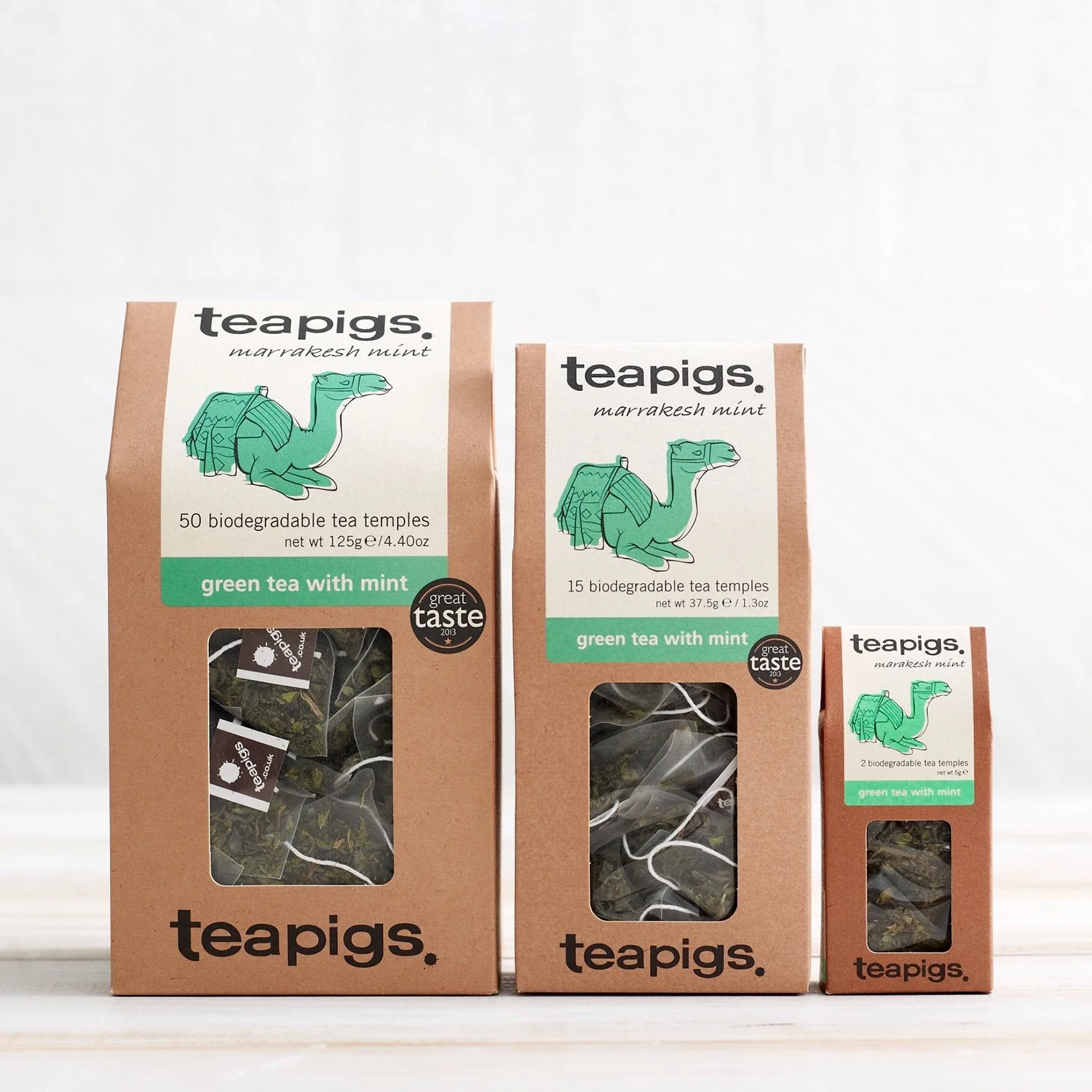
At Best Teas Online, we offer a variety of teas that complement the oolong experience. For example, our green tea with mint provides a refreshing alternative if you enjoy light, herbal notes. If you’re looking for a caffeine-free option to wind down after a long day, try our snooze with lavender, which blends calming lavender with rooibos for a soothing bedtime tea. Both are excellent additions to any tea lover’s pantry.
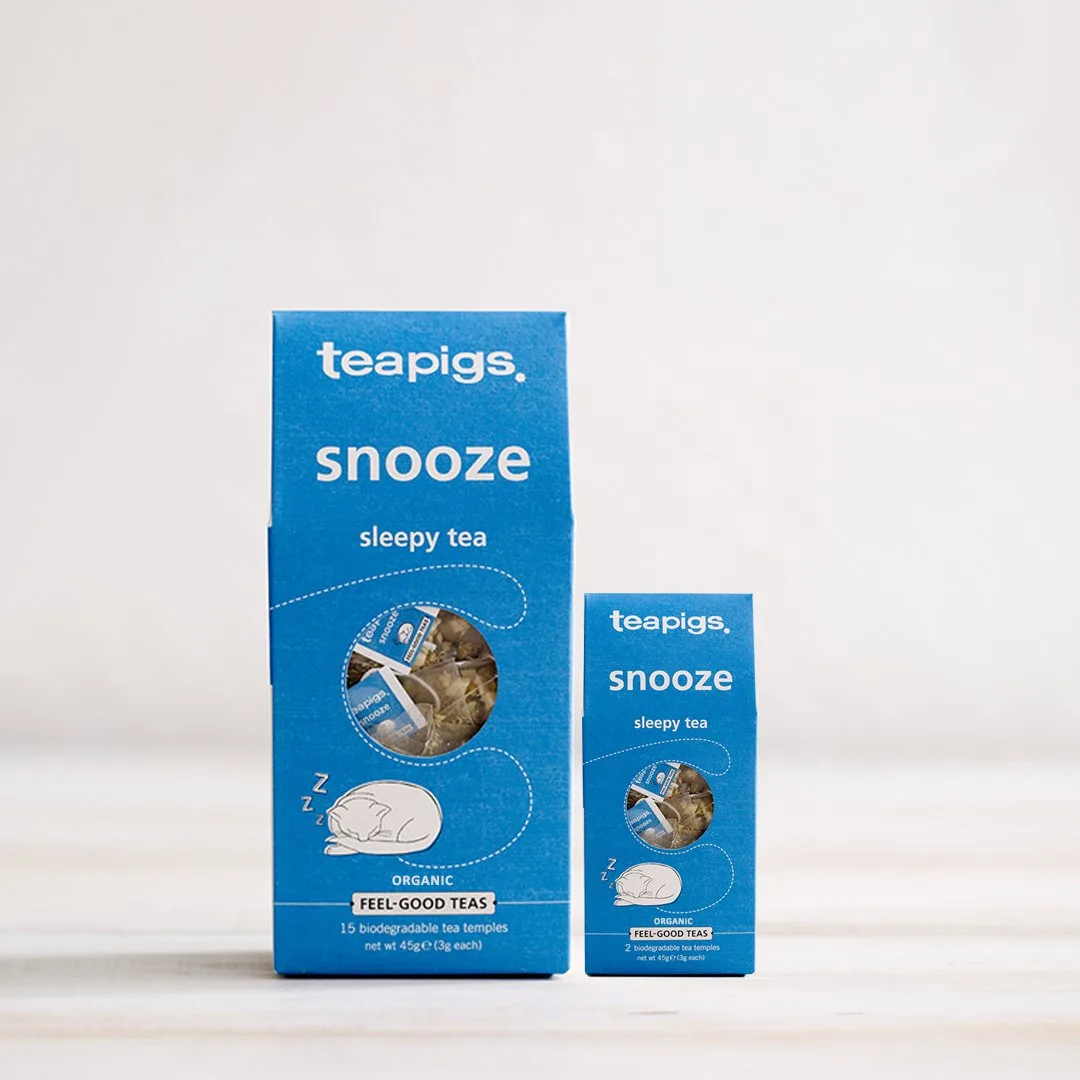
snooze with lavender
Oolong tea is a versatile and rewarding beverage that offers a unique taste experience, numerous health benefits, and a delightful brewing ritual. Whether you’re a beginner or a seasoned tea enthusiast, exploring oolong can deepen your appreciation for the art of tea. Start your journey today and discover the perfect oolong for your palate—browse our collection at Best Teas Online and find your new favorite brew.