Quick Answer
A good board game expansion adds meaningful content that increases replayability without bloating the game. Look for expansions that integrate smoothly with the base game, offer clear value for the price, and are designed for your play group. Avoid expansions that feel like obligatory additions or disrupt the core experience.
When you love a board game, an expansion can feel like a natural next step. But not every expansion is worth your money. Some add fresh decisions and depth, while others just pile on components you rarely use. Knowing what to look for helps you choose an expansion that truly enhances your game.
This guide breaks down the key features of a good board game expansion: content value, replayability, and design. We'll give you concrete rules to apply when you're browsing, plus honest trade-offs to consider.
Content Value: What Are You Actually Getting?
The first thing to evaluate is the content value of an expansion. Look at what's included: new cards, boards, miniatures, or rule modules. Compare the price to the amount of new gameplay you'll get. A small expansion that adds a few cards might be cheap, but if those cards don't change how you play, they might not be worth it.
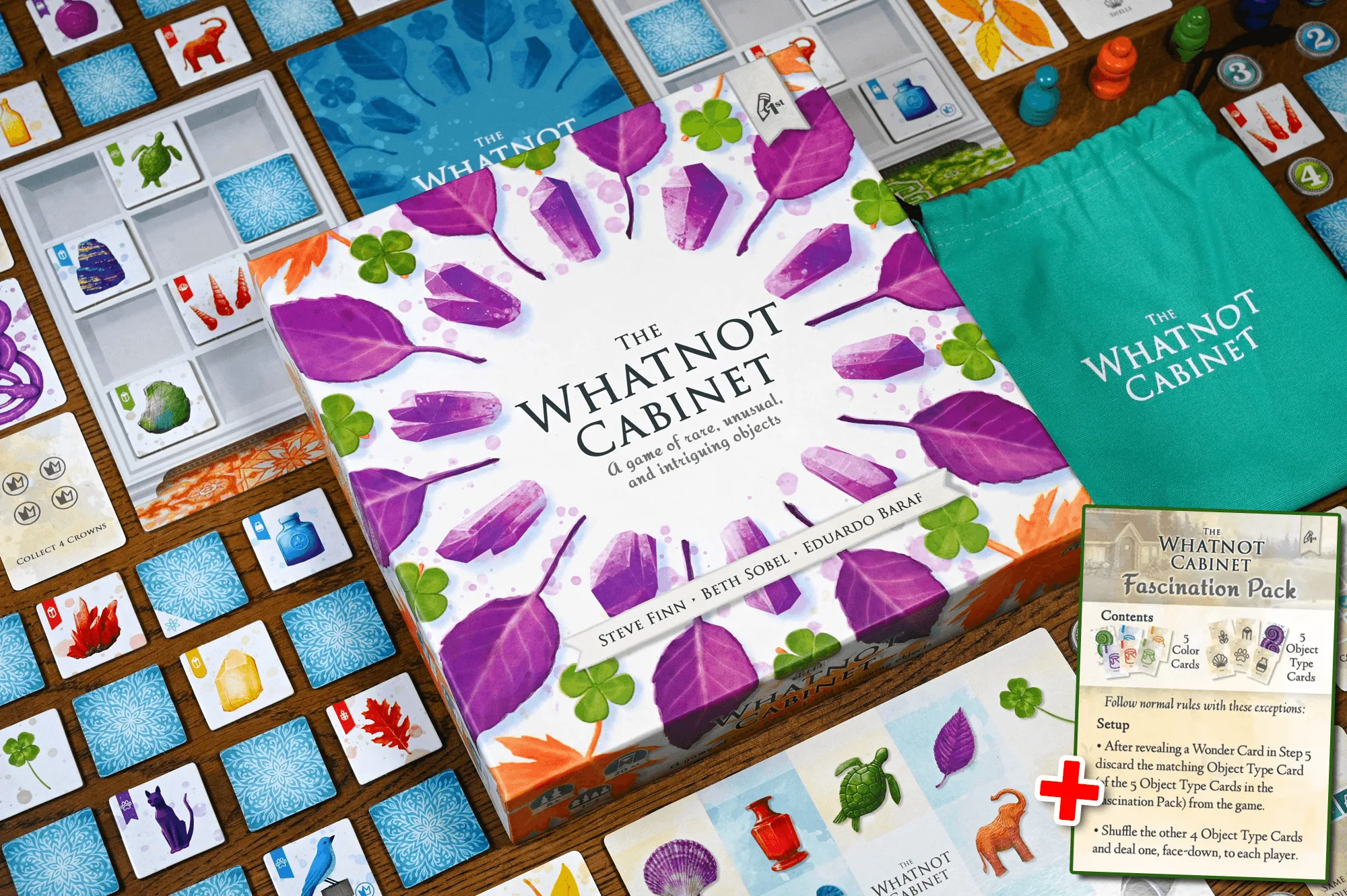
Consider the ratio of new content to added complexity. A good expansion often introduces a new mechanic that interacts with the base game in interesting ways. For example, the Fascination Pack for The Whatnot Cabinet adds a new deck that gives players special abilities, which can create new strategies without overwhelming the core loop.
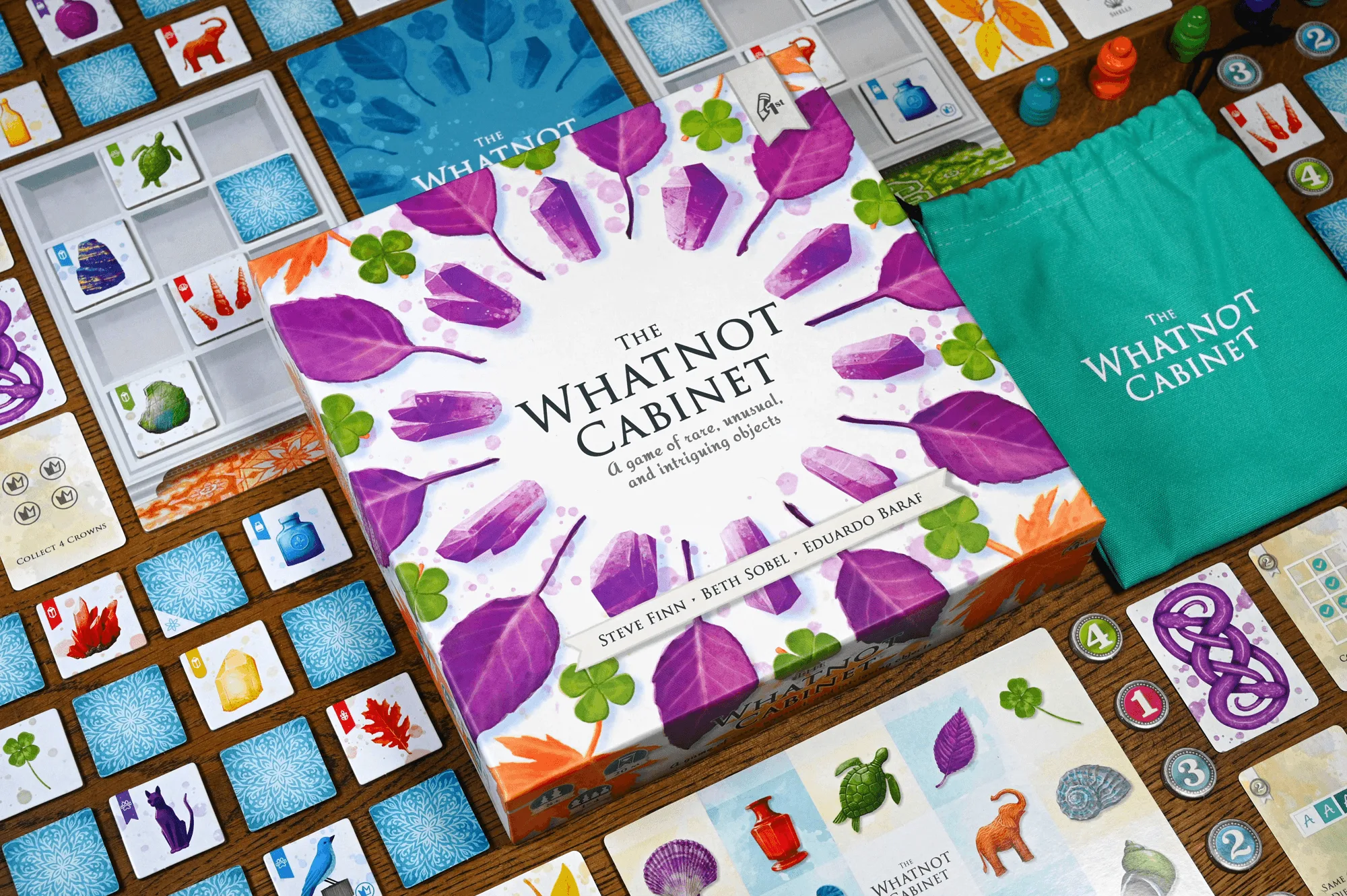
The Whatnot Cabinet
Also, think about the expansion's shelf life. Will you use all the components in every game, or are some situational? Expansions that offer modular content, where you can choose which parts to include, often provide better long-term value because you can tailor the experience.
- Check the component list: does the expansion add new types of components or just more of the same?
- Look for expansions that add a new decision layer rather than just more of the same actions.
Replayability: Will It Keep You Coming Back?
Replayability is the heart of a good expansion. A great expansion increases the variety of each session, whether through new cards, variable setups, or new player powers. Ask yourself: will this expansion make the game feel fresh after multiple plays?
For example, the Koi Mini-Expansion for The One Hundred Torii gives each player a set of action cards at the start of the game. These cards can be kept for journey points or used for special actions, creating meaningful choices every game. Because you only get one of each action card, you must decide when to use them, adding replayability without adding much complexity.
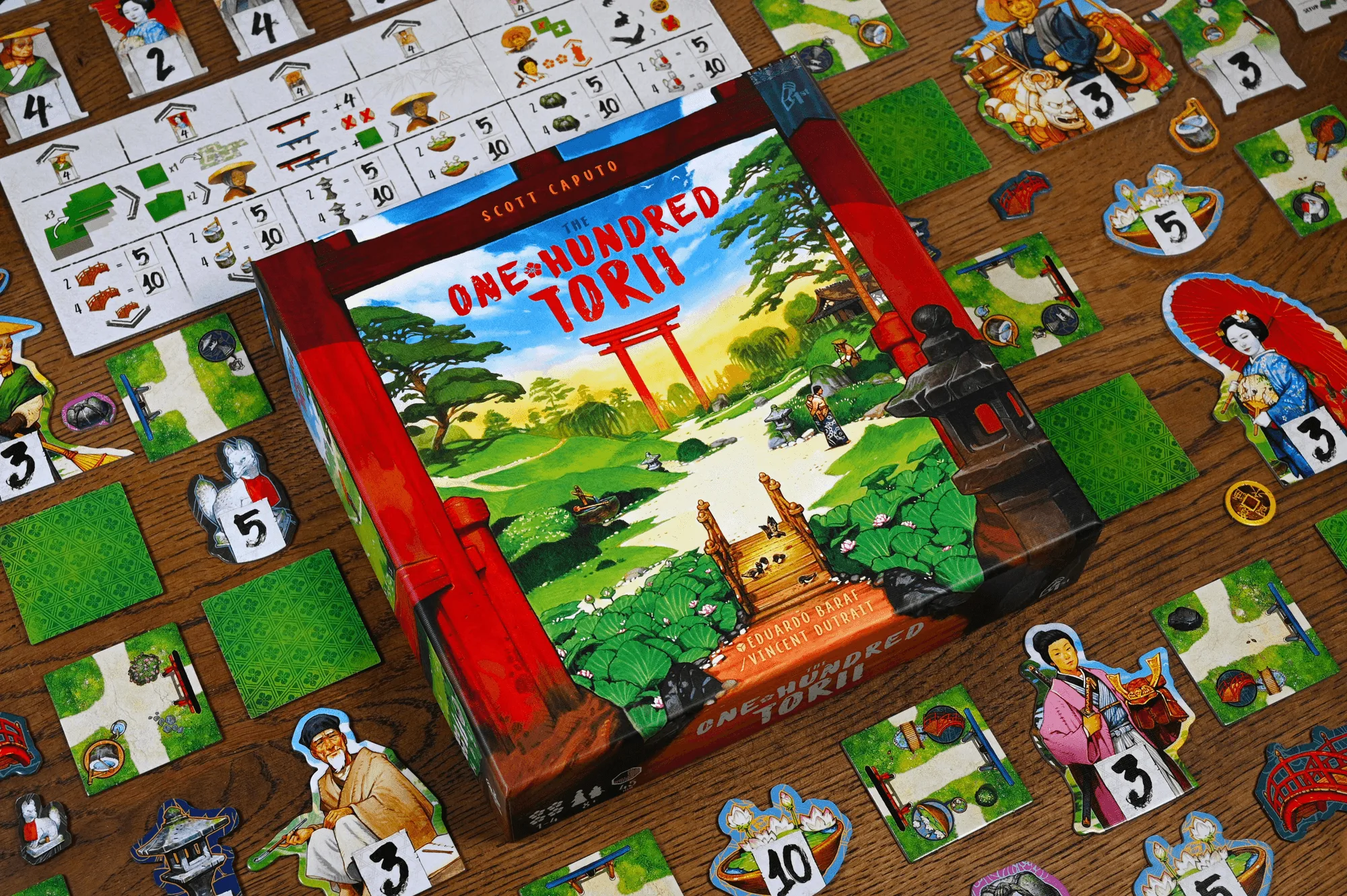
The One Hundred Torii
However, beware of expansions that add replayability through sheer randomness. If the expansion just throws in more event cards that trigger random effects, it might make the game feel chaotic rather than strategic. Look for expansions that give players new options, not just new random outcomes.
- Ask if the expansion offers variable player powers or asymmetric abilities that change how each player approaches the game.
- Check if the expansion includes modules that can be mixed and matched for different game lengths or difficulty levels.
Design and Integration: Does It Feel Seamless?
A good expansion should feel like it was part of the original design, not a bolt-on. Look for expansions that integrate cleanly with the base game's rules and components. The best expansions often introduce a new mechanic that interacts with existing ones in elegant ways, creating emergent strategies.
Consider the expansion's physical design as well. Cards should match the base game's size and style, and components should be compatible. For instance, the Ancient Relics Mini Expansion for Skulk Hollow adds a new eight-card deck that introduces a new dimension to play. Because it's a small deck, it's easy to shuffle and integrate without adding much setup time.
Also, think about the rulebook. A good expansion should be easy to teach, especially if you play with different groups. If the expansion adds complex rules that require a lot of explanation, it might slow down your game night. Look for expansions that add depth without adding too much rules overhead.
- Read reviews to see if players find the expansion rules clear and intuitive.
- Check if the expansion components fit in the base game box, which can make storage easier.
Price vs. Value: How to Judge an Expansion's Cost
Price is a practical factor, but it shouldn't be the only one. A $2.50 mini-expansion that adds a few cards can be a great deal if it significantly changes the game. On the other hand, a $25 expansion that adds a new board but little else might not be worth it.
Consider the cost per play. If an expansion adds 10 hours of new gameplay, it's likely worth it compared to a movie ticket. Also, look at the production quality: are the components durable and well-illustrated? A higher price might be justified by better materials.
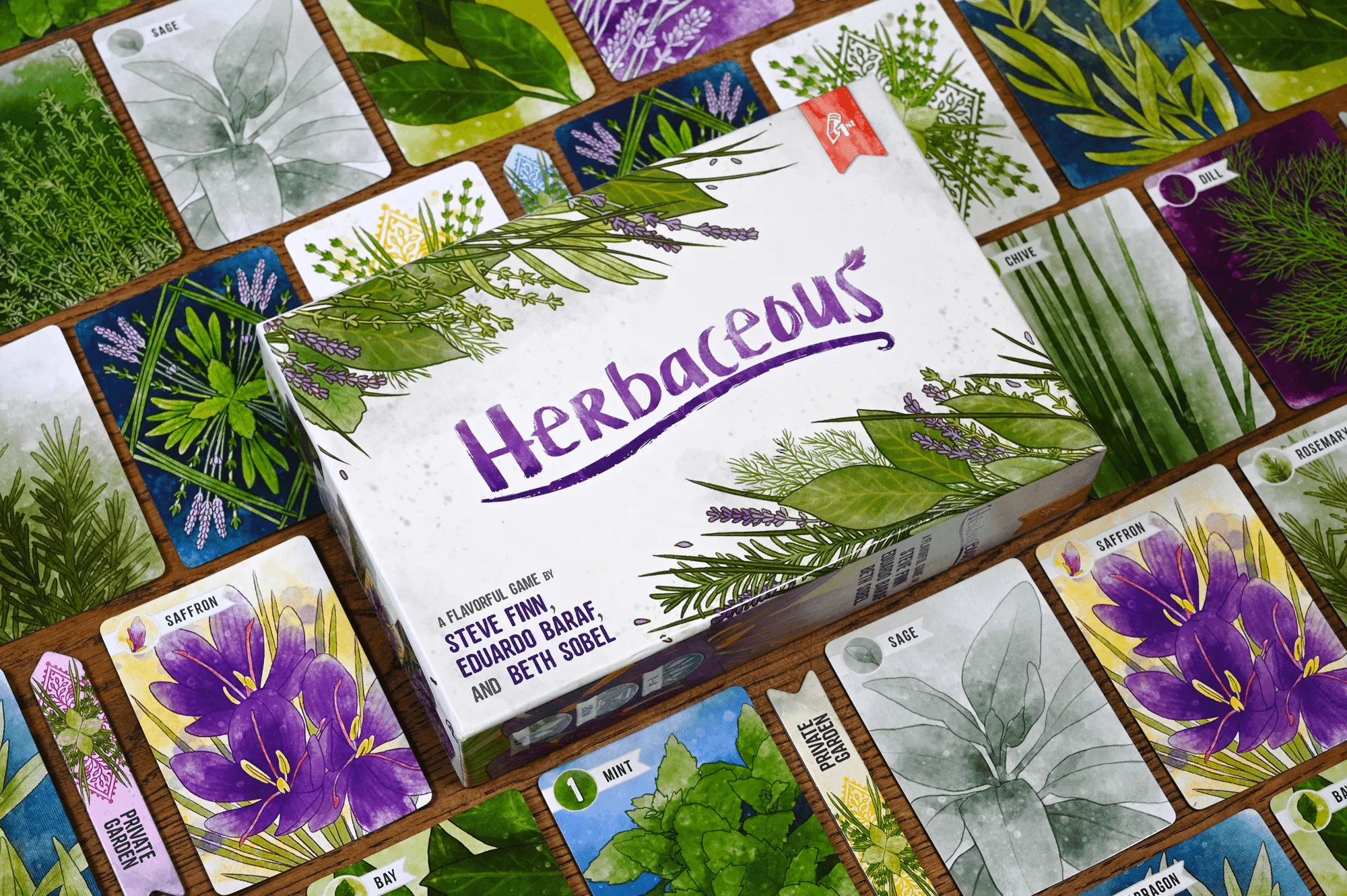
A good way to judge value is to compare the expansion to the base game's price. If the base game costs $25 and the expansion is $20, the expansion should offer a similar amount of content or replayability. Mini-expansions, like the Herbaceous Flavor Pack Mini Expansion at $2.50, are often priced to be impulse buys, but they still need to deliver meaningful content.
- Calculate the cost per additional play to see if the expansion is worth it.
- Look for bundles that include the base game and expansion, which often offer better value than buying separately.
Decision Rules for Choosing an Expansion
- Rule 1: Check Content Value: Look at what's included and compare it to the price. Does the expansion add new mechanics, components, or scenarios that you'll use regularly? If it's a small deck, does it significantly alter gameplay? If you'll only use the expansion occasionally, it may not be worth the cost.
- Rule 2: Evaluate Replayability: Ask if the expansion increases variety from game to game. Does it offer variable setups, new player powers, or meaningful decisions? Avoid expansions that just add random events without strategic depth. A good expansion should make you want to play the base game more, not less.
- Rule 3: Consider Integration: Check if the expansion's rules and components blend smoothly with the base game. Look for compatibility in card sizes, component quality, and rule clarity. If the expansion requires a lot of extra setup or rules explanation, it might slow down your game night. The best expansions feel like they were always part of the game.
- Rule 4: Assess Price vs. Value: Calculate the cost per play. Compare the expansion's content to its price. Consider if a bundle that includes the base game and expansion offers better value than buying separately. Sometimes paying a bit more for a bundle can save you money in the long run, but only if you want both products.
Real Examples from Pencil First Games
- The Whatnot Cabinet + Expansion Bundle: This bundle includes both The Whatnot Cabinet base game and the Fascination Pack Mini-Expansion. It's priced at USD 23.50 compared to USD 46.99 separately. If you're considering an expansion, buying a bundle can save money. But make sure the expansion itself adds content you'll use. The Fascination Pack adds new abilities, which can increase replayability.
- The One Hundred Torii: Koi Mini-Expansion: This mini-expansion for advanced players deals each player a set of action cards at the start. Koi cards are worth one journey point if kept, or can be used as special actions for extra tokens. This expansion adds meaningful choices without adding much complexity. It's a good example of an expansion that increases replayability through player decisions, not randomness.
- Skulk Hollow: Ancient Relics Mini Expansion: This mini-expansion comes with a new eight-card 'Ancient Relics' deck and adds a new dimension to play. A small deck can still have a big impact. This expansion shows that you don't need many components to add depth, but you should check if the new deck is balanced and integrates well.
- Herbaceous: Flavor Pack Mini Expansion: This expansion adds new flavor cards: Cinnamon, Star Anise, and Peppercorn. When drawn, all players perform the action printed on the card. This is a low-cost expansion that adds a shared-action twist. It's a good example of a small, cheap expansion that can change the feel of the game, but it may not be for everyone if you prefer individual strategies.
Is an Expansion Right for You?
Best for
- Players who have played the base game many times and want fresh challenges.
- Groups that enjoy exploring new strategies and mechanics.
- Those who value replayability and are willing to invest in expanding their favorite games.
Not for
- Players who are new to the base game and haven't fully explored it yet.
- Those who prefer simple, quick games without extra rules.
- Players on a tight budget who might be better off buying a new base game instead.
A good board game expansion should add meaningful content, increase replayability, and integrate seamlessly with the base game. By evaluating content value, replayability, design, and price, you can make an informed choice. Remember to consider your play group's preferences and how often you'll actually use the expansion. With these decision rules in mind, you'll be ready to pick an expansion that truly enhances your game night.