Quick Answer
A good party game balances broad player support, simple rules, and engaging interaction that fits your group's vibe. Look for games that encourage creativity, laughter, and replayability without dragging between turns. The best choice depends on your group size and comfort level with different types of humor or themes.
Walking into a game store or scrolling online, it's easy to get overwhelmed by the sheer variety of party games. Some promise outrageous laughter, others focus on strategy, and a few lean into specific themes. But what actually separates a game that becomes a staple at every gathering from one that sits on the shelf after a single play?
The answer isn't one single feature—it's a combination of factors that make a game easy to jump into, fun for everyone, and memorable enough to bring out again. Whether you're hosting a family game night, a casual get-together with friends, or a themed party, understanding these key features can help you pick a game that everyone will enjoy.
Player Count and Flexibility
One of the first things to check is how many people the game supports. A great party game should accommodate your typical group size, and ideally offer some flexibility. Games that play well with 4 or more players are often ideal for larger gatherings, but you also want to ensure it doesn't drag or become chaotic with too many people.
Consider whether the game can be played with smaller groups too. Some games shine with 4 players but lose their charm with 8, while others scale beautifully. Look for games that explicitly state a range, and think about how the game's dynamics change with different numbers.
- Check the player count range on the box and imagine your usual crowd.
- If you often have varying group sizes, a game that works for 4-8+ is a safe bet.
Rules That Are Easy to Learn
Nobody wants to spend 20 minutes reading a rulebook when everyone is ready to play. The best party games have rules that can be explained in under five minutes, allowing players to jump right in. Simple mechanics don't mean shallow gameplay—they mean the focus stays on the fun and interaction, not on remembering complex steps.
Look for games that rely on intuitive actions like drawing cards, giving prompts, or acting out scenarios. If a game requires a lot of setup or has multiple phases, make sure the instructions are clear and that players can learn by doing. A quick demo round can often be more valuable than a lengthy explanation.
- Read reviews or watch a quick gameplay video to see how complex the rules are in practice.
- Games that include example cards or a quick-start guide are often easier to teach.
Encouraging Interaction and Creativity
Party games are social by nature, so the best ones get people talking, laughing, and interacting with each other. Games that encourage improvisation, storytelling, or creative thinking often create the most memorable moments. They push players out of their comfort zones in a fun way, which can be a great icebreaker.
Consider the type of interaction you want. Some games are all about quick wit and humor, while others involve physical activity or teamwork. Think about your group's personality—do they love acting out scenes, or do they prefer wordplay and trivia? Matching the game's core activity to your group's interests is key.
- Look for games that give players a chance to be creative, whether through acting, drawing, or inventing answers.
- If your group includes shy members, a game that allows for low-pressure participation might be better.
Replayability and Expansion Potential
A party game that you play once and then feel like you've seen everything isn't a great investment. The best games offer high replayability because the content varies each time—whether through a large deck of cards, random prompts, or player-driven outcomes. This keeps the game fresh even after multiple plays.
Expansion packs can also extend a game's life. Some games have themed expansions that introduce new cards or challenges, allowing you to customize the experience. If you find a game you love, check if expansions are available to keep things interesting. This can be a cost-effective way to get more value from your initial purchase.
- Games with a large variety of cards or prompts tend to have better replayability.
- Consider whether expansions are available and if they add meaningful variety.
Theme and Audience Fit
The theme of a party game can make or break the experience. A game that's perfect for a group of close friends might not be suitable for a family gathering or a corporate event. Consider the humor, language, and subject matter. Some games are designed for adults only, with mature content, while others are family-friendly.
It's also important to think about cultural or personal sensitivities. A game that celebrates a specific culture can be a wonderful way to bring people together, but it should be chosen with the audience in mind. Reading the game's description and reviews can give you a sense of its tone and whether it will resonate with your group.
- Check the age rating and content warnings before buying.
- If you're buying for a diverse group, consider a game that is inclusive or has universal appeal.
Decision Rules for Choosing a Party Game
- Group size: Check the player count. If you often have more than 6 players, look for games that support larger groups. If it's usually a small gathering, a game for 4-6 might be perfect. Match the game's player range to your typical group size.
- Rule complexity: Read reviews to see how easy the rules are to learn. If you have non-gamers in your group, avoid games with complex mechanics or lengthy setup. Choose a game that can be explained in under five minutes.
- Interaction style: Decide whether you want a game that gets people talking, acting, or competing. Think about your group's comfort with improvisation or physical activity. Pick a game whose core activity matches your group's personality.
- Replay value: Look for games with a large number of cards or prompts, and check if expansions are available. A game that feels different each time is worth the investment. Invest in games that offer variety and expansion options.
- Theme and content: Consider the humor and subject matter. Some games are explicitly for adults, while others are family-friendly. Make sure the theme is a good fit for your audience. Choose a theme that your group will appreciate and enjoy.
Real-World Examples
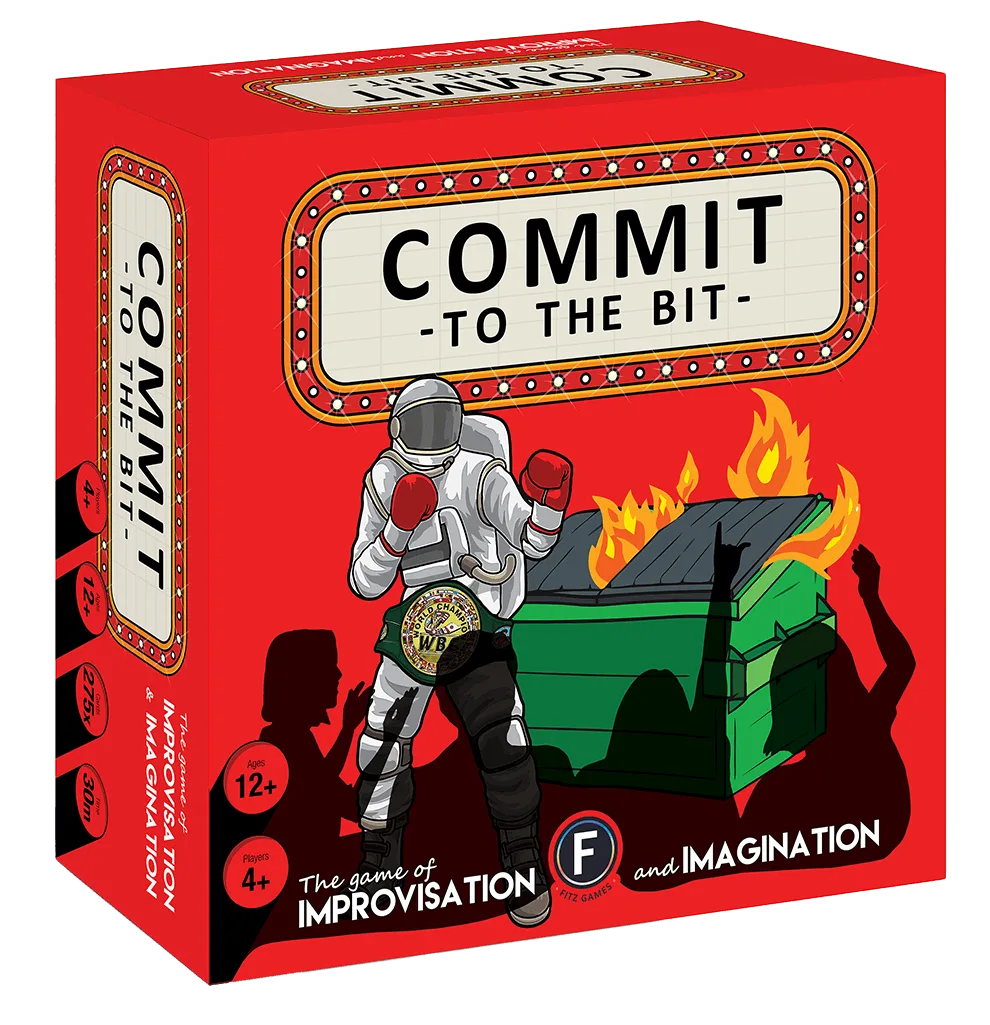
- Commit to the Bit (G): Commit to the Bit is a fast-paced game designed to engage your creative spark. Random cards set the scene and even more random cards will disrupt it! Stay in character and elicit crowd reactions, in this exciting game of improvisation and imagination. Plays best with a 4 or more players. This game exemplifies creativity and interaction, making it a strong choice for groups who enjoy improvisation and are comfortable with a bit of acting.
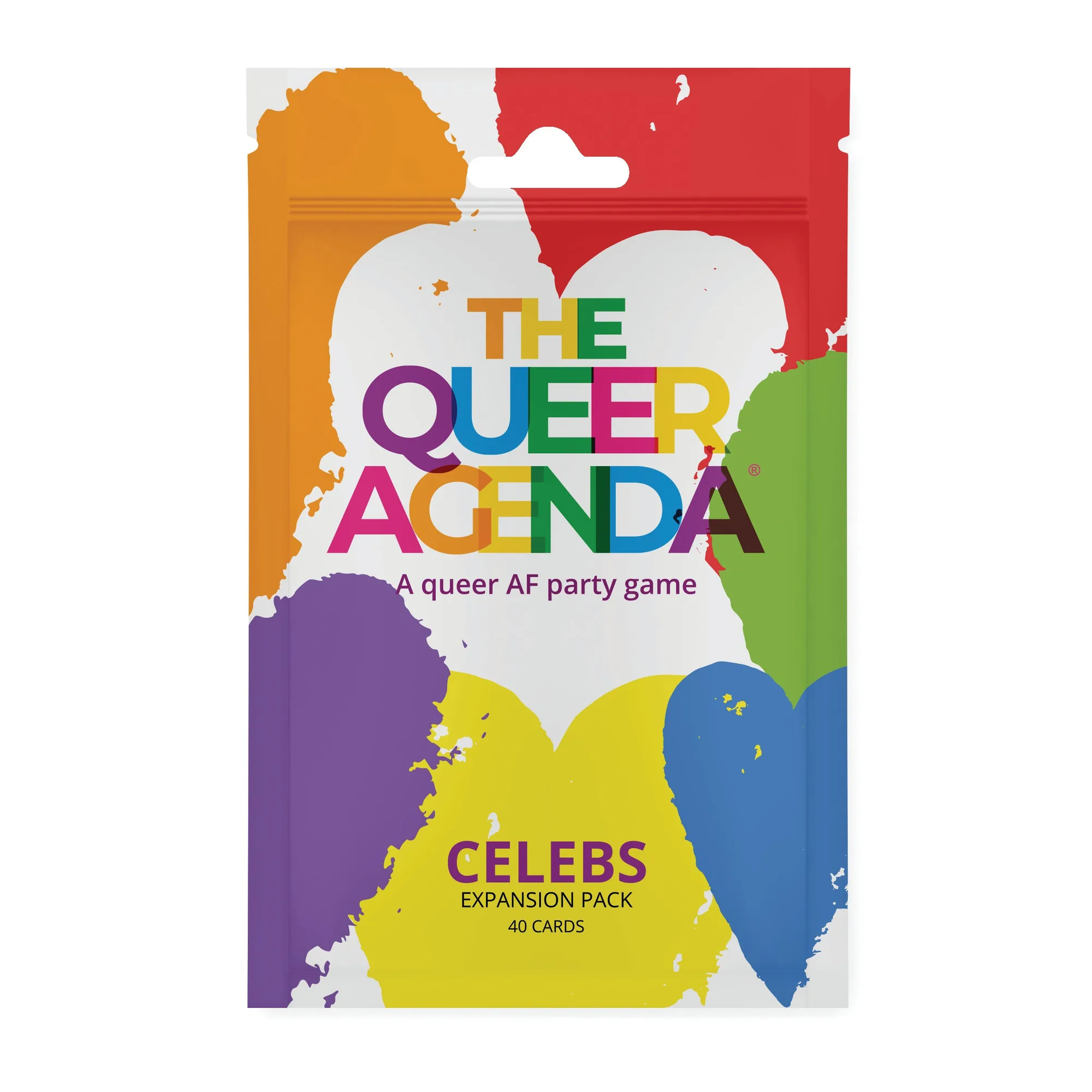
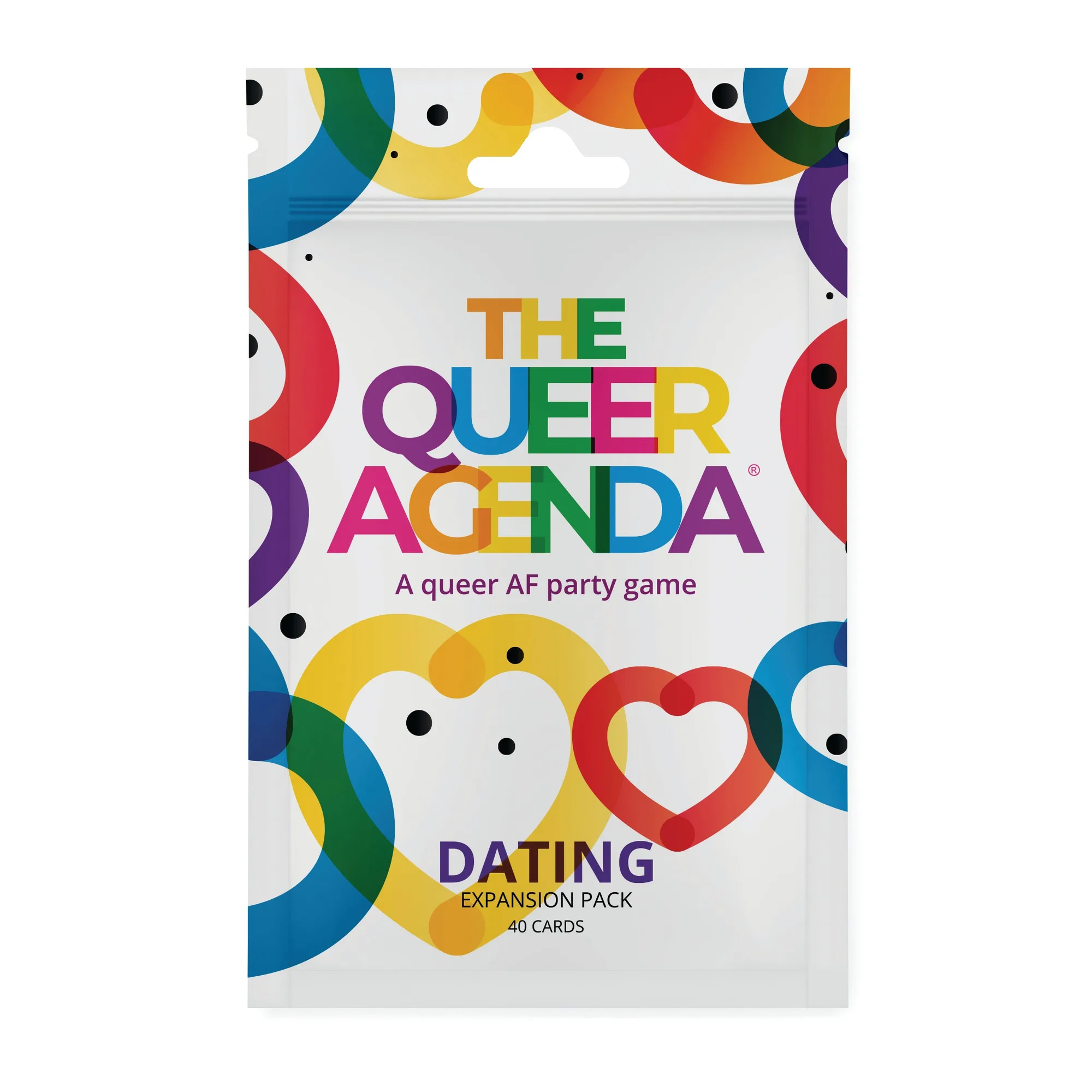
- TQA - Celebs Expansion Pack: Tired of heteronormative party games? Want to play the same game, only gayer? Prepare to feel like an otter riding a unicorn farting gold through a double rainbow in this queer AF game. Written by LGBTQ+ people, for LGBTQ+ people (and their favorite allies). The Queer Agenda is an official partner of Progress Pride. This expansion pack shows how a game can be tailored to a specific audience, adding replayability and ensuring the content resonates with players who want a more inclusive experience.
Who Should Choose What
Best for
- Groups that love creative, improvisational games and have at least 4 players.
- Players who enjoy games with a strong social and interactive element, often looking for a laugh.
Not for
- Groups that prefer quiet, strategic games with little verbal interaction.
- Audiences who are uncomfortable with mature or edgy content.
Finding the perfect party game comes down to understanding your group and what they'll enjoy. Focus on player count, ease of learning, interaction, replayability, and theme fit. With these features in mind, you'll be well-equipped to choose a game that brings people together and creates lasting memories.