Quick answer
A scent is 'legal' when it complies with safety and labeling rules set by regulators and industry bodies like IFRA, which restrict or ban certain fragrance ingredients. For niche perfumes, legality means balancing creative expression with these constraints, not sacrificing character.
Why regulations exist
Fragrance regulations exist to protect consumers from allergens, sensitizers, and potentially harmful chemicals. They also ensure consistent labeling so people with allergies can make informed choices.
The International Fragrance Association (IFRA) sets standards that most major markets adopt, limiting the use of certain ingredients in finished products. These standards are updated regularly based on new scientific evidence.
What 'legal' means in practice
Compliance isn't just about avoiding banned substances; it's about staying within concentration limits for restricted ingredients. A perfume can be legal even if it contains a restricted material, as long as the amount is below the allowed threshold.
Niche perfumers often work with unusual or rare materials, so they must carefully adjust formulas to meet IFRA guidelines without losing the intended scent profile. This is why some classic compositions are reformulated over time.
Trade-offs in niche perfumery
Stricter regulations can lead to reformulations that change a fragrance's character, which frustrates loyal fans. However, they also push perfumers to innovate, finding new materials or combinations that achieve similar effects safely.
For customers, understanding these trade-offs helps set expectations: a 'legal' niche perfume might smell slightly different from an older version, but it still represents the perfumer's artistry within current safety limits.
Your fragrance regulation FAQ
What are IFRA standards?
IFRA standards are voluntary guidelines adopted globally that restrict or ban certain fragrance ingredients based on safety assessments. Most reputable perfume brands, including niche houses, follow them to ensure consumer safety and market access. Check if a brand mentions IFRA compliance on its site or packaging for peace of mind.
Which ingredients are banned?
Commonly banned or restricted materials include certain synthetic musks, some natural extracts like oakmoss at high concentrations, and allergens like specific aldehydes. The exact list changes as new research emerges. If you have allergies, review the full ingredient list, not just the fragrance notes.
How do niche perfumes stay legal?
Niche perfumers reformulate using alternative materials or adjust concentrations to meet IFRA limits. This allows them to keep the scent's character while complying with safety rules. Expect occasional reformulations; compare batch codes if you're loyal to a specific version.
A legal example in niche perfumery
-
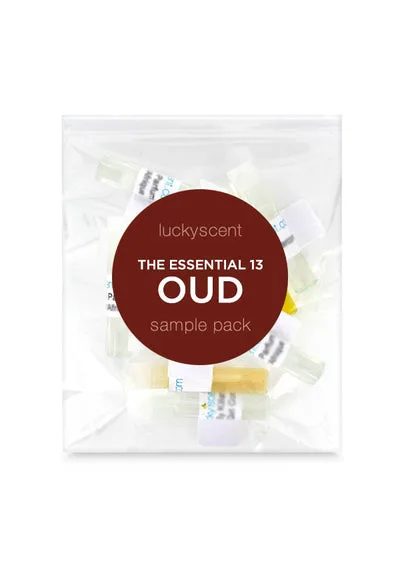
Legal: Legal by Luckyscent is a distinctive addition to the Essential 13 collection, offering a unique olfactory experience for those who appreciate niche perfumery. It shows how a niche fragrance can be fully compliant with regulations while still delivering an unconventional, memorable scent.
Legal