Quick Answer
A single origin tea comes from one estate or region, so its flavor reflects that specific terroir and harvest. This transparency lets you taste and compare distinct regional characteristics in every cup.
Why Terroir Matters in Single Origin Tea
Just like wine or coffee, tea plants absorb the character of the soil, altitude, and climate where they grow. A single origin tea captures that unique environment, giving you a flavor profile you won't find in blended teas.
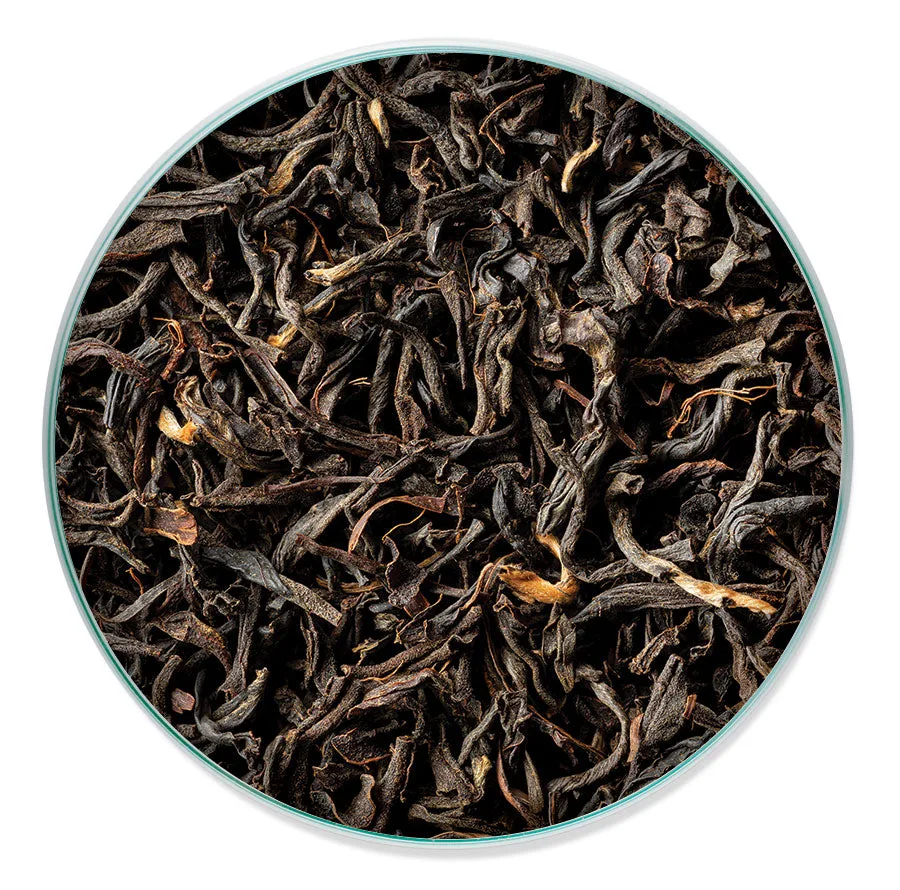
For example, Assam tea grows in a low-lying region south of the Brahmaputra river, where the altitude stays between 1000 and 4000 feet. That cooler-than-average climate contributes to the tea's oaky, toasty, and smoky notes.
In contrast, Darjeeling's first flush is harvested in the high Himalayas, and the cooler spring temperatures produce delicate, floral leaves with a light golden infusion. The same plant, grown elsewhere, would taste completely different.
Single Origin vs. Blended Tea: What's the Difference?
Blended teas combine leaves from multiple regions or estates to create a consistent, predictable flavor. Single origin teas do the opposite: they showcase the unique character of one place, which can vary from harvest to harvest.
If you're curious about how region affects taste, single origin teas are the best way to explore. You can taste the bold, astringent profile of a Ceylon orange pekoe and then compare it to the delicate, floral notes of a Darjeeling first flush—side by side, the differences are unmistakable.
This transparency also helps you refine your palate. Once you know you prefer the malty richness of Assam over the lighter Darjeeling, you can confidently choose future teas based on origin.
Frequently Asked Questions
What exactly is a single origin tea?
A single origin tea comes from one specific estate or region, rather than being blended with leaves from multiple places. This means the flavor reflects the unique soil, climate, and processing of that location. Look for the estate or region name on the package to verify its single origin status.
How does single origin differ from a blend?
Blends are created for consistency, mixing leaves from various origins to achieve a uniform taste. Single origin teas celebrate the natural variation of a particular place, so each harvest can taste slightly different. If you want a consistent daily cup, a blend may be more reliable; choose single origin for a unique tasting experience.
Does single origin tea taste better than blended tea?
Not necessarily—'better' depends on your preference. Single origin teas offer a distinct sense of place and are ideal for exploring regional differences. Blends often provide a balanced, familiar flavor that many people enjoy. Try a few single origin teas side by side to discover which regional profile you prefer.
How should I brew single origin loose leaf tea?
Use about 1 teaspoon of loose leaf tea per 8 ounces of water. For black teas like Ceylon, Assam, and Darjeeling, use water just off the boil (around 200°F) and steep for 3-5 minutes. Adjust to taste. Start with a shorter steep time and add more if you prefer a stronger cup.
Single Origin Teas to Explore
-
Ceylon Orange Pekoe - Wholesale: This Ceylon Orange Pekoe is a small-batch black tea with long, wiry leaves that deliver a bold flavor and a high level of astringency, finishing sweet. If you enjoy a strong, brisk cup that wakes up your palate, this Sri Lankan single estate tea offers that classic Ceylon character.
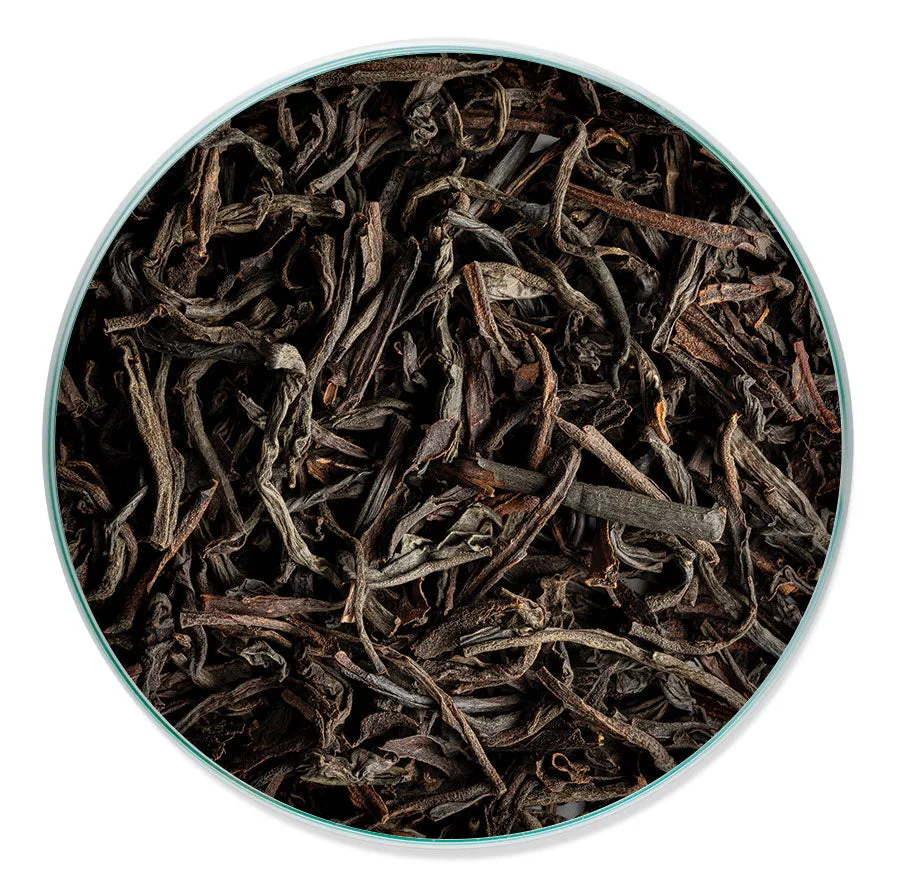
Ceylon Orange Pekoe - Wholesale
-
First Flush Darjeeling - Wholesale: Darjeeling first flush is known for its delicate, floral taste, with dark leaves that may include some greenish, incompletely fermented ones; the infusion ranges from light gold to a deeper amber. This is the tea to choose when you want a light, aromatic cup that highlights the subtlety of high-altitude spring harvests.
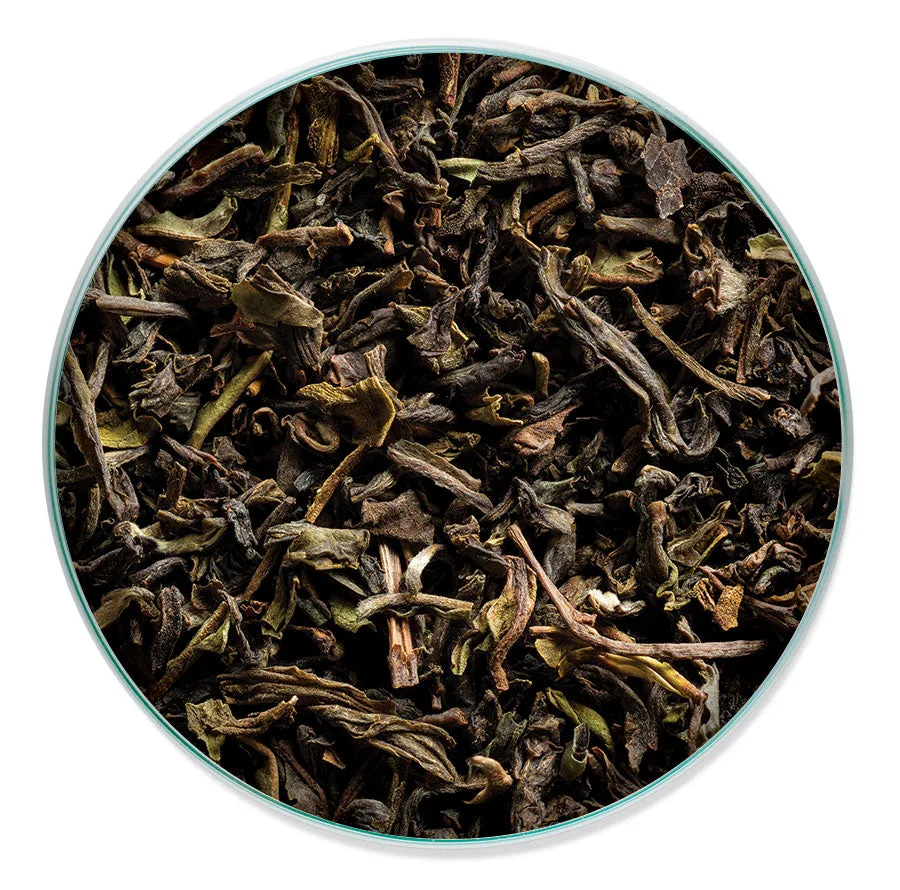
First Flush Darjeeling - Wholesale
-
Assam - Wholesale: This Assam black tea comes from the Hunwal tea estate in the Jorhat district, south of the Brahmaputra river, where altitudes of 1000-4000 feet create cooler average temperatures. If you prefer a full-bodied, malty tea with oaky and toasty notes, this estate-grown Assam delivers a robust and comforting brew.