Quick Answer
A trail running shoe suitable for mountain running needs aggressive traction, stable cushioning, and a secure fit to handle technical terrain and long descents. Look for features like a grippy outsole, protective upper, and a design that accommodates foot swelling during extended efforts.
When you transition from groomed trails to rocky, steep mountain paths, your footwear needs to change. Mountain running demands more than just a standard trail shoe; it requires specific features that enhance stability, grip, and protection on unpredictable terrain.
In this FAQ, we break down the essential characteristics that make a trail running shoe mountain-ready, helping you make an informed choice for your next alpine adventure.
What are the key features of mountain running shoes?
Mountain running shoes are designed with a focus on technical terrain. They typically feature a more aggressive outsole with deeper lugs for superior traction on loose rock, mud, and grass. The midsole often provides a balance of cushioning and stability, protecting feet from sharp rocks while maintaining ground feel. Additionally, a protective toe cap and reinforced upper guard against abrasion and impacts.
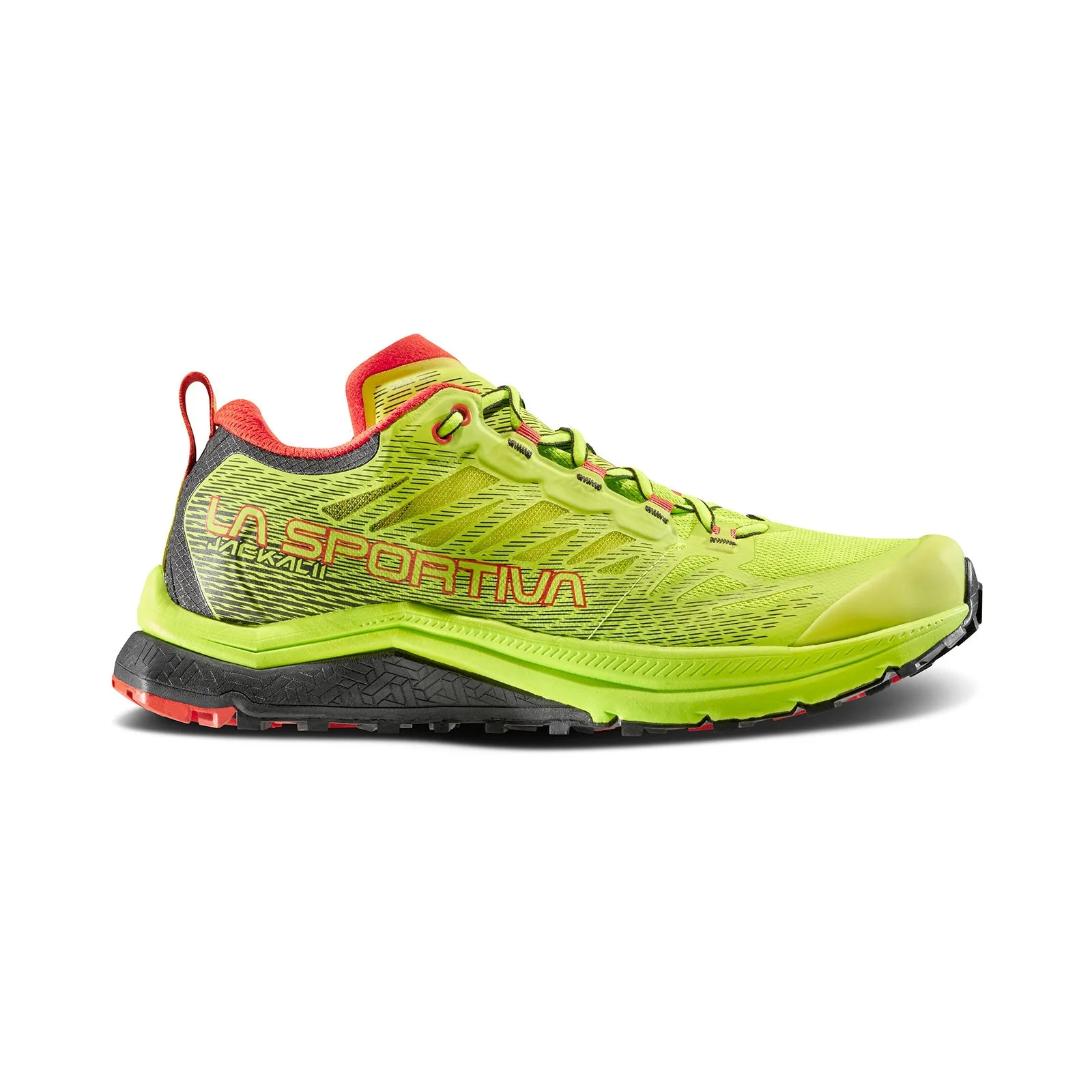
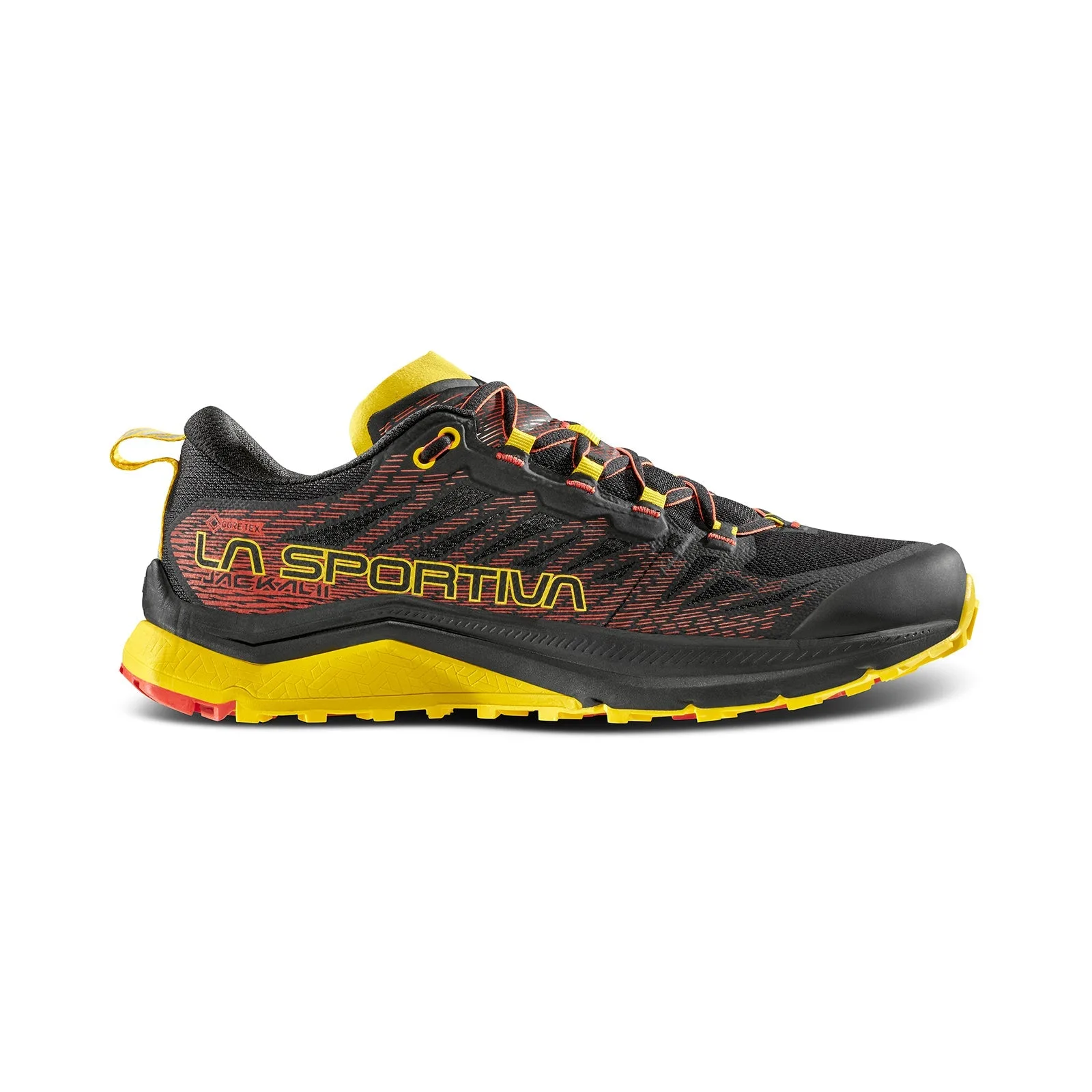
Another crucial aspect is the fit. Mountain running shoes often have a snug heel and a slightly wider toe box to allow toes to splay for balance. Some models, like the https://lasportivausas.com/products/jackal-ii-gtx-6c0b044824f9b9d15f7c999a-891277Jackal II GTX Women's, offer a wider fit and higher volume, which can be beneficial for longer runs where feet tend to swell. Waterproofing, such as GORE-TEX, is also a common feature to keep feet dry in wet conditions.
- Look for lugs at least 4mm deep for reliable traction.
- Consider a rock plate for protection on sharp terrain.
How do mountain running shoes differ from trail running shoes?
While both are designed for off-road, mountain running shoes are built for more extreme conditions. Trail running shoes are often lighter and more flexible, suitable for well-defined paths and moderate hills. In contrast, mountain running shoes prioritize durability, protection, and stability, making them heavier but more capable on rugged, uneven ground.
For example, the Jackal II GTX Women's is a trail running shoe that offers plush cushioning and a wider fit, designed for long runs on technical terrain. However, for true mountain running, you might need a shoe with even more aggressive tread and a stiffer sole to handle steep, rocky ascents and descents.
What should I look for in off-road running shoes for mountain use?
When selecting off-road running shoes for mountain running, prioritize the outsole rubber compound—look for a sticky grip that adheres to wet rock. The midsole should offer enough cushioning to absorb impact on descents but not so much that you lose stability on uneven ground. A snug fit, especially around the midfoot, prevents sliding and blisters.
Also, consider the upper material. Breathable yet durable fabrics help regulate temperature and resist tears from rocks and branches. Some shoes feature protective overlays and a reinforced toe cap for extra durability. Finally, check the drop—a lower drop (4-6mm) encourages a more natural foot strike, which can be beneficial on technical terrain.
FAQ
Can I use regular trail running shoes for mountain running?
It depends on the terrain. For moderate trails, regular trail shoes may suffice, but for technical mountains, you'll benefit from shoes with more aggressive grip and protection. Assess the trail difficulty before choosing your footwear.
Do mountain running shoes need to be waterproof?
Waterproofing is useful in wet conditions, but it can reduce breathability. Consider the climate and your personal preference. Choose based on your typical running environment.
How should mountain running shoes fit?
They should fit snugly in the heel and midfoot, with a little extra room in the toe box to allow for foot swelling and downhill movement. Try shoes with your running socks and test them on a slope if possible.
Product Facts
- Jackal II GTX Women's: Designed for runners looking for plush cushion, a wider fit and higher volume, the Jackal II GTX Women's trail-running shoes keep your feet steady and stoked for long runs through rough, technical terrain in all conditions. The updated model maintains all the best aspects of the original Jackal GTX now with new eco-friendly upper materials, a new heel/tongue construction and enhanced breathability - all in a lighter... If you're tackling long mountain runs, this shoe provides the cushioning and fit to keep you comfortable, while the GORE-TEX lining ensures dry feet in wet conditions.
Choosing the right mountain running shoe is about matching the shoe's features to the terrain you'll encounter. Prioritize traction, protection, and fit to ensure a safe and enjoyable experience on the trails.