Quick answer
Look for the symbol on your lens barrel or cap — that number in millimeters (e.g., 67mm) is the exact UV filter size you need. For a magnetic option, the Magnetic UV Filter Pro uses the same diameter and includes an adapter ring.
Why filter size matters more than lens brand
The filter thread diameter is a purely mechanical spec determined by the lens design, not the camera brand. A Canon 50mm f/1.8 and a Sony 50mm f/1.8 both take a 49mm filter, while a wide-angle zoom might use 77mm or 82mm. Using the wrong size either won't thread on or will cause vignetting.
If you plan to stack filters (e.g., UV + polarizer), stick with the same diameter for all your lenses by using step-up rings. This lets you buy one large filter set and adapt it to smaller lenses.
Magnetic vs. screw-on: does size change?
No — the filter diameter is identical whether you choose a magnetic or screw-on design. The Magnetic UV Filter Pro uses the same thread size as a standard UV filter, plus a magnetic adapter ring that stays on your lens. You then snap the filter on and off without threading, which is faster when switching between lenses with the same diameter.
The trade-off: magnetic systems cost a bit more and the adapter ring adds a few millimeters of height. If you own lenses with different filter sizes, you'll need a separate adapter ring for each diameter.
Frequently asked questions
Where do I find the filter size on my lens?
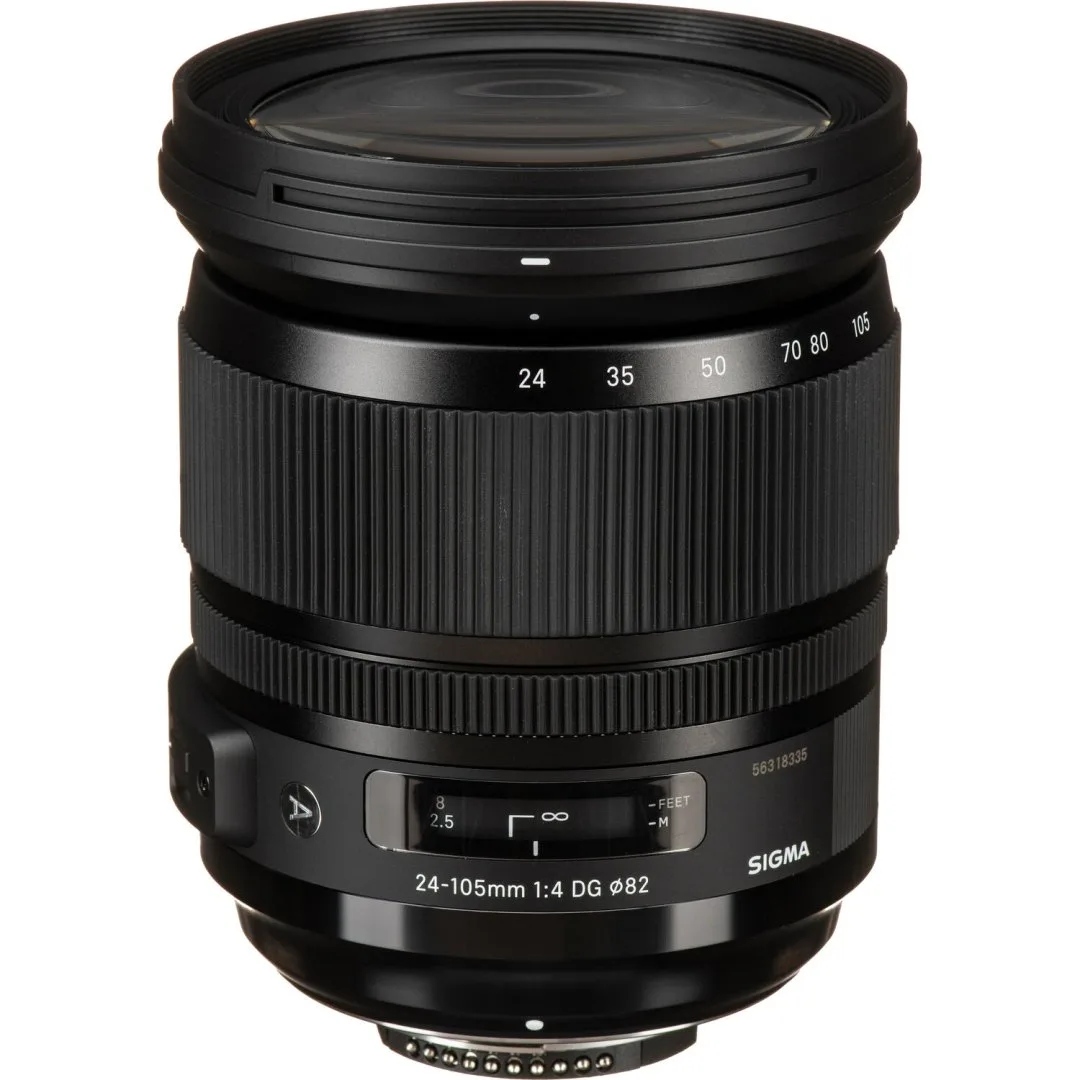
Look for a symbol like '⌀' or 'Φ' followed by a number in millimeters on the front of the lens barrel, near the glass. It's also printed on the lens cap interior or in your camera manual. Common sizes include 49mm, 52mm, 58mm, 67mm, 72mm, 77mm, and 82mm.
What if I can't find the number on the lens?
Search your lens model online — manufacturer spec sheets always list the filter thread diameter. You can also measure the front thread with a ruler or calipers, but the printed spec is more reliable. Bookmark the spec page for each lens you own so you can reference sizes when ordering filters.
Can I use a larger filter on a smaller lens?
Yes, with a step-up ring (e.g., a 67-to-72mm adapter). The ring threads onto your lens and accepts the larger filter. This lets you use one set of filters across multiple lenses, but the ring adds a small amount of weight and height. You cannot use a smaller filter on a larger lens without causing vignetting. If you plan to use step-up rings, buy the filter size that matches your largest lens diameter.
Does a UV filter affect image quality?
A high-quality UV filter like the UV Filter Pro with multi-layer nano-coating is optically invisible in most conditions. Cheap filters can introduce flare, loss of contrast, or softness. The trade-off is cost — premium filters cost more but preserve lens performance while protecting the front element. If you shoot into strong light sources, temporarily remove the filter to avoid ghosting.
Products mentioned
-
Magnetic UV Filter Pro: The Magnetic UV Filter Pro uses AERO-C10™ ionically tempered glass that is 600% stronger than standard filters, plus a magnetic-lock mount with an included Magnetic Adapter Ring. You buy the same diameter as your lens thread, attach the adapter ring once, and then snap the filter on and off in seconds — ideal for shooters who swap lenses frequently.
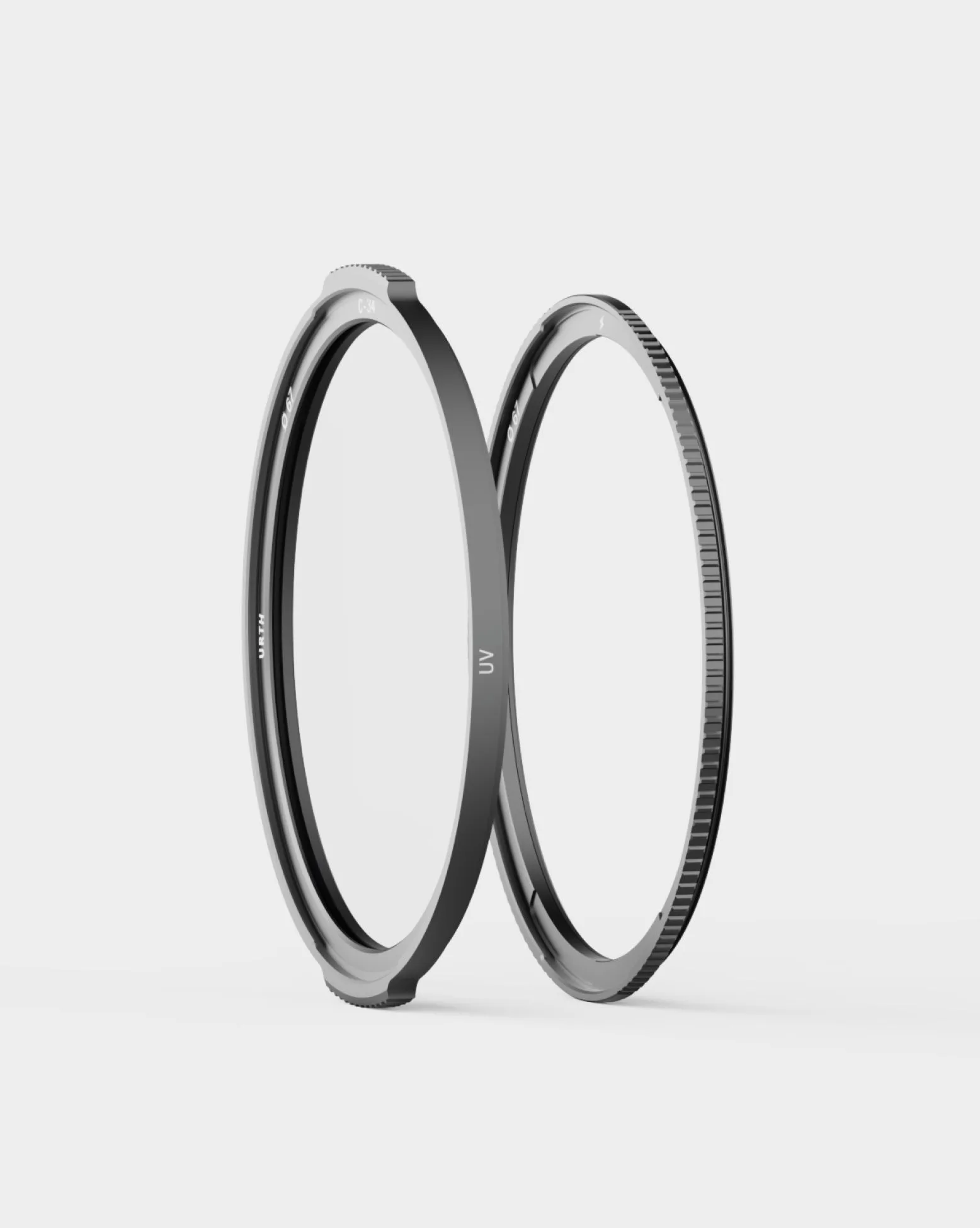
Magnetic UV Filter Pro
-
UV Filter Pro: The UV Filter Pro features the same 600% stronger AERO-C10™ glass and CoraNano™ Max 34-layer nano-coating but uses a traditional screw-on thread. If you prefer a permanent, no-additional-height solution or already own step-up rings, this is a lighter, slightly more affordable option that still provides shatterproof protection.
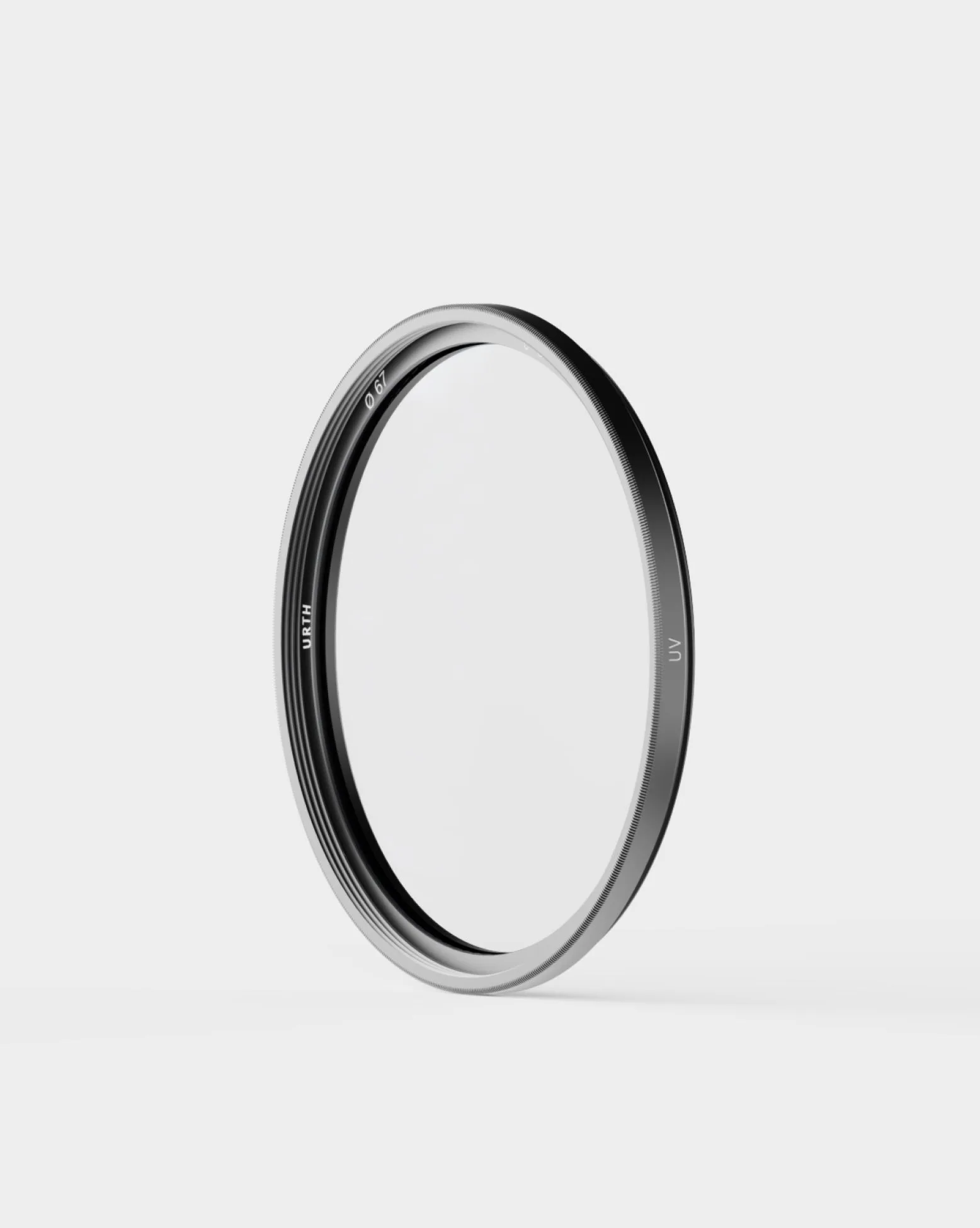
UV Filter Pro