Quick Answer
Most denim that stretches out is relaxing, not damaged. Wash the jeans inside out in cold water, tumble dry on low for 10 to 15 minutes, and they will usually tighten back up. If the fabric still sags at the knees or seat after that, the denim has lost its recovery, and the real fix is sizing down or choosing a denser, lower-stretch pair.
You bought jeans that fit perfectly in the fitting room. Two wears later they are baggy at the knees, loose in the seat, and sliding down without a belt. This is one of the most common denim complaints, and it is usually not a defect.
The fix depends on why the denim relaxed in the first place. Below is a simple diagnosis: what you are seeing, what is causing it, what to do about it, and the point where you should stop trying to fix the pair and replace it instead.
Symptom: Where the Denim Actually Gives
Denim rarely stretches evenly. The first places to give are the knees, the seat, and the waistband. If the jeans bag at the knees after sitting for an hour but snap back overnight, that is normal relaxation. If the waistband has stretched a full size and stays that way, the fabric has lost recovery.
Check the fit against the measurements you originally bought. A waist that has grown more than about an inch, or a seat that sags visibly in a mirror check, points to a fabric problem rather than a fit problem. Note whether the sagging is in one spot or across the whole garment.
- Baggy knees that recover overnight: normal relaxation, not a defect.
- Waistband stretched past one inch: likely lost recovery.
- Sagging seat and thighs: often a loose weave or high stretch content.
Likely Cause: Why Denim Relaxes
Cotton denim is woven, not knitted, so it has limited natural stretch. When a pair contains elastane or spandex, those fibers elongate with body heat and movement, then slowly return. Over time and with heat exposure, they return less completely. That is why jeans feel tight in the morning and loose by evening.
Fabric weight and weave matter too. A lighter, looser weave relaxes faster than a dense, heavier denim. If the care label lists a high stretch percentage, expect more movement. If the label is missing or the fiber content is not stated, treat the pair as a low-information purchase and judge by how it behaves after two or three wears.
- Elastane and spandex content is the main driver of stretch and recovery.
- Hot water and high dryer heat accelerate fiber fatigue.
- Lighter denim relaxes faster than heavy, tightly woven denim.
Corrective Action: How to Fix Stretched Jeans at Home
Start with the least aggressive method. Turn the jeans inside out, wash them in cold water on a gentle cycle, and tumble dry on low for 10 to 15 minutes. Check the fit while the denim is still slightly damp. This restores most pairs that have simply relaxed with wear.
If that is not enough, soak the jeans in cold water for 30 minutes, then air dry until damp and wear them around the house for an hour. Body heat and movement help the fibers reset to your shape. Avoid hot water and high heat, which shrink cotton unevenly and wear out elastane faster, making future stretching worse.
For waistbands that will not tighten, a tailor can take in the back seam or add interior buttons. This is a reasonable fix on a pair you love. It is not worth it on a pair whose fabric has already gone limp.
- Cold wash, low tumble dry for 10 to 15 minutes is the first step.
- Wear damp denim for an hour to reset the fit to your body.
- Skip hot water and high heat, which shorten the life of stretch fibers.
When to Stop Fixing and Choose Another Pair
Stop when the denim no longer springs back at all. If the knees stay baggy after washing and the waistband stays stretched, the fabric has lost its recovery and no home method will bring it back. At that point you are fighting the material.
The better move is to replace the pair with a denser denim or a lower stretch content. If you liked the cut, look for the same silhouette in a heavier fabric. If the problem keeps happening across brands, size down one waist size and accept a snug first wear, since the denim will relax into your shape.
When shopping secondhand, condition notes and measurements do the work a fitting room cannot. A pair listed as very good or excellent condition with stated waist and inseam measurements lets you predict how it will wear far better than a photo alone.
- No recovery after washing: replace rather than repair.
- Repeat stretching across brands: size down one waist size.
- Buying used: rely on stated measurements and condition grade.
Denim Stretch Diagnosis
- Baggy knees that recover overnight: Normal relaxation from body heat and movement. The stretch fibers are still working. No action needed beyond a cold wash when the fit feels loose.
- Waistband stretched past one inch: Elastane has begun to fatigue, often from hot water or high dryer heat. Cold wash and low tumble dry; if it stays stretched, a tailor can take in the back seam.
- Sagging seat and knees that never spring back: The fabric has lost recovery. Home methods will not restore it. Replace the pair with denser denim or lower stretch content, and size down if this keeps happening.
Denim and Denim-Friendly Pieces With Stated Measurements
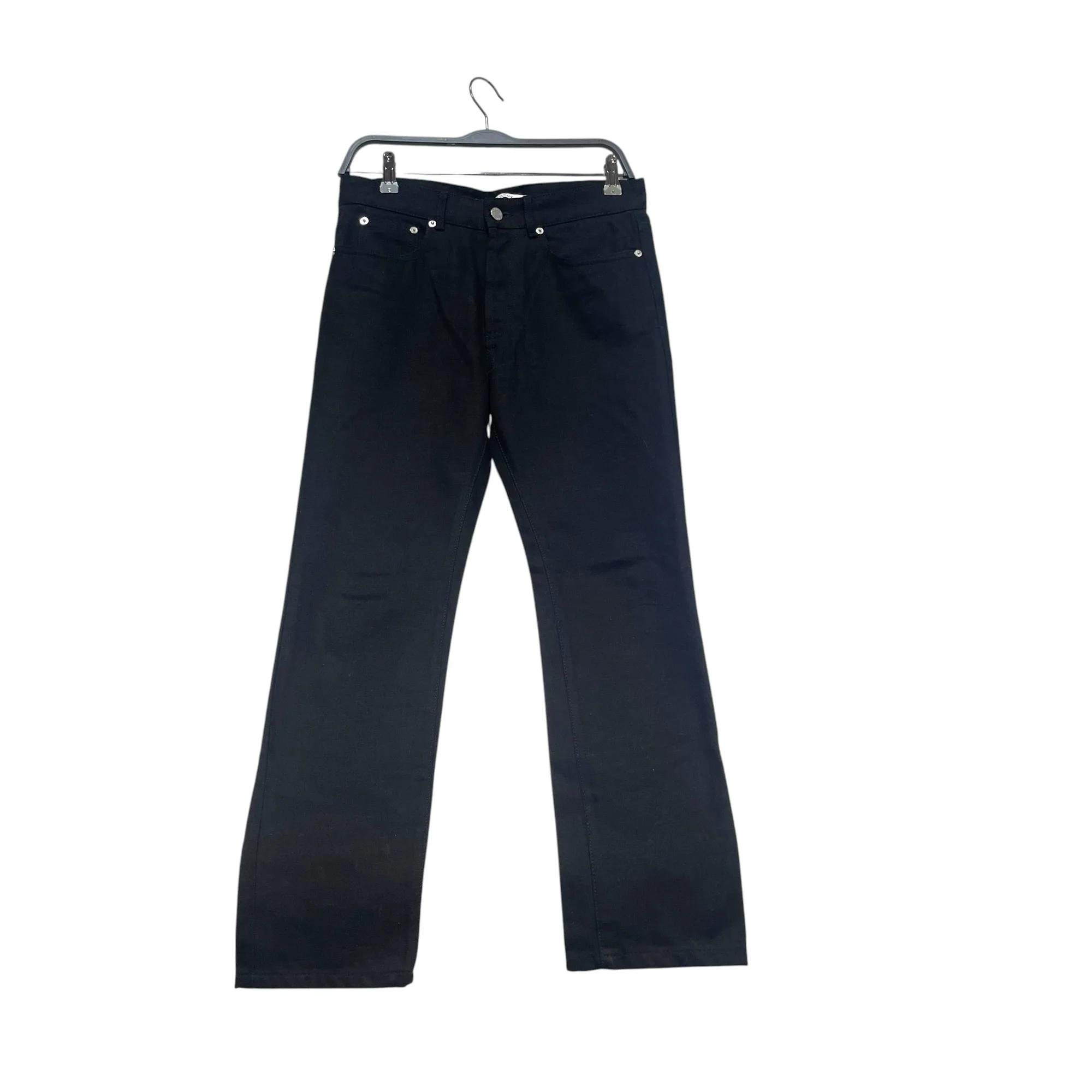
- GIVENCHY/Skinny Pants/28/Denim/BLK/: Listed with a 15-inch waist and 28-inch inseam in size 28, black, used in excellent condition. Stated waist and inseam measurements let you compare against a pair that stretched out, so you can size down with confidence instead of guessing.
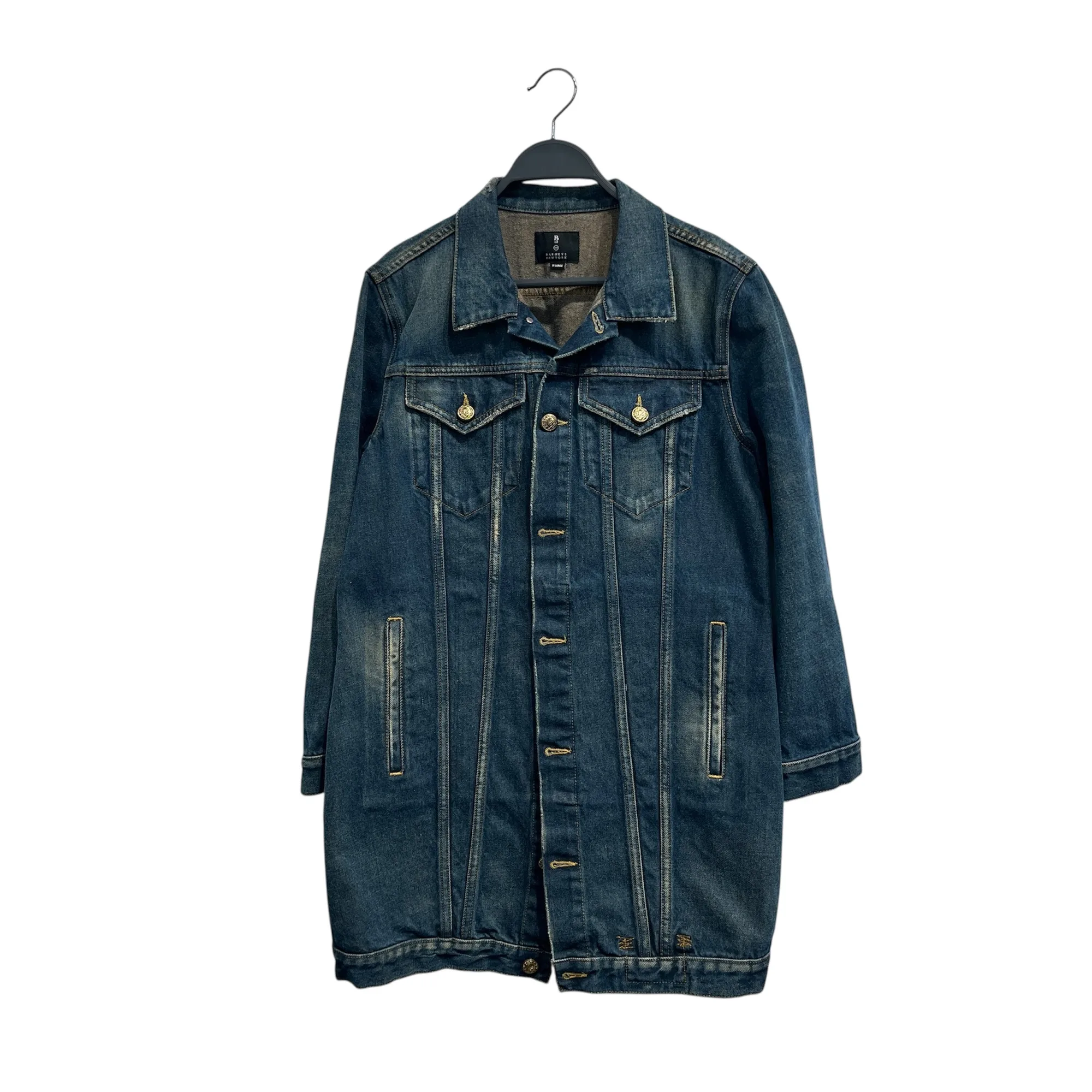
- R13/Denim Jkt/XL/Denim/IDG/Gold Buttons: Listed with a 16-inch shoulder and 29-inch length in blue denim, used in very good condition. A denim jacket in a similar fabric family pairs with relaxed jeans without adding visual bulk, and the stated measurements confirm the fit before you buy.
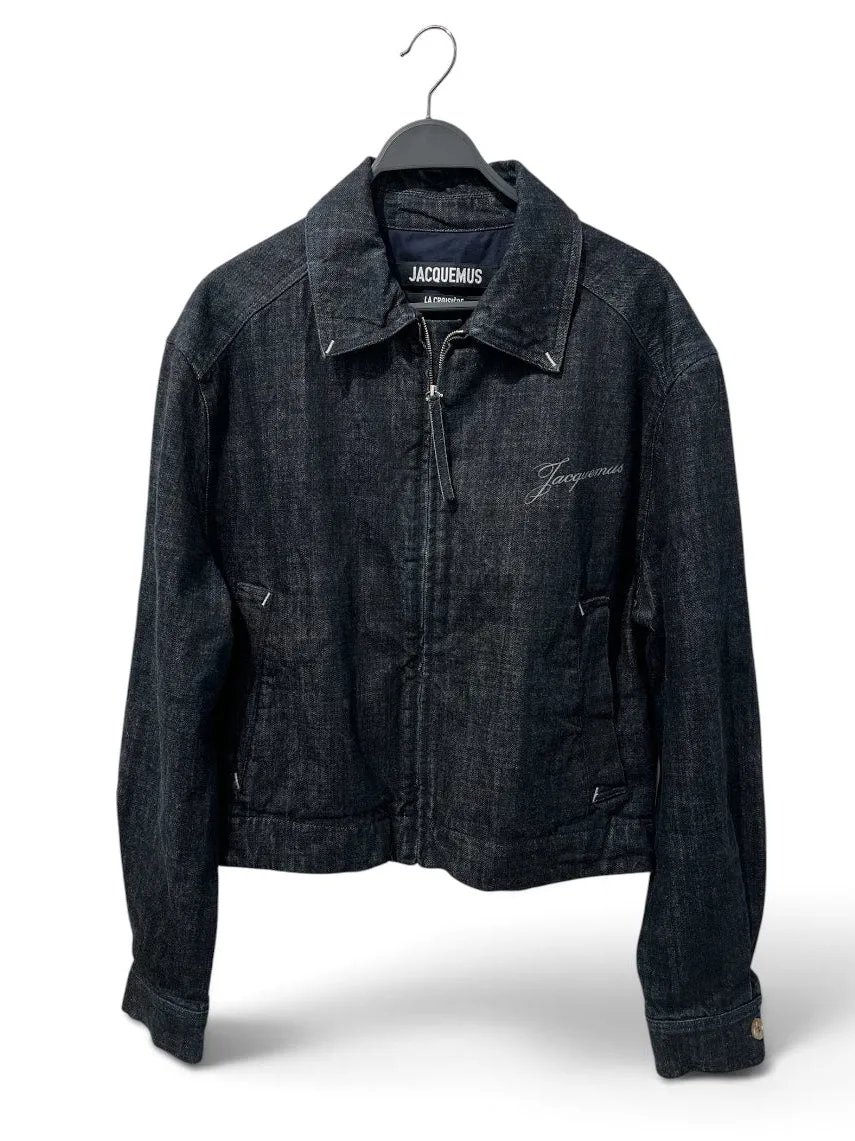
- JACQUEMUS/Denim Jkt/52/Denim/NVY/The daneveas de-nimes: Listed with a 17-inch chest and 21.5-inch length in navy denim, used in very good condition. If your jeans have gone baggy and you want a structured topper, a measured denim jacket gives you a clean silhouette to balance the looser bottom half.
Denim that stretches out is usually relaxing, not ruined, and a cold wash with a short low-heat dry brings most pairs back. When the fabric stops springing back entirely, stop repairing and replace it with a denser denim or a smaller size. Check the stated measurements on any pair you buy next, especially secondhand, so the fit you get is the fit you keep.