Quick Answer
When your nursing bra no longer fits, first identify the symptom—too small, too big, or just different. Then adjust straps and hooks if possible, but if the bra is pinching or gaping, it's time to replace it. Look for a flexible, wirefree style that adapts to your changing size.
Your body changes a lot during pregnancy and postpartum, and your nursing bra should change with it. But no bra can stretch forever. At some point, you'll notice that your once-comfortable bra now feels tight under the arms, leaves marks on your shoulders, or gapes at the cup. That's a clear signal that it's time to reassess.
The good news is that many nursing bras are designed with flexibility in mind. Some styles expand up to four cup sizes, which can extend the life of your bra. But even the most adaptable bra has limits. Knowing how to tell when a bra truly doesn't fit—and what to do about it—can save you from discomfort and unnecessary purchases.
Signs Your Nursing Bra Is Too Small
A bra that's too small is usually obvious: red marks on your skin, spillage over the cup edges, or a band that rides up. You might also feel like you can't take a deep breath, or the underwire (if any) digs into your breast tissue. These are signs that the bra is constricting milk ducts and blood flow, which can lead to clogged ducts or mastitis.
If you're between sizes, a bra that's slightly snug might still be wearable for a short time. But if you're experiencing any of these symptoms, don't wait. A too-small bra can cause pain and affect your milk supply. Check the band fit: you should be able to slide two fingers under the band, and the cups should fully contain your breast without bulging.
- Red marks or indentations on your skin after removing the bra
- Breast tissue spilling over the top or sides of the cups
- The band rides up in the back, meaning it's too tight
Signs Your Nursing Bra Is Too Big
A bra that's too big is less obvious but equally problematic. If the cups wrinkle or gape when you lean forward, or if the band twists and shifts throughout the day, the bra isn't providing the support you need. This can lead to poor posture, back pain, and even sagging over time.
Too-big bras also make nursing inconvenient. If you have to adjust the cup to latch your baby, or if the bra doesn't hold your breast in place during feeding, it's not doing its job. You might also notice that the straps keep falling off your shoulders, which is a sign that the band is too loose and the bra is carrying the weight incorrectly.
- Cups that wrinkle or gap, especially when you move
- Band that rides up in the back or shifts during wear
- Straps that constantly slip off your shoulders
When to Adjust vs. When to Replace
Some fit issues can be fixed with simple adjustments. If the band is slightly loose, try moving the hooks to a tighter row. If the straps are too long, shorten them. But if the bra is too small in the cup, no adjustment will help. Similarly, if the band is stretched out and no longer snaps back, it's time to retire it.
Also consider the stage you're in. During the early postpartum weeks, your size may fluctuate daily due to milk supply. A flexible, wirefree bra with stretch can accommodate these changes better than a structured one. If your bra is still within its stretch range, you might be able to wear it through the fluctuations. But if you're consistently at the tightest or loosest hook, or if the cups are always too small or too big, it's time to look for something new.
- Try adjusting the straps and hooks before buying a new bra
- If the bra is stretched out and loses shape, replace it
- Consider your stage: early postpartum may need more flexibility
Diagnosis: Is It Time to Let Go?
- Symptom: Notice red marks, spillage, gaping cups, or a band that rides up. These are clear signs the bra no longer fits.
- Likely cause: Your body has changed size due to pregnancy, postpartum, or milk supply fluctuations. This is normal, but it means your bra needs to adapt.
- Corrective action: Try adjusting straps and hooks first. If that doesn't fix the issue, consider a more flexible style or a new size. Adjust if possible; replace if necessary.
- Stop or choose another option: If the bra is consistently too small or too big, or if it causes pain, stop wearing it and choose a bra that fits properly. Your comfort and health come first.
Nursing Bras That Flex With You
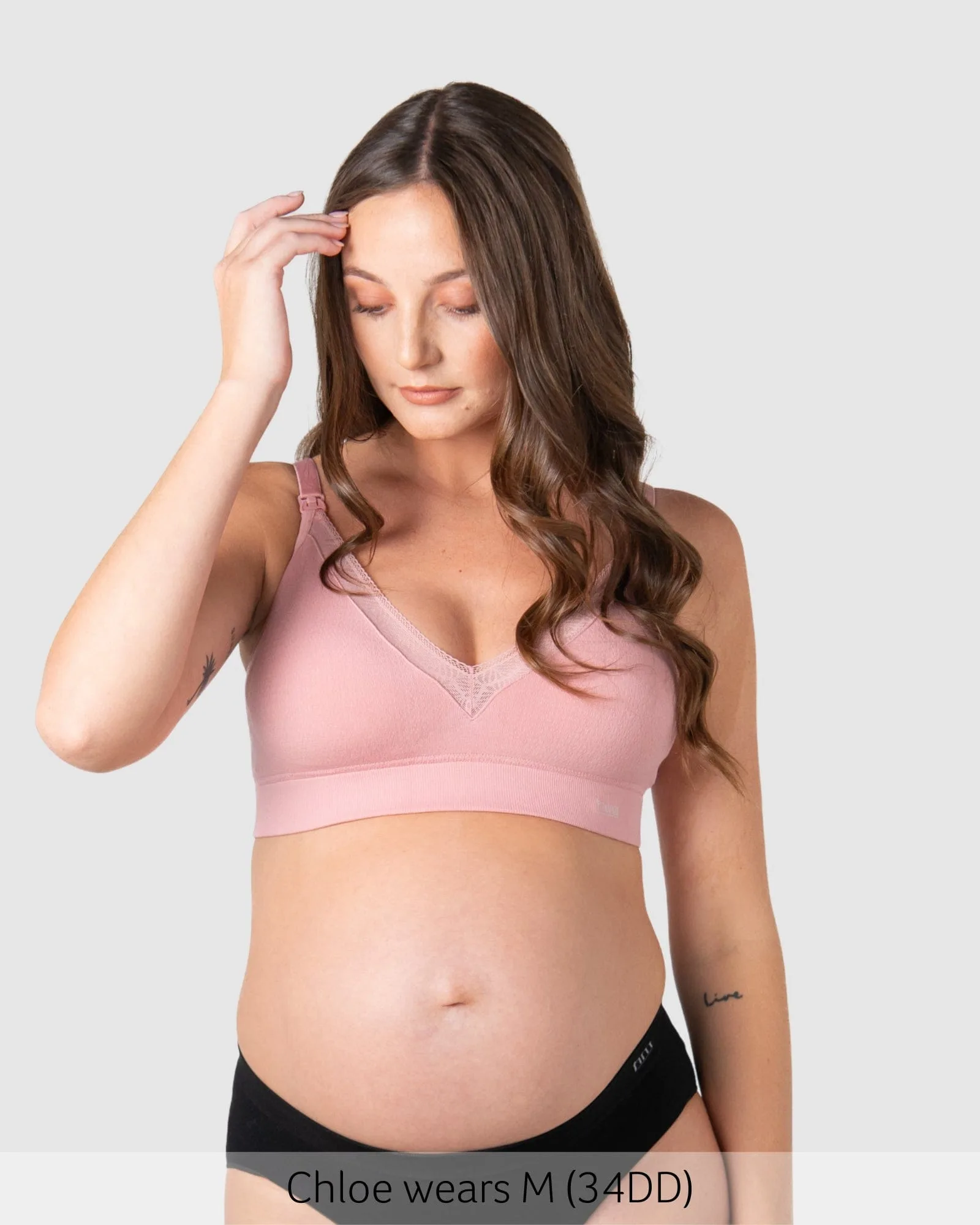
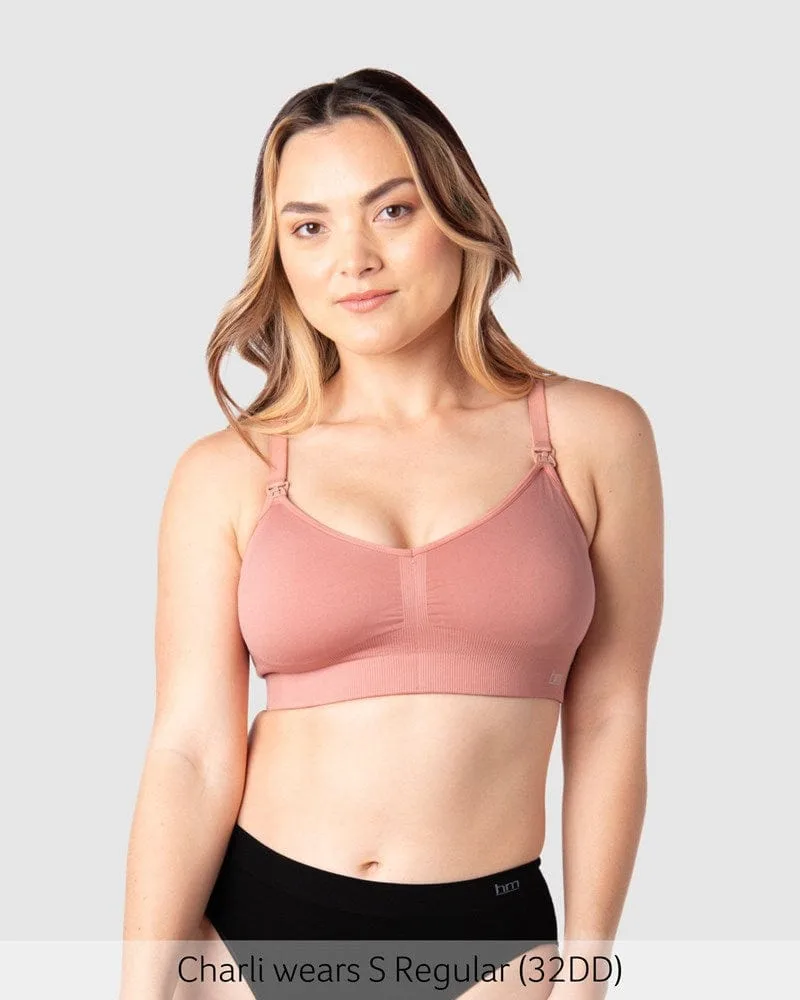
- My Necessity FlexFit Nursing Bra - Sunrise: Crafted from ultra-soft recycled nylon, this seamless, wirefree bra expands up to four cup sizes, moving with your changing body from pregnancy through postpartum. If you're between sizes or expect more changes, this bra's flexible fit can stretch to accommodate growth, reducing the need for frequent replacements.
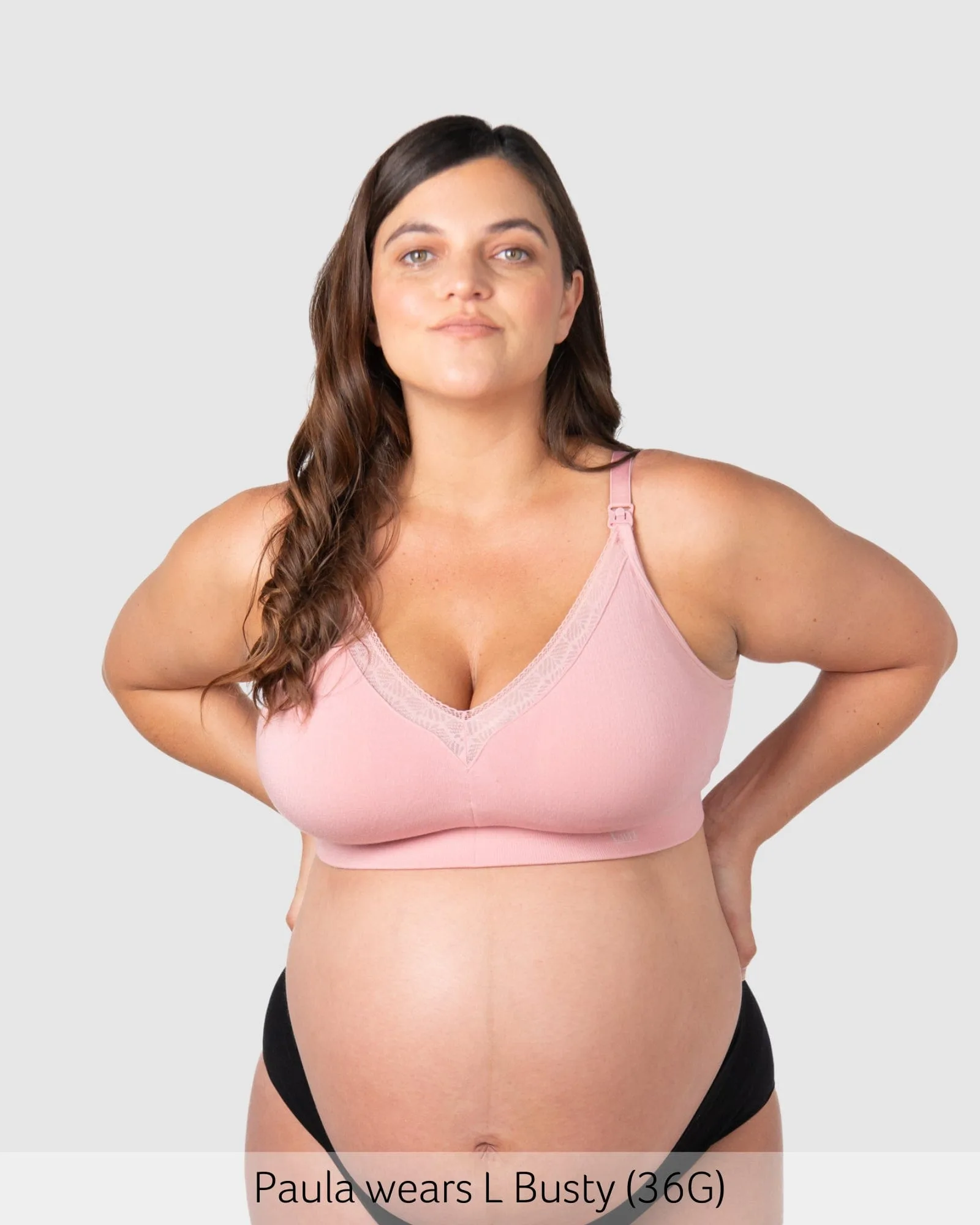
- https://hotmilklingerievfg.com/products/caress-flexfit-nursing-bra-petal-pink-busty-32091d97606f3ac9e0f89d6e-1035932Caress FlexFit Nursing Bra - Petal Pink Busty: Made from eco-friendly bamboo, this wirefree bra features smoothing side wings and removable padded cups, with side-sling nursing support and one-handed clips. For fuller busts, this bra offers extra support and adjustability, helping you avoid the too-small or too-big problems common with size fluctuations.
A nursing bra that no longer fits is a common challenge, but you don't have to suffer through it. By recognizing the signs and knowing when to adjust or replace, you can ensure comfort and support throughout your breastfeeding journey. Remember, flexibility is key—look for bras that can move with you, and don't hesitate to invest in a new one when needed.