Quick Answer
When your toddler loses interest in toys, don't buy more—rotate what you have and introduce one new way to play with an old favorite. Start with a simple toy rotation and a fresh play prompt, and you'll often see engagement return within a few days.
It's a familiar scene: you carefully chose a toy, your toddler played with it for a week, and now it sits ignored in the corner. Before you blame the toy or rush to buy something new, know that this is a normal part of toddler development. Understanding why interest fades is the first step to solving it.
Toddlers are wired to explore and learn through repetition, but their attention spans are short. They need novelty—not necessarily new toys, but new ways to use the ones they already have. With a few simple strategies, you can refresh your toy collection without spending a dime.
Why Toddlers Lose Interest in Toys
Toddlers lose interest for several reasons, and most are completely normal. One common cause is overexposure: when a toy is always available, it becomes part of the background and loses its novelty. Another is developmental mismatch—a toy that was once challenging may now be too easy, or it may have been too advanced in the first place.
Sometimes, the problem isn't the toy at all. Toddlers crave interaction and often prefer a parent's attention over any object. If your toddler seems bored with toys, consider whether they're asking for connection rather than stimulation. A simple change in how you present the toy can make a world of difference.
- Rotate toys every 1-2 weeks to keep them fresh.
- Observe which toys your toddler gravitates toward and which they ignore.
- Join in the play for a few minutes to spark interest.
The Power of Toy Rotation
Toy rotation is one of the most effective ways to regain interest in toys. The idea is simple: divide your toddler's toys into a few groups, keep only one group accessible at a time, and swap them out every week or two. This creates a sense of novelty without buying anything new.
When you rotate, your toddler rediscovers old favorites as if they were new. It also reduces clutter and helps your child focus better, since fewer choices mean less overwhelm. Start by putting away half of the toys and see how your toddler responds. You'll likely see renewed engagement within days.
- Use clear bins or shelves to store rotated toys out of sight.
- Involve your toddler in the rotation by letting them choose which toys to put away.
- Keep a few 'always available' favorites, like a comfort toy or a beloved puzzle.
New Ways to Play with Old Favorites
Sometimes the best fix is to show your toddler a new way to use a toy they already own. For example, the Shape-Sorting Cube from Melissa & Doug can be more than a sorting toy: turn it into a 'mystery box' by placing shapes inside and asking your toddler to find one by touch. Or use the shapes as cookie cutters in playdough.
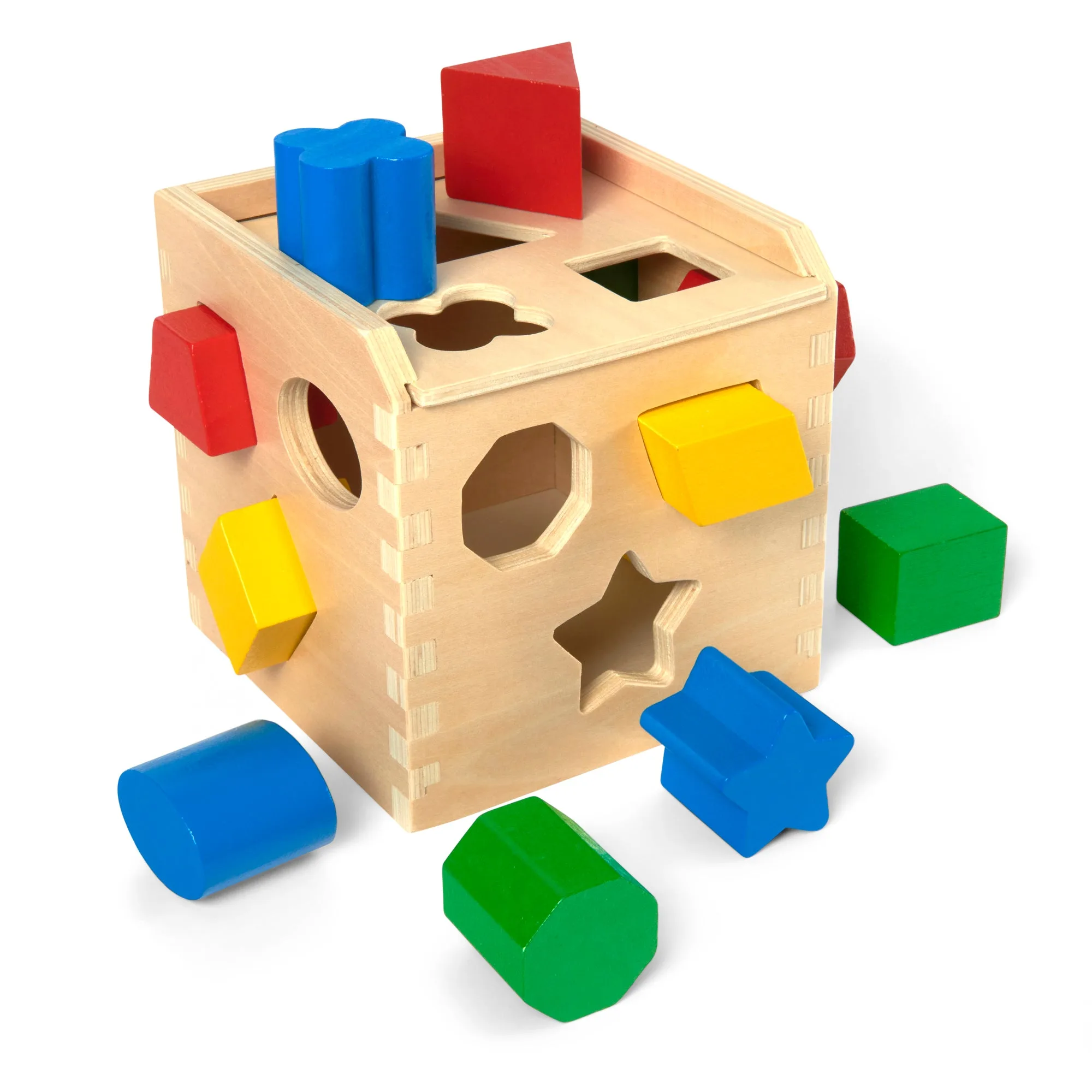
Shape-Sorting Cube
The Wooden Fold & Go Barn can become a counting game, a hide-and-seek scene, or a story prompt. Ask your toddler where the horse sleeps, or line up the animals and count them together. These small twists can rekindle interest and extend the life of toys you already have.
- Combine two toys in one play session, like using the barn animals with blocks.
- Let your toddler lead the play and follow their ideas.
- Use a timer for 'special play' with a toy that's been ignored.
When to Consider a New Toy
While rotation and new play ideas often solve the problem, there are times when a new toy genuinely adds value. If your toddler has outgrown a toy developmentally, or if a toy is broken or unsafe, it's time to replace it. Also, if you've rotated and reintroduced a toy multiple times and your toddler still shows zero interest, it may simply not be a good match.
When you do buy, choose toys that offer open-ended play and can grow with your child. The Fill & Fold Taco & Tortilla Set, for example, encourages creativity and can be used in many ways—from following the menu cards to inventing new recipes. Such toys are more likely to hold interest over time.
- Look for toys that can be used in multiple ways.
- Consider your toddler's current interests and developmental stage.
- Avoid buying too many toys at once; a few well-chosen ones are better.
Diagnosis: Is It Boredom or Something Else?
- Symptom: Your toddler ignores toys that they used to enjoy, or they quickly lose interest after a few minutes. This is normal and often temporary.
- Likely cause: Overexposure, lack of novelty, or a developmental mismatch. Sometimes your toddler is seeking interaction, not new toys. Look for patterns: when and where does boredom happen?
- Corrective action: Start a toy rotation, introduce one new way to play with an old favorite, and join in the play for a few minutes. Give it a few days; you'll likely see renewed interest.
- When to stop or choose another option: If you've rotated and tried new play ideas several times and your toddler still shows no interest, or if the toy is outgrown or unsafe, consider replacing it with a more open-ended option. Choose toys that can be used in many ways, like the Fill & Fold Taco & Tortilla Set.
Melissa & Doug Toys That Grow with Your Toddler
- Shape-Sorting Cube: This classic toy features 12 chunky, vibrantly colored shapes with rounded edges that are easy for little hands to hold and maneuver. Because the shapes are chunky and easy to grasp, you can use them beyond sorting—for stacking, counting, or sensory play in a bag—so the toy stays interesting as your toddler's skills grow.
- Wooden Fold & Go Barn: The two-story bright red barn is stocked with seven realistic plastic farm animals that kids can recognize including a horse, a goat, a pig, and more. The familiar animals and the fold-and-go design make it easy to change the play scene—inside, outside, or on the go—which helps you refresh the toy without buying a new one.
- Fill & Fold Taco & Tortilla Set: Create pretend play tacos, burritos, fajitas, and more! Choose play food ingredients, pretend to grill sliceable wooden ingredients on the skillet, fill a felt tortilla or a durable hard taco shell, and serve with a choice of play toppings! The many ingredients and menu cards mean your toddler can invent endless combinations, keeping the play fresh and encouraging creativity—so it's a good pick when you do decide to add a new toy.
Losing interest in toys is a normal part of toddlerhood, and often it's a signal to change how you play, not what you buy. Start with rotation and fresh play ideas, and you'll likely see your toddler's engagement return. When it's time for something new, choose toys that offer open-ended possibilities—they'll hold interest longer and grow with your child.