Quick answer
Healthy hair and nails start with a balanced diet rich in protein, healthy fats, and key vitamins. Supplements like biotin, collagen, and omega-3 DHA can fill gaps, but they work best when you also eat nutrient-dense whole foods. Focus on consistent intake over time rather than quick fixes.
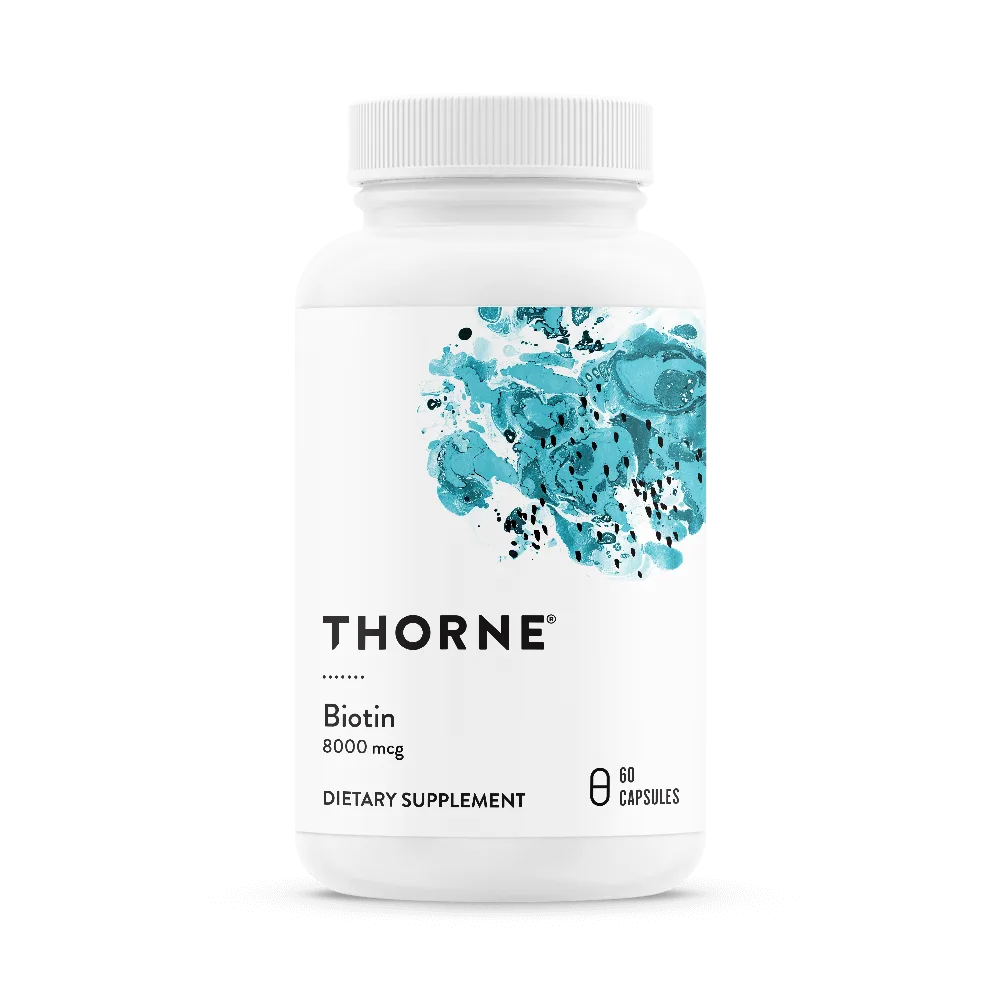
biotin
Key Nutrients for Hair and Nails
Hair and nails are made mostly of keratin, a protein that requires adequate dietary protein to grow strong. Beyond protein, specific vitamins and minerals play direct roles: biotin supports keratin production, vitamin C aids collagen synthesis, and omega-3 fatty acids like DHA help maintain scalp health and nail flexibility. Iron and zinc are also critical—deficiencies often show up as brittle nails or thinning hair.
Foods That Support Hair and Nail Health
A skin-hair-nails diet should include eggs (biotin and protein), salmon or sardines (omega-3 DHA and protein), citrus fruits and bell peppers (vitamin C), spinach and lentils (iron and zinc), and nuts or seeds (vitamin E and healthy fats). Collagen-rich bone broth or gelatin can provide glycine and proline, but your body also makes collagen from adequate vitamin C and protein. No single food is a magic bullet—variety matters most.
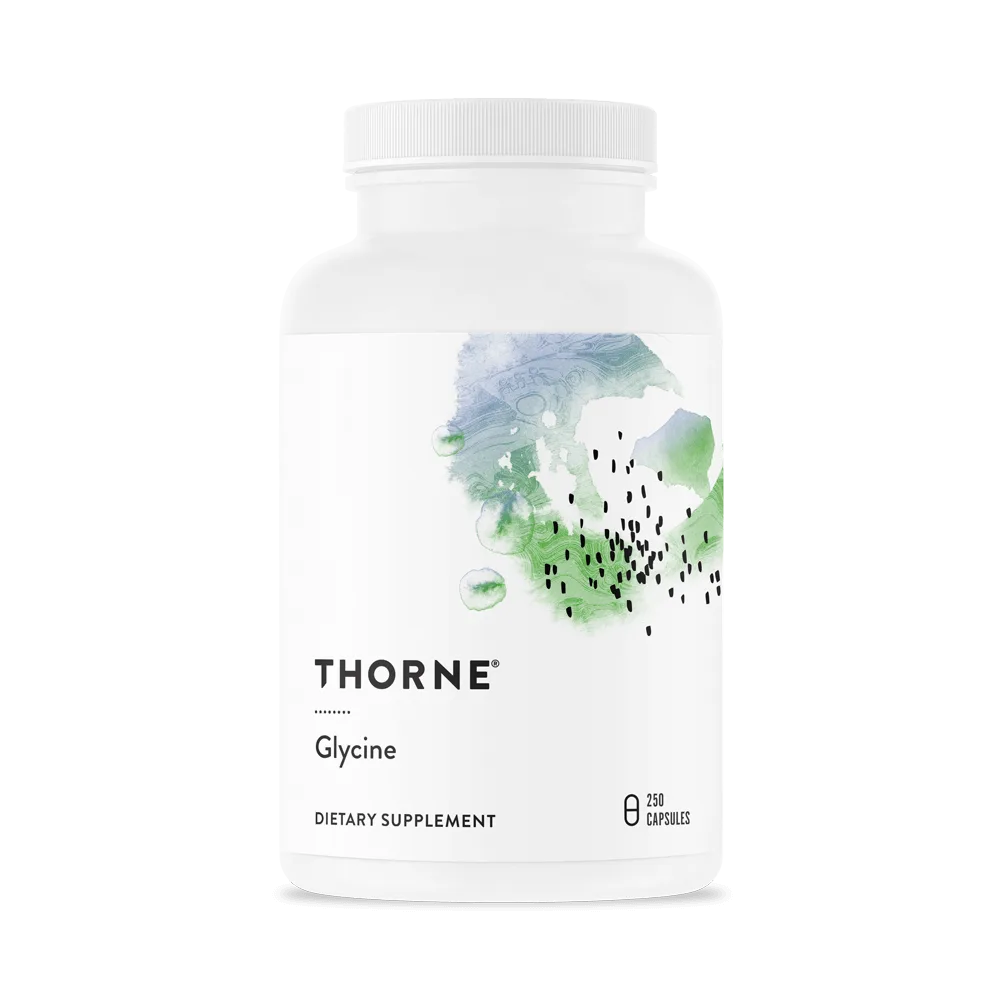
glycine
Frequently Asked Questions
How long does it take for supplements to work on hair and nails?
Hair grows about half an inch per month, and nails about 3 millimeters. You typically need 3–6 months of consistent supplementation to see visible changes in strength or growth. Patience and daily consistency are key. Give any supplement at least 3 months before evaluating results.
Can I get enough biotin from food alone?
Biotin is found in eggs, nuts, seeds, salmon, and sweet potatoes. Most people get enough from a varied diet, but if you eat few biotin-rich foods or have a digestive condition that reduces absorption, a supplement can help. Typical doses for hair and nails are 2,500–5,000 mcg per day. Check your diet first; supplement only if you consistently fall short.
Do collagen supplements actually work for nails?
Collagen supplements provide amino acids that your body uses to build its own collagen. Some studies show they can reduce nail brittleness and improve growth rate. They are not a substitute for adequate protein and vitamin C, but can be a helpful addition if your diet is low in collagen-rich foods. Collagen works best alongside a protein-rich diet and sufficient vitamin C.
Should I take a multivitamin for hair and nails?
A good multivitamin can cover common gaps like iron, zinc, and B vitamins. For women over 50, a formula like Women's Multi 50+ includes optimal amounts of calcium and magnesium in chelate form, plus vitamin A for skin health. If your diet is already balanced, a multivitamin may be unnecessary, but it can serve as affordable dietary insurance. Use a multivitamin to fill gaps, not replace a healthy diet.
Supplements That Can Help
- Advanced DHA: Omega-3 fatty acids, especially DHA, are essential for healthy brain development and function throughout all stages of life. DHA concentrates in the brain and throughout the central nervous system. It particularly accumulates in the brain during fetal development and early childhood. Throughout adulthood it is essential to maintain the level of DHA that was established early in life. Because the body makes very little DHA on its own, dietary sources or supplements are needed. DHA supports the oil glands around hair follicles and helps keep nails from becoming dry and brittle. If you don't eat fatty fish twice a week, a DHA supplement like Advanced DHA is a practical way to maintain levels.