Quick answer
A quilt retreat is a focused sewing getaway where you bring your own projects and supplies, and the venue provides space, tables, and often meals. Expect a relaxed schedule, a room full of sewing machines, and plenty of friendly help—just bring your basics and an open mind.
Why a retreat is different from sewing at home
At a quilt retreat, you trade your home setup for a shared sewing room. That means planning ahead matters more than usual. You'll want to pack efficiently, know the schedule, and respect communal spaces. The payoff is focused time with fellow quilters who share your passion.
Trade-offs: what you gain and what you give up
Retreats offer uninterrupted sewing time and access to shared tools, but you give up the comfort of your own sewing room. You may need to adapt to different machines, lighting, or table heights. Plan for flexibility and bring your own essentials to stay comfortable.
Quilt Retreat FAQ: Your Questions Answered
What should I pack for a quilt retreat?
Bring your sewing machine, basic notions (thread, needles, scissors, pins), fabric for your project, and a small kit for repairs. Check with the retreat organizer for any special requirements or provided tools. Pack light but don't forget your machine's power cord and foot pedal.
How much fabric should I bring?
Bring enough for your planned projects plus a little extra for mistakes or inspiration. If you're unsure, ask the organizer about the schedule and whether there's a local shop for last-minute supplies. Aim for one or two projects, not five—you'll likely finish less than you think.
What is a typical daily schedule?
Most retreats have open sewing time from morning to evening, with optional breaks for meals and socializing. Some include planned classes or demos. Check the itinerary when you register. Arrive early on the first day to set up your station and get oriented.
What should I bring besides my sewing machine?
Bring your machine, power cord, foot pedal, and a basic sewing kit (needles, thread, scissors, seam ripper). Also pack your project supplies, extension cord, and a small lamp. Label everything with your name. Pack a small repair kit and extra bobbins—they're easy to forget.
How do I prepare my projects before the retreat?
Pre-cut fabric, organize pieces by project, and bring printed instructions. If you're taking a class, check if the teacher provides pre-cut kits—some retreats offer them to save time. Confirm with the organizer whether cutting is done on-site or beforehand.
What should I bring beyond fabric and sewing machine?
Pack essential tools like rotary cutter, mat, rulers, thread, scissors, and extra needles. Don't forget a power strip, task light, and a small iron if allowed. Label your items and keep them in a portable tote. Create a checklist a week ahead so you don't forget small but vital tools.
How do I handle the schedule and meals?
Most retreats have set sewing hours and meal breaks. Check the itinerary in advance, arrive early to set up, and plan for meals that may not be provided. Bring snacks and a water bottle to stay energized. Confirm the schedule and meal plan before you go so you know what to pack.
A fun project to bring
-
Funky Friend Rhino Class: The Funky Friend Rhino Class includes pre-laser cut pieces, so you can skip the cutting and start sewing right away. For a retreat, this means less prep and more time to enjoy the social sewing experience—perfect for beginners who want a quick win.
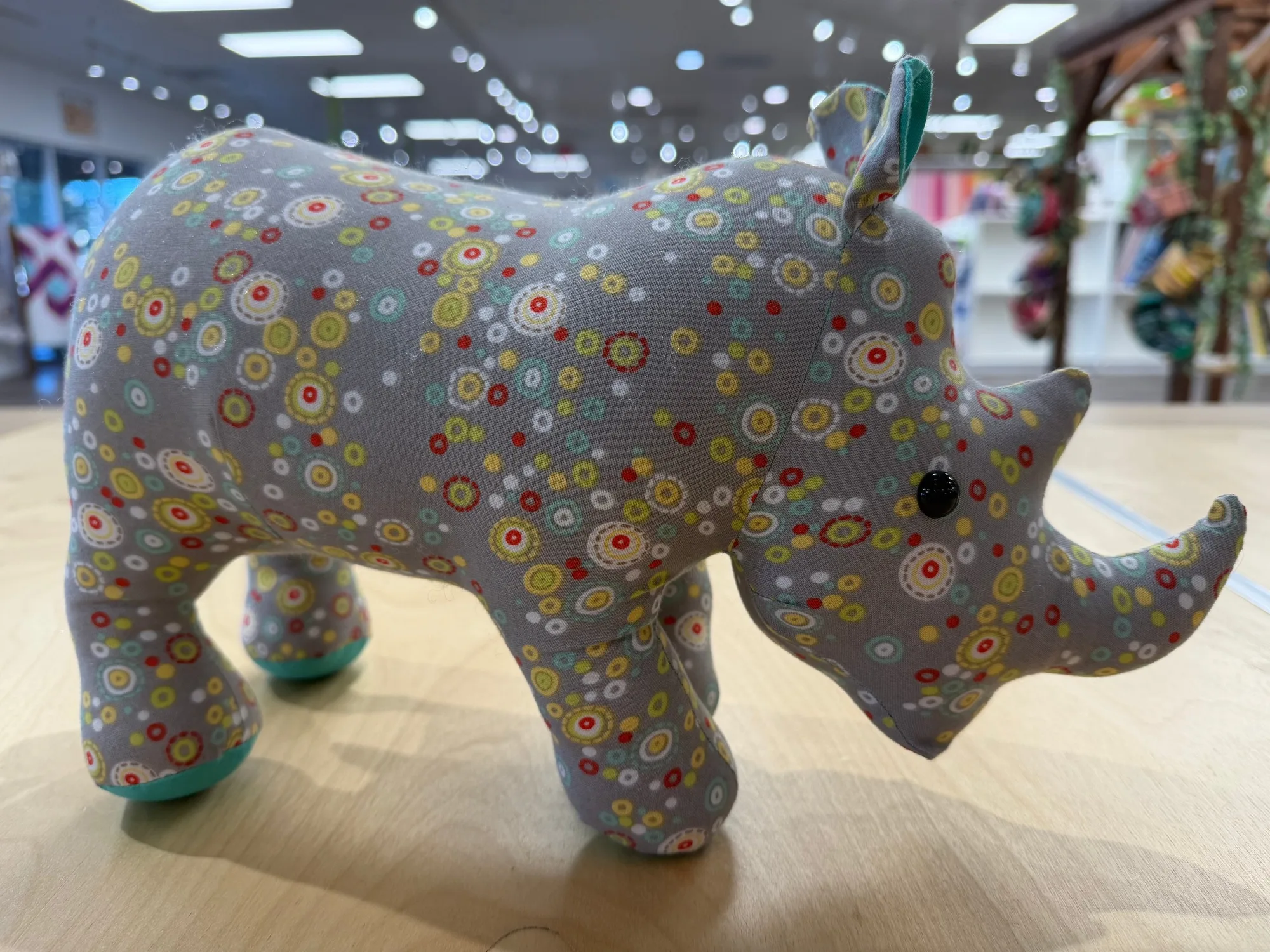
Funky Friend Rhino Class