Quick Answer
Before buying a board game expansion, confirm it matches your base game version and player count, and check that the new content adds meaningful variety rather than just extra components. Look for expansions that introduce new mechanics or challenges, and consider the cost relative to the base game. Always read the expansion's description to ensure it's compatible with the edition you own.
Expansions can breathe new life into your favorite board games, but they also come with pitfalls. Many players buy an expansion only to find it doesn't fit their game or group. To help you avoid that, here's a practical guide on what to check before you add an expansion to your collection.
We'll cover compatibility, content value, player count, cost, and how to decide if an expansion is worth it. We'll also highlight a few expansions from Thunderworks Games that illustrate what to look for.
Check Compatibility with Your Base Game
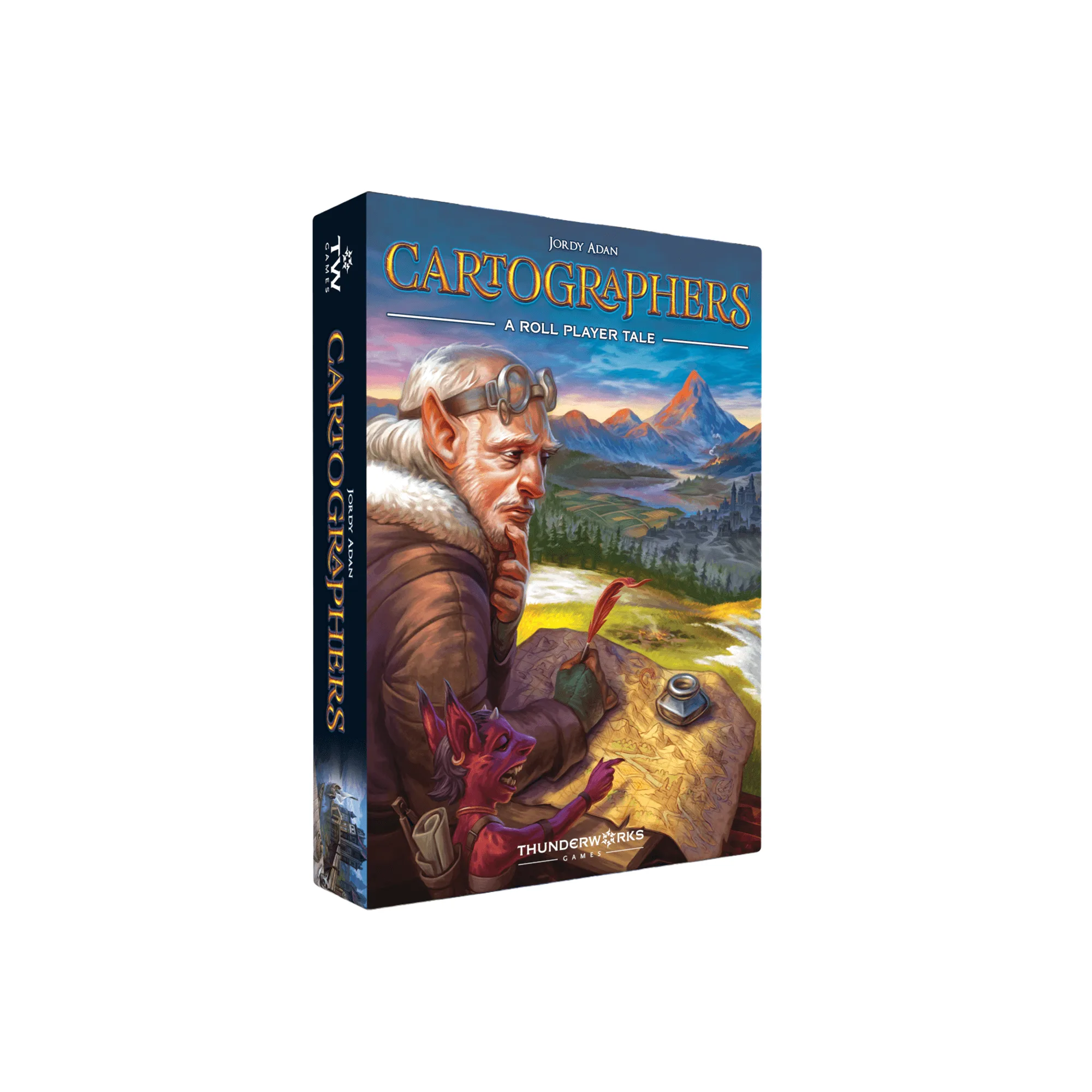
The first rule of buying an expansion is to verify it works with the exact version of your base game. Some expansions require a specific edition or are designed for a particular game line. For example, cartographers-map-pack-6-hornhelm-4c0f57e851cc19bc34590177-897298">Cartographers: Map Pack 6, Hornhelm can be played with either Cartographers or Cartographers Heroes, but other map packs may not be so flexible. Always read the product description carefully to confirm compatibility.
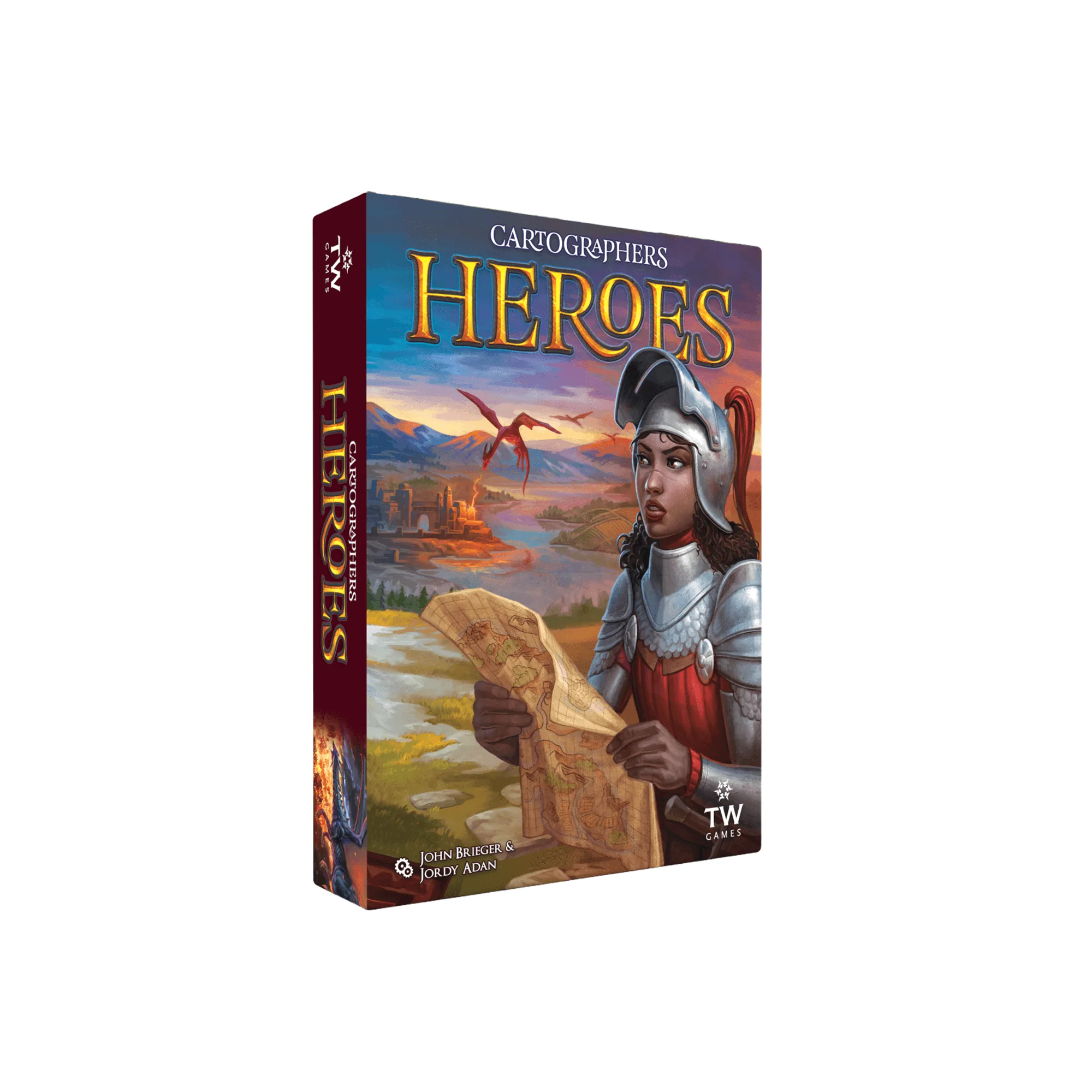
Cartographers Heroes
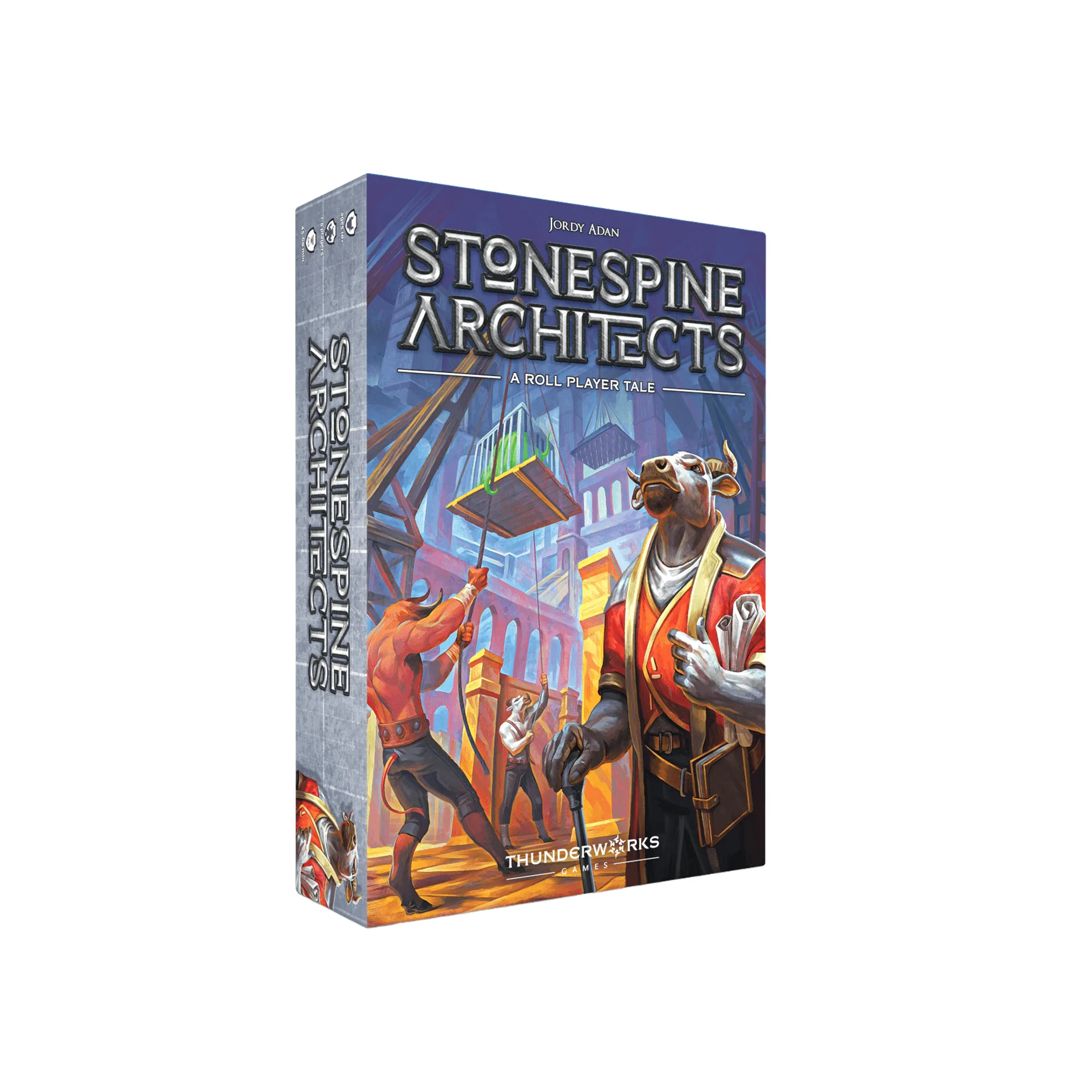
If you're unsure, check the publisher's website or community forums. Many expansions also list whether they are stand-alone or require the base game. For instance, Stonespine Architects: Invasion is an expansion to Stonespine Architects, so you'll need the core game to use it. Knowing this upfront prevents disappointment.
- Look for the phrase 'requires base game' or 'stand-alone' in the product description.
- Note the exact name and edition of your base game before searching for expansions.
Evaluate the Content Value
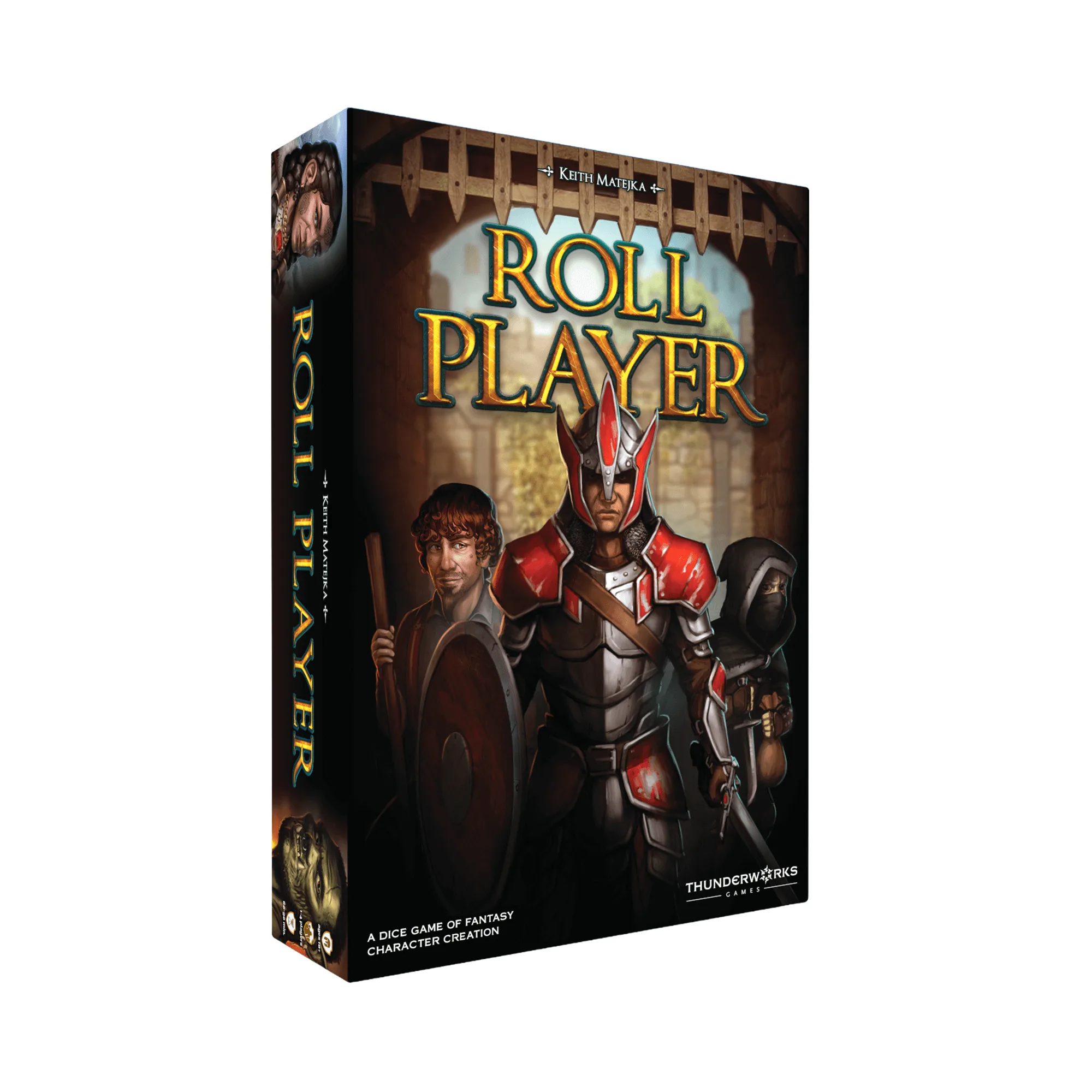
Not all expansions are created equal. Some add significant new mechanics, while others offer only minor variations. Ask yourself: does this expansion introduce new ways to play, or does it just add more of the same? For example, Roll Player: Fiends & Familiars introduces new dice and a novel split-dice type, adding strategic depth. That kind of innovation often justifies the purchase.
Also consider the amount of replayability. Expansions that include multiple scenarios, map sheets, or modular components tend to offer more value. Cartographers: Serrated Coast Map Pack Bundle includes three map packs and a mini-expansion, giving you a wealth of new content for a single price. Compare the cost per play session to decide if it's worth it.
- Count the new components and scenarios to estimate replay value.
- Check if the expansion adds new mechanics or just new maps/characters.
Consider Player Count and Group Dynamics
Expansions often adjust the player count or add rules for solo play. If you usually game with a specific group size, make sure the expansion supports it. Some expansions, like Roll Player Adventures, are designed for 1-4 players, which is great for solo or small groups. Others might require more players to shine.
Think about your group's preferences. If your friends enjoy competitive play, a cooperative expansion might not fit. Conversely, if you often play with casual gamers, a complex expansion could overwhelm them. Read reviews or watch playthroughs to gauge the expansion's weight and whether it suits your group.
- Match the expansion's player count to your typical gaming group.
- Consider the complexity level compared to your group's experience.
Weigh the Cost Against the Base Game
Expansions can range from a few dollars to more than the base game. Before buying, compare the expansion's price to the base game's cost. A good rule of thumb is that an expansion should offer at least 50% of the base game's content for its price. For example, Cartographers Heroes is a stand-alone game at a low price, while a map pack bundle might offer more value for your money.
Also consider the long-term value. An expansion that you'll play many times is worth more than one you'll try once. Look for expansions that add significant replayability, such as new scenarios or modules. Sometimes it's better to save for a bigger expansion that offers more content rather than buying several small ones.
- Calculate the cost per play session to assess value.
- Compare the expansion's price to the base game's price to see if it's reasonable.
Decision Rules for Buying an Expansion
- Compatibility Check: Verify that the expansion works with the exact base game edition you own. Read the product description for compatibility notes. If it doesn't specify, assume it requires the base game and check the publisher's FAQ.
- Content Value: Assess whether the expansion adds new mechanics, scenarios, or components that significantly increase replayability. Choose expansions that offer at least a few new play sessions' worth of content.
- Player Count Fit: Ensure the expansion supports your usual group size and complexity preference. If you play solo or with two, look for expansions that explicitly support lower player counts.
- Cost vs. Base Game: Compare the expansion's price to the base game's price and estimate the cost per play session. Avoid expansions that cost more than half the base game unless they add substantial content.
Examples of Expansions That Add Value
- Stonespine Architects: Invasion (Expansion): You demonstrated your talent as a master of the ancient minotaur art of dungeon-crafting. Master Hortgully now tasks you with defending your dungeon and training a dangerous monster from Duntam's menagerie. Defeat the invading heroes, level up your monster, earn minions, and prove your skill as a Master Architect! This expansion adds a new defensive layer to the base game, introducing monster training and minion mechanics. If you enjoy the base game's dungeon-crafting, this expansion offers a fresh challenge that enhances replayability.
- Roll Player: Fiends & Familiars (Expansion): In Roll Player: Fiends & Familiars, players compete to construct the greatest fantasy characters, now with the help of Familiars and the hindrance of Fiends. Familiars lend unique powers to their keepers, and along with new goods in the market, offer hope. But all the while, malicious Fiends torment the players with new obstacles. Fiends & Familiars also includes a novel type of dice - split dice. The introduction of split dice and new market goods adds strategic depth to the base game. If you enjoy dice drafting and character building, this expansion provides more tactical options and replayability.
Which Expansions Are Right for You?
Best for
- Players who have exhausted the base game and want new mechanics or challenges.
- Groups that regularly play the same game and need variety to keep it fresh.
Not for
- Casual players who rarely play the same game more than a few times.
- Those on a tight budget who might prefer a new stand-alone game over an expansion.
Buying a board game expansion can be a great way to extend the life of a game you love, but it requires careful thought. By checking compatibility, content value, player count, and cost, you can make an informed decision that enhances your gaming experience. Remember to read the product details and consider your group's preferences before you hit 'buy'.