Quick answer
Preorder a board game when you already know you want that specific title, the listing states a ship window and a price, and you are comfortable waiting. Skip the preorder if you are still comparing several games, if the release date is vague, or if you want to play this weekend. Treat a preorder as a reservation, not a shortcut to release day.
A board game preorder is a reservation for a print run that has not landed yet. You pay or hold a spot now, and the game ships when the publisher delivers stock to the store. That is the whole mechanic, and almost every frustration around preordering comes from forgetting it.
The useful question is not whether preorders are good or bad. It is whether this specific title, at this specific price, with this specific ship window, deserves a spot in your budget before you can hold the box. Here is how to run that check in a few minutes.
How board game preorders actually work
Publishers announce a title, stores open listings, and customers reserve copies before the print run arrives. Your money or your reservation sits with the store until stock is in hand. The date on the listing is the store's best estimate of when it can ship, not a promise from the printer, the freight company, or the port.
That is why dates move. A container gets delayed, a component gets reprinted, a factory slot shifts. None of that is unusual, and none of it means the game is cancelled. It means you are buying ahead of a physical supply chain, and the timeline belongs to the publisher.
- Check whether the listing charges you now or at shipment.
- Look for a ship window rather than a single date.
- Save the order confirmation email; that is your reference if the date moves.
Preorder vs release day: the real trade-off
Preordering buys certainty of allocation and often a lower price. If a small print run sells through, preorder customers get copies and later shoppers wait for a reprint that may take months. That is the genuine advantage, and for niche titles it is a strong one.
Release day buys information. By then you can read rules summaries, watch playthroughs, and hear whether the game actually works at your table. You also get the game immediately instead of waiting. The cost is that you may pay full price, and for a hot title you may not find a copy at all.
- Preorder when you are already sold on the design and the print run looks limited.
- Wait when you are curious but not committed, or when your group is hard to please.
- Never preorder purely because a countdown timer is on the page.
What to check before you pay
Read the listing like a contract. You want the price, the ship window, the cancellation terms, and whether the product is a preorder at all. Some listings are marked clearly; others bury the note in the description, and that is exactly where buyers get surprised.
Then check the game itself. Player count, play time, and complexity matter more than theme. A game that needs four players will sit on your shelf if your group is usually two. A ninety-minute engine builder will not hit the table on a weeknight. Preordering removes your chance to change your mind after seeing it in person, so the fit check has to happen first.
- Confirm player count matches your actual group, not your ideal group.
- Check the expected play time against when you really play.
- Note whether the listing says ships late August, Q4, or a specific date.
Preorder board games tips that prevent regret
Keep a simple rule: one preorder at a time per group. Multiple overlapping preorders turn into a pile of unplayed boxes arriving in the same month, which is how a hobby becomes a backlog. If two titles you want ship in the same window, pick the one your group will play first.
Also separate preorder spending from your regular game budget. A preorder is money committed weeks or months before you get value, so it should come out of a planned amount rather than a spontaneous purchase. If a title is cheap enough that the wait does not bother you, the risk is small. If it is a large purchase, the wait is part of the price.
- Set a maximum number of open preorders and stick to it.
- Prefer stores that state cancellation terms clearly.
- If the ship window has no month at all, treat it as unknown.
Reading a board game release timeline
A release timeline usually runs announcement, preorder window, production, freight, store arrival, then general sale. Preorder customers sit between freight and store arrival, which is why they get copies first but still wait. Retail copies appear after preorder fulfillment, sometimes days later and sometimes weeks.
The practical takeaway is that preordering tabletop games does not make a game exist sooner. It moves you to the front of the line for the copies that exist. If you need a game for a specific date, a preorder is the wrong tool unless the ship window is comfortably before that date.
- Work backward from the event you need the game for.
- Leave at least a few weeks of buffer for shipping.
- If the buffer is thin, buy something already in stock instead.
Preorder decision rules
- You know the exact title and player count fits: Preorder if the listing states a ship window and the game matches your real group size and play time. A stated window like late August is enough to plan around. Green light: reserve one copy.
- You are still comparing two or three games: Do not preorder yet. Read rules summaries and watch a playthrough first. Committing early only helps if you were going to buy that specific game anyway. Wait until one title clearly wins.
- The ship window is missing or vague: Treat an unstated date as unknown, not soon. If you need the game for a specific event, choose an in-stock title instead of gambling on the timeline. No date, no deadline purchase.
- The discount is the only reason you are tempted: A lower preorder price is real value only if you would have bought the game at full price later. Otherwise you are saving money on something you did not need. Buy the game, not the discount.
Preorder listings worth understanding
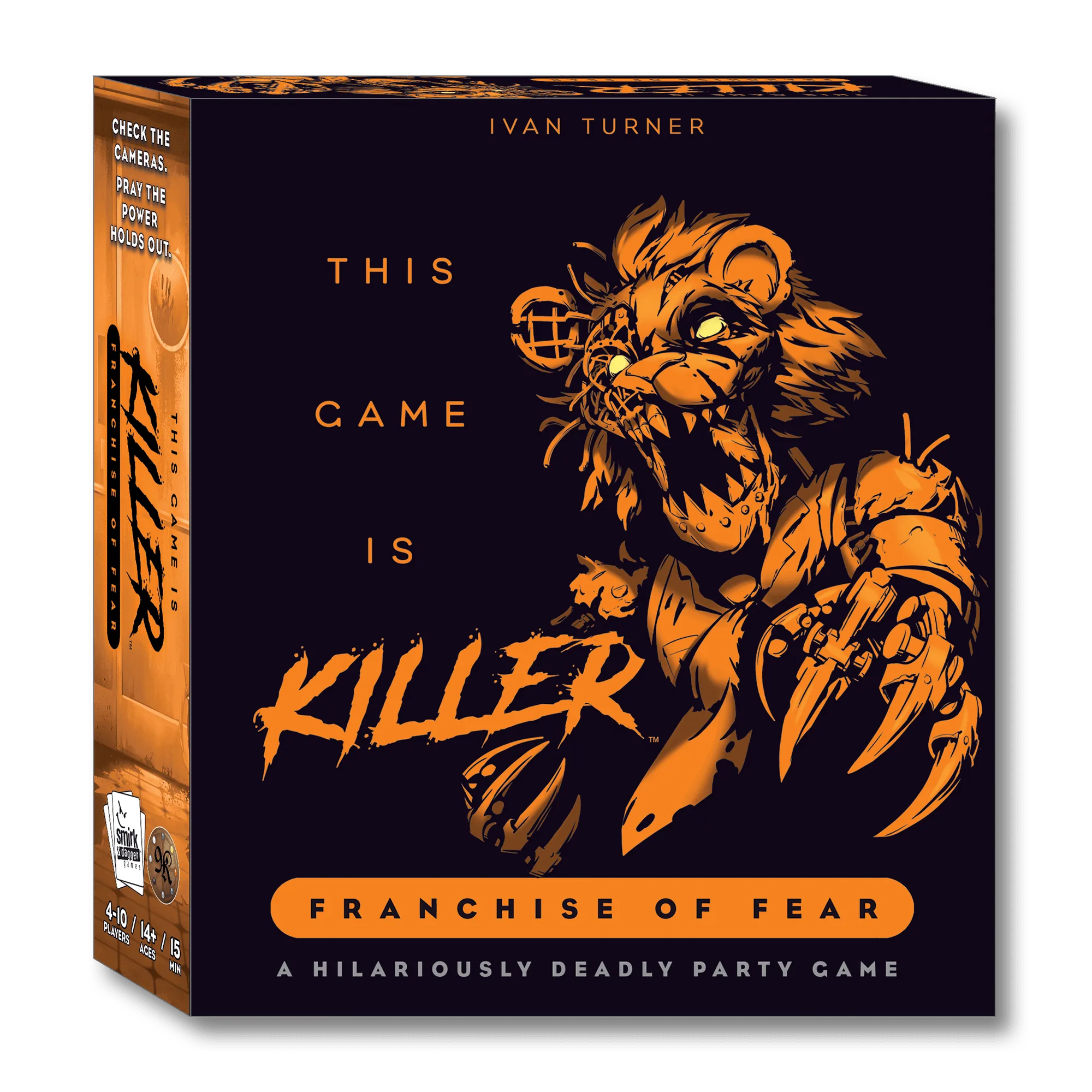
- This Game is Killer: Franchise of Fear - PREORDER: Listed as a preorder that ships late August, priced at USD 9.99 against a catalog comparison price of USD 19.99. It is a semi co-op party game about surviving four hours while managing power to lock doors and activate cameras, and killing Snapjaw can accidentally kill teammates. This is the clearest example of a preorder that makes sense: a stated ship window and a low entry price. The semi co-op twist also means it fits groups that want shared survival with a bit of betrayal, not groups that want pure cooperation.
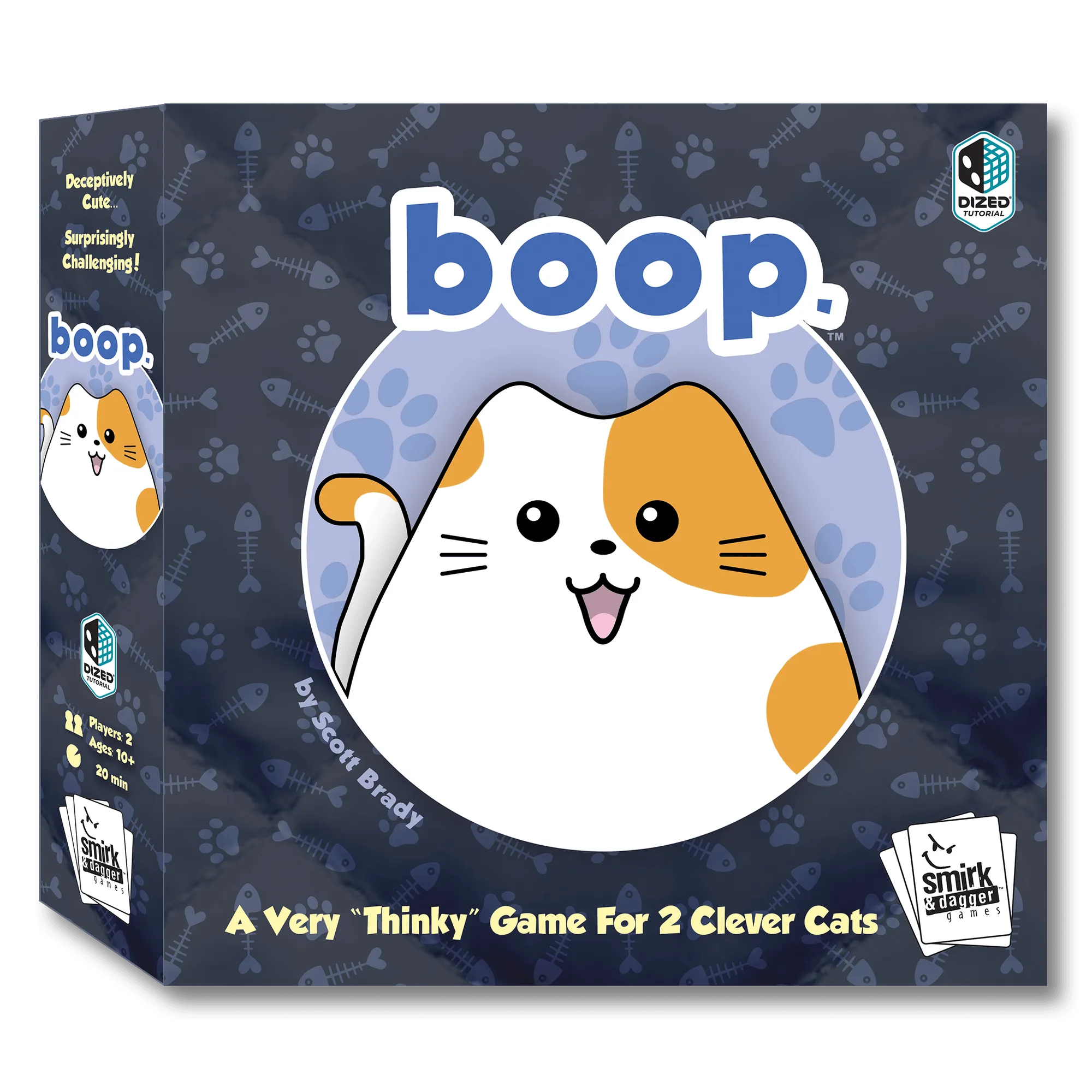
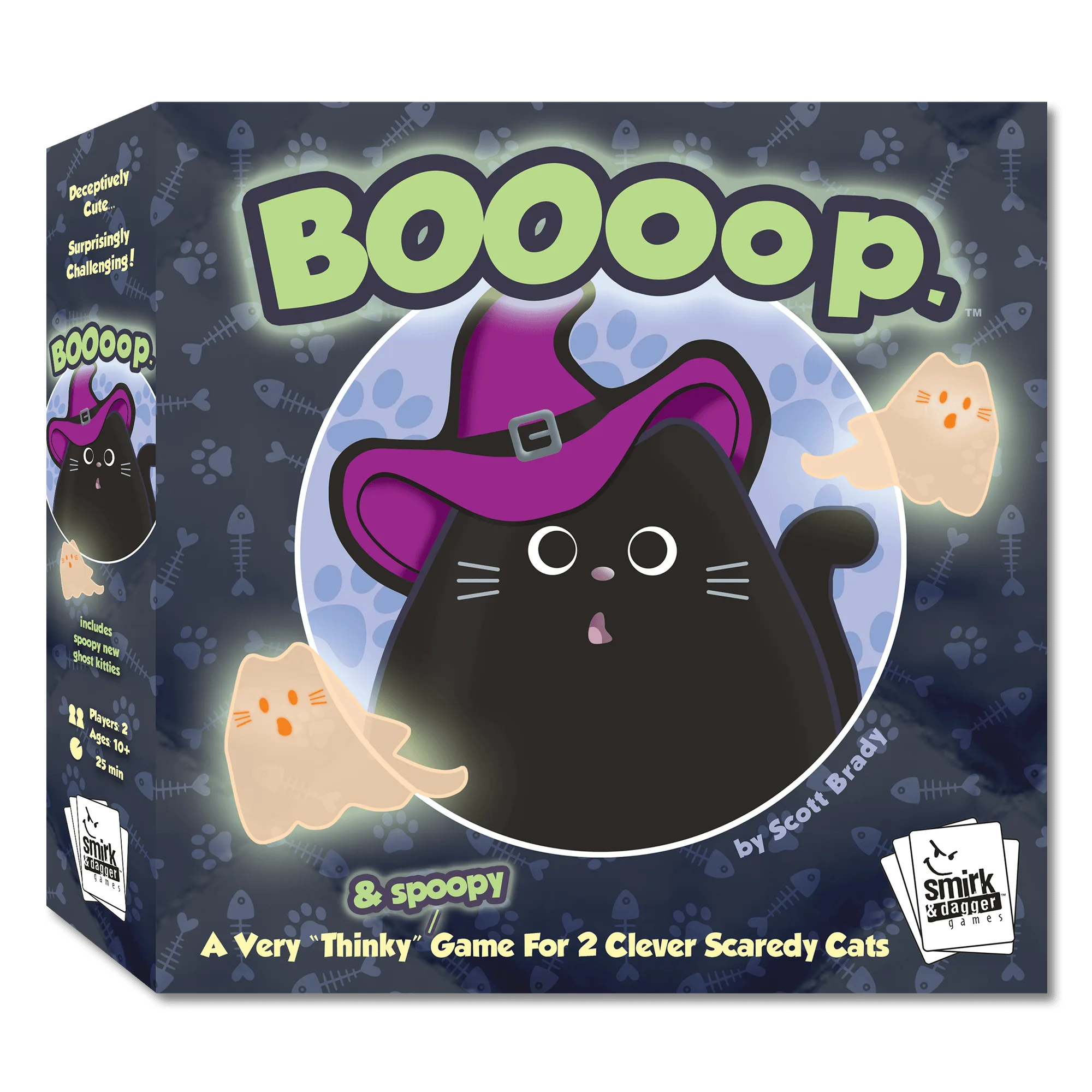
- BOOoop: a deceptively cute but thinky strategy game - now with Ghost Cats!: A Halloween edition of boop where you line up three kittens to graduate them into cats, then get three cats in a row to win, while both players keep booping pieces around. It adds Ghost Cats that float between spaces. A good benchmark for the fit check. It is simple to teach and quick to play, so it suits two-player weeknights and family tables. If your group wants long, heavy strategy, this is not the preorder to spend on.
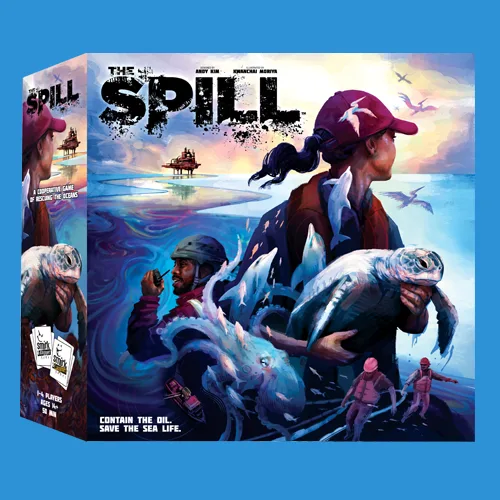
- The SPILL: a dynamic co-op game of saving our oceans from a disaster: A fully co-op game with a 4-way dice tower pouring oil into the ocean after the DeepWell-4 rig blowout, where the response team works together to contain the spill. Fully co-op means everyone wins or loses together, so it suits groups that dislike hidden-traitor games. The physical dice tower also means table footprint and setup matter more than in a card-only game.
Who should preorder and who should not
Preorder if you are
- A player who already knows the exact title and has a group that fits its player count and play time
- Someone willing to wait weeks or months for a lower price or guaranteed allocation on a limited print run
- A buyer who wants a clearly dated preorder like This Game is Killer: Franchise of Fear - PREORDER shipping late August
Skip the preorder if you are
- Still deciding between several games and need more information before committing
- Shopping for a game night or gift with a fixed date that the ship window cannot safely cover
- Someone who wants to open and play the game the same week you pay for it
Preordering is a reservation, so the decision comes down to certainty and patience. If you know the title, the fit is right, and the listing gives you a real ship window, a preorder is a reasonable way to lock in a copy. If any of those are missing, wait for release day and buy with better information.