Quick answer
For sleep, choose a firm, flat mattress with a tightly fitted sheet and no loose blanket in the crib. For supervised cuddling, stroller rides, and tummy time, pick a breathable blanket sized for the job: a small 30 x 40 inch blanket for newborns and a larger 40 x 60 inch blanket for toddlers. Check for soft, non-irritating fabric, secure stitching, and a tag that lists fiber content and care instructions.
A baby blanket is one of the most-used items in the first two years, but the wrong one can be too heavy, too small, or unsafe for sleep. This guide walks through materials, sizes, and safety so you can buy once and use it well.
You will also find decision rules for common situations: newborn gifting, daycare, stroller use, and toddlers who want a lovey. The goal is a blanket that fits your routine, not just the nursery theme.
Materials: what to look for and what to avoid
Cotton is the most versatile choice for a baby blanket. It breathes, washes well, and feels soft against skin. Look for long-staple cotton or muslin if you want a lighter, airier blanket for warmer rooms. Organic cotton is a reasonable option if you want to reduce exposure to synthetic pesticides, but the practical difference for most families is feel and wash durability, not a safety guarantee.
Polyester fleece and plush fabrics are warm and affordable, but they trap heat. Use them for stroller rides or play, not for sleep. Wool is warm and breathable but can irritate sensitive skin and requires careful washing. Bamboo blends feel silky and are moisture-wicking, though they may pill over time. Always check the care tag before buying: if it says dry clean only, it is a poor fit for a baby.
- Choose breathable cotton or muslin for year-round use.
- Avoid heavy fleece or quilts for sleep; save them for supervised play.
- Wash new blankets before first use to remove sizing and dust.
Safe sleep: the blanket rules that matter
The safest sleep space is a crib or bassinet with a firm mattress and a fitted sheet, and nothing else. No loose blankets, pillows, bumpers, or stuffed animals. This is why a baby blanket is best used for supervised cuddling, stroller walks, and play, not as a crib cover. If you want warmth at night, use a wearable blanket or sleep sack sized to your baby.
For supervised use, check for loose threads, detached pom-poms, or unsecured trim that a baby could pull off. Avoid blankets with long ribbons or cords. A safe baby blanket has secure edges, no small detachable parts, and a size that does not drag on the floor where it can trip a caregiver.
- No loose blankets in the crib for sleep.
- Inspect seams and trim after every wash.
- Skip blankets with beads, buttons, or long strings.
Sizes: match the blanket to the job
Baby blanket sizes are not standardized, so use the job as your guide. A small 30 x 40 inch blanket is easy to tuck around a newborn in a car seat or stroller. A medium 36 x 48 inch blanket works for tummy time and floor play. A large 40 x 60 inch blanket suits toddlers who want a comfort object or a floor mat for blocks and books.
If you are buying for a newborn, a 30 x 40 inch blanket will get the most use in the first six months. For a toddler, a larger blanket prevents the constant tug-of-war that happens when a blanket is too small. If you plan to use the blanket in a stroller, check that it folds compactly and does not drag.
- Newborn: 30 x 40 inches for stroller and swaddling (supervised).
- Play: 36 x 48 inches for tummy time and floor play.
- Toddler: 40 x 60 inches for comfort and coverage.
Comfort and care: what holds up over time
Comfort is personal, but a few features matter for most babies. A soft, flexible edge is gentler on cheeks than a stiff binding. A breathable weave reduces overheating. A slightly weighted blanket is not recommended for infants, so keep it light. If your baby runs warm, choose muslin or a single-layer cotton instead of a quilted blanket.
Care instructions tell you a lot about real-world use. Machine washable and dryer-safe blankets are easier to keep clean, which matters because blankets meet spit-up, diaper leaks, and floor dirt. Pre-washed or garment-dyed cotton may shrink less. If a blanket requires hand washing or line drying, decide whether you will actually do that at 2 a.m.
- Machine washable and dryer safe is the practical default.
- Pre-washed cotton resists shrinking.
- Buy two: one in use, one in the wash.
Decision rules for buying a baby blanket
- If the blanket is for sleep: Do not use a loose blanket in the crib. Choose a wearable blanket or sleep sack instead, and keep the crib free of loose bedding. Safety first: no loose blankets for sleep.
- If the blanket is for a newborn gift: Pick a 30 x 40 inch breathable cotton or muslin blanket. It fits strollers and car seats and is easy to tuck. Small and breathable wins for newborns.
- If the blanket is for a toddler: Choose a 40 x 60 inch blanket with secure stitching and a soft edge. Larger sizes reduce tugging and last longer. Size up for toddlers to avoid daily frustration.
- If you want organic: Organic cotton is a reasonable choice for sensitive skin, but check the care tag. If it is not machine washable, it may not survive real life with a baby. Organic is a preference, not a safety guarantee.
- If you are unsure about material: Start with cotton or muslin. They breathe, wash well, and work across seasons. Add a fleece or plush blanket only for supervised stroller use in cold weather. Cotton is the safest default for most families.
Product facts that help you decide
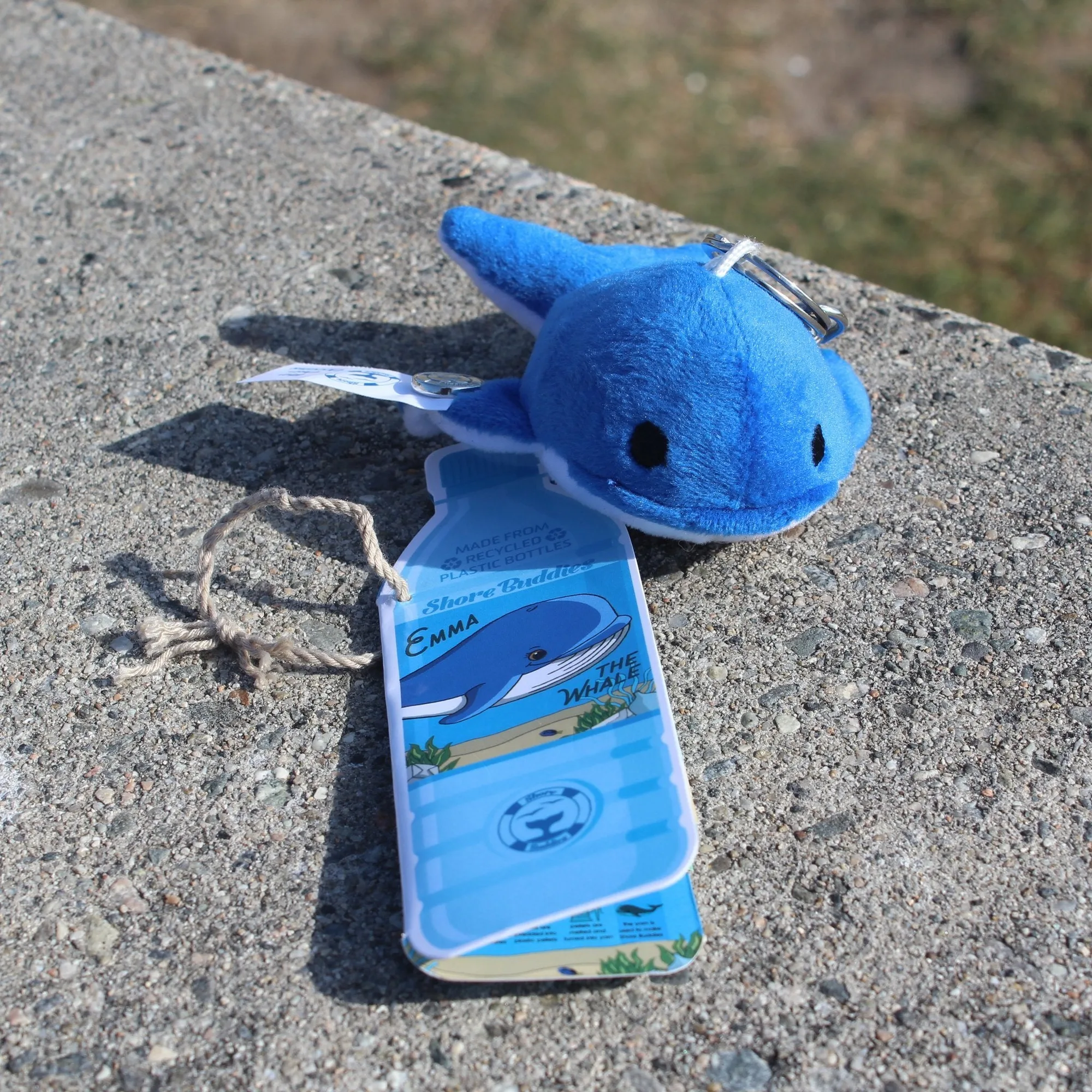
- Emma the Whale Keychain: Shore Buddies are made from recycled plastic water bottles; this keychain is made from 2 plastic water bottles and is for ages 3 years and up. If you want a small, eco-conscious gift to clip to a diaper bag or backpack, this is a practical add-on rather than a sleep item.
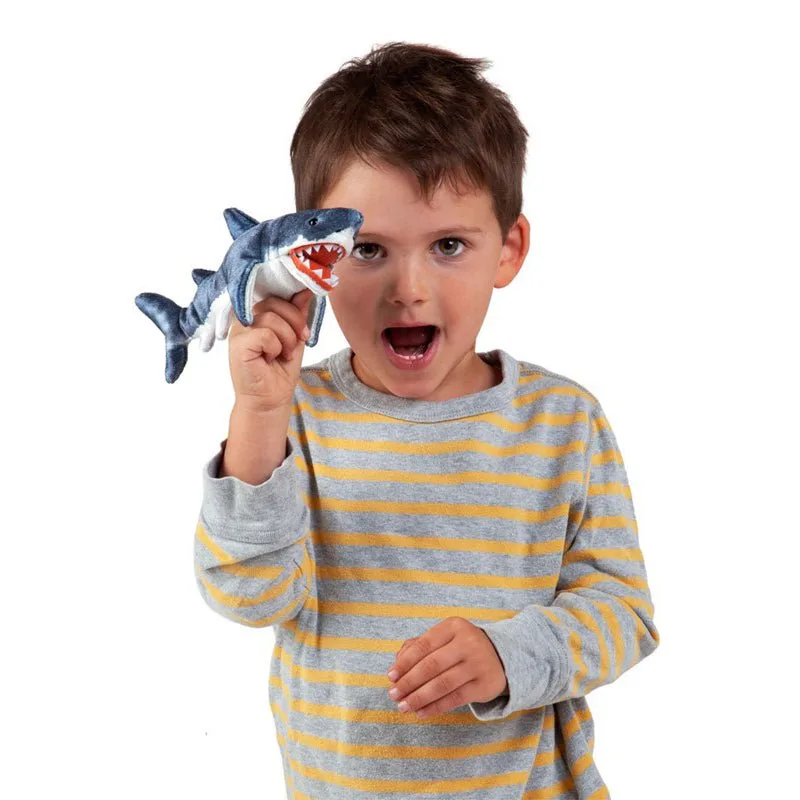
- Mini Shark Finger Puppet: This Folkmanis mini shark finger puppet measures 8 inches long, 4 inches wide, and 3 inches tall and is for ages 3 years and up. A good supervised-play companion for tummy time or stroller entertainment, but not a substitute for a safe sleep blanket.
Who this guide is for
Best for
- Parents and caregivers buying a first blanket for a newborn
- Shoppers looking for a safe, breathable blanket for stroller and play
- Gift-givers who want practical sizing and material guidance
Not for
- Anyone looking for a blanket to leave in the crib during sleep
- Buyers who want a weighted blanket for an infant
- Shoppers who need a decorative quilt that will never be washed
A good baby blanket is breathable, correctly sized, and easy to wash. Keep loose blankets out of the crib, choose cotton or muslin for most situations, and size up for toddlers. If you are shopping today, start with a 30 x 40 inch cotton blanket for a newborn and a 40 x 60 inch blanket for a toddler, then add a small plush or puppet for supervised play.