Quick answer
Choose a six-sided, zippered encasement that fully seals your mattress, not a pad or topper that only covers the top. Prioritize a certified waterproof barrier, a zipper that closes flush with no gap, and a size that matches your mattress depth. If your main goal is blocking bed bugs and allergens, a sealed encasement is the right tool; a pad is for comfort, not containment.
Encasement vs. mattress pad: different jobs
A mattress encasement wraps all six sides and zips shut, so nothing can move between the mattress surface and the cover. A mattress pad or topper sits on top, adds cushioning, and can be removed for washing, but it leaves the sides and underside open. If bed bugs or allergens are the concern, the encasement is the barrier; the pad is a comfort layer you can add on top later.
This is why the phrase 'mattress cover for bed bugs' usually points to an encasement, while 'mattress protector' can mean either. Check the product description for full coverage and a zipper before you buy.
Zipper and seam quality decide whether the seal holds
The weak point of any encasement is the closure. Look for a zipper that runs around three sides and tucks into a pocket or folds flat at the end, so there is no open gap where bugs can slip through. A zipper that stops short of the corner leaves a passage.
Seams matter too. Reinforced or bound seams resist splitting at the corners, where a tight fit puts the most stress. If the listing does not describe the zipper or seam construction, treat that as a limitation and ask before buying.
Waterproofing and material breathability
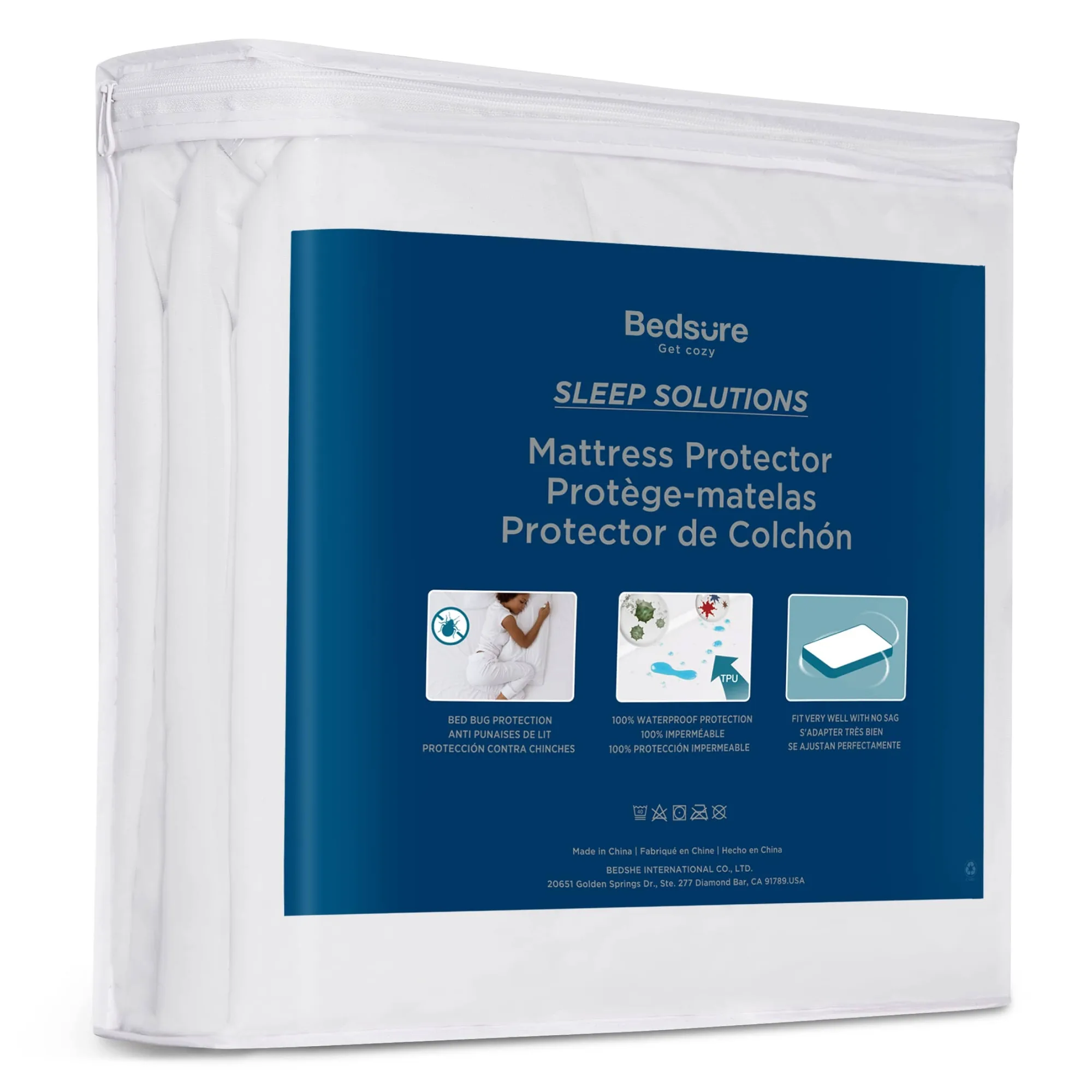
A waterproof backing protects the mattress from spills and makes surface cleaning easier, which matters if you are also managing allergens or accidents. TPU is a common waterproof material because it is flexible and can be wiped down.
There is a trade-off: fully waterproof layers can feel warmer and less breathable than a plain fabric cover. If you sleep hot, look for a lightweight construction and consider a breathable cotton or microfiber layer on top. A waterproof encasement under a breathable pad gives you both protection and airflow.
Fit, depth, and size accuracy
Measure your mattress before ordering: width, length, and depth. Encasements are sized to fit a range of depths, and a cover that is too shallow will strain the zipper, while one that is too deep will wrinkle and bunch. If your mattress has a pillow-top or a topper, measure with it in place if you plan to keep it.
A snug fit is not just cosmetic. Extra slack creates folds where dust and allergens collect and can pull the zipper out of alignment. When in doubt, choose the size that matches your mattress dimensions rather than sizing up.
Care, washing, and long-term use
Encasements are not all machine-washable, and repeated hot washing can break down waterproof laminates. Check the care label: many can be wiped clean or washed on a gentle cycle, but high heat may shorten their life. If you need frequent washing, keep a washable pad on top and spot-clean the encasement.
Leave the encasement on for at least a year when dealing with an active bed bug issue, since bugs trapped inside can take months to die. Do not remove it early to 'check' — that can release them back into the room.
Decision rules for buying a bed bug proof mattress cover
- If bed bugs are the main concern: Buy a six-sided zippered encasement, not a pad or topper. Confirm the zipper closes flush with no gap at the end. Seal first; comfort layers go on top.
- If allergies or spills matter most: Choose a certified waterproof barrier such as TPU and check that seams are reinforced. Wipe or wash according to the care label. Waterproofing plus sealed seams equals easier allergen control.
- If you sleep hot: Look for a lightweight encasement and add a breathable cotton or microfiber layer above it. Avoid heavy waterproof laminates if you overheat. Breathability is a trade-off, not a dealbreaker.
- If your mattress is deep or has a topper: Measure width, length, and depth with the topper in place. Choose the size that matches, not the next size up. A snug fit protects the zipper and keeps the barrier flat.
Product facts to compare
- Bed Bug Proof Mattress Cover: 100% waterproof TPU material with a six-sided zipper that completely seals off the encasement. A full six-sided seal is what keeps bed bugs and spills from reaching the mattress; TPU makes the surface wipeable.
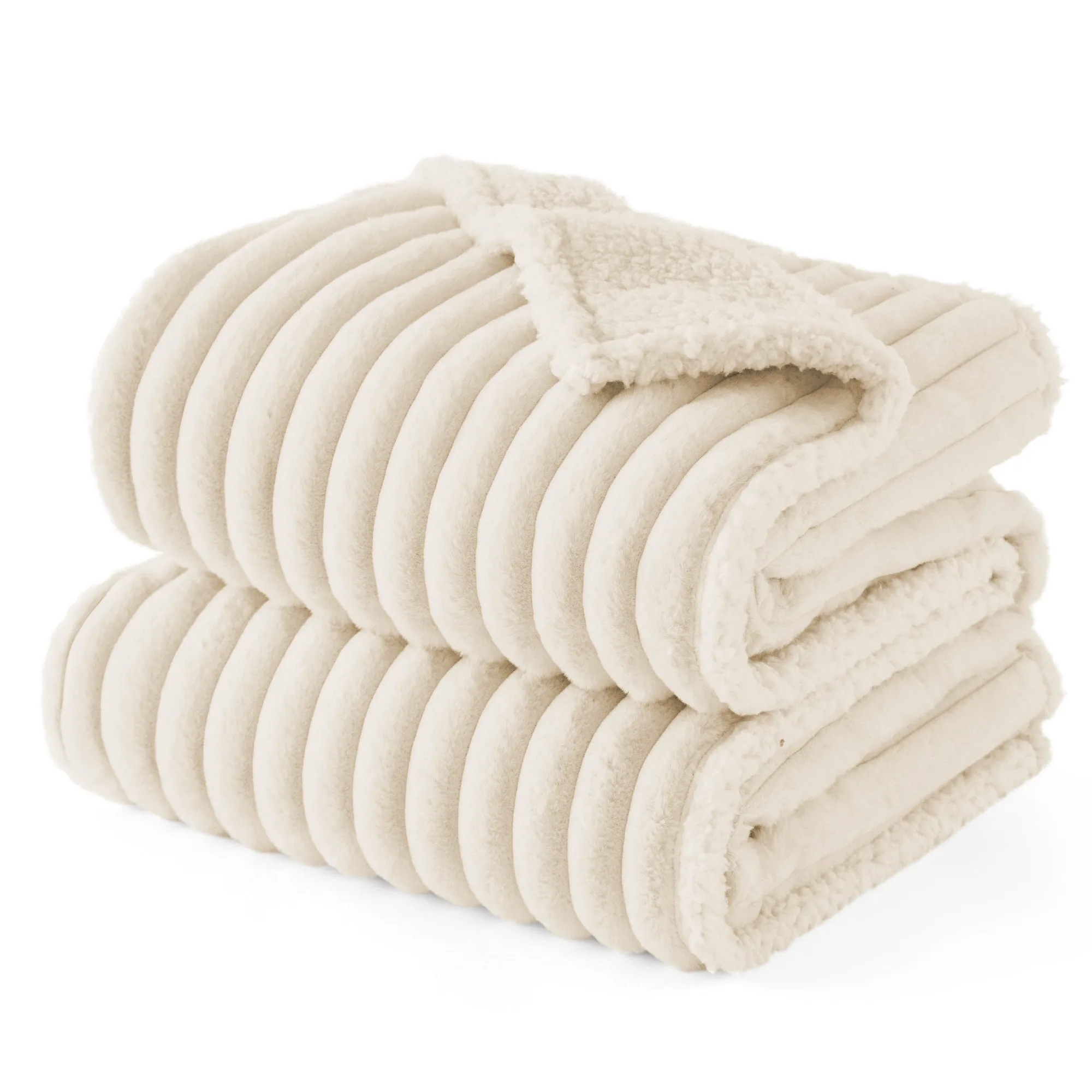
- ComfyFleece® Waterproof Pet Blanket: Reversible sherpa and corduroy pet blanket with a waterproof and spill-resistant interior lining; outer fabrics are not waterproof. Useful as a washable layer over furniture or a bed, but it is not a mattress encasement and does not seal a mattress.
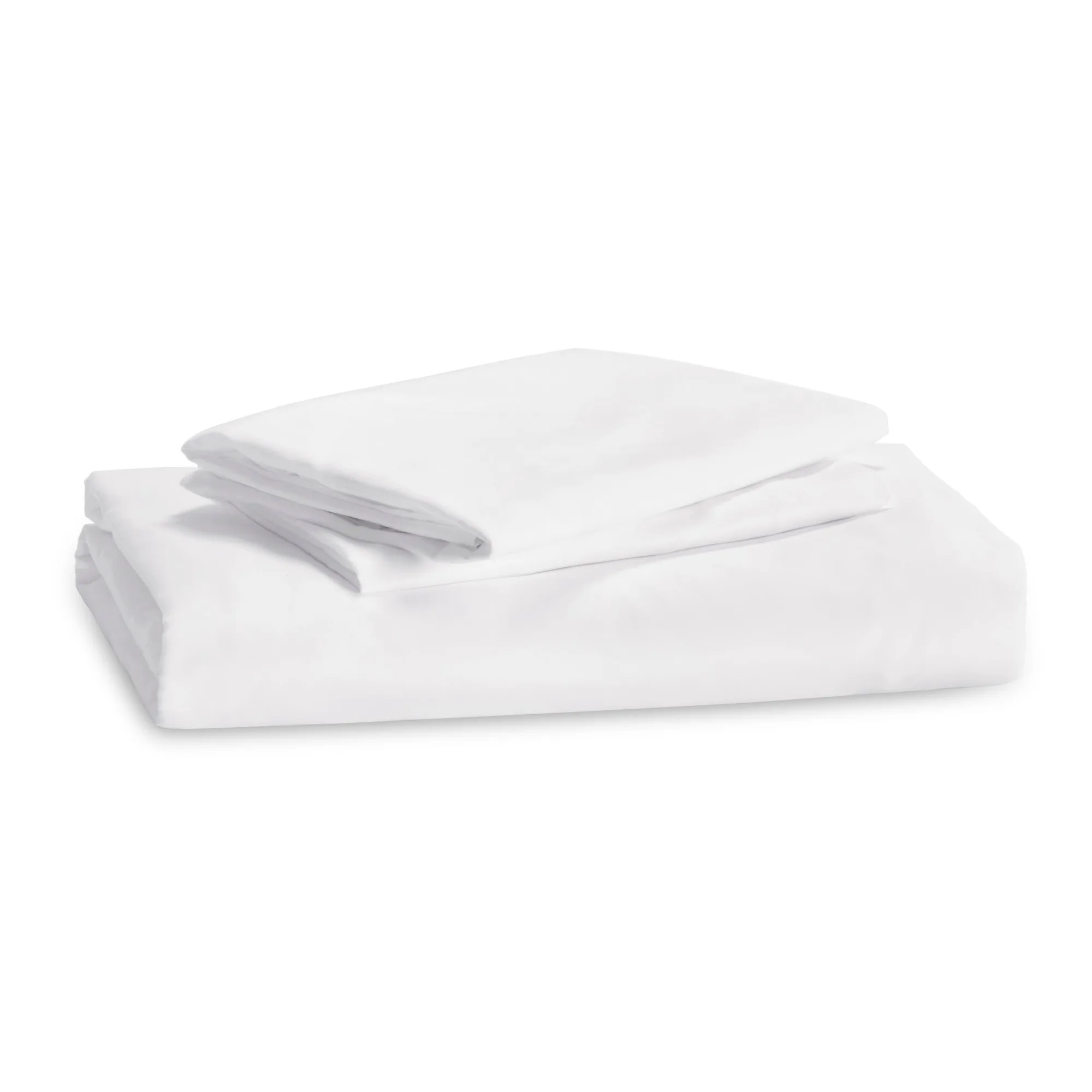
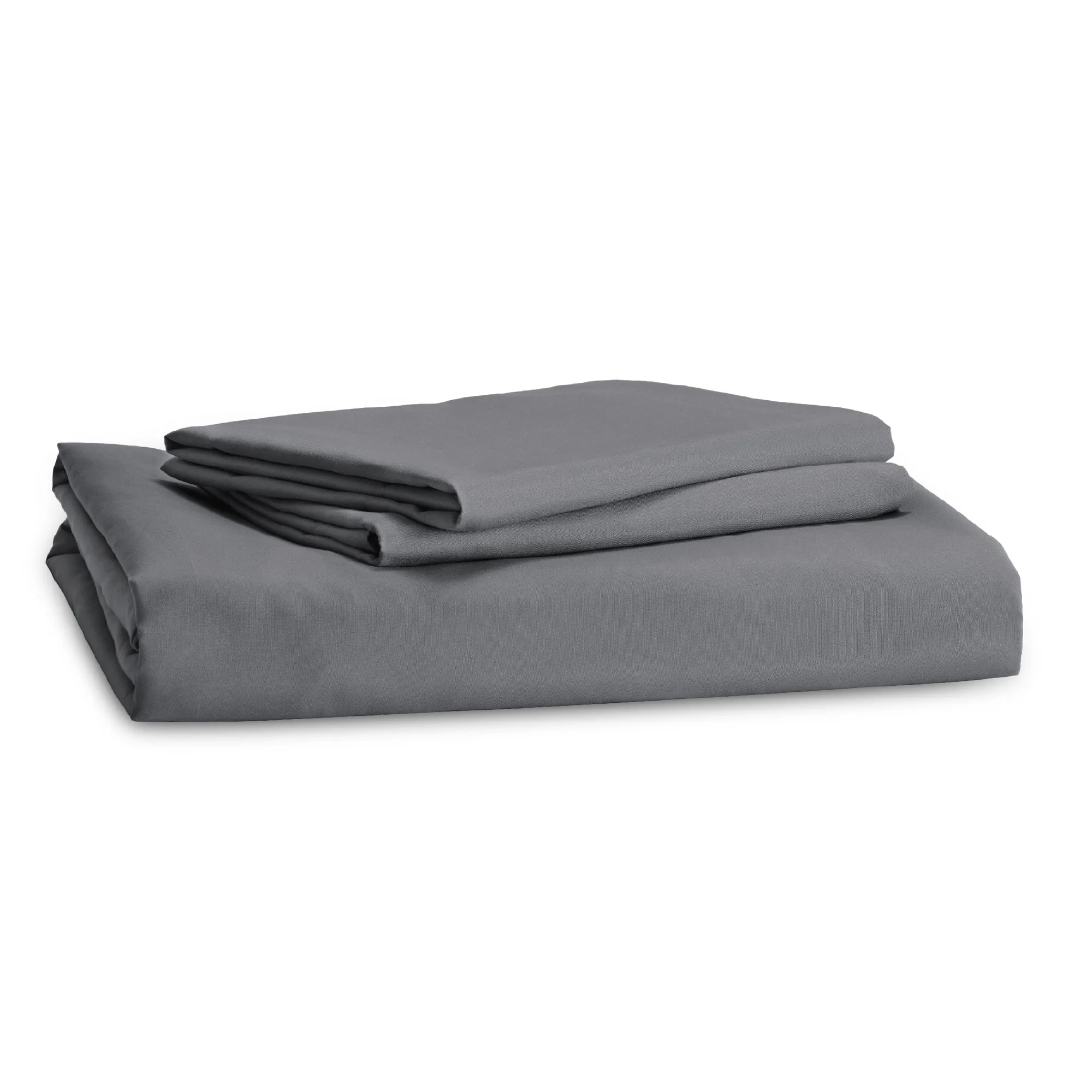
- Brushed Microfiber Duvet Cover Set: Double-brushed microfiber duvet cover with reinforced stitching and fade-resistant dyeing. A soft, washable top layer that adds comfort over an encasement without affecting the seal.
Who should buy a bed bug proof encasement
Best for
- Households dealing with bed bugs or wanting to prevent them
- Shoppers who need allergen and spill protection on all six sides
- Renters or guests who want a washable, wipeable mattress barrier
Not for
- Shoppers who only want extra cushioning — choose a mattress pad or topper instead
- Anyone unwilling to leave the cover sealed for at least a year during an active infestation
- Sleepers who need maximum breathability and prefer a plain fabric cover without a waterproof layer