Expanding your favorite board game can breathe new life into your game nights, but with so many options on the market, knowing which expansion to pick can feel overwhelming. Whether you're a seasoned strategist or a casual player looking to deepen your experience, choosing the right add-on requires more than just picking the newest box on the shelf. In this buyer's guide, we'll walk you through the essential factors to consider when selecting a board game expansion, from gameplay mechanics and player count to theme and value. By the end, you'll have a clear framework to make informed decisions that enhance your gaming sessions without breaking the bank.
Strategy games like Root offer a rich universe of factions, maps, and modules, making expansions especially rewarding. But not every expansion is created equal—some add critical depth, while others may clutter your play. Understanding what to look for will help you invest wisely in your collection. Let's dive into the key criteria every strategy enthusiast should evaluate before adding a new expansion to their cart.
Assess Gameplay Depth and Variety
The primary reason to buy an expansion is to add new layers of strategy or variety to a game you already love. Look for expansions that introduce meaningful choices rather than just more of the same. For example, Root: The Exiles and Partisans Deck replaces the base game's deck with new cards that shift faction dynamics and create fresh tactical opportunities. This kind of modular addition can dramatically change how each session plays out, keeping the experience engaging for veteran players.
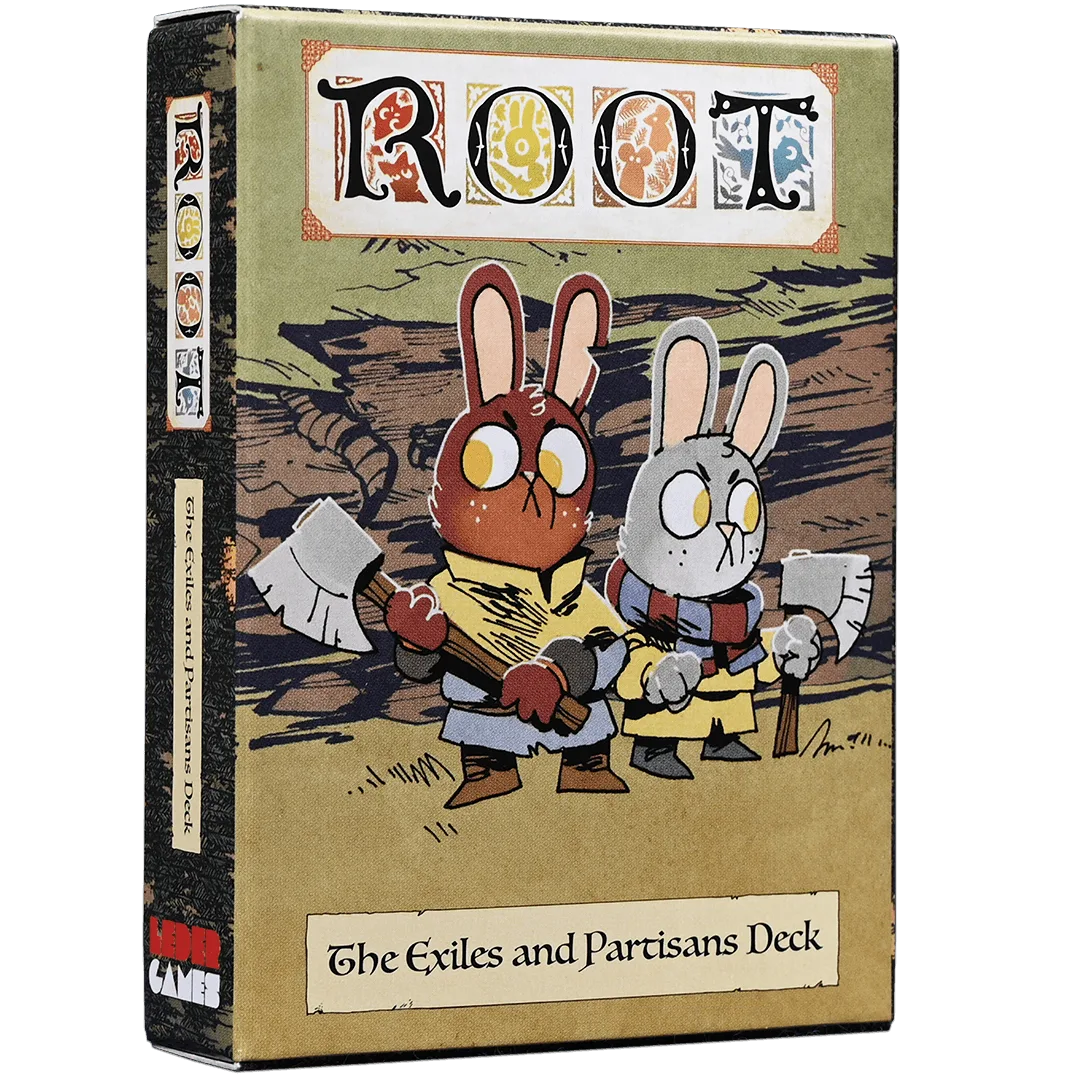
Root: The Exiles and Partisans Deck
Also consider whether the expansion adds new factions, maps, or modules. A faction expansion can completely alter the balance of power, while a map pack introduces new geography and objectives. The goal is to find an expansion that complements the core game's strengths and addresses any weaknesses, such as replayability or player interaction. Always read reviews and watch gameplay videos to see how the new content integrates.
- Check if the expansion adds new factions, cards, or boards that change core strategies.
- Look for expansions that offer variable setups or modular components for high replayability.
Check Player Count Compatibility
Not all expansions work well with every player count. Some are designed to enhance 2-player games, while others shine at higher player counts. If your group typically plays with 3 or 4 players, make sure the expansion you choose supports that range. For instance, Root: Marauder Hirelings Pack & Hireling Box adds hireling rules that allow smaller player counts to enjoy a fuller board, making it a versatile choice for groups of varying sizes.
Additionally, some expansions include components that are best used with specific player counts, such as additional faction boards or meeples. Always check the box or product description for recommended player counts. If you frequently play with a variable group, prioritize expansions that offer flexible scaling or include solo/cooperative modes. This ensures your investment gets used often, not just on special occasions.
- Verify the expansion's player count range matches your typical game night.
- Consider expansions with solo or co-op modes if you play alone or in small groups.
Evaluate Theme and Integration
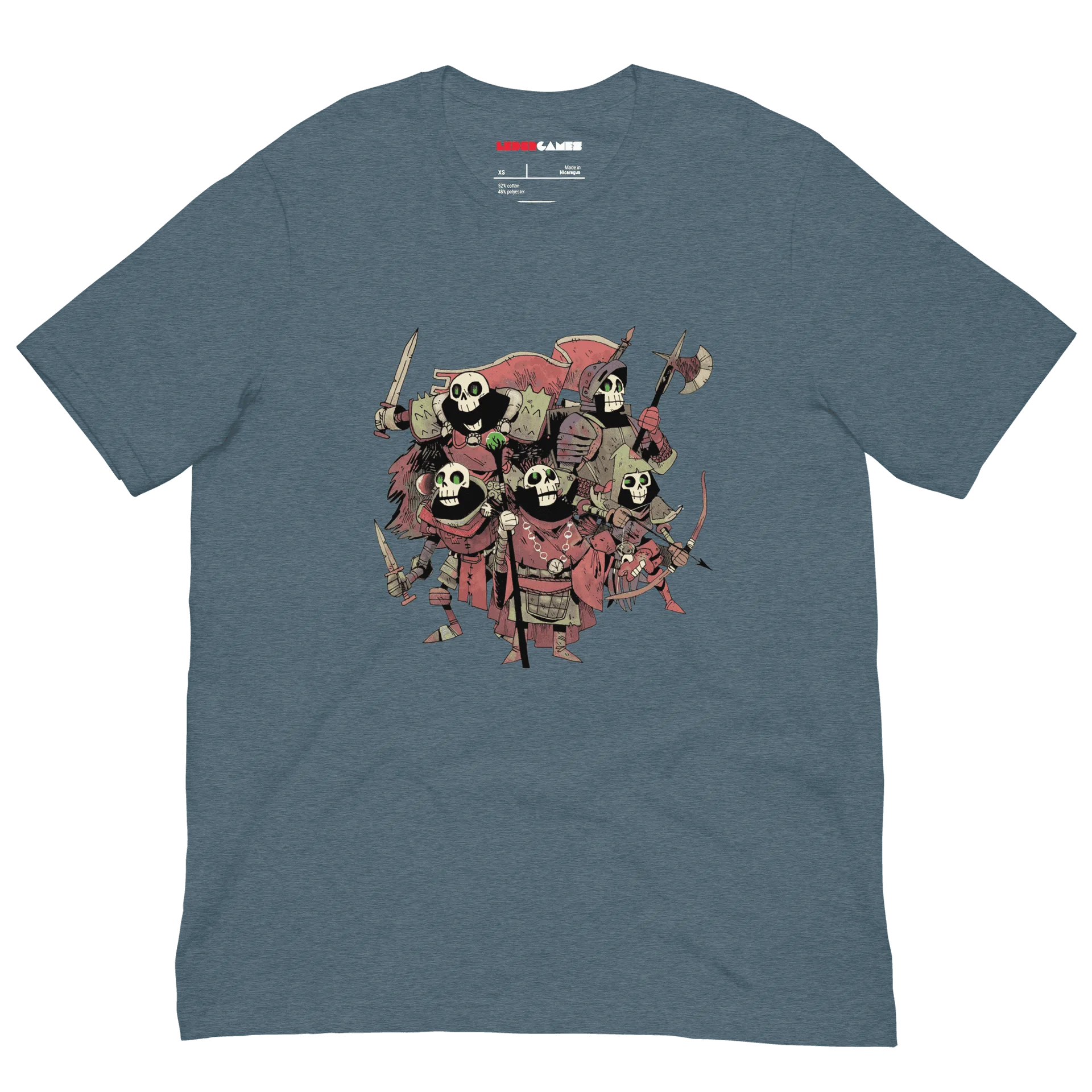
A great expansion should feel like a natural extension of the base game's world, not a disjointed add-on. Pay attention to how well the new content meshes with existing lore, art style, and mechanics. For example, expansions that introduce new factions in Root often come with unique backstories and asymmetric abilities that deepen the narrative. The Root Underworld Factions Tee may not be a gameplay component, but it shows how the theme extends beyond the tabletop into apparel for fans.
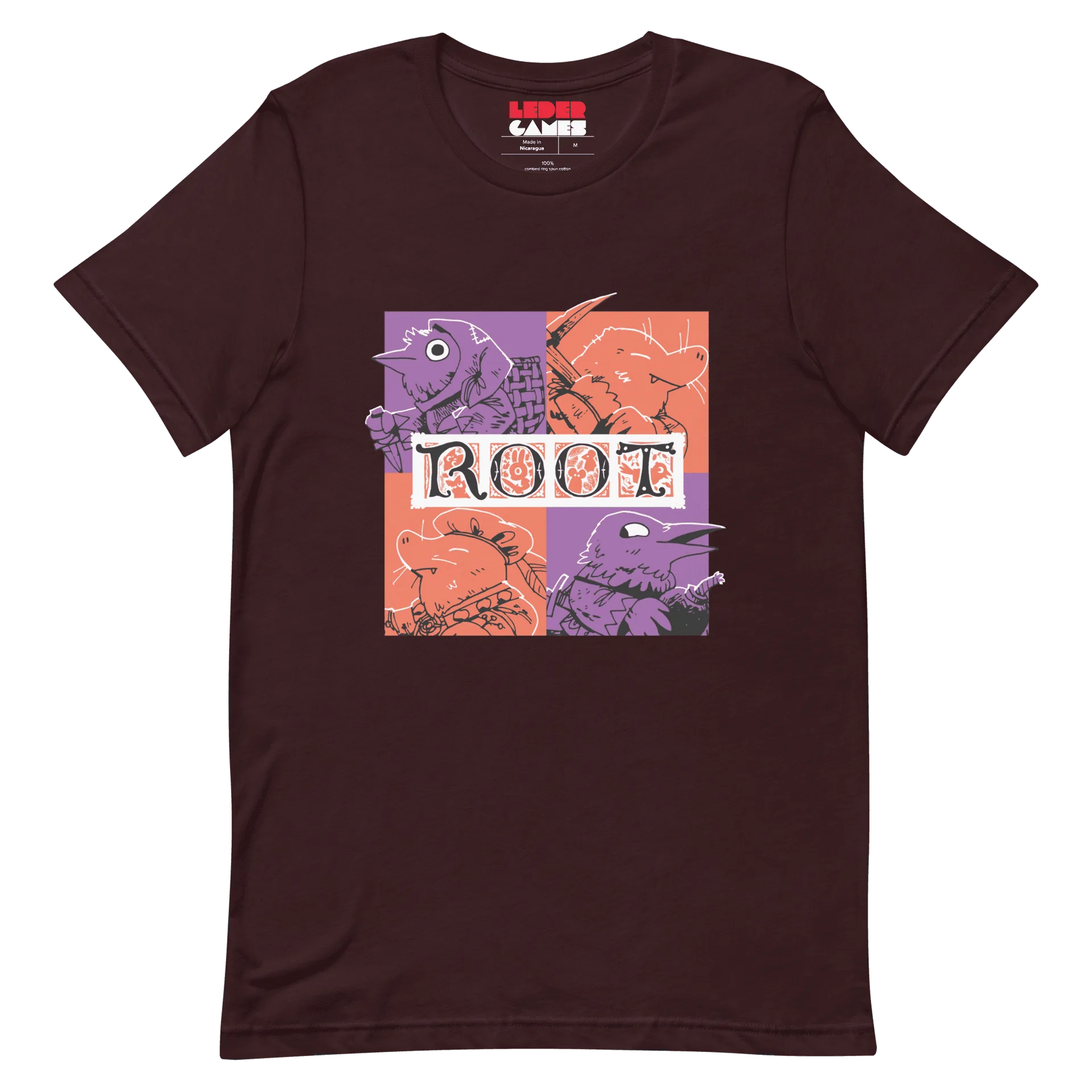
Root Underworld Factions Tee
When browsing expansions, read the description to see if the new elements are seamlessly integrated or feel tacked on. Some expansions require the base game and may even need other expansions to function properly. Avoid buying multiple expansions at once unless you're sure they stack well. A cohesive experience is more important than having every single module. Start with one well-reviewed expansion and see how it enhances your sessions before adding more.
- Read expansion descriptions to ensure they integrate smoothly with your base game.
- Start with one expansion at a time to avoid overwhelming your group with new rules.
Compare Cost vs. Value
Board game expansions vary widely in price, from small card packs to large box sets. Evaluate what you're getting for your money—more cards, miniatures, boards, or rulebooks. A smaller, cheaper expansion like a deck replacement can offer high value if it significantly improves replayability. On the other hand, a larger expansion with multiple factions and modules may be worth the investment if your group plays frequently. Consider the cost per play: an expansion used dozens of times is a better deal than one used once.
Also factor in storage and organization. Some expansions come in boxes that don't fit neatly with the base game, leading to clutter. Look for expansions that are designed to store components efficiently, or invest in third-party organizers. Remember that the true value of an expansion lies in how much it enhances your enjoyment, not just its price tag. If you're on a budget, prioritize expansions that add the most variety for the lowest cost.
- Calculate cost per play to gauge long-term value.
- Check if the expansion requires additional storage solutions.
Look for Community and Developer Support
A thriving community can extend the life of an expansion through fan-made content, strategy guides, and tournament play. Check online forums, Reddit, and BoardGameGeek to see how the expansion is received. Developer support is also crucial—some expansions receive errata, reprints, or digital adaptations that keep them relevant. For example, Root expansions are regularly updated with new printings and official FAQ documents, ensuring they remain balanced and fun.
Additionally, consider expansions that are part of a larger ecosystem. Some games have multiple expansion cycles, and buying into a supported line can provide years of content. Follow the publisher's blog or social media for announcements about upcoming releases. A well-supported expansion is a safer investment, as it's more likely to be enjoyed by your group for years to come.
- Search for community reviews and strategy discussions before purchasing.
- Follow the publisher for news on reprints, errata, and future expansions.
Choosing the right board game expansion is all about matching your group's preferences, playing style, and budget. By focusing on gameplay depth, player count, theme integration, cost, and community support, you can make confident purchases that add lasting value to your collection. Ready to expand your strategy game library? Check out the Root: The Exiles and Partisans Deck to see how a simple deck swap can transform your next game night.